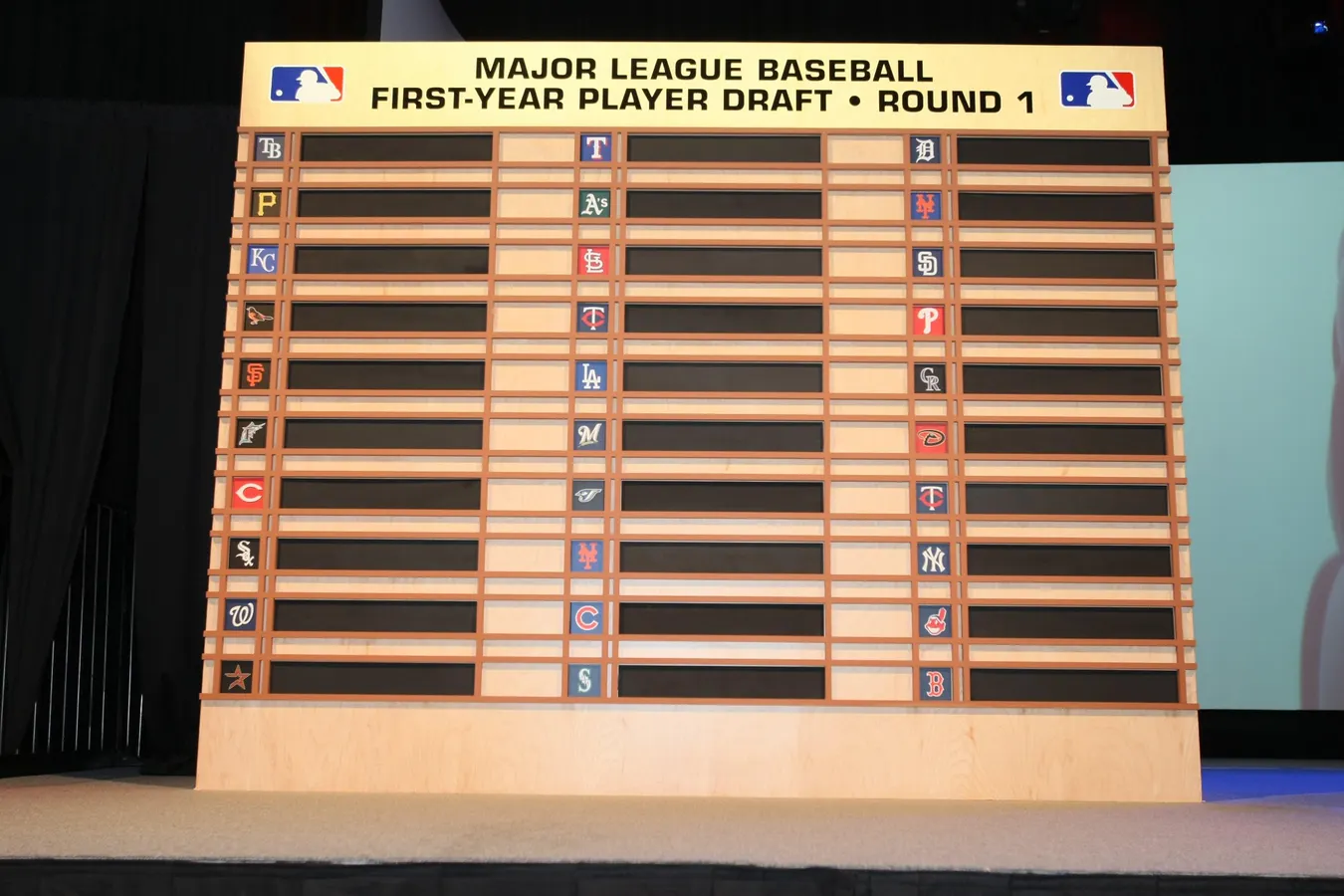
In seeking a Zen state of mind for baseball’s collective-bargaining negotiations, I repeat the following mantra every morning:Initial proposals matter only so much. Initial proposals matter only so much…And yet, I’d love to know where the owners think they will land with their proposals to overhaul the domestic draft and introduce an international draft, radically changing the way amateurs enter the sport.We know the owners, like the players, want the most money. But the owners, as represented by commissioner Rob Manfred, talk constantly about growing the game. Their domestic draft proposal, in particular, runs counter to that message.Reducing the domestic draft from 20 to 12 rounds is not growing the game. Neither is eliminating eligibility for high school players. Nor slashing domestic draft bonuses from last year’s payout of $401 million to $200 million.Major League Baseball should want to widen opportunity for players to enter the professional ranks, not narrow it. It also should want to do everything possible to attract the best athletes, rather than risk losing them to other sports.Why MLB's draft proposal would be bad for baseball's futureKeith LawThe league says its salary cap proposal would pay major leaguers more in 2027 than in 2026, so clearly the owners want to save elsewhere. And, similar to the way the league is leaning on competitive balance to justify its push for a cap, it is citing the rise of college baseball to rationalize overhauling the draft.Not all of the league’s ideas lack merit. The current entry system for amateurs, which includes not only high schoolers but also international players who sign at 16, is hardly a model of economic efficiency. The more information teams have to evaluate amateurs, the better the decisions they will make. And injecting college baseball with top high school talent likely would lead to greater attention for the amateur draft and the game overall.Yet, all of these arguments mask the owners’ true intentions.To reduce the amount they pay amateurs. To remove the possibility of high schoolers negotiating higher bonuses by threatening to go to college. To force international players who would enter the system at 18 in their draft year and domestic players who would enter at 20 to become free agents at older ages, reducing their values on the open market. The league’s proposal also would skip over one international draft class to accommodate the age increase, taking $200 million out of the market.Yes, college players would be eligible to be drafted one year earlier, as sophomores instead of as juniors. Yes, the best of those players are reaching the majors faster than ever before. But if the owners are trying to persuade major leaguers to sell out amateurs — a strategy that to an extent has worked in the past — they don’t appear to be succeeding.
MLB owners’ proposal to reshape path to pros runs counter to growing the game
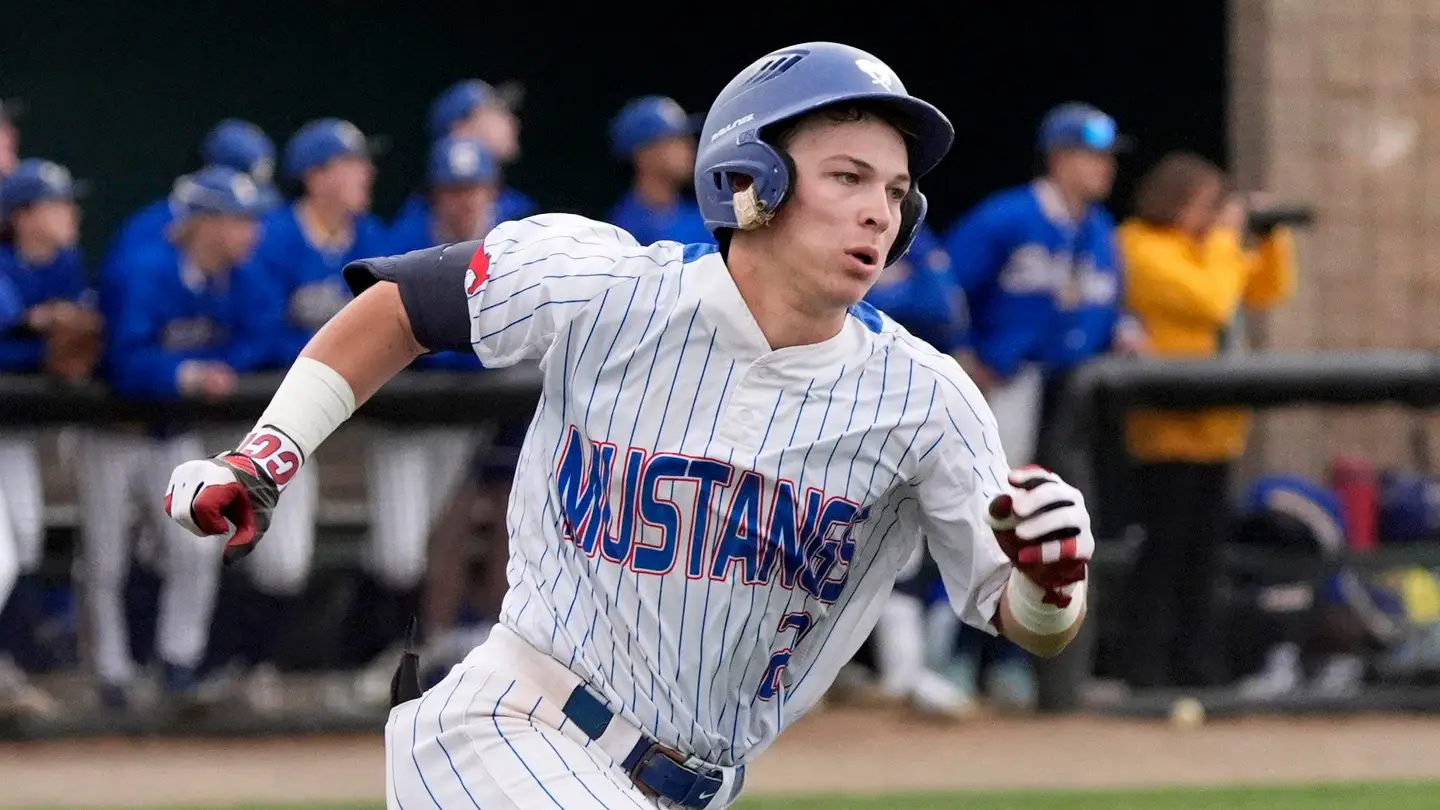
Major League Baseball should want to widen opportunity for players to enter the professional ranks, not narrow it.
1,285 words~6 min read