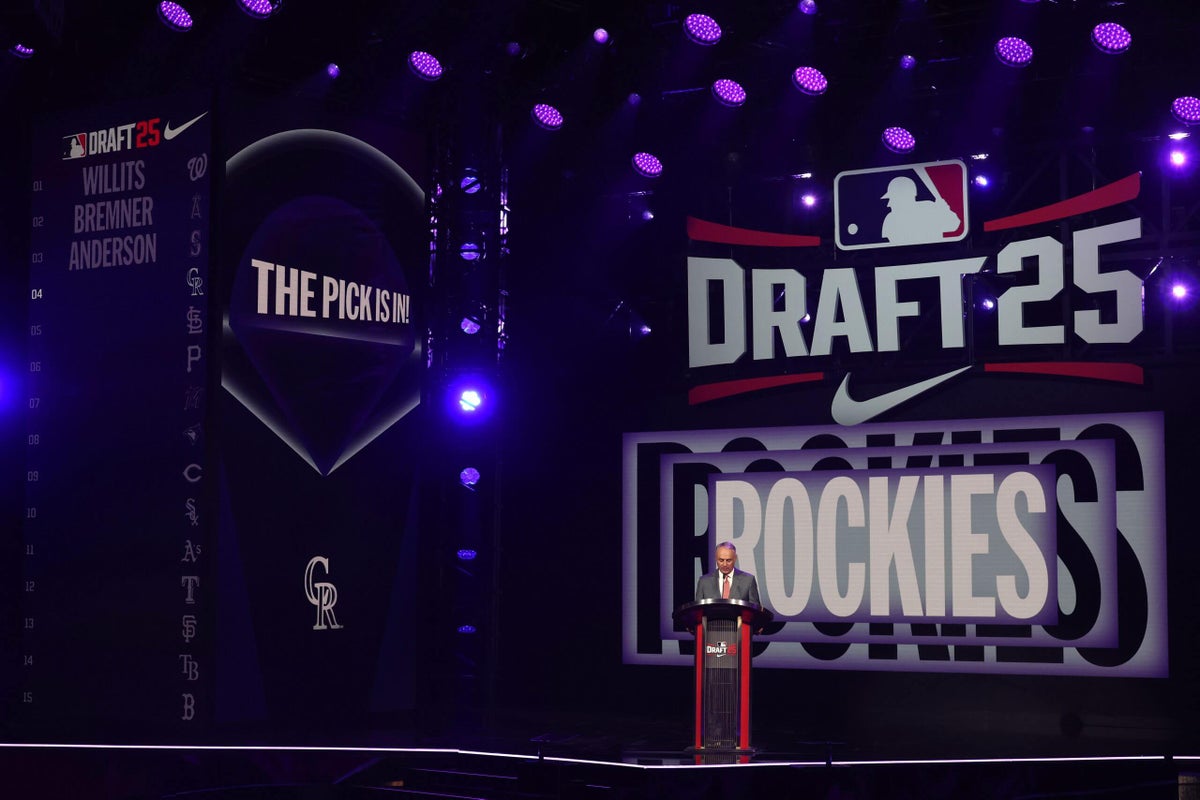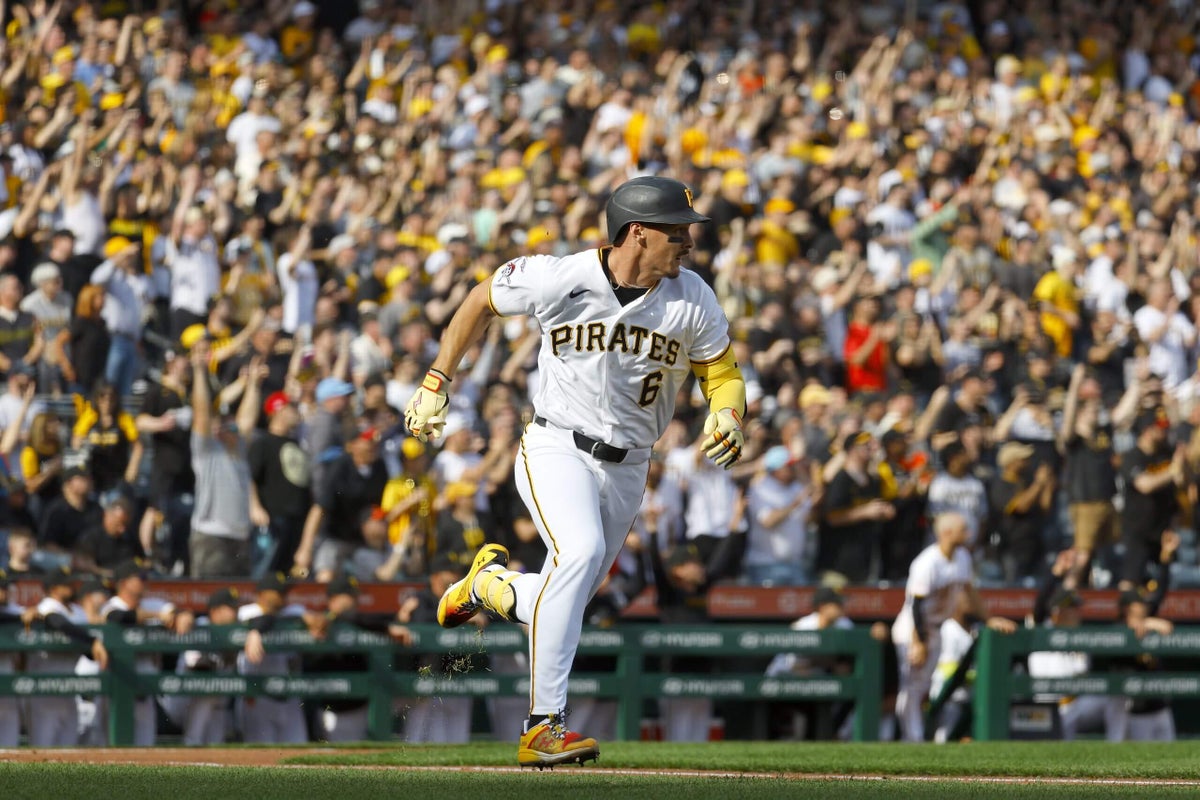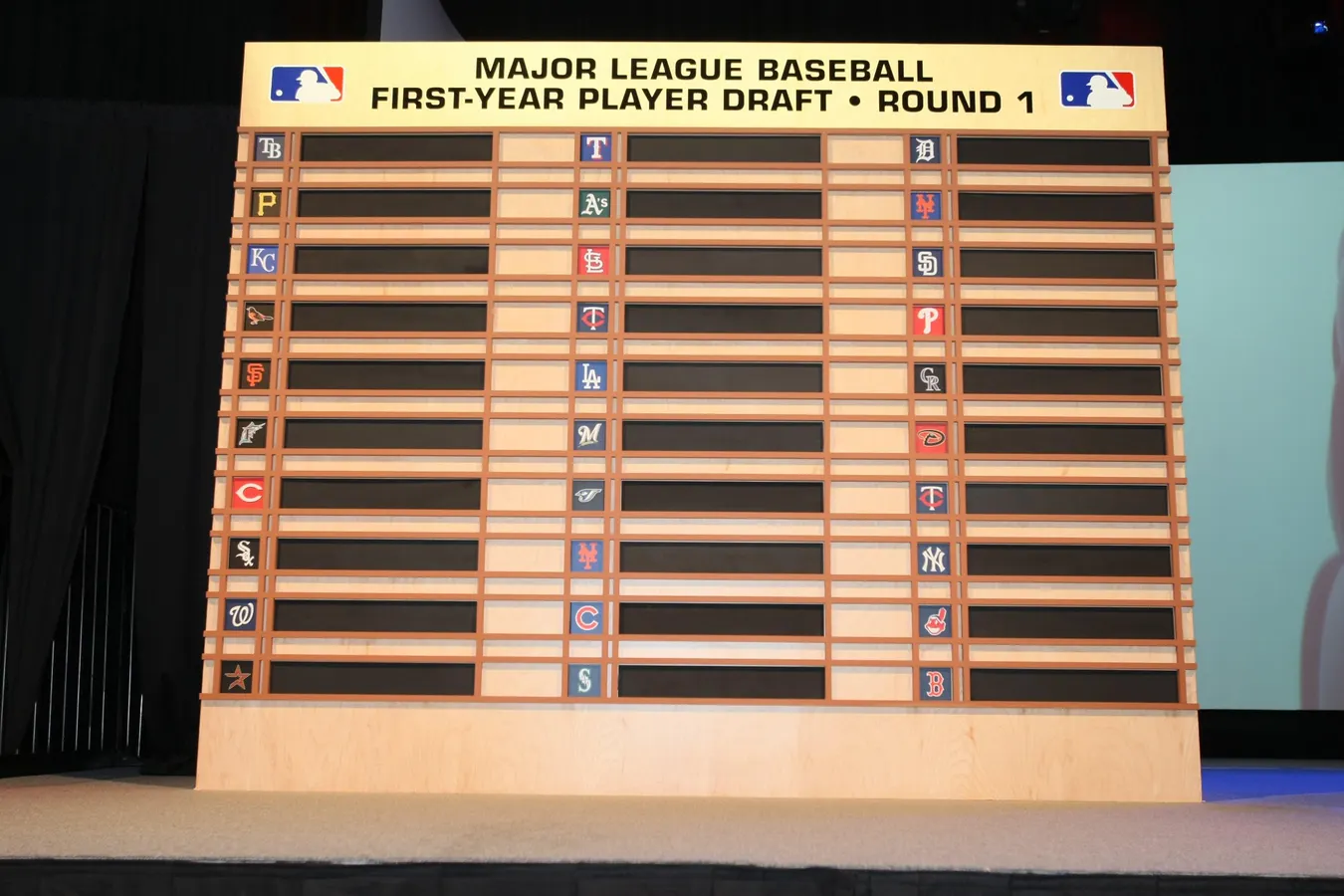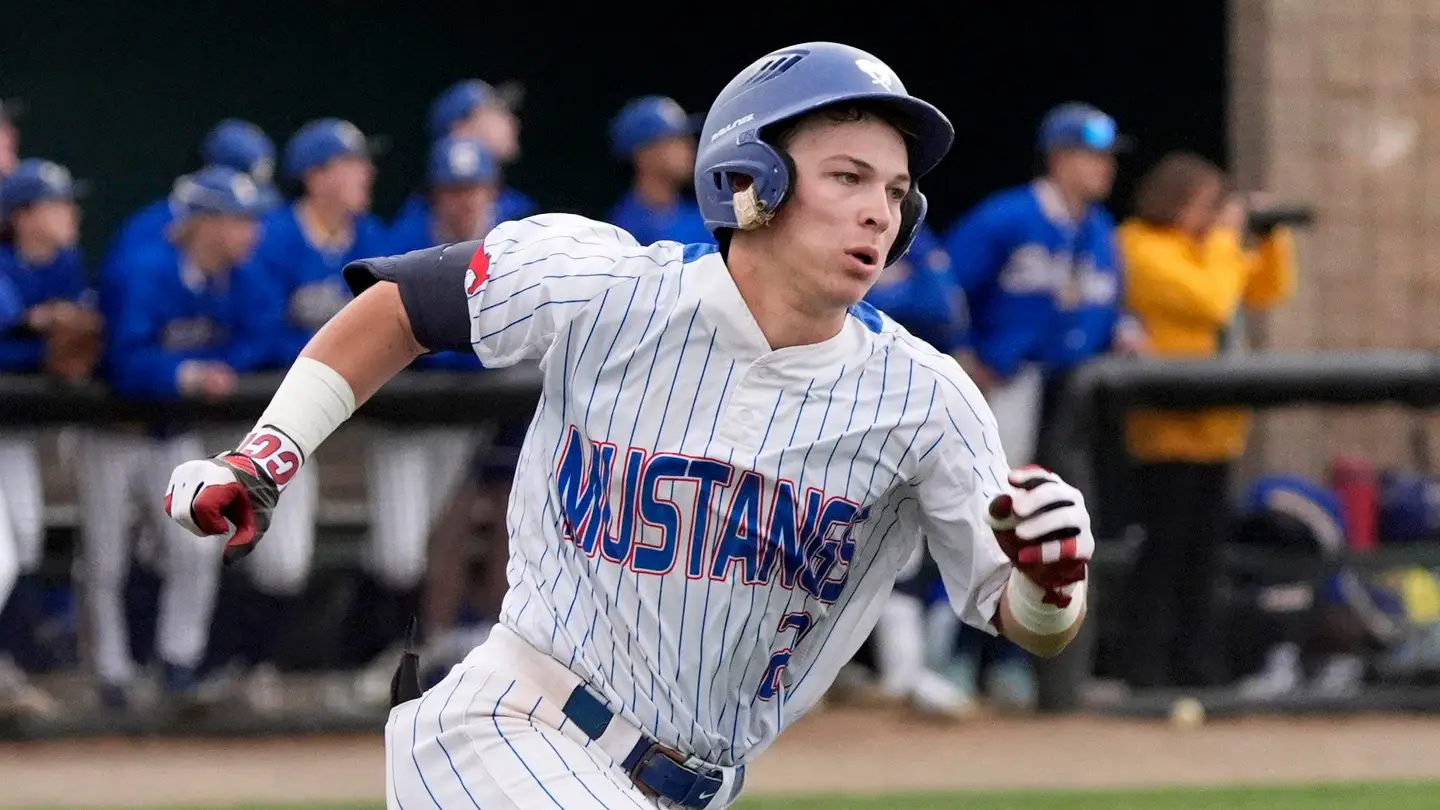
As labor talks intensify between Major League Baseball and the MLB Players Association ahead of the expiration of the current collective bargaining agreement on Dec. 1, 2026, the potential impact could extend far beyond current major leaguers.High school baseball players could become ineligible for MLB’s amateur draft as early as 2028.What MLB Is ProposingMLB presented its initial proposals pertaining to amateur players, to the MLBPA this week, and one of the deal points would require draft eligible players to be 20 years old by Sept. 1 of their draft year and at least two years removed from their high school graduation.Why MLB Wants The ChangeIn a feature on MLB.com, Mark Feinsand reports that 75% of all domestic Major League players played college baseball and 88% of those players were not ranked in high school. The increase in Name, Image and Likeness opportunities are a key component in why more high school players are opting to play college baseball, even if they are drafted by a Major League team.Feinsand further reported that 82 college players, drafted since 2023, have reached the majors within two years of being selected. That total is more than the number of players to advance to the majors within two years from 2016-2022 combined.MLB explained its desire to build a draft system focused on college-aged players in a statement explaining its proposals.“Over the last several years, college baseball has undergone a remarkable transformation,” the league said. “Expanded scholarships, NIL opportunities, revenue sharing, and significant investments in facilities and player development have made college baseball an increasingly important pathway that is producing major League-ready talent at an accelerated rate. Today's top programs provide players with resources, competition, and national exposure that were unimaginable a decade ago.“We believe these changes will strengthen college baseball and deepen fans’ connection to the next generation of Major League stars. We look forward to working with the MLBPA throughout the bargaining process to modernize the domestic amateur system in a way that benefits players, clubs and fans.”Recent Draft Trends Tell A Different StoryMLB’s point of view does not necessarily align with the draft actions of its teams. In the 2025 MLB Draft, a total of 19 high school players were drafted among the 43 first round selections, which included compensation picks. Thirty-nine high school players were selected within the first three rounds, including the No. 1 overall pick, shortstop Eli Willits of Oklahoma’s Fort Cobb-Braxtion High School, by the Washington Nationals. A total of six high school players were among the first 10 players drafted in 2025 and, Willits was the third high school player taken No. 1 overall since 2017. The others were Jackson Holliday of the Baltimore Orioles (2022) and Royce Lewis of the Minnesota Twins (2017).What Would High School Players Do Instead?If the MLB’s draft proposal becomes part of the eventual collective bargaining agreement, what becomes of high school baseball players who cannot or do not wish to be play NCAA baseball?Junior College baseball could become a significantly more attractive option under MLB's proposal.JUCO provides two years of eligibility, with the best players advancing on to four year schools or the draft. High school players uncertain about their desire to attend a four-year school could play in the junior college ranks for two years and become draft eligible when they are done, or retain the flexibility to transfer to a four-year school."In general the impact of the proposal would theoretically have a trickle down effect," said Josh Houser, baseball manager at Harford Community College in Maryland. "It would push the best talent back into college, while pushing talent down throughout various levels of college baseball. The bigger draw to those amateur players could be the ability to go JUCO for two years and be draftable along the way. They could still end up at a four-year school, likely on a big scholarship with a NIL deal."Houser, who led Harford to the National Junior College Athletic Association (NJCAA) Division I East Region championship, as well as a spot in the 2026 NJCAA World Series, said the changes would only add to an environment that has been beneficial to junior college baseball in recent years."I think the current college landscape has certainly helped JUCO baseball, as a whole, capture more variety in the transfer world," added Houser. "Now, you’ll be adding elite, pro level talent to a recruiting pool that’s already rich with high level players. It’s going to become a bidding war at that level. For us, it will generally be the same as it always has been. We'll react to how those schools operate and do the best we can to bring in the best people and talent."Players could also seek opportunities in independent professional leagues or international development systems, though those routes remain far less common than the college pathway. In addition, MLB has floated the idea of creating a MLB Draft League as part of expanded efforts in the area of amateur development.With far more complicated matters expected to dominate the collective bargaining process, including MLB’s push for some form of salary cap, the draft status of high school players may be an afterthought long before the battles that could lead to a potential work stoppage prior to the 2027 season.For now, the proposal remains only one piece of what is expected to be a lengthy and contentious labor negotiation. But if ultimately adopted, it would fundamentally reshape the path to professional baseball for generations of high school players.Current stars Bobby Witt Jr., Jackson Merrill, James Wood and Holliday, among others, would have had to taken a much different path to the Majors, had such rules been in place.Add us as a preferred source on GoogleFollow
High School Baseball, Lost Leverage and the MLB Draft Proposal Sparking Concern Nationwide
As labor talks intensify between Major League Baseball and the MLB Players Association ahead of the expiration of the current collective bargaining agreement on
948 words~4 min read