Oil markets just got their biggest exhale in months. West Texas Intermediate crude fell to $71.83 per barrel on June 24, the first time prices have dipped below $72 since early March, when geopolitical tensions were still building toward what would become one of the most disruptive stretches in recent energy market history.
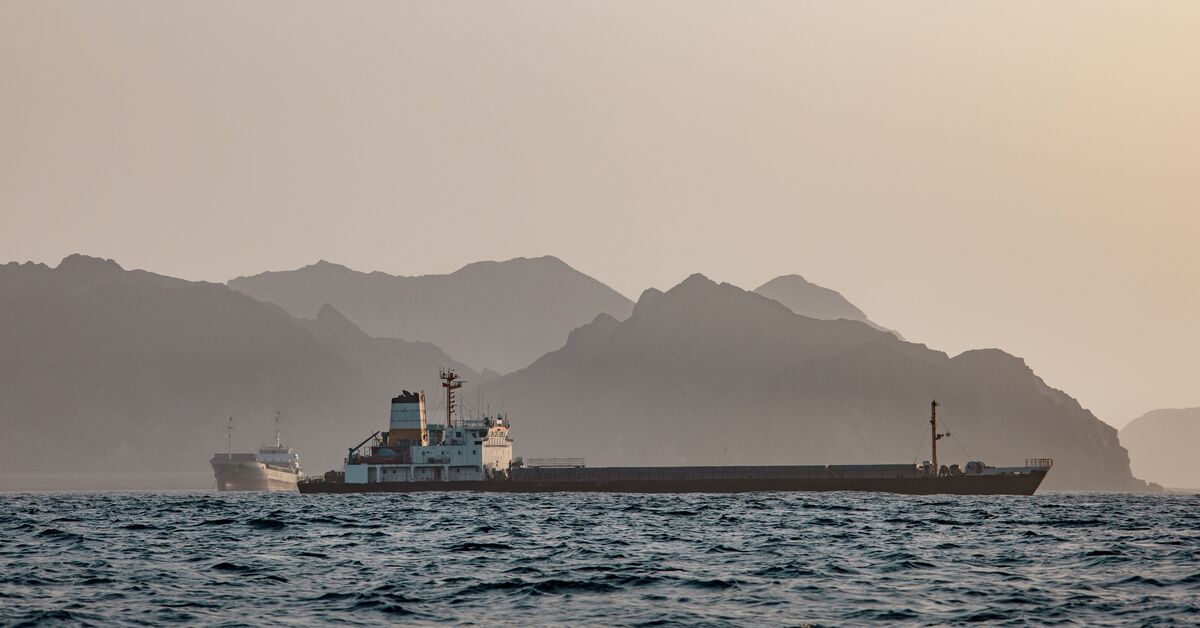
The catalyst is straightforward: diplomacy worked, at least partially. A US-Iran interim agreement has reopened the Strait of Hormuz, the narrow waterway that sits between the Persian Gulf and the Gulf of Oman and through which a significant portion of the world’s seaborne oil supply travels.
From $120 to $71.83: a very fast round trip
To understand how dramatic this reversal is, consider where prices were just a few months ago. Following US and Israeli strikes on Iran starting February 28, WTI crude surged to nearly $120 per barrel as markets priced in fears of prolonged supply disruption.
WTI was down over 1.8% on June 24 alone, and Brent crude, the international benchmark, was trading near $76. The decline from nearly $120 to $71.83 represents a collapse of roughly 40% from the conflict-era peak.