The FBI sent roughly $152 in Bitcoin to a kidnapper’s wallet. The kidnappers never touched it. And now investigators fear that micro-deposit, meant to be a clever tracing tactic, may have spooked the very people they were trying to find.
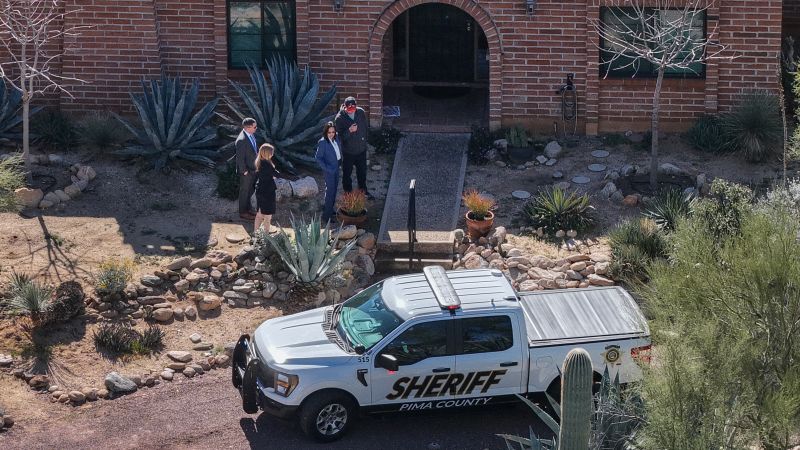
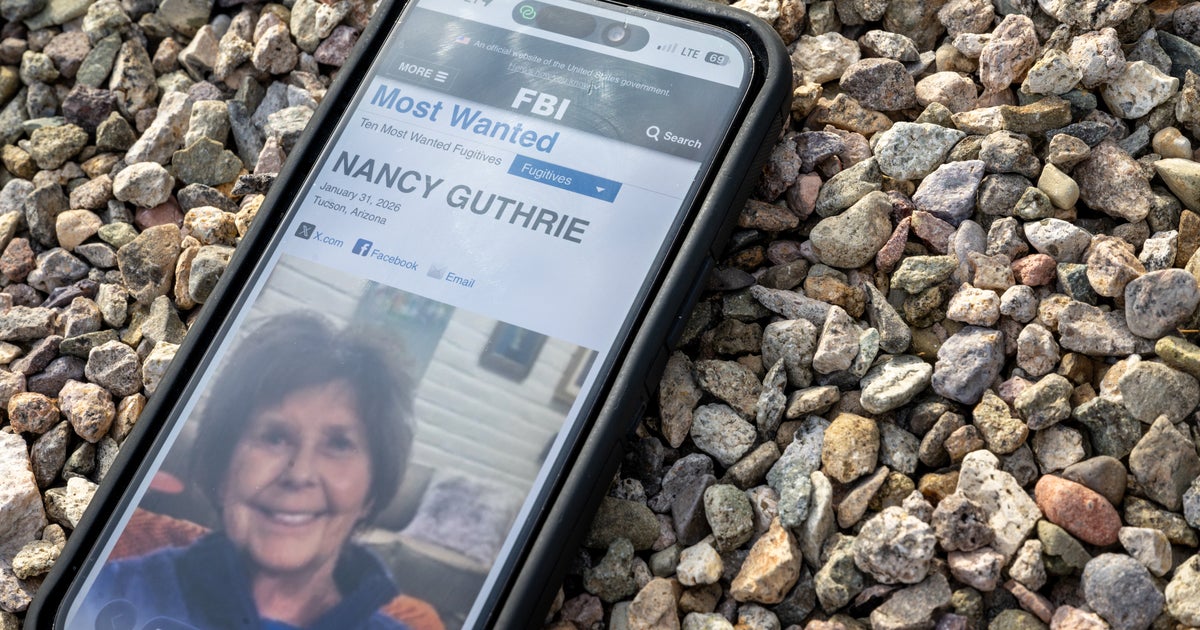
The case centers on Nancy Guthrie, an 84-year-old Tucson, Arizona, resident who disappeared on January 31, 2026. Ransom notes followed, demanding between $4 million and $6 million in Bitcoin. It’s the kind of case former FBI agents have started calling a “crypto kidnapping,” or more bluntly, a “wrench attack,” where physical violence meets digital currency.
The $152 gambit that backfired
The FBI’s playbook was straightforward in theory. Deposit a small amount of Bitcoin into the wallet specified in the ransom note, then monitor for any movement. If the kidnappers touched the funds, blockchain analytics tools could potentially trace the flow to an exchange, a mixer, or another wallet that might reveal identifying information.
Nobody picked it up. The $152 sat untouched. Investigators now worry the deposit itself, visible on the public blockchain to anyone monitoring that wallet, acted as a neon sign reading “law enforcement is watching.”