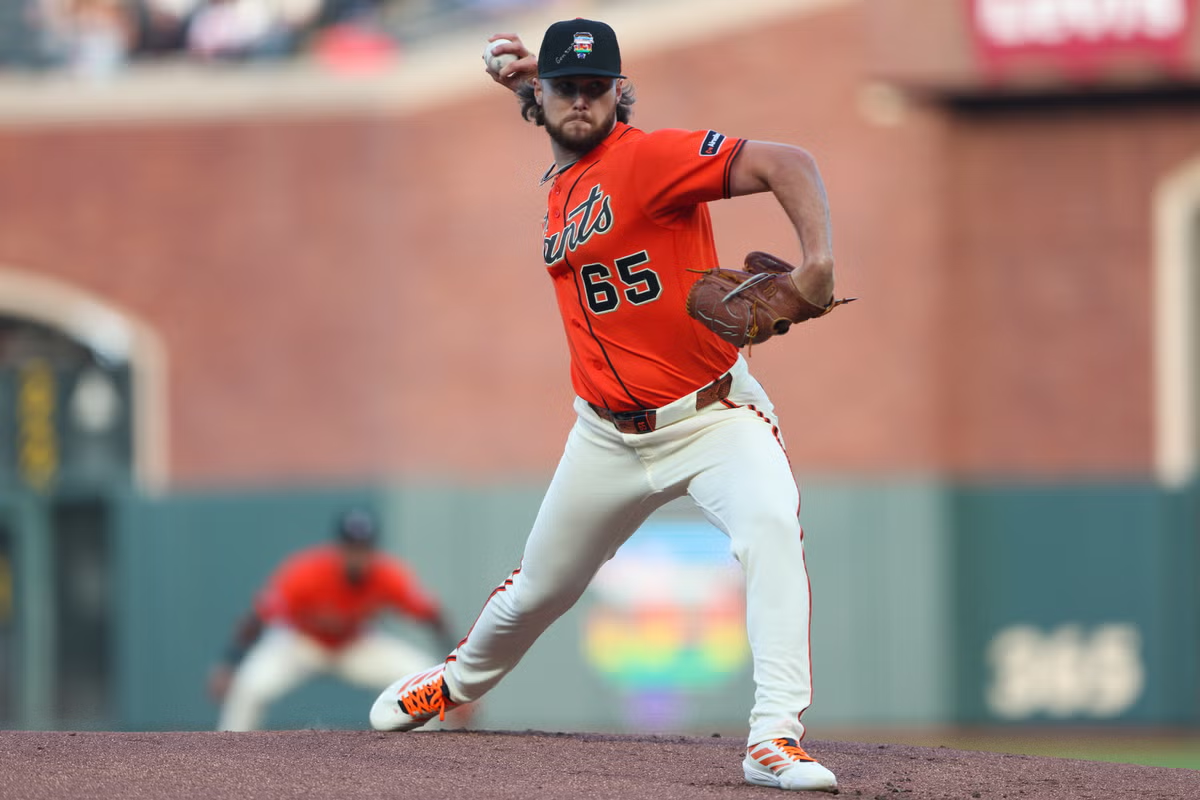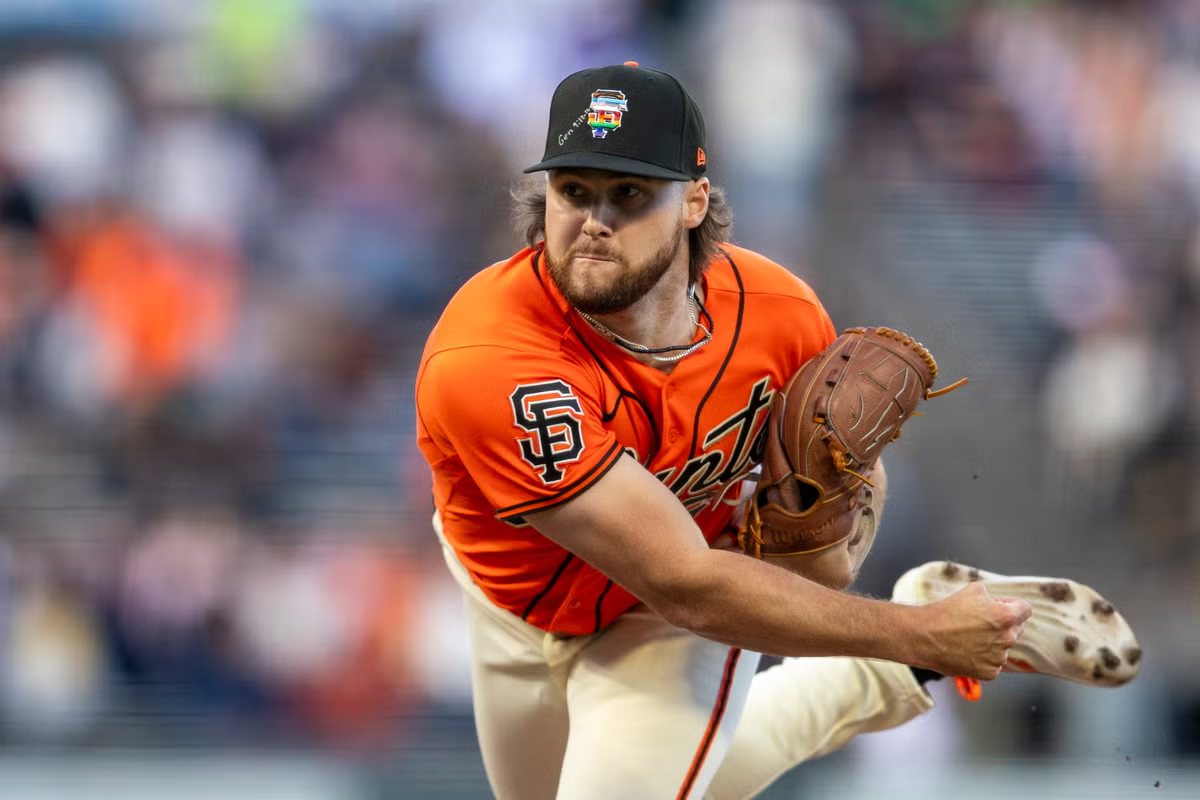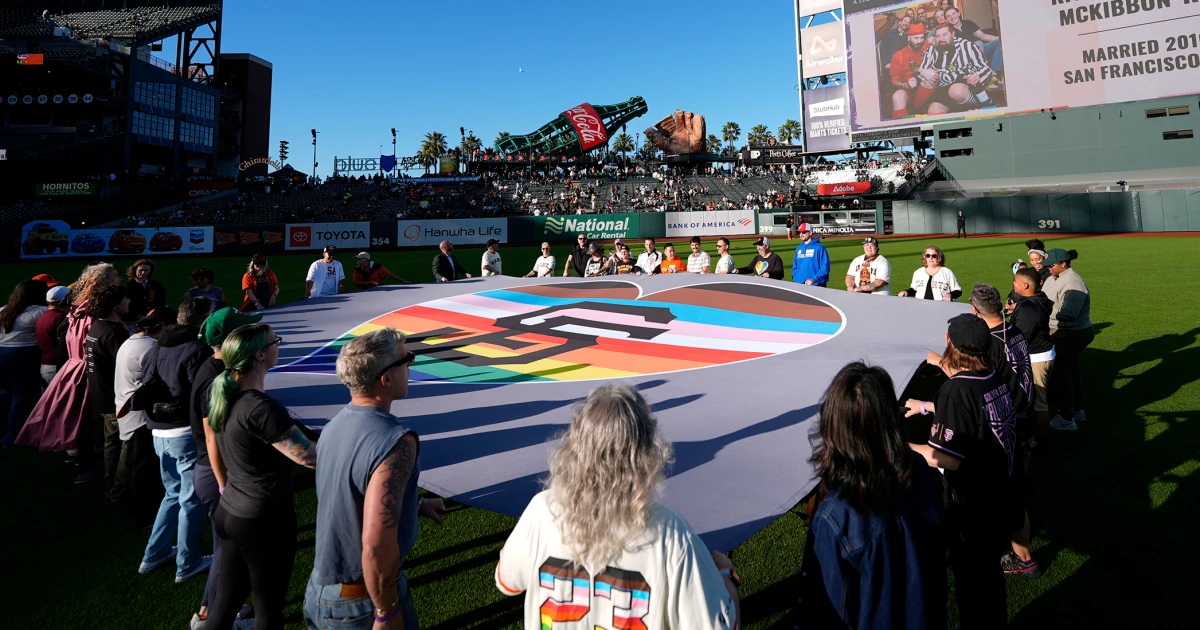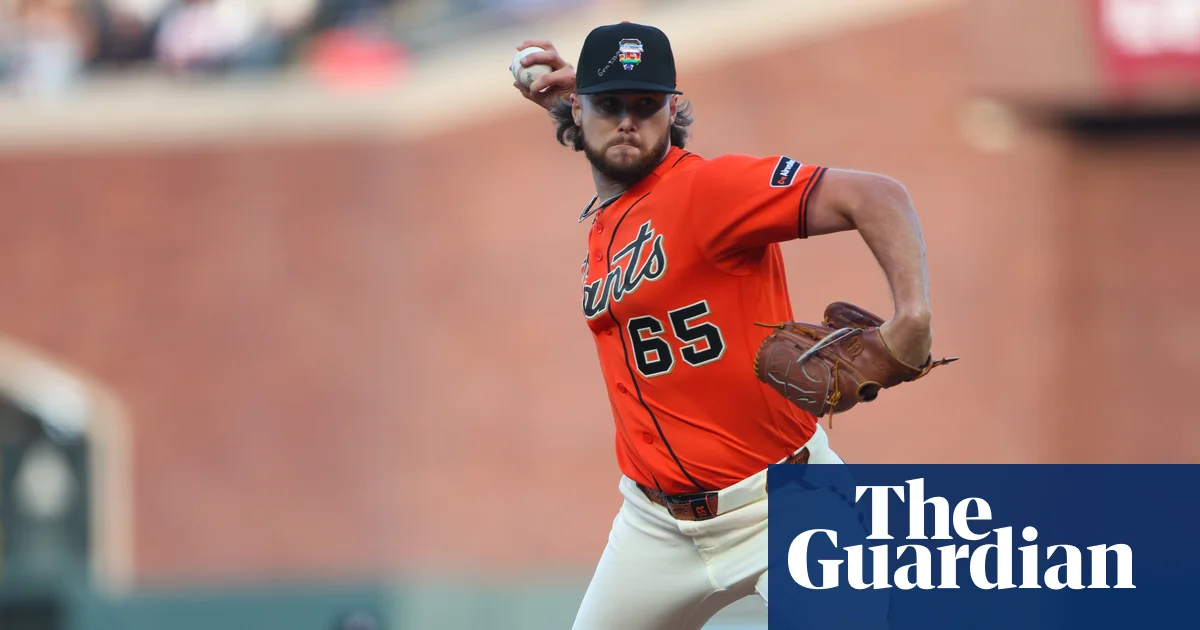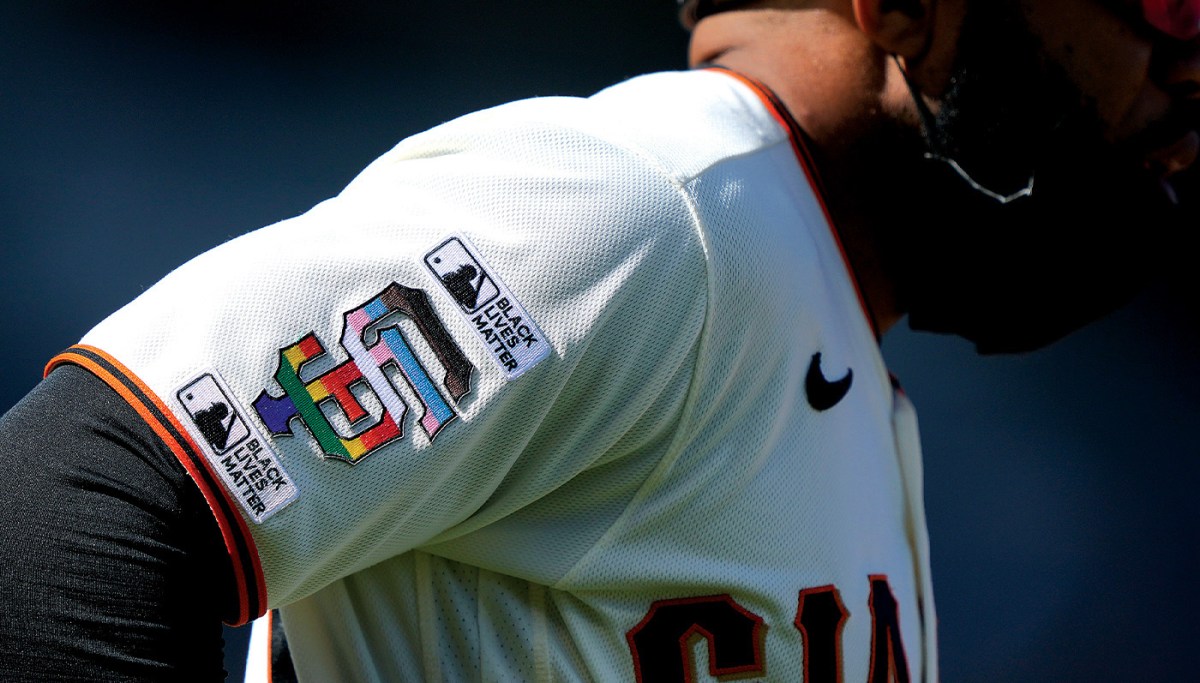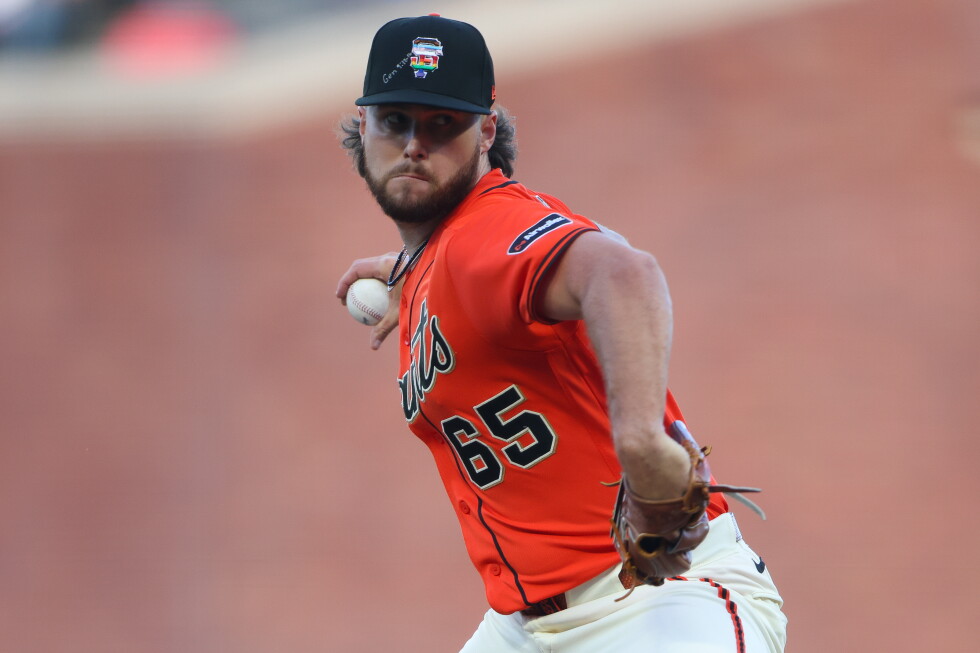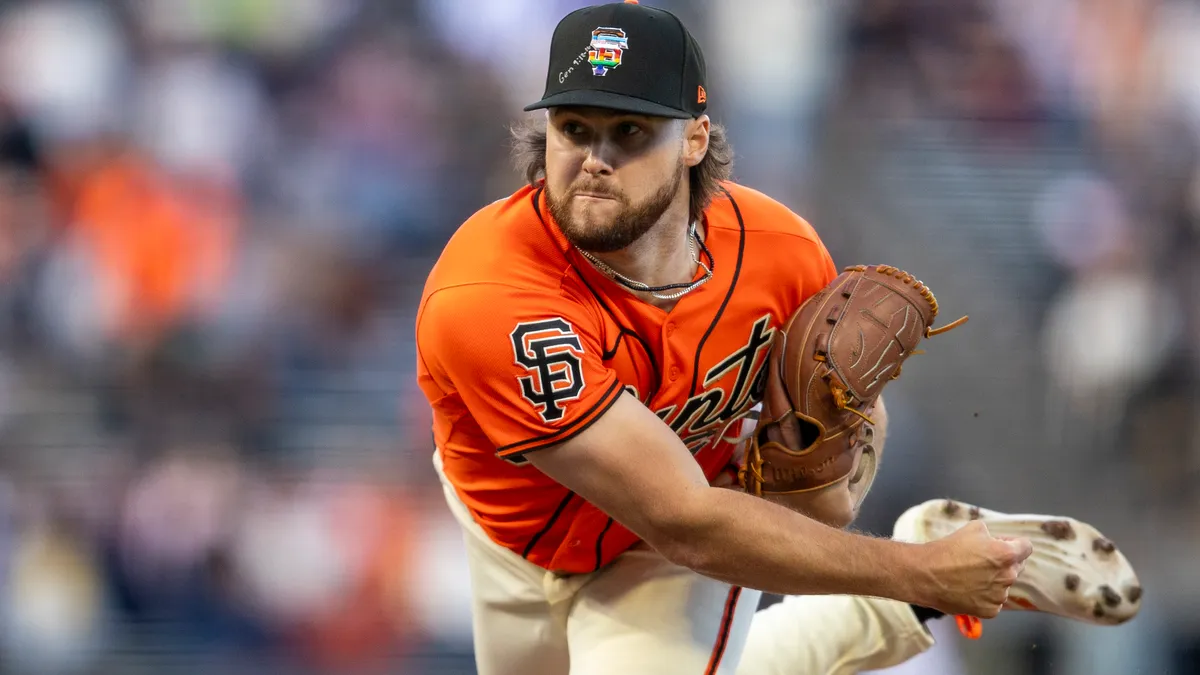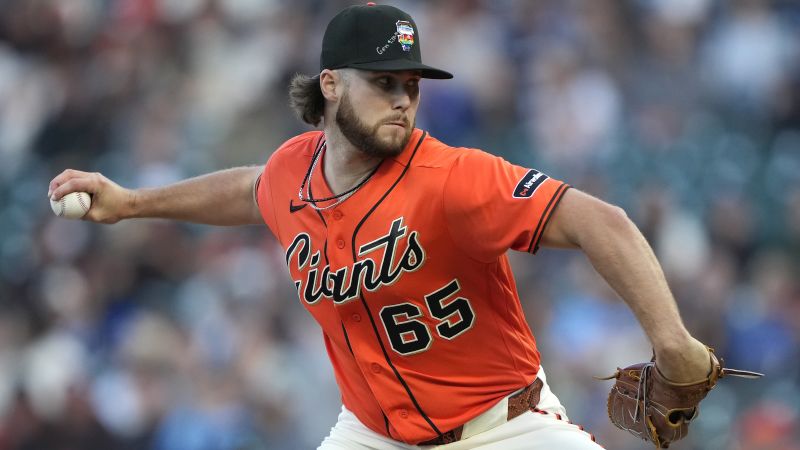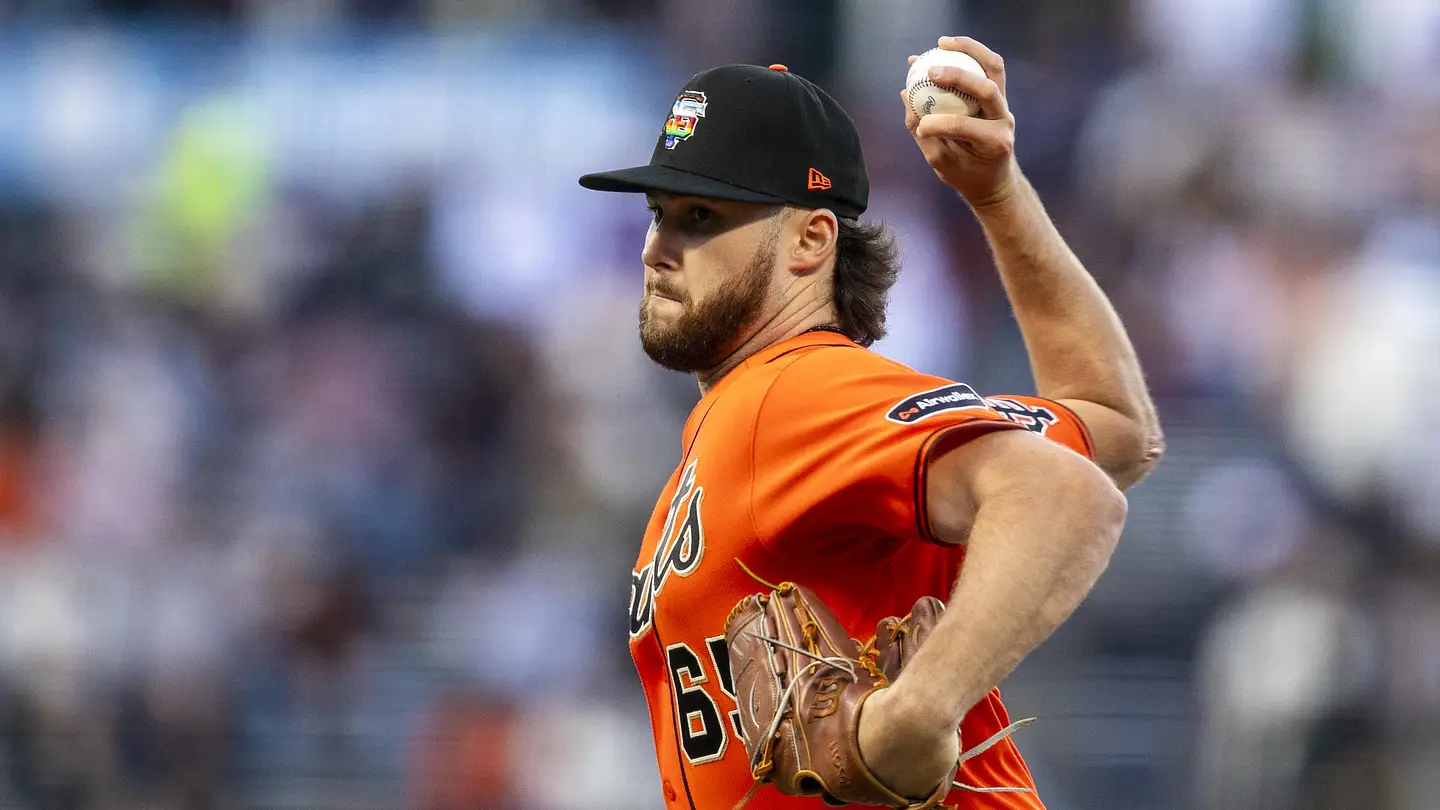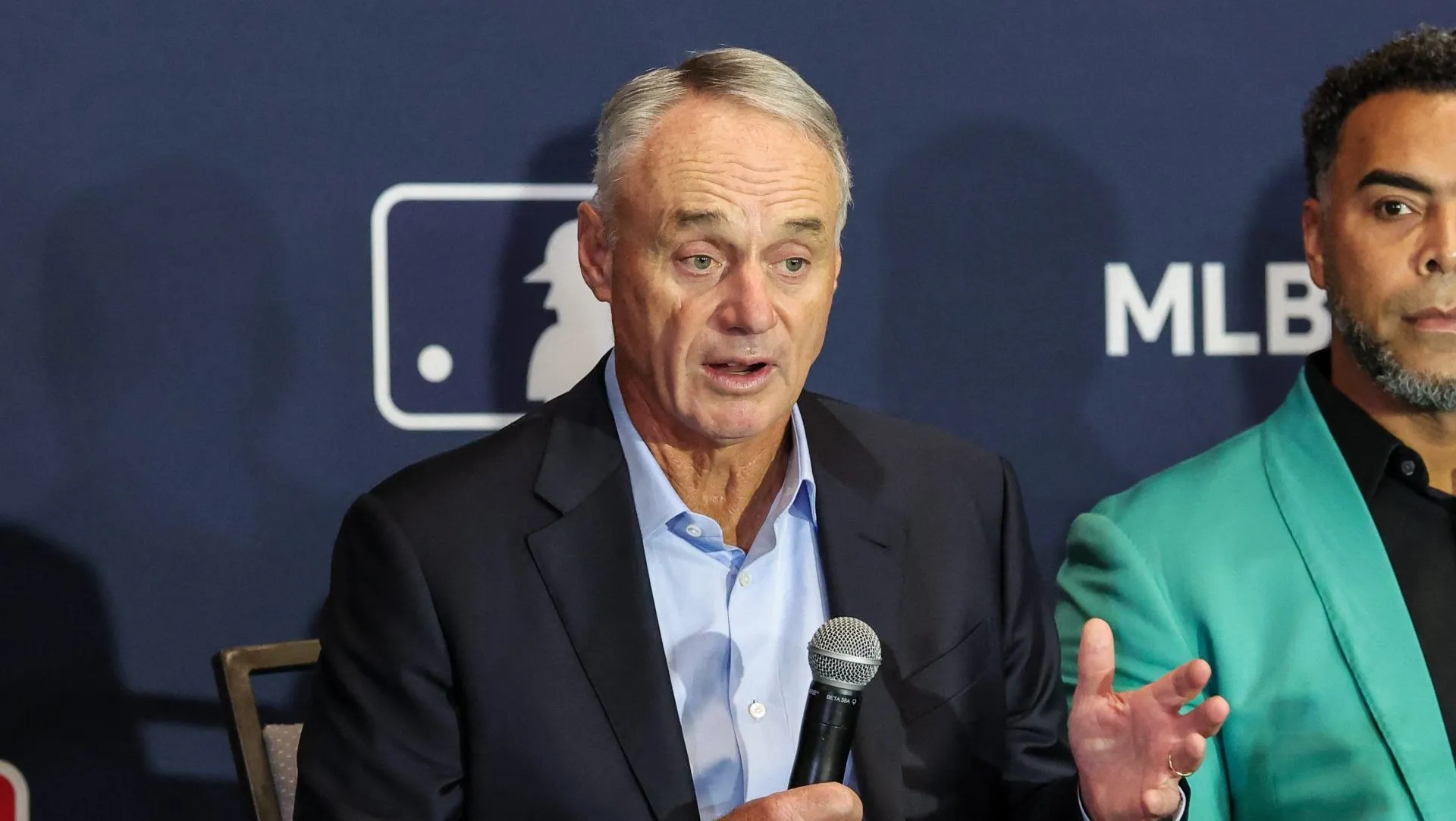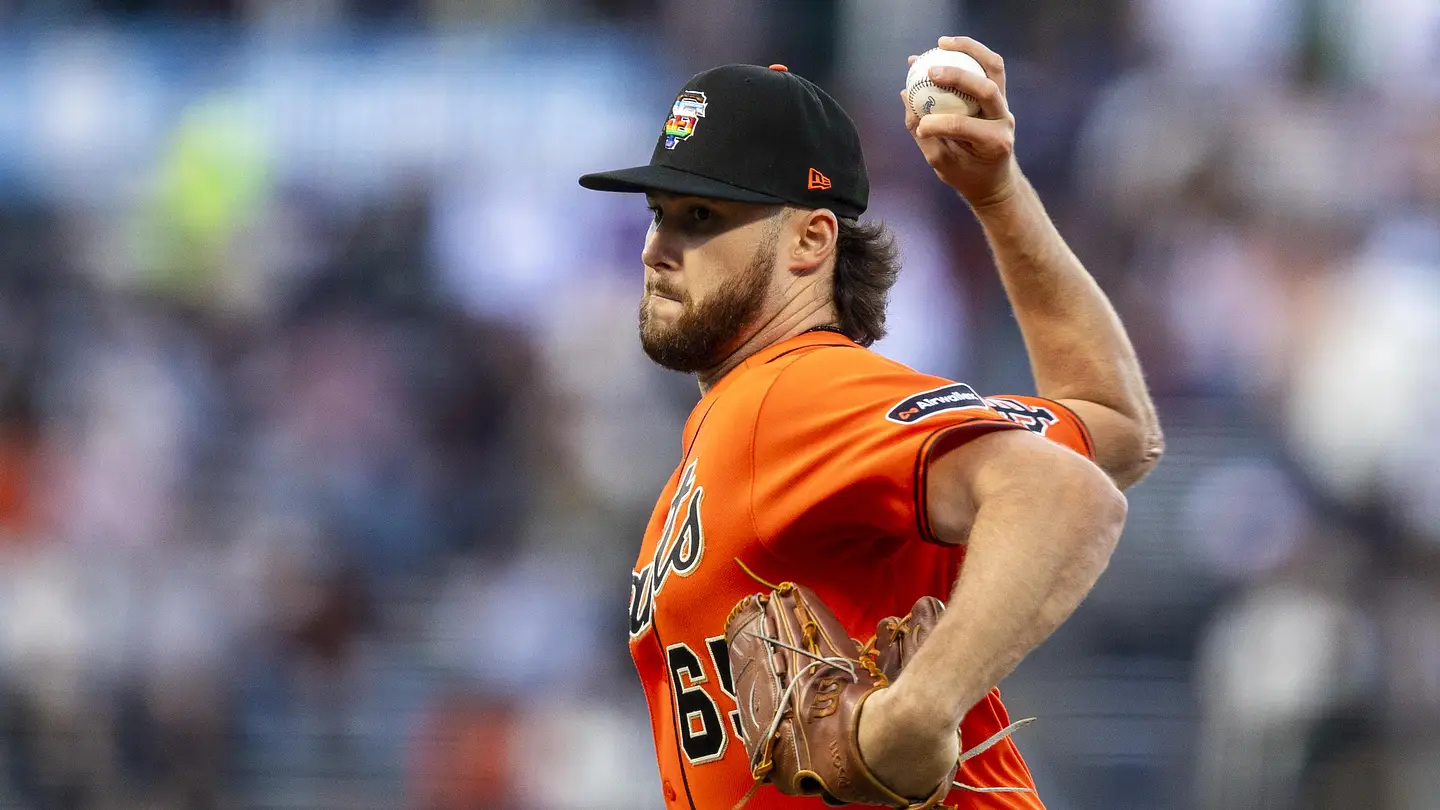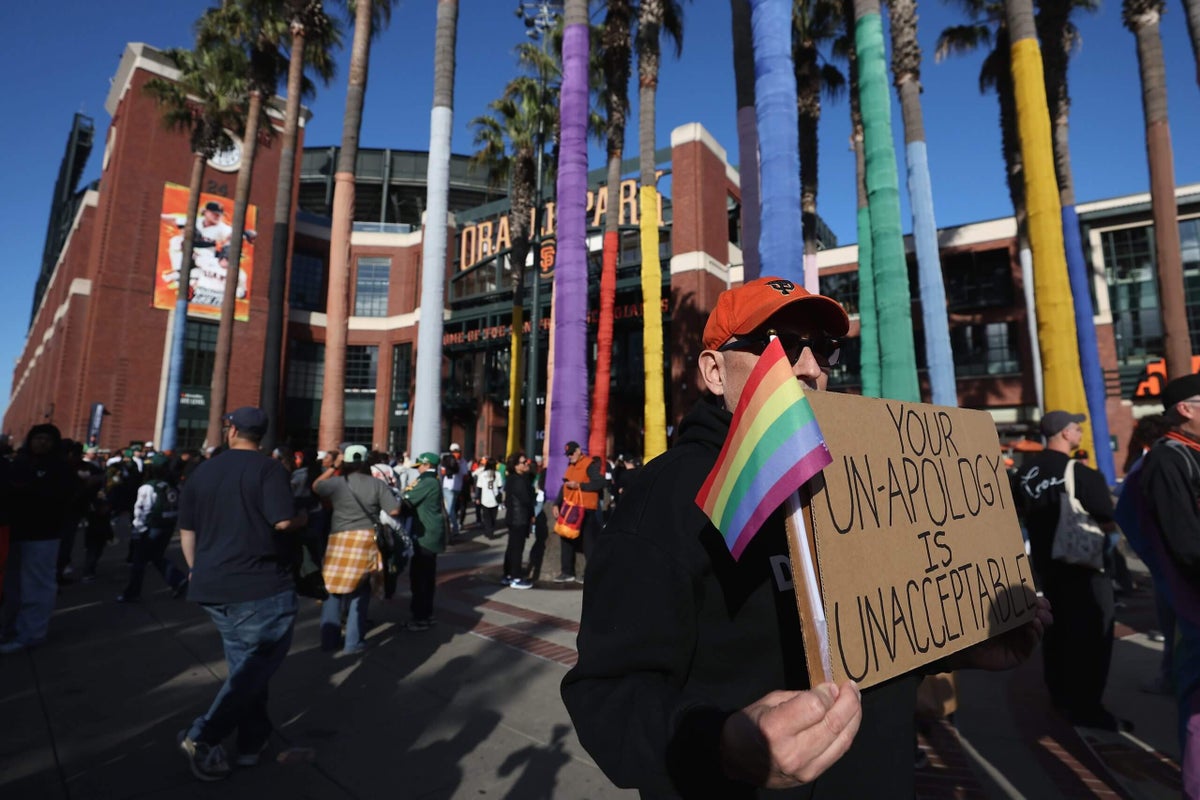
When he was Major League Baseball’s commissioner, Bud Selig publicly touted the league’s role in advocating for social change. Selig oversaw the retirement of Jackie Robinson’s number, the expansion of the league’s outreach to urban youth, and the establishment of LGBTQ+-supportive events.After retiring, Selig was asked whether MLB remained a pioneer in social change. “I would hope,” he replied in 2019, “because I believe baseball’s a social institution. I’ve said that, you’ve heard it a million times. It is a social institution. And therefore it should take a leadership role in items like this, no question.”Selig’s sentiment stands in stark contrast to the stance spelled out this week by his successor, Rob Manfred, amid a maelstrom of controversy after the league warned several San Francisco Giants players for writing Bible verses on their Pride-themed caps: “(T)he league does not desire for its players to become messengers for political or social issues while in uniform playing baseball games,” Manfred wrote in a letter, “because many messages have the potential to offend some segment of our fanbase — even if that was not the intent of the player.”The letter, which largely reiterated and defended MLB’s policies on altering uniforms, was sent to Sen. Josh Hawley (R-Mo.), who had accused the league of discriminating against players professing their Christian faith. Pitchers Landen Roupp, Ryan Walker and JT Brubaker scrawled references to Genesis 9 — in which a rainbow represents God’s promise to never again destroy all life in a flood — beside the rainbow-colored Giants logo on their caps. (A fourth pitcher, Sam Hentges, wore a regular Giants cap.) Florida’s attorney general is investigating whether MLB engaged in religious discrimination by selectively enforcing its uniform code. The Department of Justice referred the matter to the Equal Employment Opportunity Commission. The vice president tweeted about it, too.All of this — a baseball cap fanning the flames of a culture war — underscores the needle that MLB and other pro sports leagues are attempting to thread in the current political climate.“Every league, they’re just trying to ride it out,” said an executive in a Big Four sports league, who spoke on the condition of anonymity in order to speak freely on the subject. “Then in four or five years, they’ll all pretend that they’ve always been on board (with diversity initiatives).”As Pride Month comes to a close, the question becomes how MLB will move forward. Riding it out has been a turbulent strategy, if it can be considered one. Not so long ago, MLB went out of its way to highlight its commitment to the LGBTQ+ community. Today, that commitment is less clear, as what was once promoted as a priority for the league has become more politically fraught.While 29 of 30 MLB clubs still host Pride-themed events, the league in recent years quietly backed away from allowing most teams to use specialty uniforms and caps with rainbow insignias. That didn’t prevent the latest Pride Night controversy.An MLB spokesperson declined to answer a list of questions, including one asking whether the league still prioritized LGBTQ+-inclusion initiatives.In 2022, three Tampa Bay Rays players refused to wear rainbow logos on their caps and uniform sleeves. MLB later adopted a new policy that did not permit special uniforms, caps or equipment to be used on clubs’ designated celebration days — such as a Pride Night — to “avoid putting players or others in an uncomfortable position,” Manfred wrote. The Giants and Los Angeles Dodgers, clubs with longstanding ties to the LGBTQ+ community, were the only teams “grandfathered,” as Manfred wrote, under the condition that no one be required to participate.“MLB believes in the right of our players and fans to express their religious beliefs, and at the same time supports the communities in this country that are fans of our Clubs, including the LGBTQ community,” Manfred wrote in the letter to Hawley. “We believe that a policy permitting our Clubs to celebrate or honor segments of its fanbase, yet (that) does not require players or other on-field personnel to directly participate in the celebration in ways that make them uncomfortable, strikes the right balance.”An MLB spokesperson declined to comment on whether the league would restrict future use of the uniforms. Neither the Dodgers nor the Giants responded to questions about whether they’d continue using Pride-themed uniforms or caps. The Major League Baseball Players Association also declined to comment on the larger issue.MLB has 12 leaguewide “celebration days” in which the uniforms or hats are altered and all clubs must participate — including Mother’s Day, Father’s Day, Sept. 11, Jackie Robinson Day and Roberto Clemente Day, among others. Manfred’s letter indicates that will not change: “We are unaware of any significant complaints from fans or players regarding these celebratory days,” he wrote.
Amid Pride Night controversy, MLB grapples with the road ahead
MLLB's commitment is less clear, as what was once promoted as a priority for the league has become more politically fraught.
2,299 words~10 min read