Show Caption
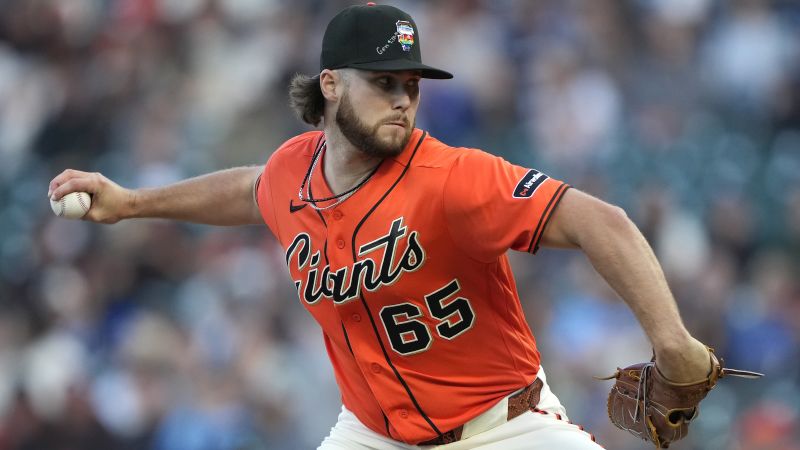
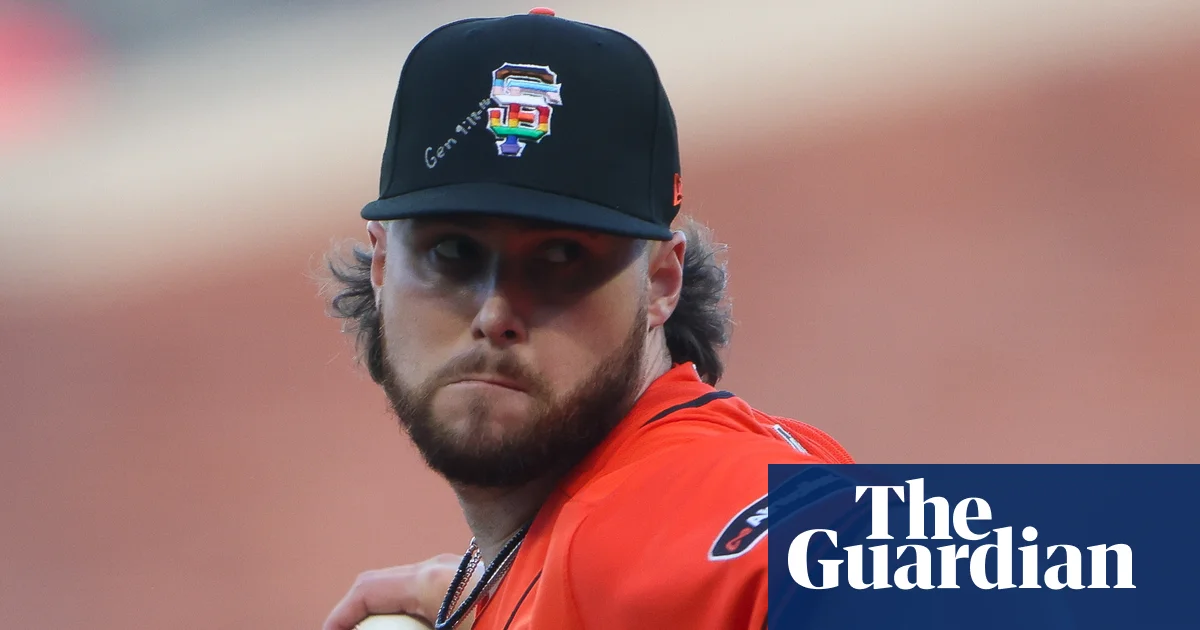
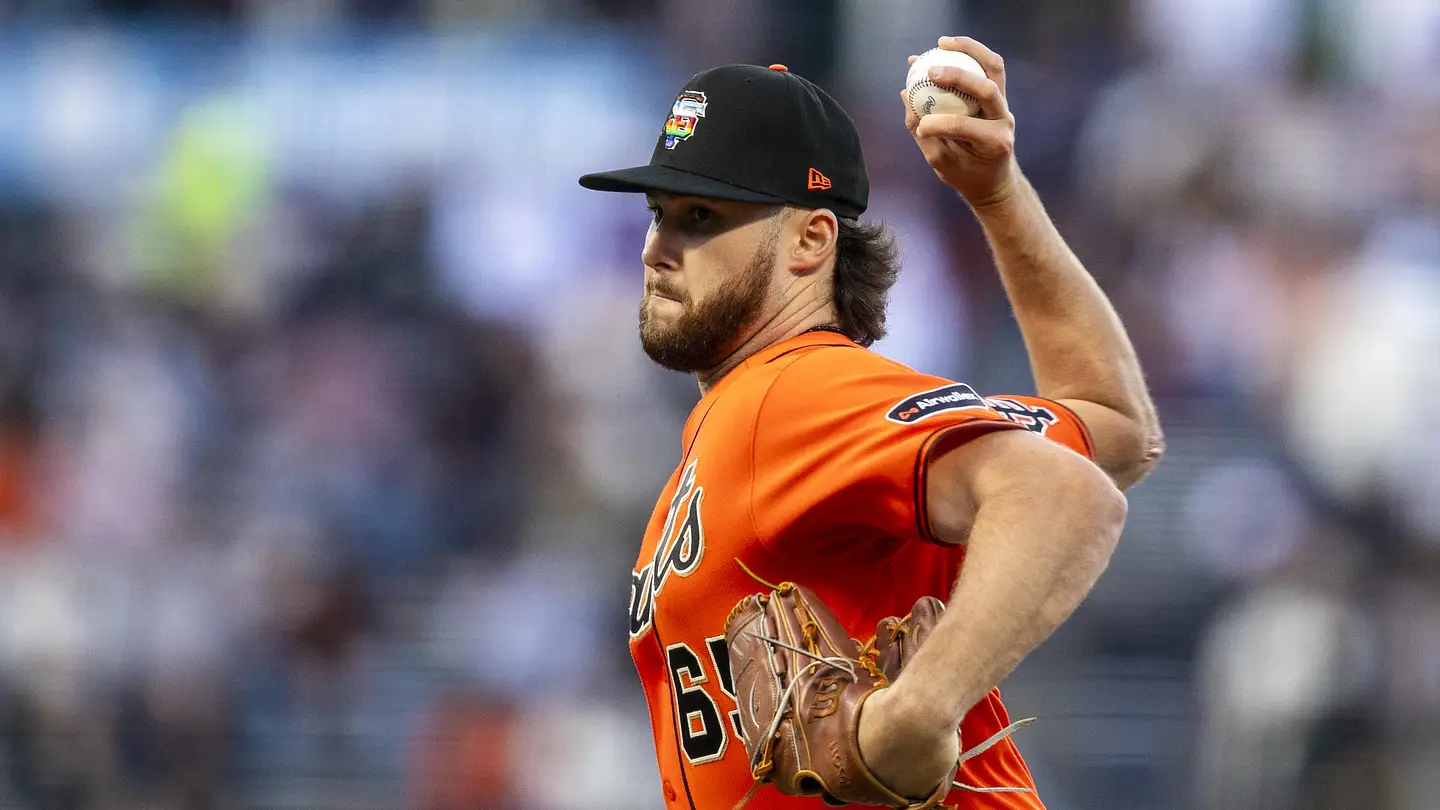
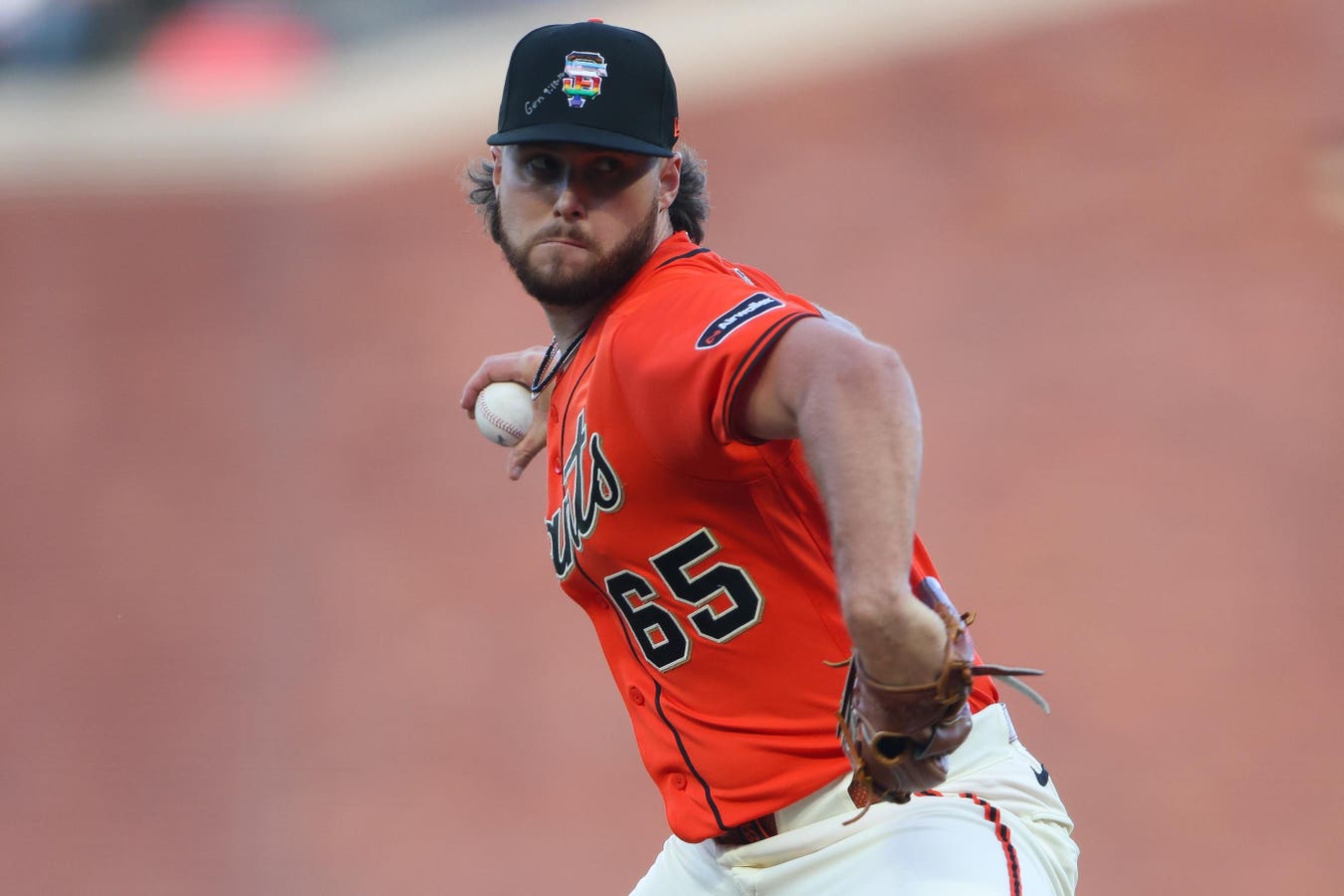
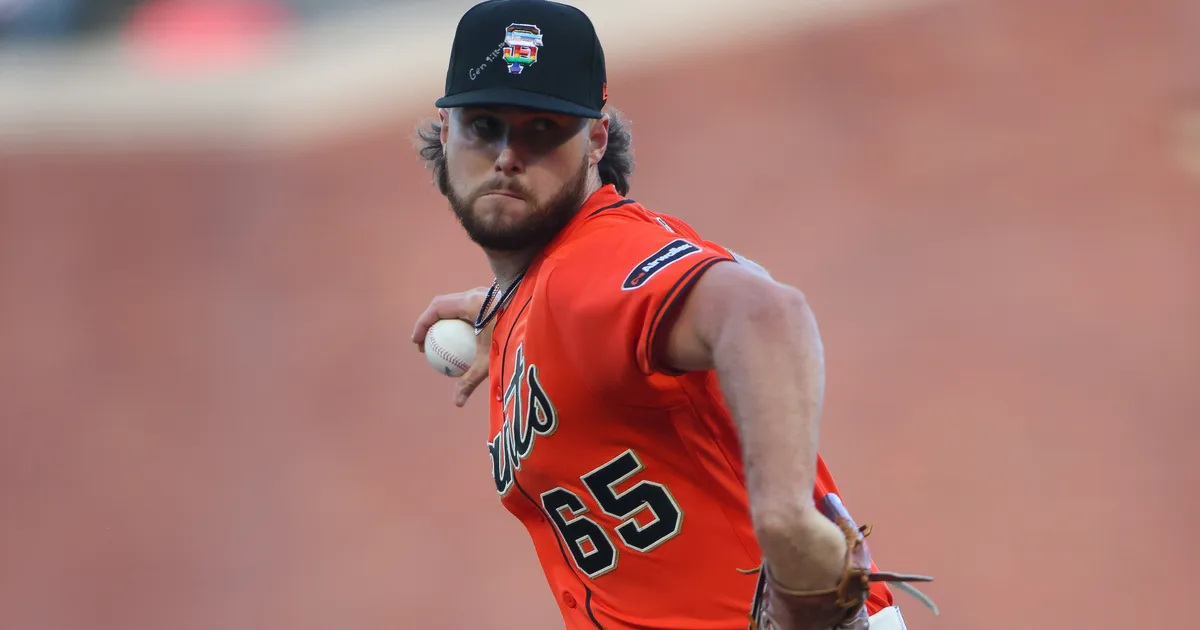
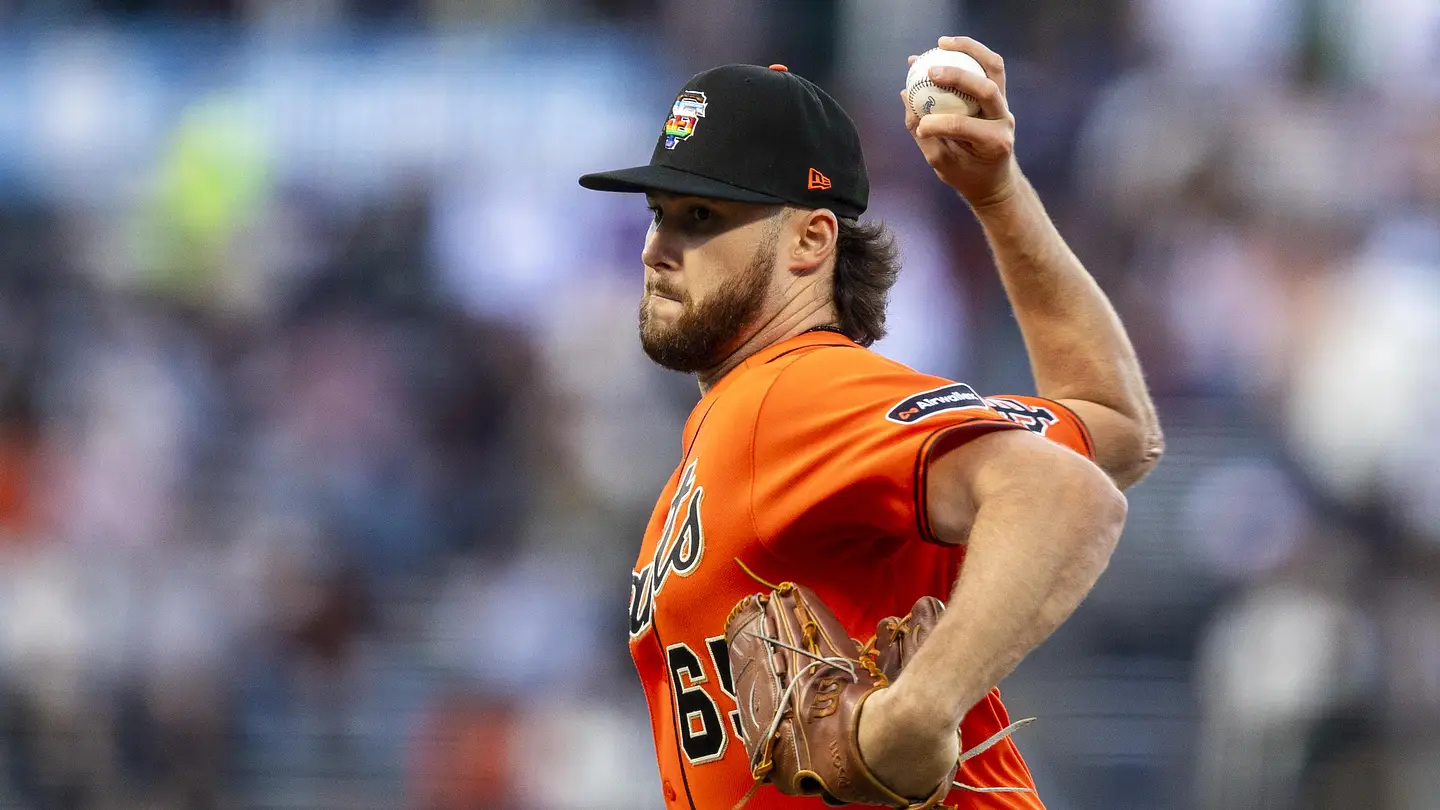
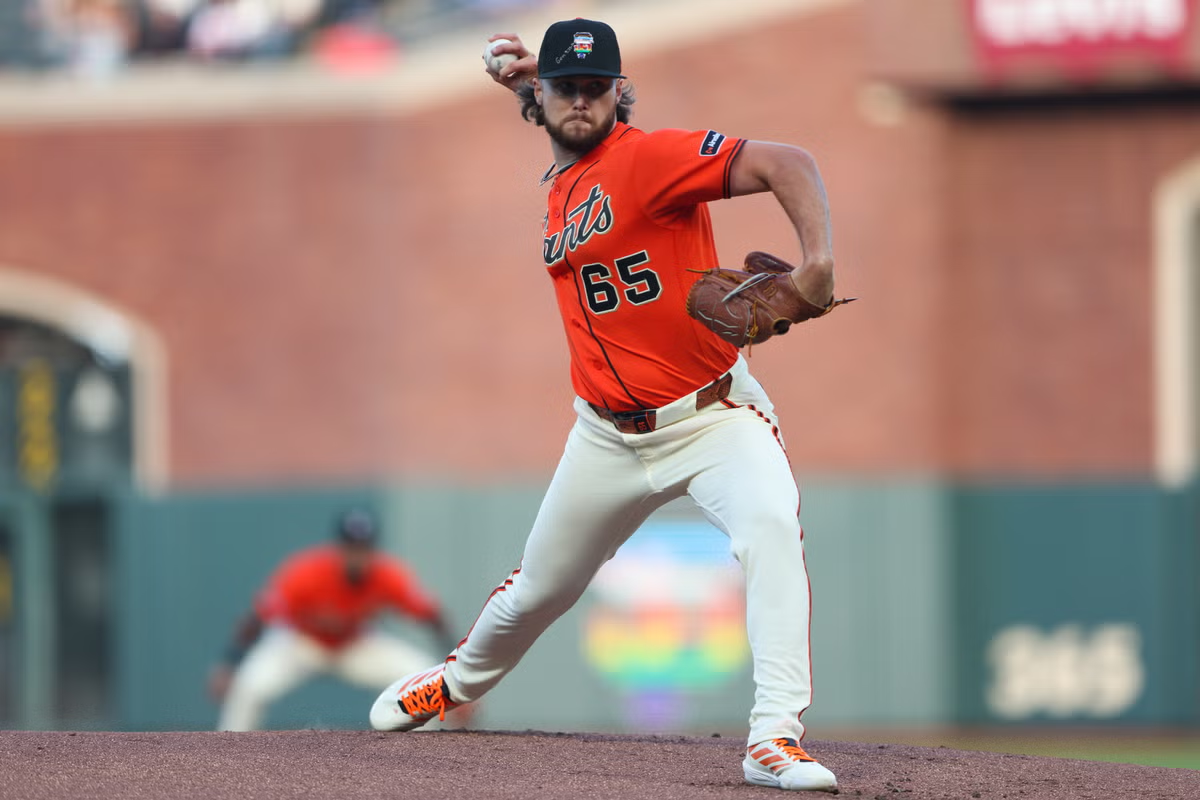
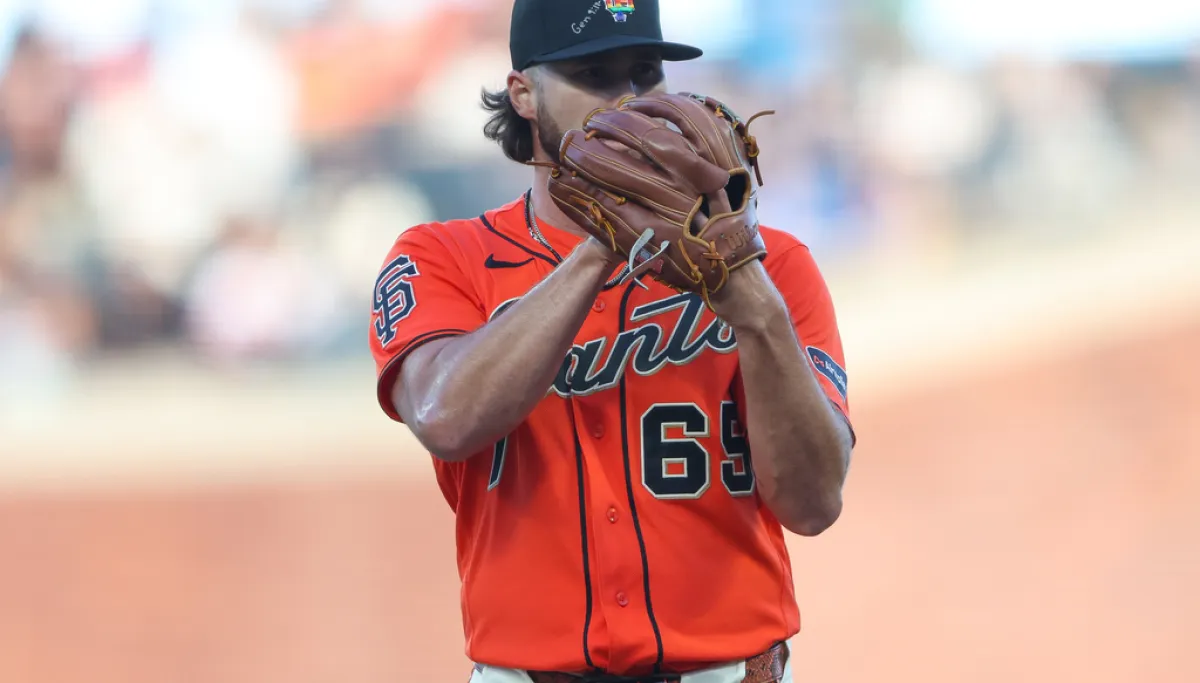
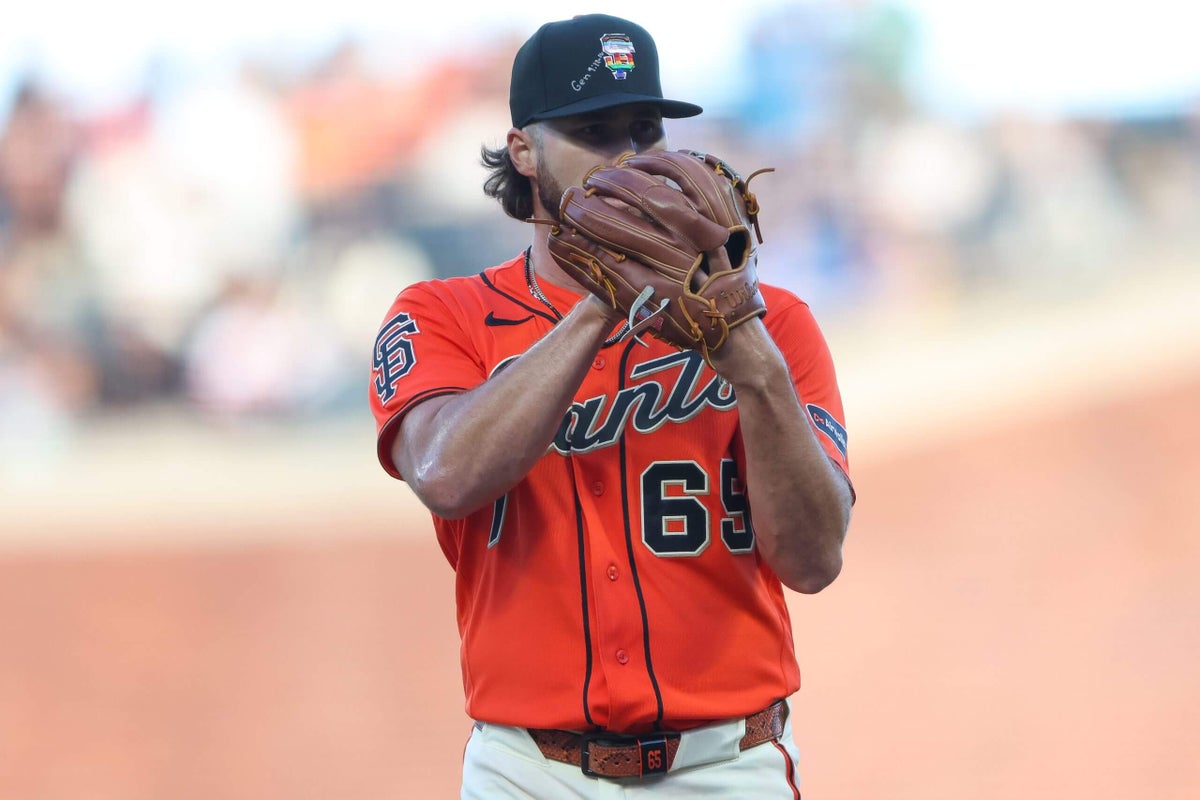
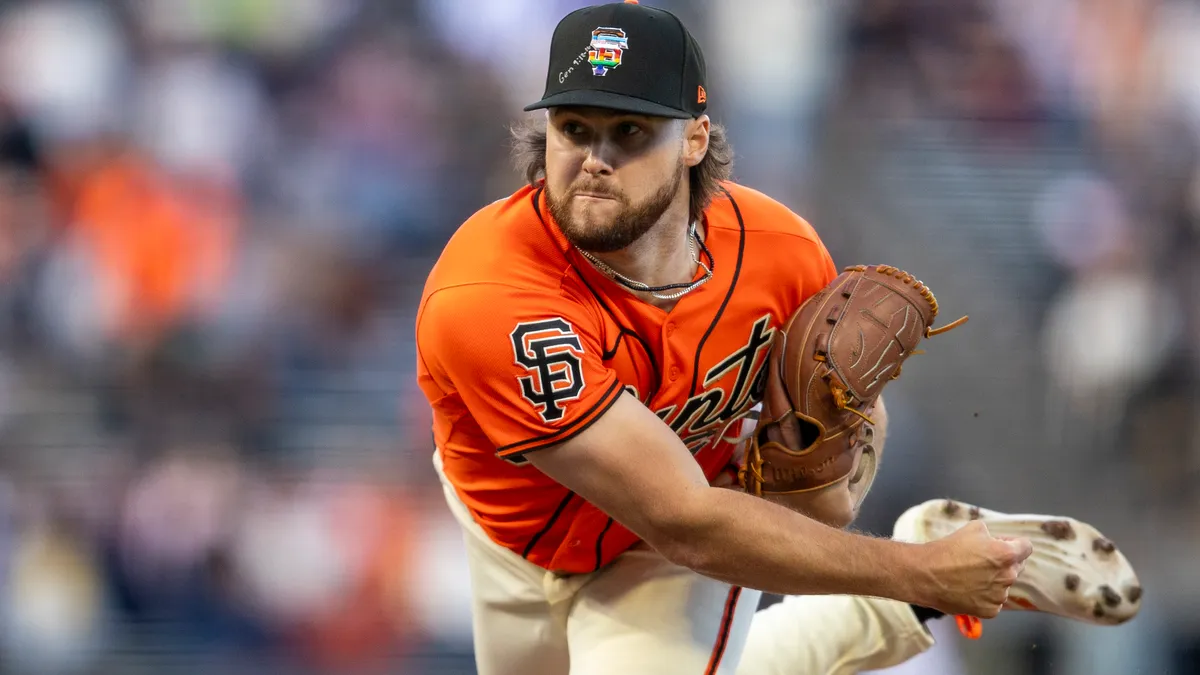
Major League Baseball's warning to several San Francisco Giants pitchers who wrote Bible verses on their Pride Night caps is fueling online debate about the limits of free expression in professional baseball.Three Giants pitchers – Landen Roupp, JT Brubaker and Ryan Walker – wore the cap with a Bible chapter and verse written alongside the logo at the team’s May 12 game against the Los Angeles Dodgers. In the passage from Genesis, God vowed to never again flood the Earth and declared the rainbow to be a symbol of his covenant with all living creatures.Pitcher Sam Hentges opted to wear the Giants’ regular cap instead of the Pride cap. He later told reporters that wearing the Pride cap was "just something that I feel like I was forced to support when I don’t morally support it," according to ESPN.Several government officials have chimed in on the matter. In response to a news article about MLB’s warning, Vice President JD Vance wrote in a June 16 X post, "Trump won we don’t have to do this anymore."Democratic California state Sen. Scott Wiener, on the other hand, alleged that "MAGA leaders are only taking issue with enforcement of the rule against homophobic defacement, not any other form of defacement" and expressed his view that the matter "isn’t an issue of religious freedom.""MLB must hold firm in enforcing its rules. And the Giants must do better," Wiener wrote in a June 16 X post. "There cannot be a homophobia exemption to the MLB uniform defacement ban."Is the controversy a First Amendment issue? Not according to experts who talked to USA TODAY. Here's what to know.What has the MLB said?The league said the players were warned, in line with its policy, that such writing violates its uniform regulations. Players are given a warning for a first offense and face disciplinary action for a second."To be clear, this routine verbal warning not to wear the hat in future games is not disciplinary and had absolutely nothing to do with the content of the message," the MLB said in a later statement shared with USA TODAY. "We respect players’ right to free expression."It said the league’s uniform rules ban "writing of any kind, with any message" on apparel or equipment and that it issued similar warnings in the past for written messages including "Happy Mother’s Day" and "Dad."Is MLB bound by the First Amendment?No. Only the government – whether at the local, state or federal level – is bound by the First Amendment. It says the government "shall make no law respecting an establishment of religion, or prohibiting the free exercise thereof; or abridging the freedom of speech, or of the press; or the right of the people peaceably to assemble, and to petition the Government for a redress of grievances."The MLB is a private entity that has its own First Amendment rights."MLB’s decision to communicate certain messages through branding or events would itself be First Amendment-protected speech," Aaron Terr, director of public advocacy at the Foundation for Individual Rights and Expression, told USA TODAY.Is the MLB bound by other laws related to speech or religious expression?Yes. Even private companies and other entities are required to comply with both state and federal antidiscrimination laws, which recognize religion as a protected category.Why are Missouri officials getting involved?Religious discrimination concerns have prompted Missouri officials to get involved in the matter.Missouri Attorney General Catherine Hanaway, whom Republican Gov. Mike Kehoe appointed in August, sent a letter to MLB Commissioner Robert Manfred on June 17 that asked the league to confirm whether players would face disciplinary action for either not wearing the Pride caps or writing Bible verses on them."If you fail to respond to this letter and provide the requested confirmation, I will open an investigation to determine whether MLB is violating the religious liberty rights of players and employees in Missouri," Hanaway wrote, giving the league a June 25 deadline.The letter referenced the Civil Rights Act of 1964 and a Missouri law prohibiting religious discrimination in employment.Hanaway’s office told USA TODAY on June 17 that it "eagerly await(s)" MLB’s response and reiterated its intent to initiate an investigation if there is no response."Missouri law empowers the Attorney General to root out such discrimination, and being one of seven states with two MLB teams, Attorney General Hanaway is especially concerned with the reports she has seen," spokesperson Colbey Stosberg said.U.S. Sen. Josh Hawley, R-Missouri, also sent a letter to Manfred along the same lines. He asked for the league to provide him with information including a list of "every instance over the past five seasons in which the league warned, fined or otherwise disciplined a player or club" under its uniform regulation, as well any policies and directives related to the Pride Night apparel.Hawley called MLB’s assertions that its uniform policy is content-neutral "dubious," going on to accuse the league of "openly promoting a political viewpoint and possibly compelling adherence to that viewpoint."Are antidiscrimination concerns valid?Experts were skeptical. Private employers are free to establish and enforce uniform policies as they see fit, they said, and religious discrimination claims are moot if players could opt out of wearing Pride apparel."If there’s any kind of a claim, which I have serious doubts about, it is completely irrelevant if they weren’t required to wear these caps," Duke University law professor Richard Katskee told USA TODAY.Terr said there would be greater free speech concerns if the MLB sought to restrict players’ religious expression outside of work."It seems here that that’s not the case," he said. "I don’t see any indication the players aren’t free to engage in the same sort of speech when they’re off the field, so I think that’s a good thing."USA TODAY reached out to MLB, the San Francisco Giants and the California Attorney General’s Office for comment.Contributing: Kristie Ackert, USA TODAYBrieAnna Frank is a First Amendment reporter at USA TODAY. Reach her at bjfrank@usatoday.com.USA TODAY's coverage of First Amendment issues is funded through a collaboration between the Freedom Forum and Journalism Funding Partners. Funders do not provide editorial input.