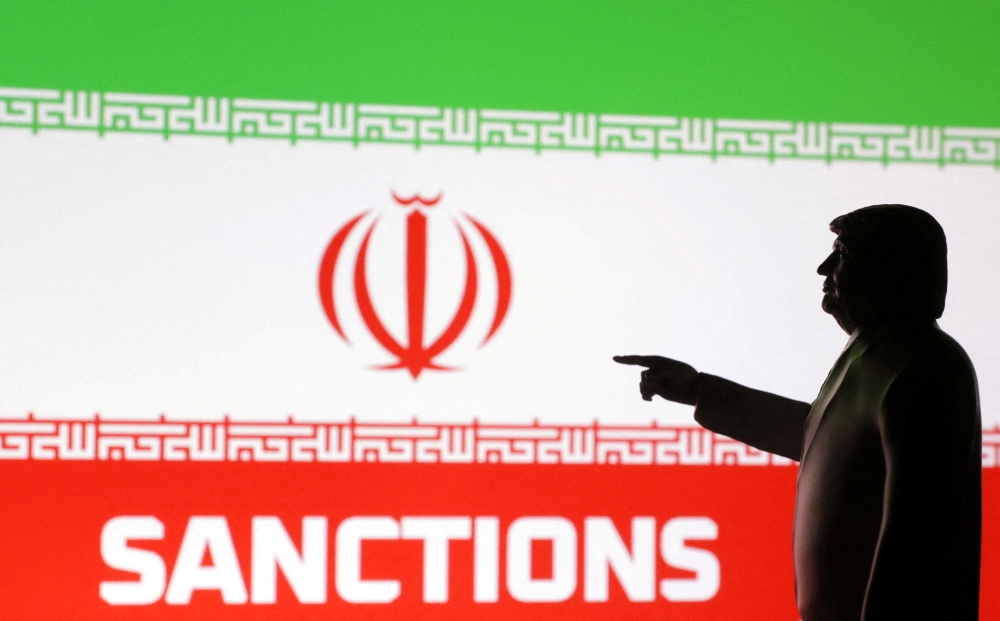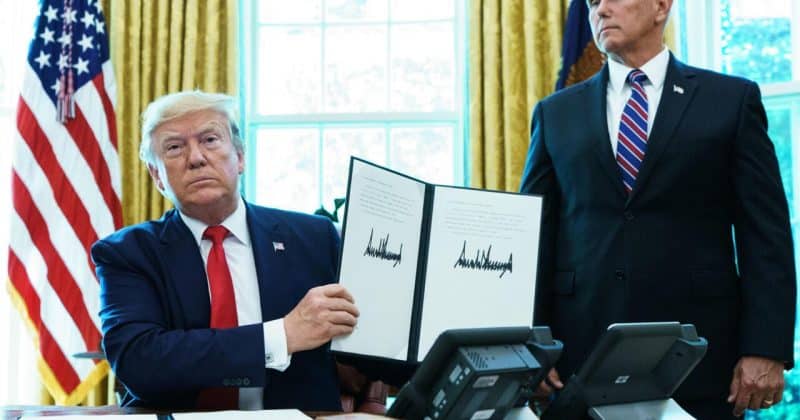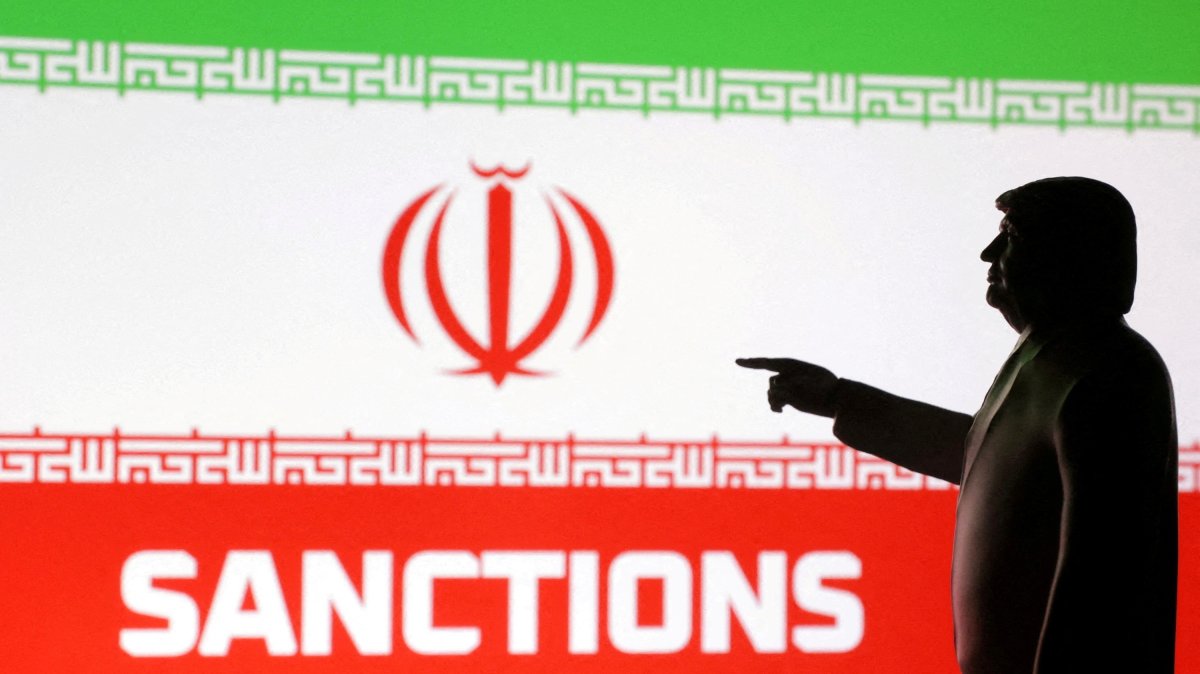
Tehran could potentially gain billions of dollars from a 60-day reprieve from U.S. sanctions announced earlier this week, but unwinding more than 40 years of broad restrictions poses legal, political and commercial challenges that could take years.
At issue is whether an interim U.S. deal with Iran can translate into lasting economic relief, given the complexity of dismantling a sanctions regime that spans U.S. law, international measures and private-sector risk concerns.
The U.N., the U.S. and the European Union have imposed sanctions and trade embargoes and have frozen assets since the late 1970s over Iran's nuclear program, human rights violations and support for armed groups around the region.
Under a 14-point memorandum of understanding signed by the U.S. and Iran last week, Washington is to start abolishing all types of sanctions using a schedule to be forged in a final deal within 60 days, a period that can be extended.
On Monday, the U.S. Treasury issued a temporary general license allowing the production, delivery and sale of crude oil and petrochemical and petroleum products of Iranian origin through Aug. 21.