(Getty Images Bank)
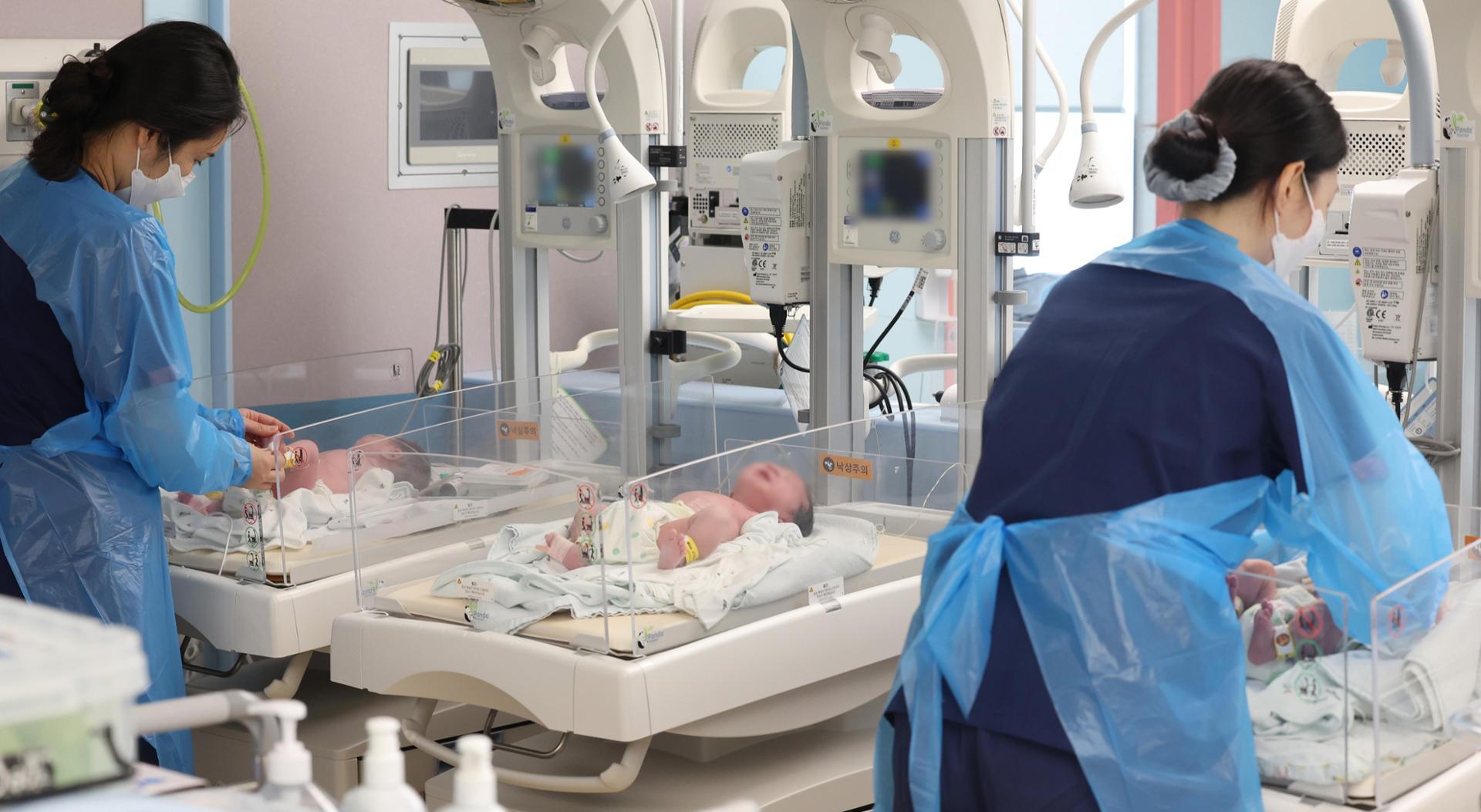
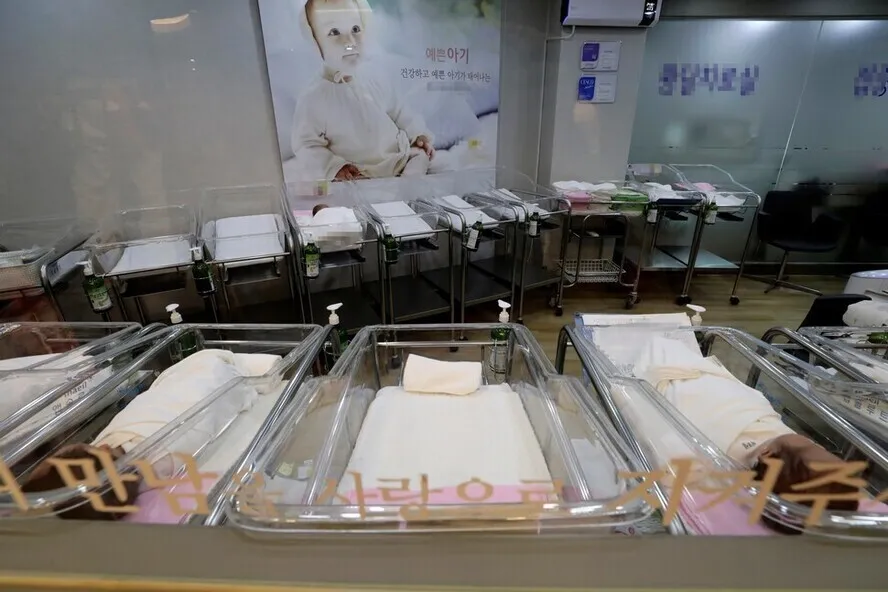
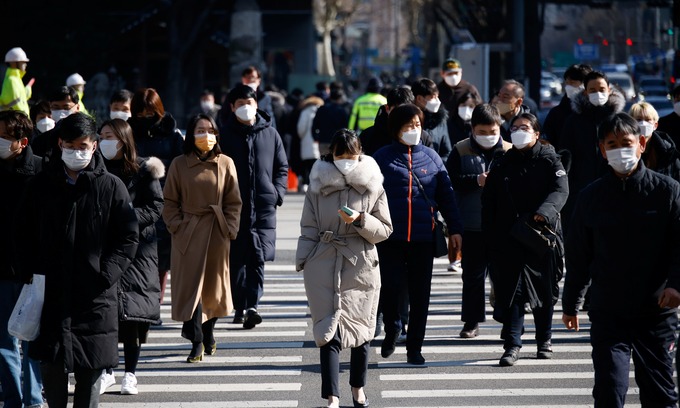
About half of workers at small and medium-sized enterprises (SMEs) and small business owners in South Korea have no plans to have children, according to a new survey, reflecting concerns over the difficulty of balancing work and family life amid economic uncertainty and job insecurity.The findings come from a report on attitudes toward having and raising children among SME employees and small business owners released by the Korea Federation of SMEs on Monday. The online survey, conducted from June 2 to 8, polled 600 respondents, including 300 SME employees and 300 small business owners.Among SME workers, 51.0% said they did not plan to have children. The figure was nearly identical among small business owners at 50.7%.Financial pressures emerged as the biggest barrier to having and raising children. Nearly two-thirds (64.3%) of SME employees cited housing, childcare and education costs as their greatest concern. Other major challenges included balancing childcare and work responsibilities (54.3%) and gaps in childcare services and support infrastructure (42.7%).Small business owners likewise identified financial burdens as their top obstacle, with 58.7% citing costs as a major concern. Many also pointed to the difficulty of managing both childcare and business operations (45.0%) and the lack of adequate childcare support (38.7%).Respondents said balancing work and family life was far more difficult for SME employees and small business owners than for workers at large corporations or public institutions.Among SME employees, 85.0% said combining work with starting a family was more challenging than it was for workers at larger companies. The most commonly cited reasons were workplace cultures that make it difficult to take advantage of parental/childcare leave programs (63.5%) and the burden placed on employers and coworkers owing to the difficulty of hiring a temporary replacement (46.7%).Similarly, 81.7% of small business owners said balancing work and family responsibilities was more difficult for them. Their biggest concerns were disruptions to business operations (72.7%) and the risk of reduced sales and income (58.8%).The survey also found low utilization of family-friendly workplace policies. Only 24.7% of SME employees said it was easy to use work-family balance programs at their current workplace. Among those who found the programs difficult to access, 84.0% cited concerns about increasing the workload of colleagues and managers.Respondents called for stronger government support to help address these challenges.Among SME employees, expanding financial assistance was the top policy priority, selected by 52.0% of respondents. This was followed by expanding programs including parental and childcare leave (39.7%) and increasing housing assistance (31.7%).Small business owners, meanwhile, prioritized tailored childbirth and childcare support for small-business operators (44.3%), expanded financial assistance (42.0%) and measures to help businesses cope with hiatuses caused by responsibilities associated with having and raising kids (41.3%).By Yi Ju-been, staff reporterPlease direct questions or comments to [english@hani.co.kr]