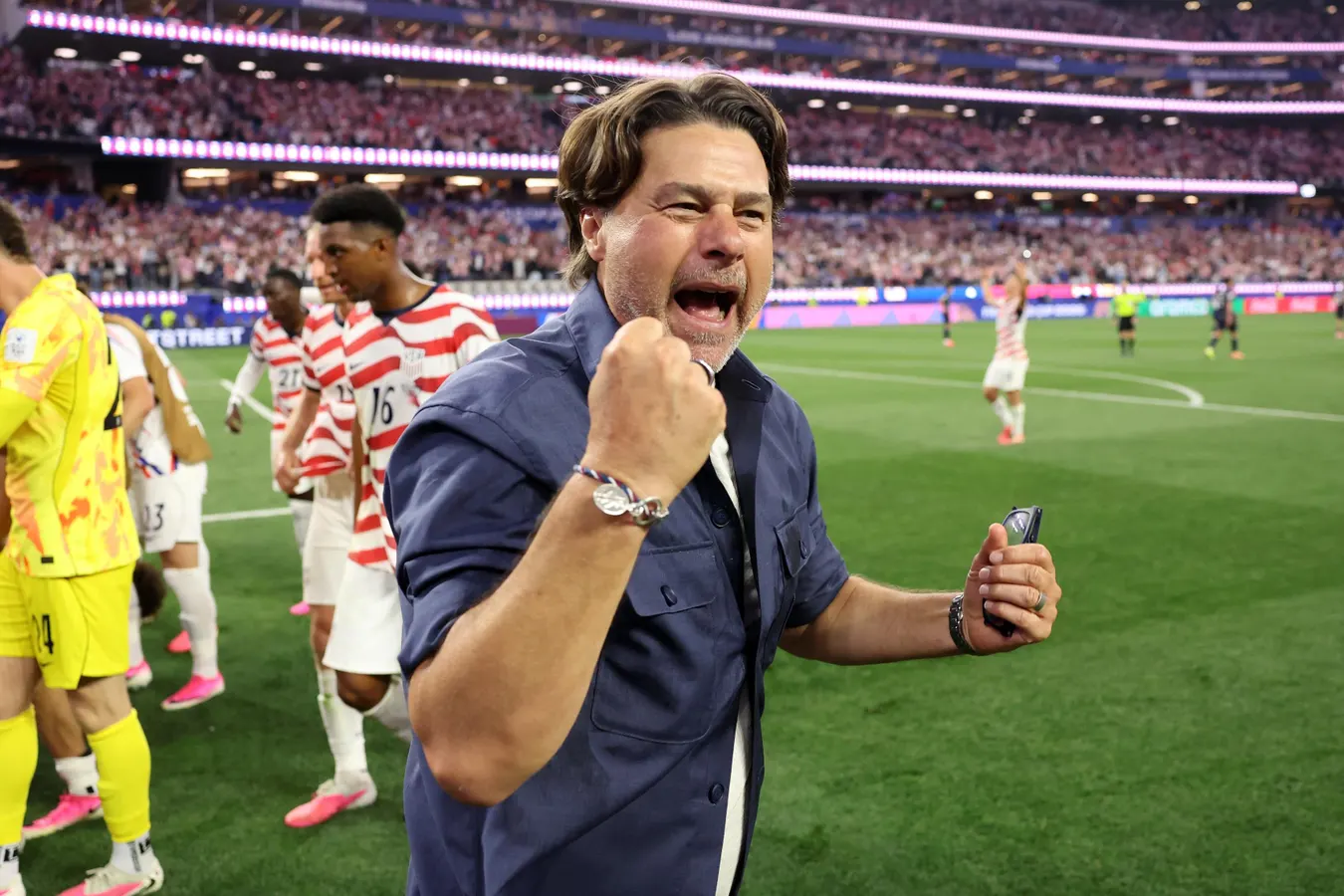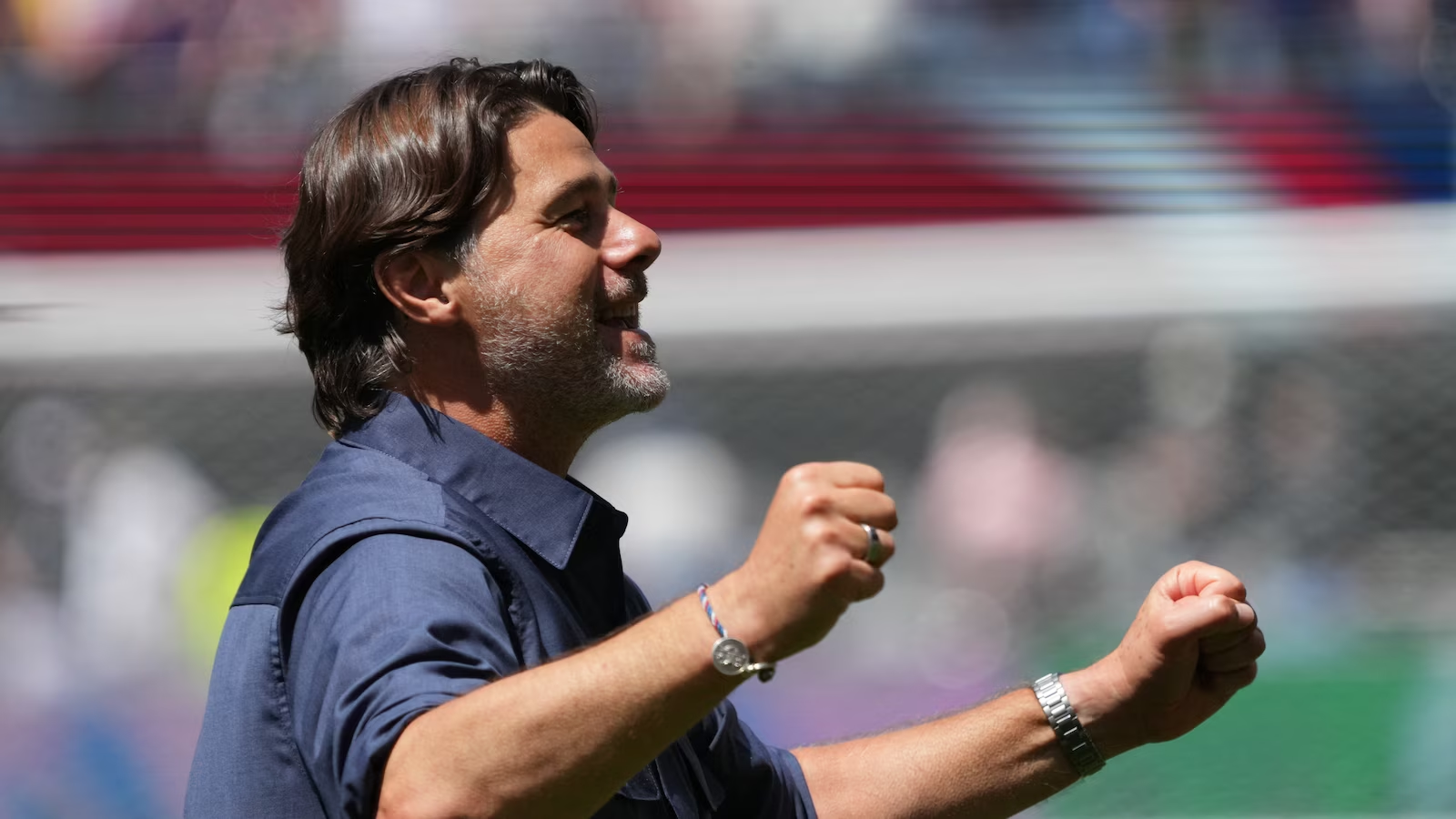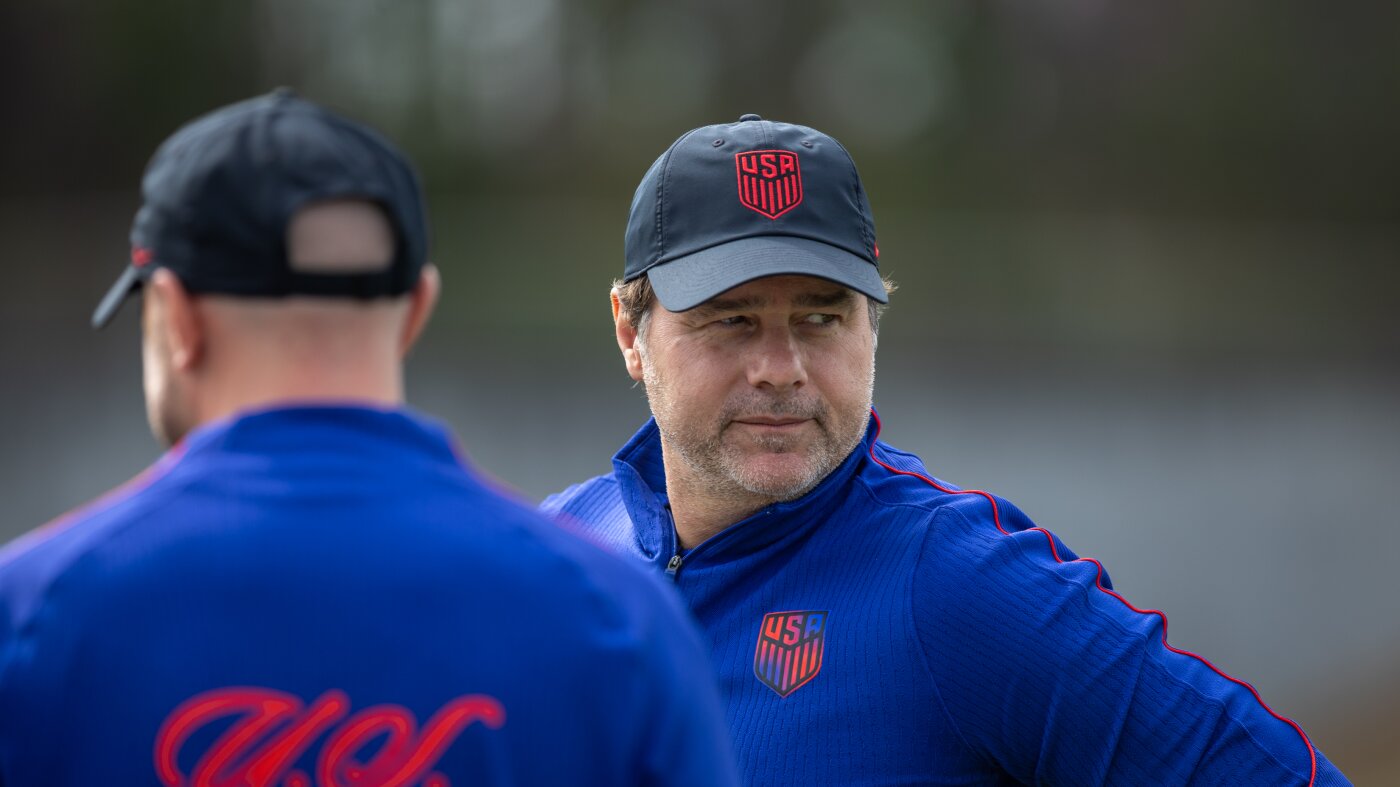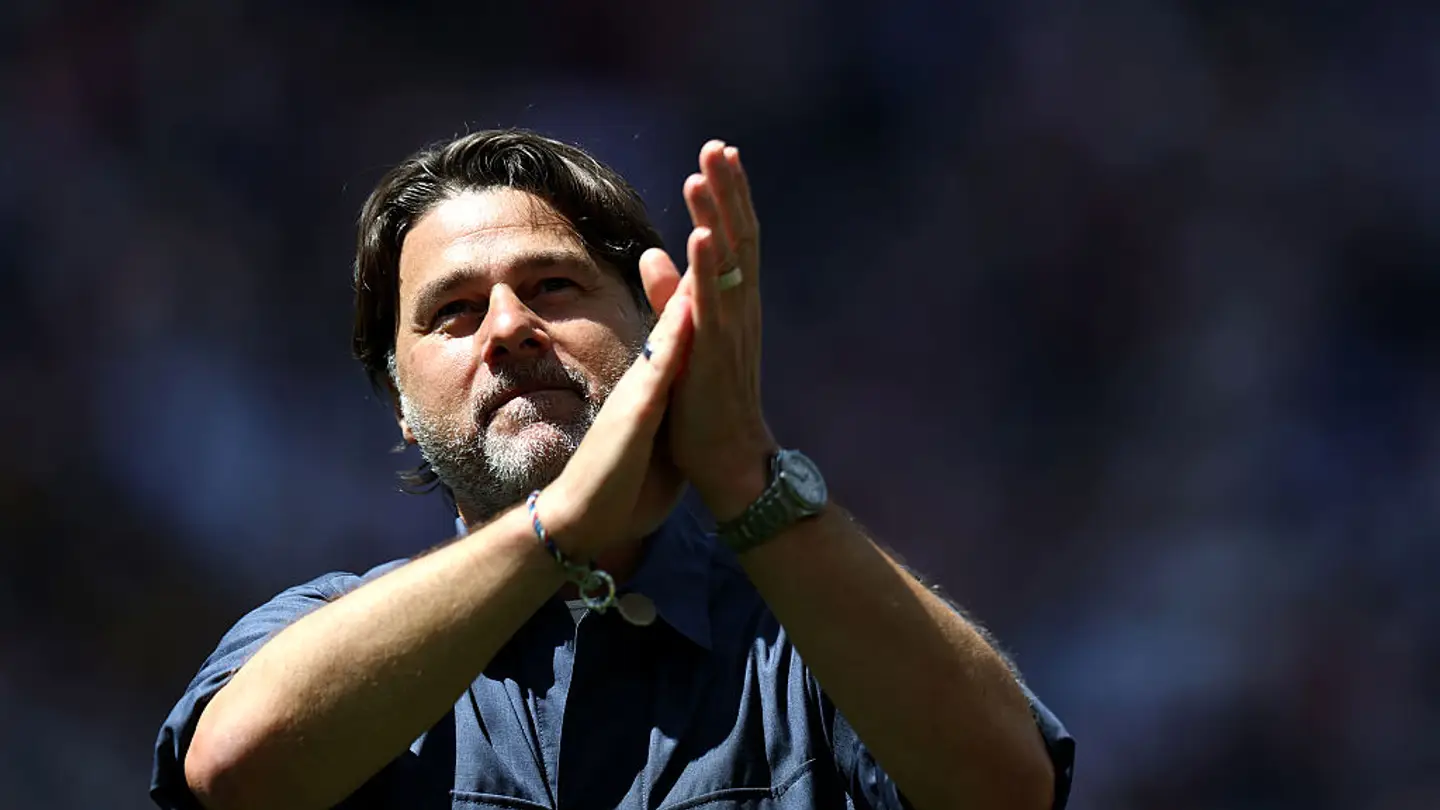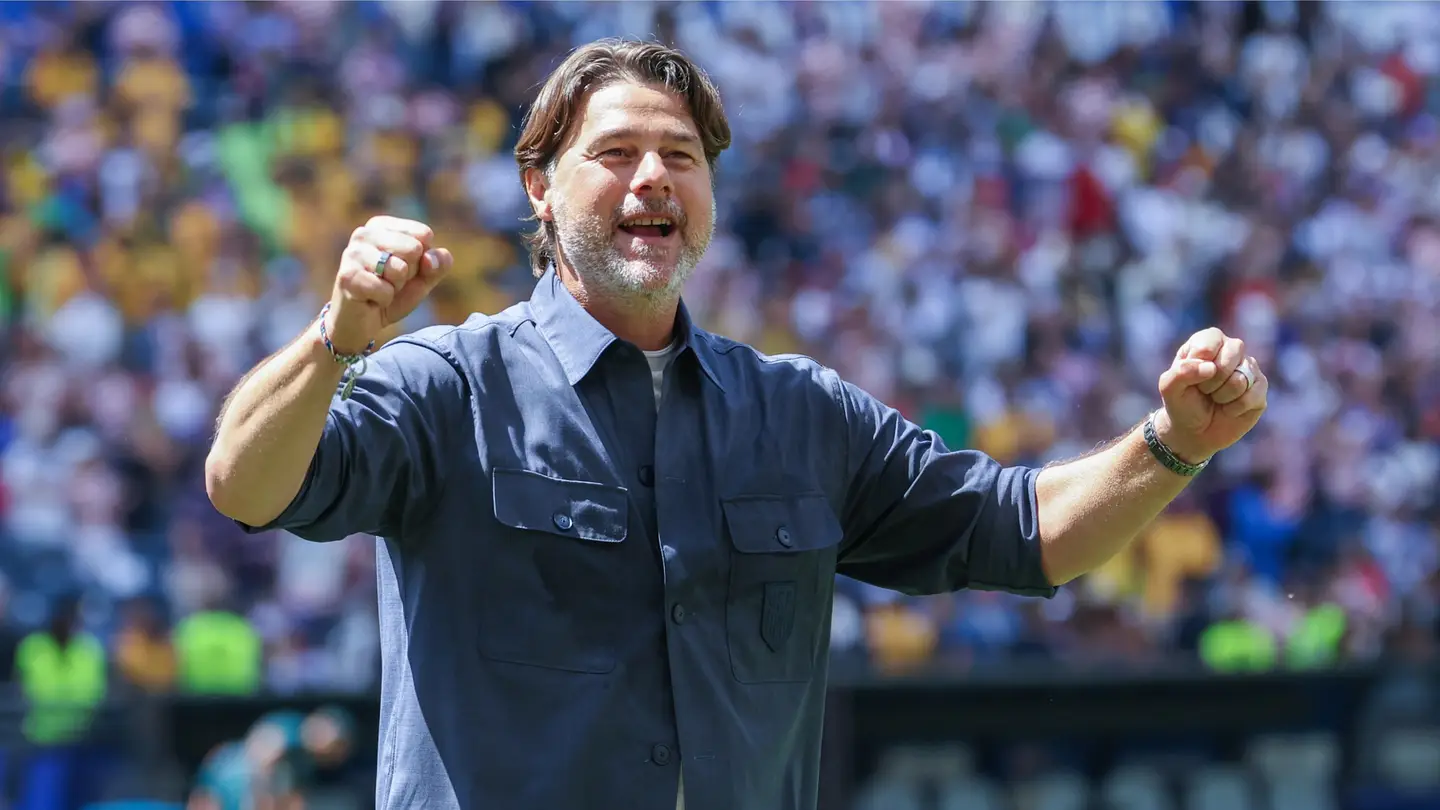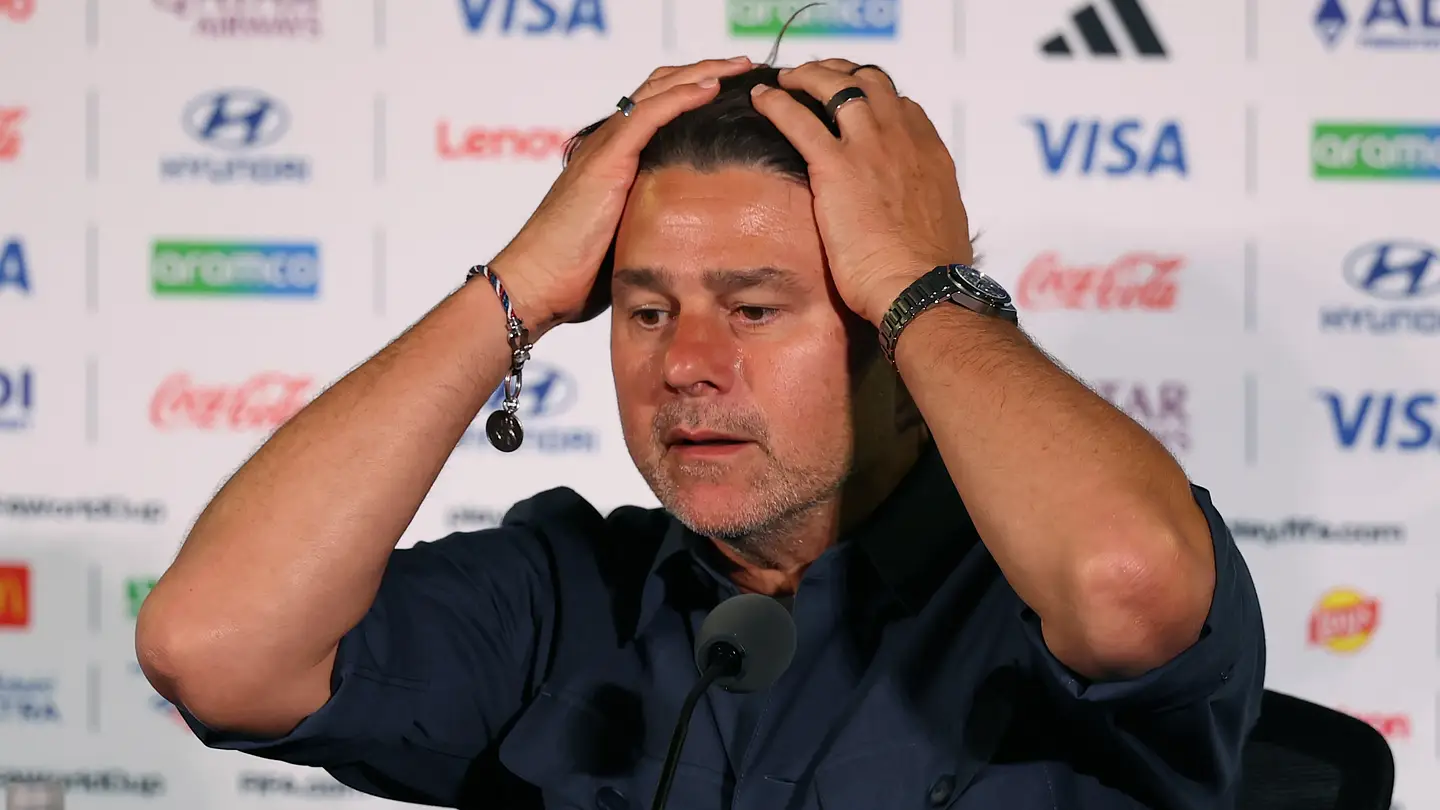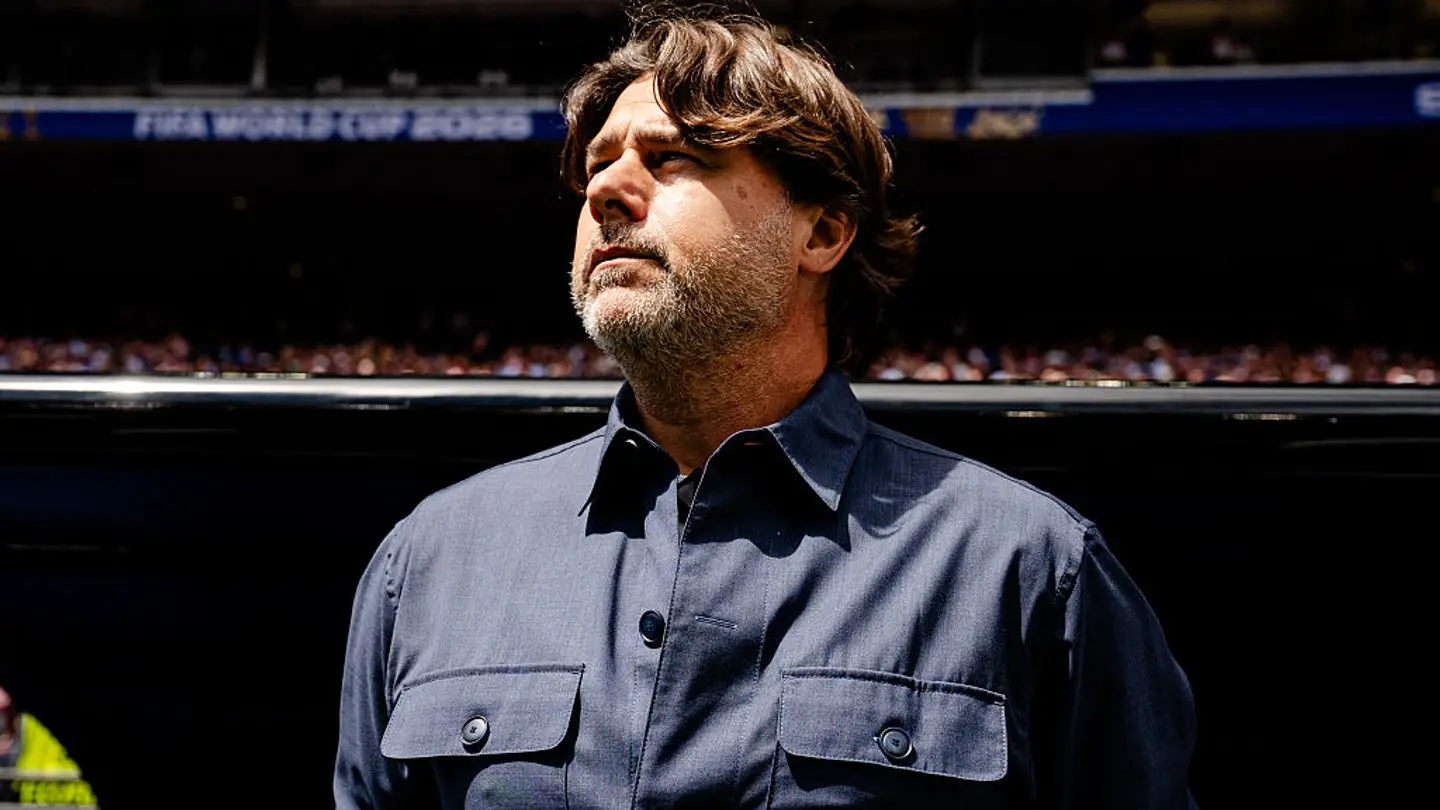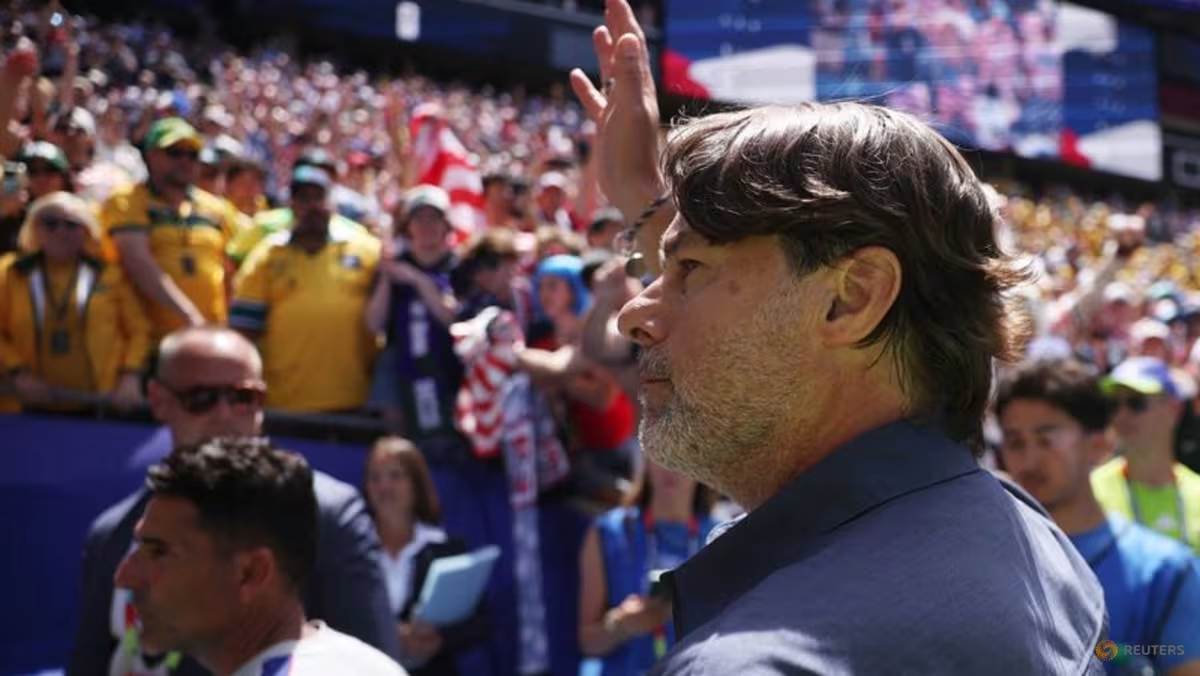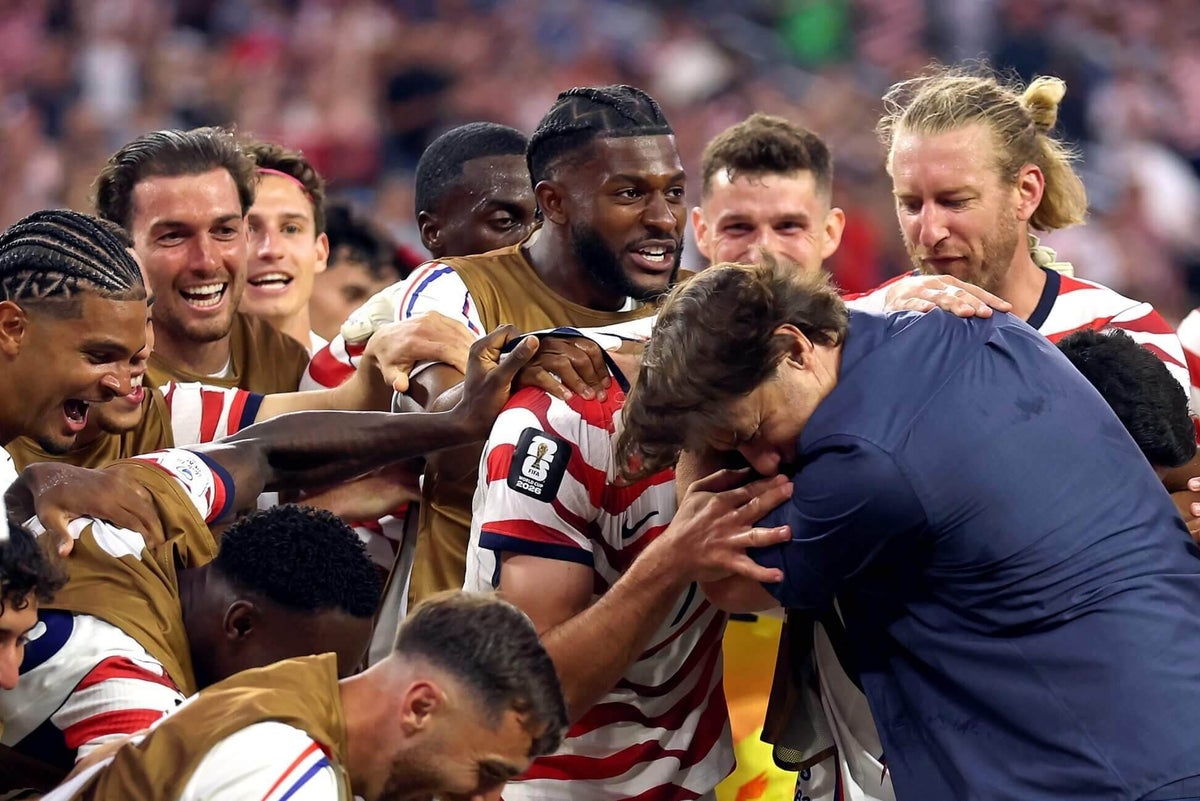
DANA POINT, Calif. — The words on the wall behind United States men’s national team coach Mauricio Pochettino are reminders of the belief he has tried to instill into his team.“Why not U.S.” it says in large letters behind him. Within those letters, and all around them, are also the handwritten messages Pochettino uses to inspire himself, his staff and his team.“The right mindset can change a game before it starts,” one reads.“When people believe in each other, impossible dreams become possible. Thank you for being more than a team. For being a family,” says another.“Heart turns effort into belief, and when everything hurts, heart keeps us fighting together.”The words behind him — and the bowl of lemons sitting in front of him, which manifest his belief in “energia universal”, a higher form of energy that people can harness if they open their minds — are a reminder of the mantras that matter to Pochettino. This U.S. team’s ability to absorb and embrace them have led to early success in this World Cup, with a 4-1 win over Paraguay and a 2-0 victory against Australia prompting belief in those “impossible dreams”.It’s also why the restless nights Pochettino had as an Argentina player at the 2002 World Cup haven’t been replicated as a coach 24 years later.“I was so nervous when I was a player that played in Japan against Nigeria with Argentina, it was difficult to sleep the night before,” Pochettino told a group of reporters on Tuesday evening at the team hotel in Southern California, where his office balcony overlooks the Pacific Ocean. “So difficult. But now, it was the opposite before our first game.“I felt so confident because I said, ‘The players are going to perform.’ We (the staff) were talking (about how we were) so relaxed. Because when you feel that the energy is good, it’s right, everything is perfect, (you) say: ‘No doubt they are going to perform.’ And when you are convinced, (you have) this feeling that says: ‘Easy. You don’t need to motivate, you don’t need to talk, you don’t need to do nothing, because they know what they need to do.’“And I think that is why I sleep so well, and (why) we were so relaxed.”It was not always this way for Pochettino.The Argentine coach admitted that the U.S. job was more of a rebuild than he anticipated when he signed his contract in 2024. He arrived to a program that was in need of change after being eliminated from a Copa América on home soil in the group stage. But Pochettino saw a highly-talented roster, an ambitious federation and a home World Cup and assumed that the program would be on the same wavelength as he and his staff when he took charge.He found things to be much different. He was, as he put it, “naive” to the magnitude of the task.“The situation was worse than we really believed,” Pochettino said. “Because we were so excited. We explained to the players from day one, when we signed, we said, ‘Oh, it’s a World Cup.’ We were starting to play in a year and a half from when we signed (and in our minds) we (had already) started to play the World Cup. But we were the only guys (feeling that way).“We (arrived) with too much energy. And then when we arrived here, we received a big punch and we were knocked out for a while. We said, ‘What the f—?’ Because we were so excited about that. It’s so close, the World Cup. Everyone is going to want to be involved and want to come to the national team. And it was the opposite.”The job then became a longer process to break down habits and build up new ones. That, Pochettino said, was never going to happen without a fight. He and his staff were brought in because something was not working. The failure at the Copa caused the federation to believe change was necessary.But that didn’t mean change was going to be easy.Pochettino needed to manufacture competition within the group. He had to eliminate any sense of complacency. He wanted to make sure no player believed his spot on the roster was secure.It was made more difficult because it was not a club job where the staff and players are together every day with games every week. Progress couldn’t be measured game by game and session by session. The staff sometimes went months without being able to work with the players.It “is always a process to change,” Pochettino said. “If you have the habit every morning to go to (one place) and someone says ‘No, you cannot go there,’ you are going to fight because it was your comfort zone. And you say ‘No, I want my comfort zone. That is my habit, I’m not going to change.’ If you don’t dare, and you aren’t brave (enough) to say ‘No, maybe that way brings the possibility to get something different.’ If you want to keep your power, it’s difficult to evolve.”That tension was obvious to anyone who watched this team play. The 54-year-old manager said he anticipated the failure in the March 2025 Concacaf Nations League, when the U.S. lost 1-0 to Panama and 2-1 to Canada. He could see it coming.“That was painful, but (it) was necessary for the people to realize in which place we were,” Pochettino said. “Even for the players to realize that, (staying) in this way, it’s impossible to arrive in a good condition to the World Cup.”Pochettino used the 2025 Gold Cup last summer as a rallying point for the program. When star winger Christian Pulisic opted to skip this tournament, the head coach leaned on a number of new faces to push the team to the final. He shed tears after losing to Mexico in Houston, then reinforced his belief in some of the less-heralded players in the program in the fall as the U.S. won games over Australia, Japan, Paraguay and Uruguay.‘Why not U.S.’: Mauricio Pochettino follows Tim Ream and Malik Tillman to receive their runners-up medals after being beaten in the Gold Cup final (Chandan Khanna / AFP via Getty Images)It was in November 2025 that the idea of “Why not us?” first came up in a team meeting in which Pochettino felt like he didn’t have the full buy-in of the squad. He sensed doubt — or maybe just hesitation — and pointed to the runs made by teams like South Korea and Morocco (semifinalists in 2002 and 2022 respectively) in past World Cups.Why couldn’t it be the U.S. in 2026?“Hey, come on, guys, you are listening to me?” Pochetting recalled asking the group. “We need to believe: Why not us?”The belief is there now. And not just inside the locker room.Pochettino praised the crowds that have come to support the team this summer, from Charlotte to Chicago, Los Angeles and Seattle. He recalled attending an Ohio State-Texas college football game in the fall of 2025 and wondering why the U.S. team couldn’t draw crowds like that. He pointed to the experience of playing in difficult environments against Guatemala and Mexico during the Gold Cup when the home fans were far outnumbered and hoping that maybe things would change.To live the World Cup crowds has been both eye-opening and exciting for Pochettino. Creating a stronger connection between the fans and the team, he said, could be the legacy of this team — if those crowds continue beyond this summer’s tournament.Pochettino is confident the U.S. can continue to get results and to inspire those fans to turn out. It’s why, just as he wasn’t nervous for the opener, he said he isn’t going to be nervous for the knockouts either.The U.S. has already clinched first place in Group D. It will play its final match of group play on Thursday, June 25 at 10 p.m. E.T. against Turkey and then its round of 32 knockout match in San Francisco on Wednesday, July 1 — likely against Bosnia & Herzegovina or Qatar.After a long process — one that took more work than maybe he first expected — he believes his team is in the right place.“In knockout situations, for me, we need to prepare in the best way possible, focus and concentrate, but at the same time enjoying the process of preparing for the game and not to think: ‘What if we don’t win?’” Pochettino said. “We need to be focusing on performing in the next action, and the next action, and the next action, and not to think (about) the repercussions of the result. It’s only to think and be focused on the performance.”
‘Why not U.S.’? How Mauricio Pochettino inspired his team to believe
The U.S. head coach explains why he was so 'relaxed' heading into this World Cup, and how the past has helped to shape a positive future
1,442 words~7 min read