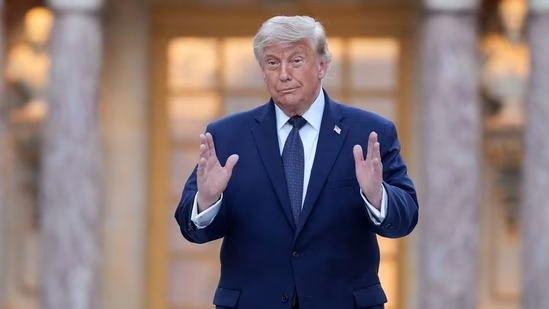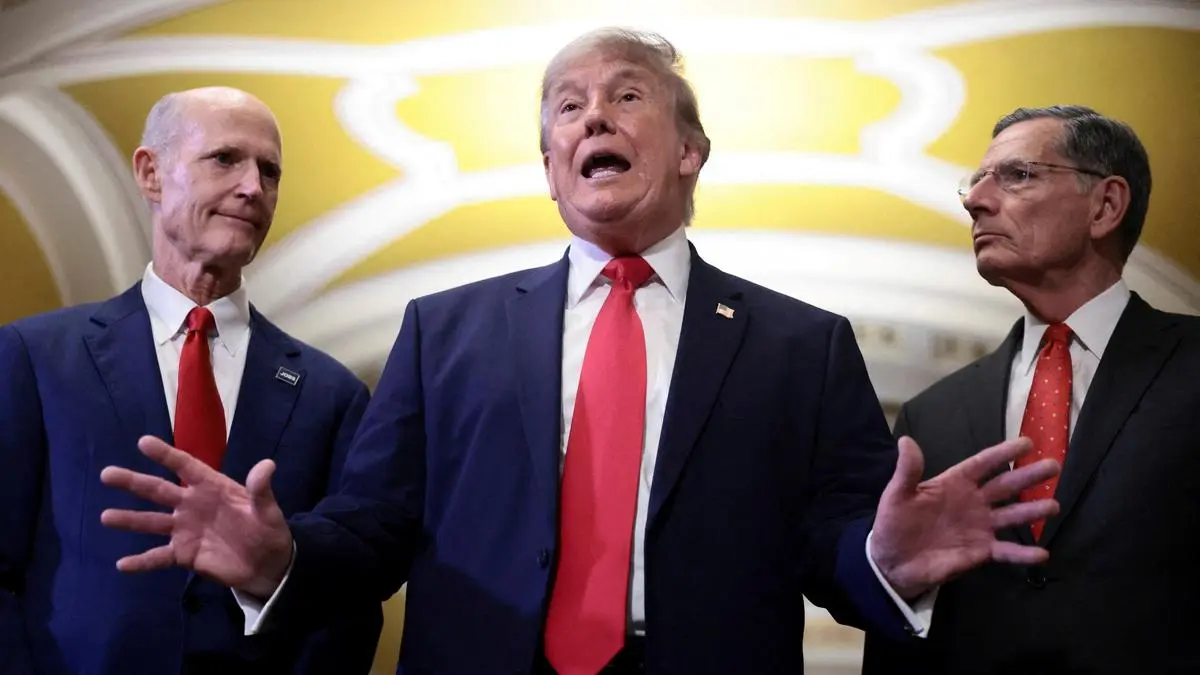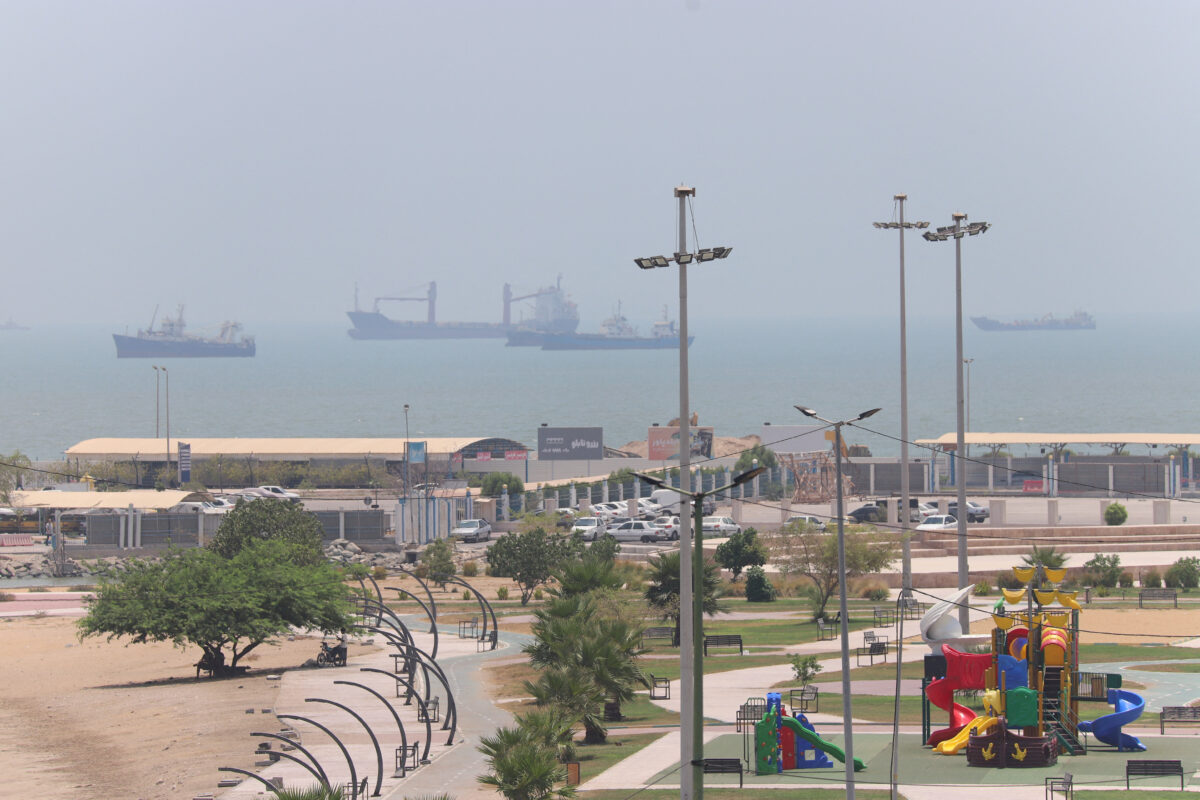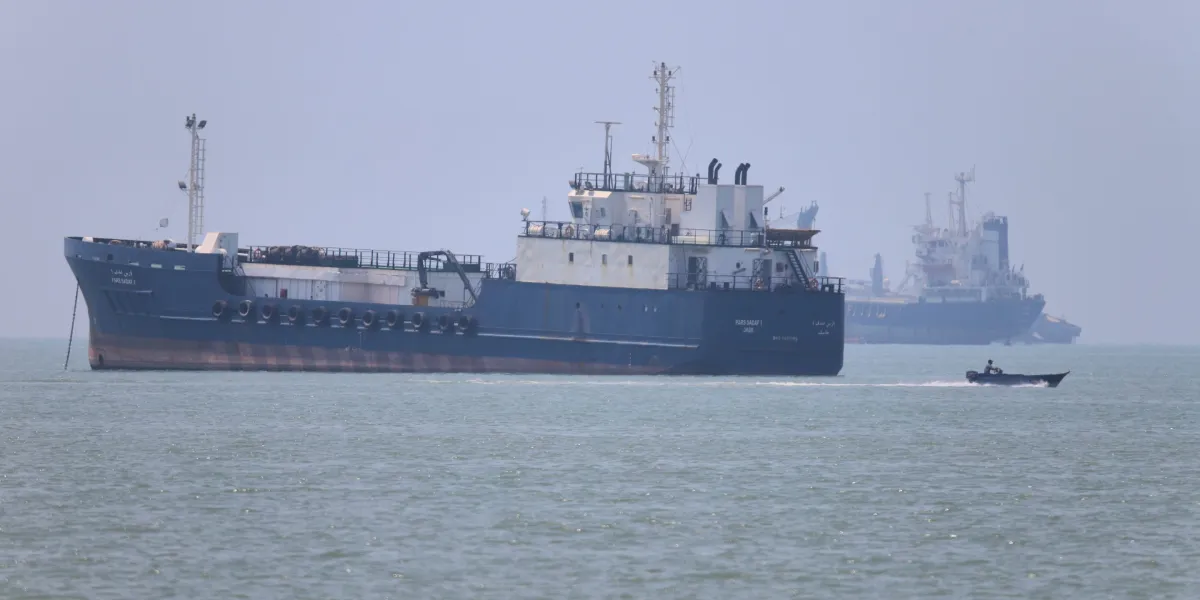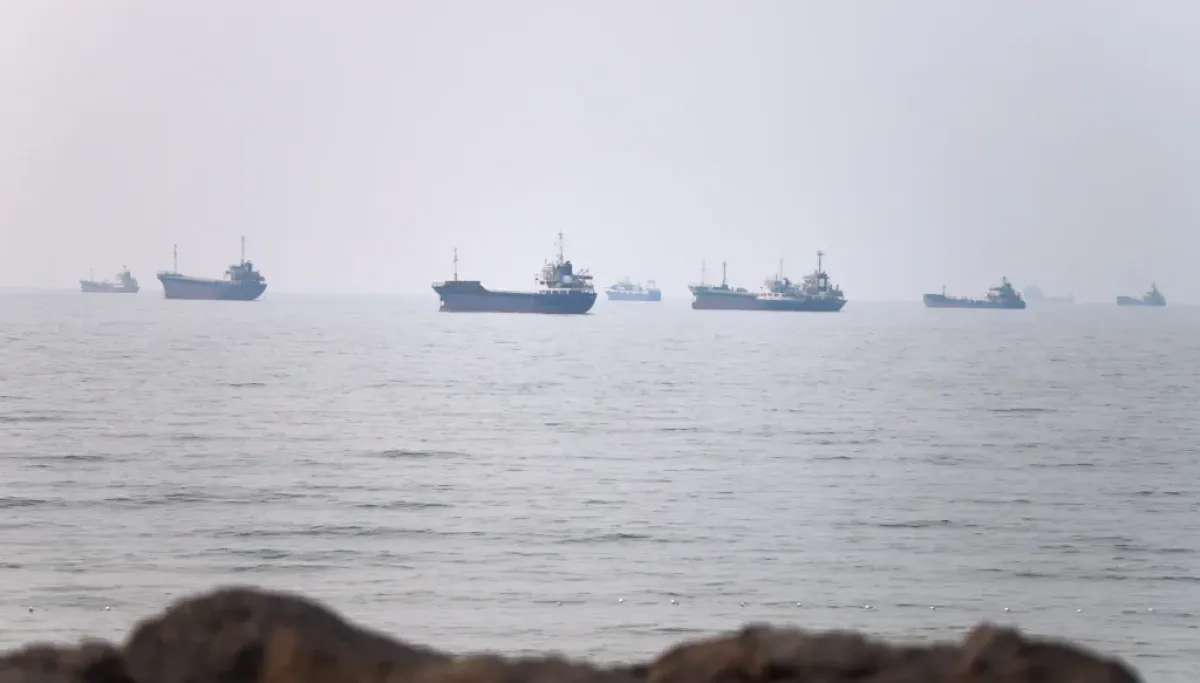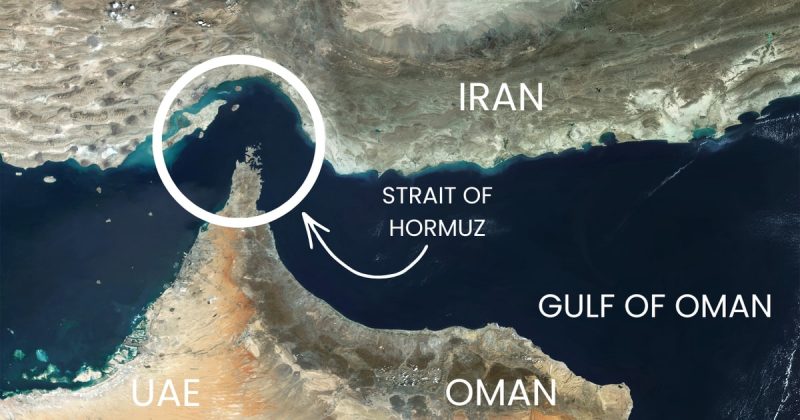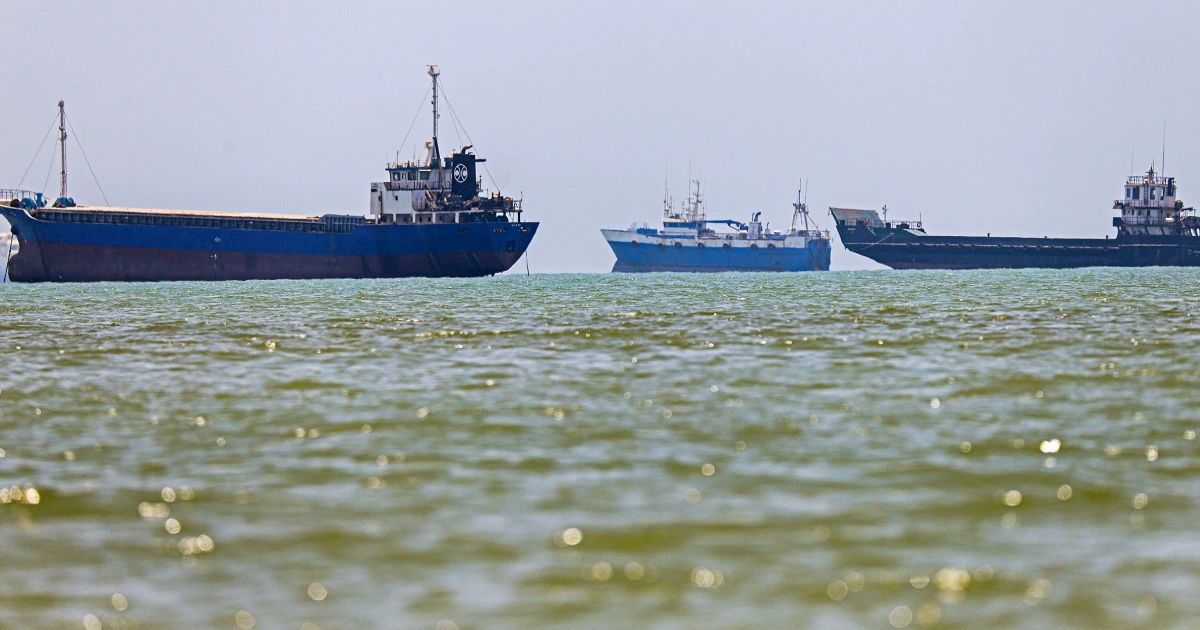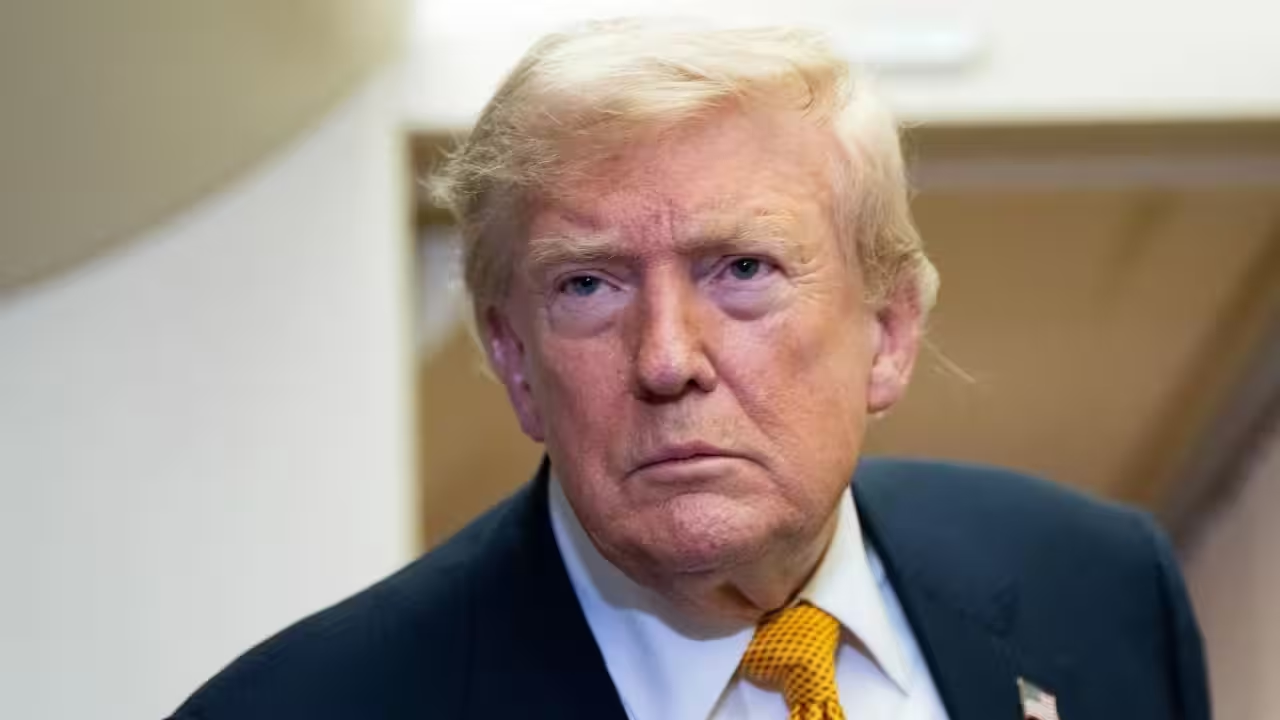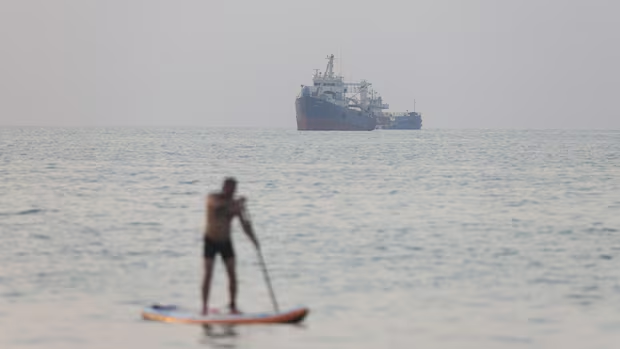
WorldU.S. President Donald Trump threatened to impose new tolls in the Strait of Hormuz last weekend, sparking worries that the practice of charging to pass through critical waterways could spread — with devastating consequences to the global economy. Iran has blocked the strait for much of the war, reportedly charging tolls as high as $2 million US for ships it allows to pass.Tolls pose 'huge threat' to international waterways and freedom of shipping, analysts sayKevin Maimann · CBC News · Posted: Jun 24, 2026 4:00 AM EDT | Last Updated: 1 hour agoListen to this articleEstimated 6 minutesThe audio version of this article is generated by AI-based technology. Mispronunciations can occur. We are working with our partners to continually review and improve the results.Throughout much of the Israel-U.S. war against Iran, the Iranians have blocked the Strait of Hormuz, seen Sunday near the beach of Bandar Abbas, and charged tolls for ships to pass. Some worry other countries will do the same with other chokepoints around the world. (Amirhosein Khorgooi/ISNA/WANA/Reuters)U.S. President Donald Trump threatened to impose new tolls in the Strait of Hormuz last weekend, sparking worries that the practice of charging to pass through critical waterways could spread — with devastating consequences to the global economy. Iran has blocked the strait for much of the war that began this February when the U.S. and Israel first attacked. Iran is only granting passage to certain ships after reportedly charging tolls as high as $2 million US. Iran's ability to leverage the strait has hurt the U.S. and its allies in part because one fifth of the world's oil passes through it and the closure has caused steep hikes in gas prices. Last weekend, Trump threatened to impose American tolls on the waterway if a peace deal isn't reached in 60 days, saying the money would be for "services rendered as the Guardian Angel to the countries of the Middle East." The U.S. says it's open. Iran says it's closed. The Strait of Hormuz remains precariousU.S. to permit Iranian oil sales, easing decades-old sanctions, as peace talks continueTrump had floated the idea in April that the U.S., Iran and Oman could jointly collect fees for passage, and then reversed course on that plan in May. "Once you start down that road, there's no telling where it leads," said Joshua Kurlantzick, senior fellow for Southeast Asia and South Asia at the Council on Foreign Relations. WATCH | What the U.S. and Iran's deal means for the Strait of Hormuz:The U.S. and Iran's deal to make a deal | About ThatJune 15|Duration 2:55The United States says it has reached a deal to end the war with Iran and reopen the Strait of Hormuz — but much remains unclear about exactly how it will work. Andrew Chang breaks down statements from both sides to explain what we know about the terms, and the factors that might prevent it from going ahead smoothly.
Toying with tolls in international waters could spell 'complete disaster' for global economy, analysts warn | CBC News
U.S. President Donald Trump threatened to impose new tolls in the Strait of Hormuz last weekend, sparking worries that the practice of charging to pass through critical waterways could spread — with devastating consequences to the global economy. Iran has blocked the strait for much of the war, reportedly charging tolls as high as $2 million US for ships it allows to pass.
1,387 words~6 min read