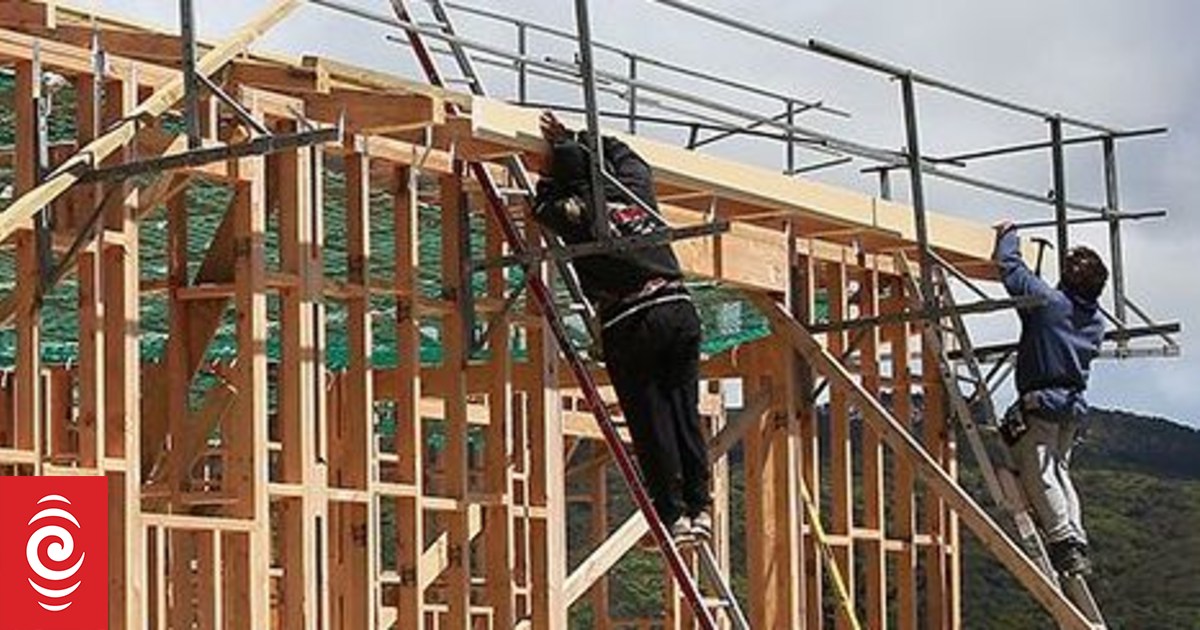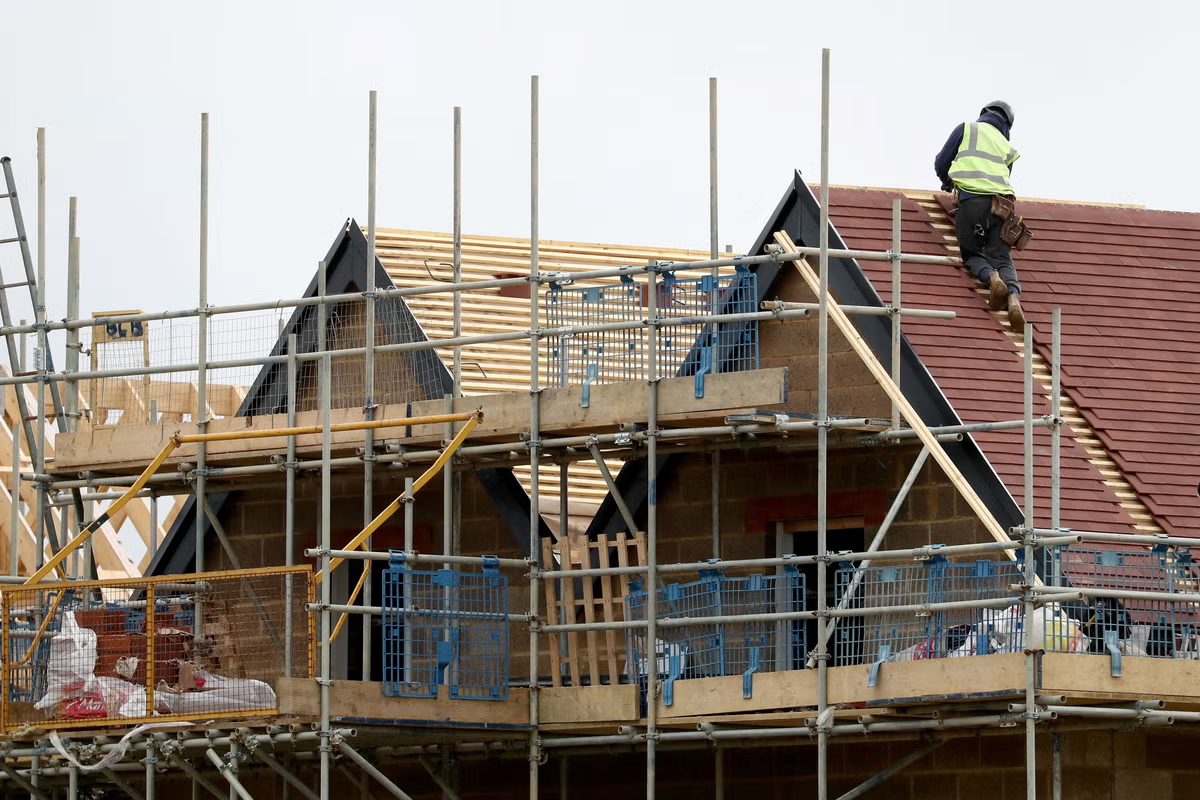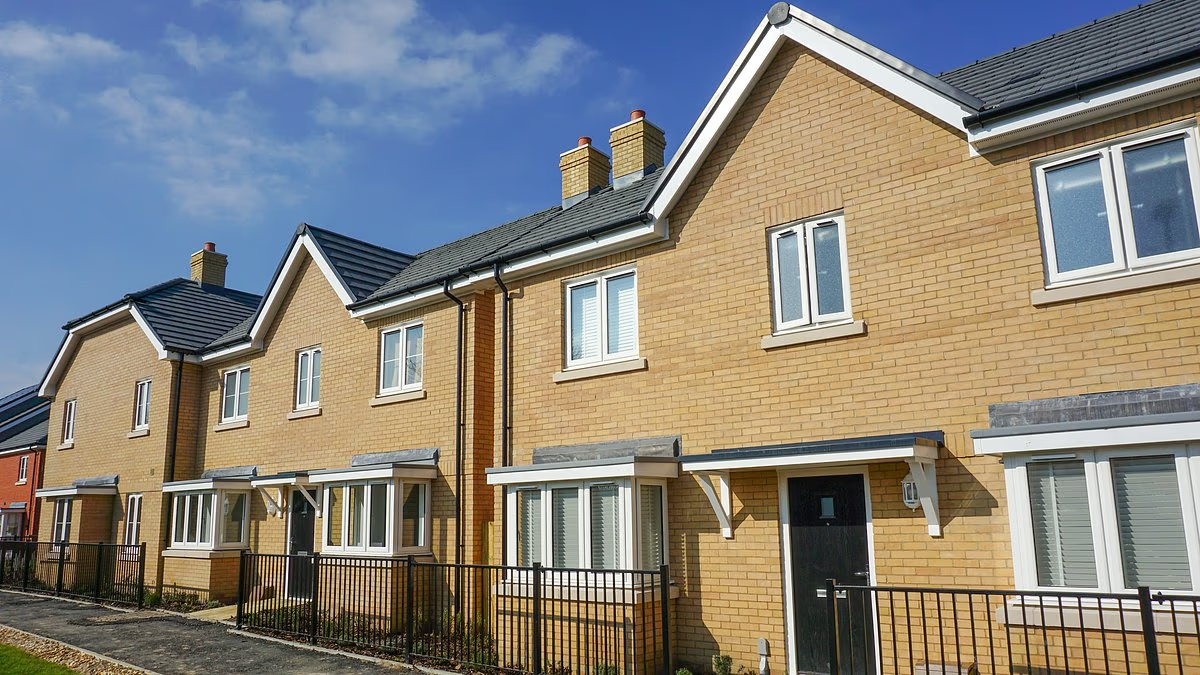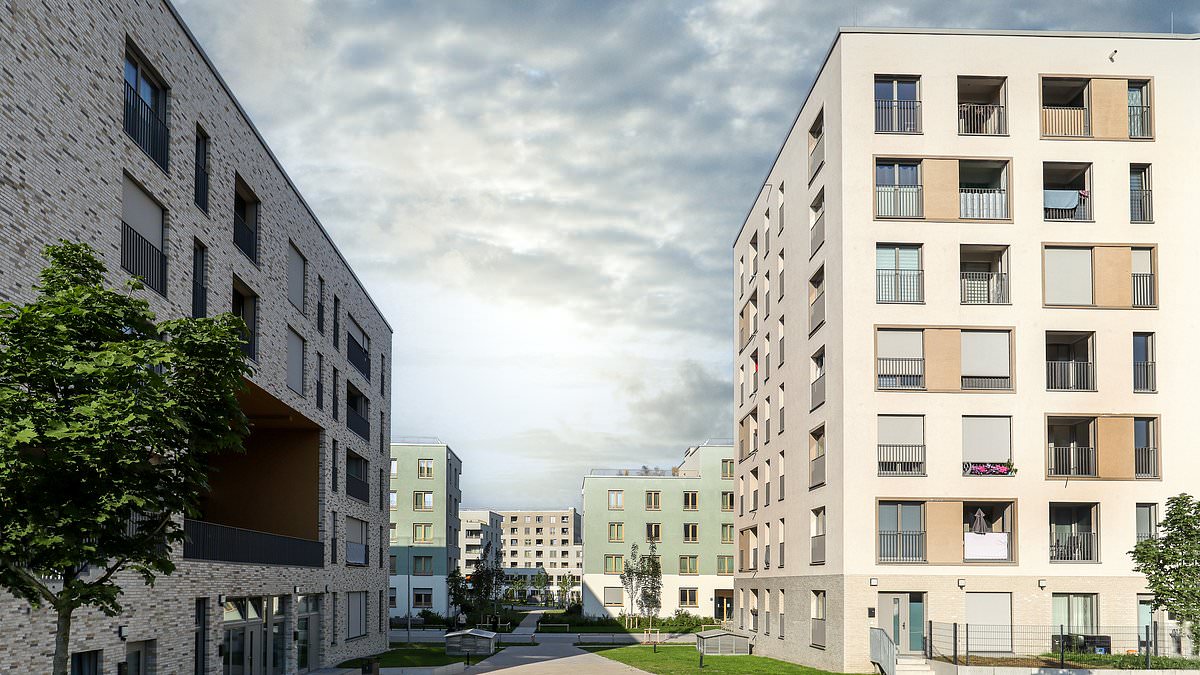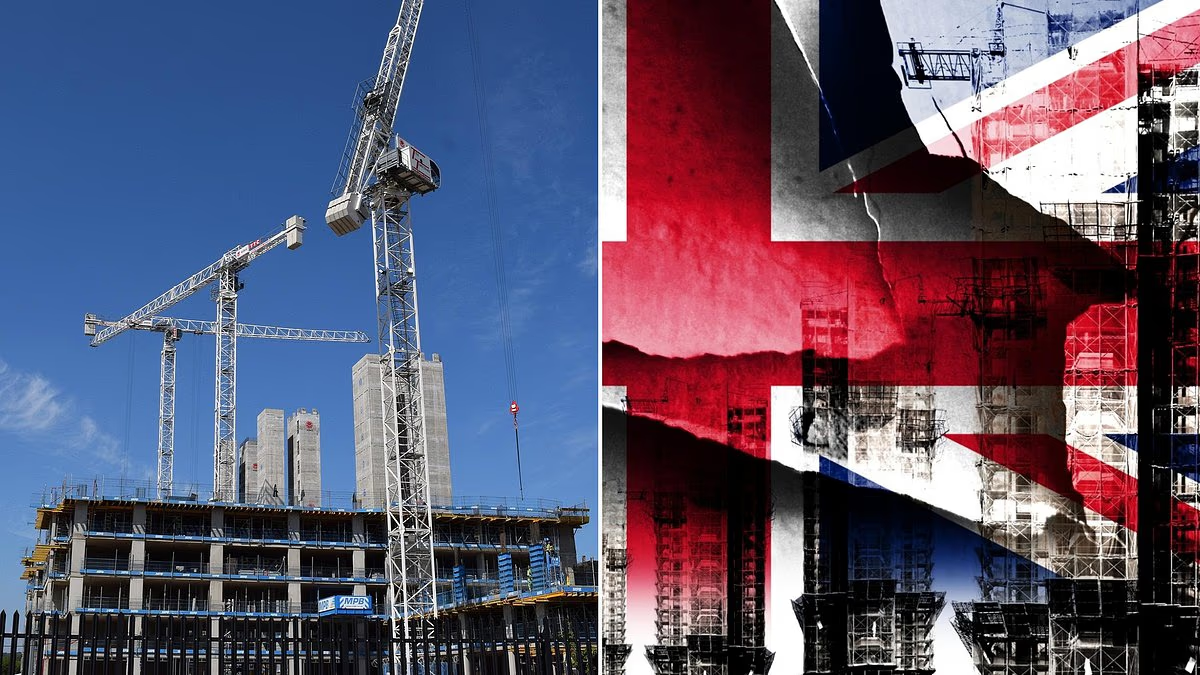
The number of homes being built in Britain is in sharp decline. Construction output fell at its fastest pace for six years in May, according to the latest S&P Global UK Construction PMI - the seventeenth consecutive month that the index had reported a decrease. And things do not look likely to improve any time soon. According to the property firm Savills, annual planning consents for new homes dropped by 39 per cent in the three years to the end of 2025 to just 180,000. During the same time, construction starts were down 31 per cent.While supplier issues and planning restrictions have led to some projects being stalled, property experts say a combination of falling house prices and higher build costs are what is really stopping more homes being built.Effectively, housebuilders have stopped building because the sums don't add up. On average, it now costs £76,000 more to build a home than it did in 2020, according to new research from the Home Builders Federation (HBF). But insiders say that the situation on the ground in some locations is even worse. A source within a major development company, who wishes to remain anonymous, says the cost to build in London has increased by a whopping 80 per cent during that time. More expensive: The average costs involved in building a new home have increased by 50% in the last 10 years, according to BCIS dataThey the cost of delivering a typical two-bed flat of 70 square meters has gone from £245,000 in 2016 to around £430,000 today representing a 75 per cent increase.During that time, the average value of a flat in London has risen by only around 6 per cent, according to Land Registry figures.Roughly half of the extra cost is relates to an increase in materials and labour, the other half is due to regulations, levies and taxes. The situation has become so bad that by the end of last year, work had stopped on 5,009 homes at 51 development sites across the capital, according to the property research firm, Molior. It says development schemes are being halted, either because the building contractor has gone bust due to rising construction costs or because work is deliberately on hold due to the sales market being so weak.Tim Craine, director at Molior and a leading authority on residential development says buyers have all but disappeared in London.'Pretty much 99 per cent of the London market is flats,' says Craine, 'buy-to let investors have gone with many trying to now exit as soon as they can. 'Most overseas buyers have long since vanished thanks to tax changes introduced by George Osborne roughly a decade ago. 'And pension funds have stopped investing in build to rent since 2023 because they can now get bigger and safer returns in the gilt market.'As for first-time buyers, they have to find the upfront cash for the stamp duty and for a deposit and then contend with higher mortgage rates.'Property author and commentator, Peter Bill, adds: 'Big builders only build when they think they can make a profit. 'None are building that many [homes] at the moment because the market is in the doldrums. Labour's pledge to build 1.5million by 2029 is now a standing joke.'It isn't just about inflation Many blame this on the rise in inflation since the pandemic, but the cost of building homes was already increasing prior to that. Pre-2020, building costs were rising due to labour shortages, rising material prices, and Sterling depreciation following the EU referendum.Those existing pressures were then intensified by global supply chain disruption, extreme energy price inflation, material shortages and volatility in commodity markets.Regulatory changes around fire safety and energy efficiency have also contributed to higher costs.Housebuilders must also pay community infrastructure levies (CIL) to local councils, in order to get planning permission on their developments. London has some of the highest rates. Our property insider said the highest bill on one development in the capital was just shy of £90million, adding around £50,000 in cost to each home that was built.More boroughs are reviewing and increasing these community infrastructure levies, with costs averaging an additional £16,000 per home. No buyers: In London, off-plan sales have fallen from over 60% of transactions in 2014 to just 11% in 2025, according to property firm JLLDesign standards add thousands to costs Builders in the capital also have to contend with new design standards which dictate how they can design flats.It means developers now have to build apartment blocks with a high proportion of dual aspect homes - those which have windows on two or more sides. All homes with three or more bedrooms have to be dual aspect now.In the case of apartment blocks, this often means building to complex designs with walls jutting in and out. It adds more than £20,000 to the cost of an average home, according to our anonymous insider. They must also create a minimum of 5 square metres of private outdoor space for every one bedroom home, with an extra 1 square metre for each person after that. Two bedroom flats can house three or four people so require six or seven square metres depending on how big they are. Balconies must have a minimum depth and width of 1.5metres.Buildings must also now have much more cycle storage - so much so that less than 25 per cent of the storage now gets used on average.Simon Rubinsohn, chief economist at The Royal Institution of Chartered Surveyors, says: 'What is clear is that costs have increased significantly over recent years, partly because of a sharp uplift in material costs, but also because of the weight of regulation.'
Red tape, levies and design rules have made homes cost £76k more
It costs tens of thousands more to build a home than it did during the pandemic - and that cost is being passed on to buyers.
1,685 words~8 min read