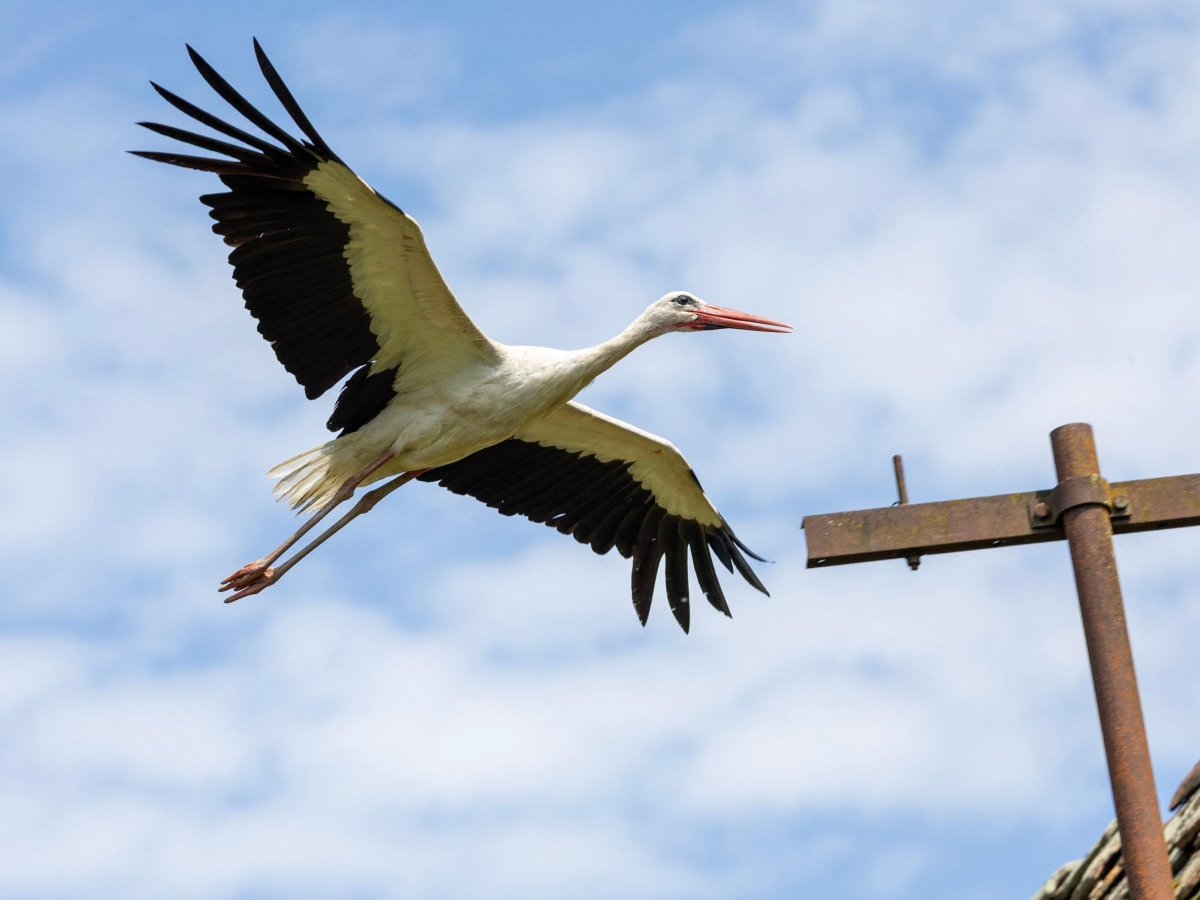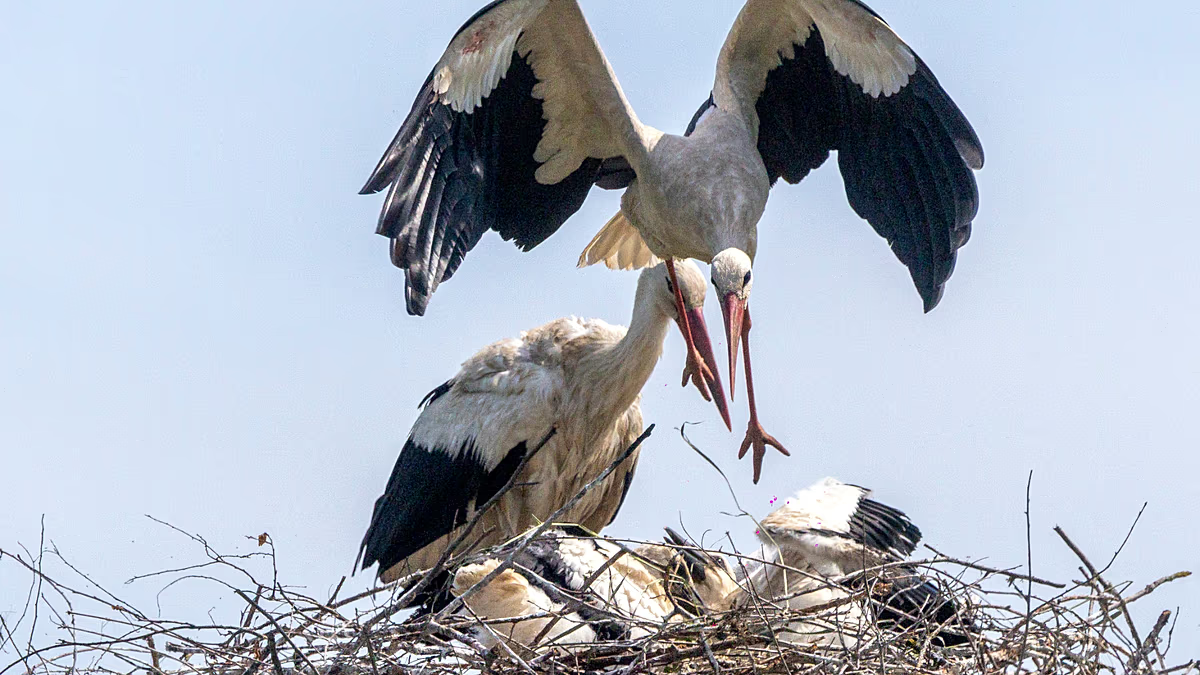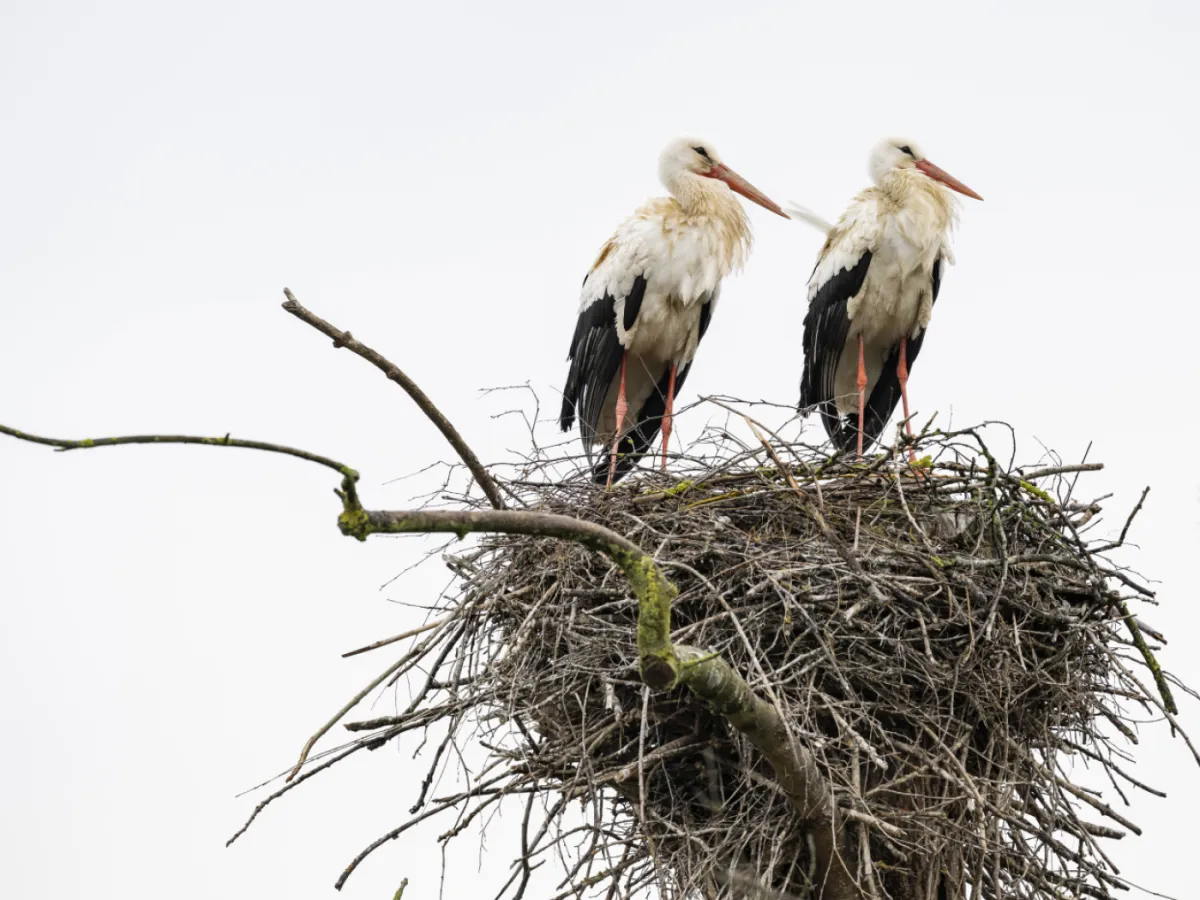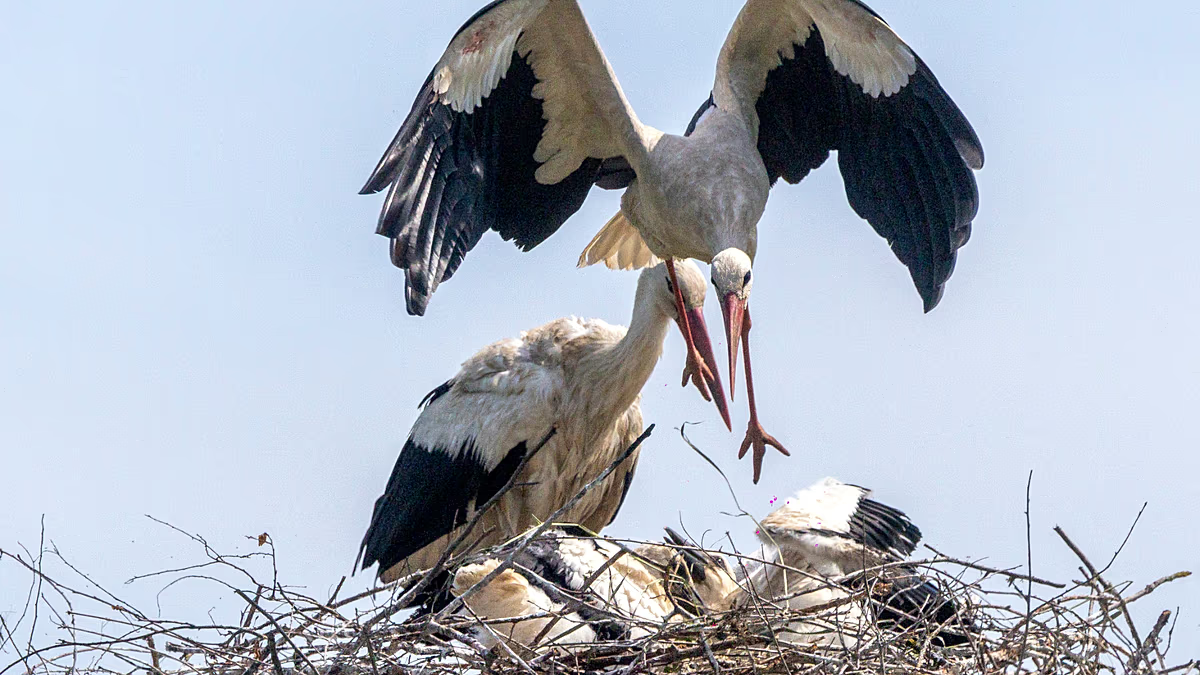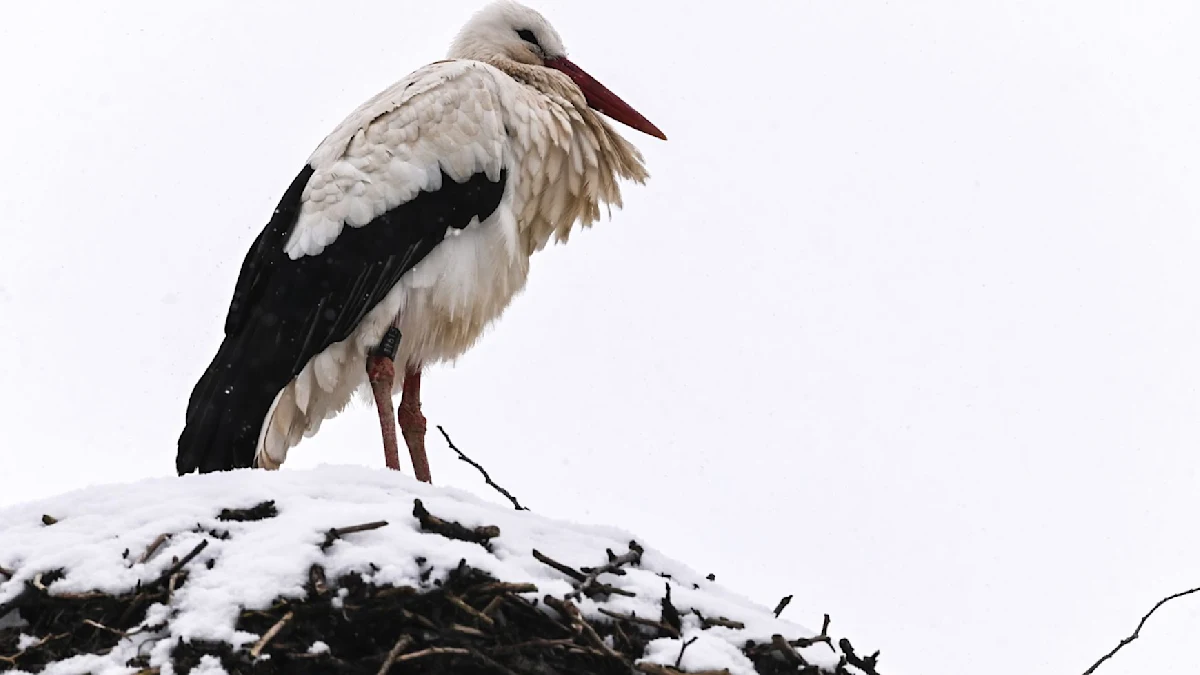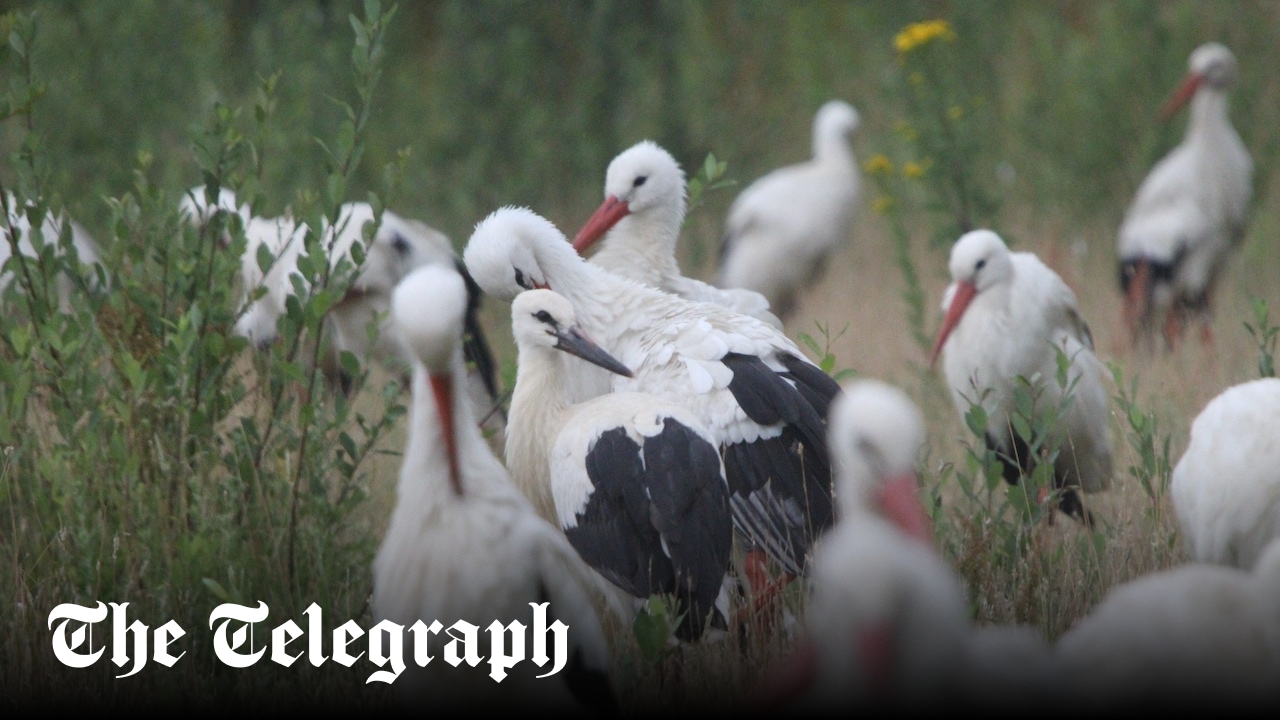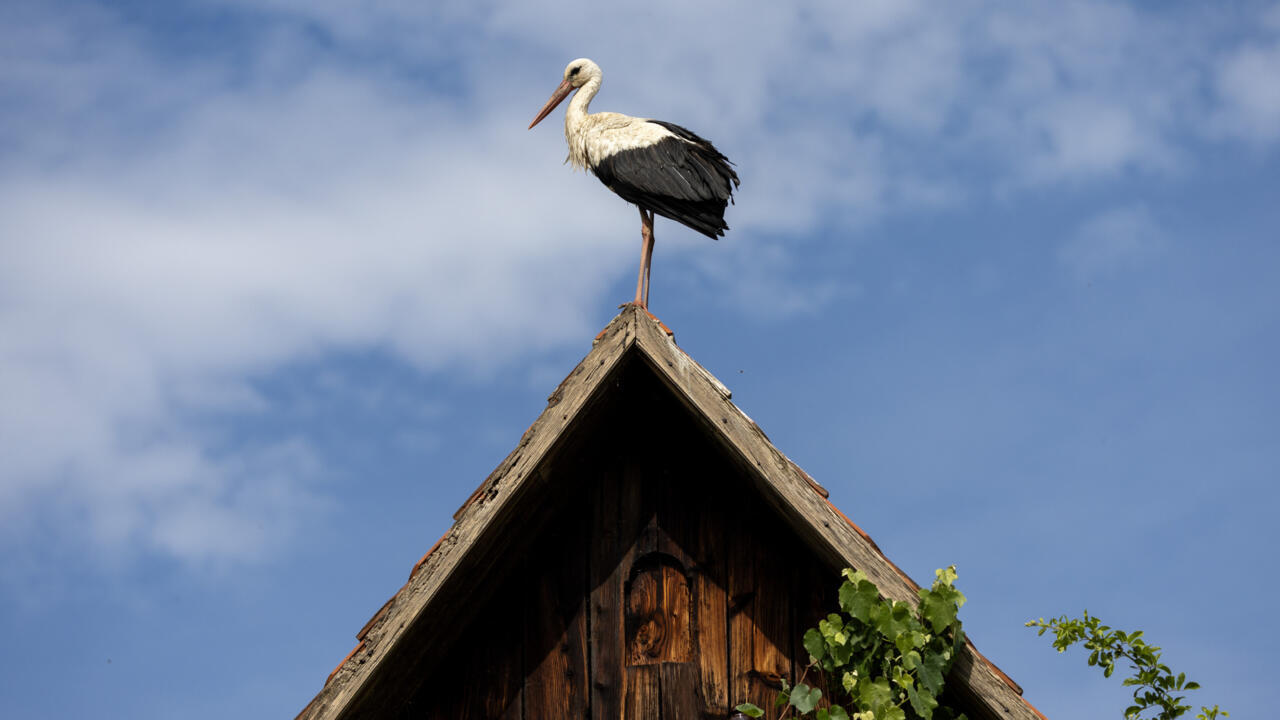
But for the locals, it's a good omen.For decades, villagers have welcomed dozens of white storks on the rooftops of their homes, where the birds nest in spring on their annual return from Africa."Storks were here long before me," pensioner Marijan Belosevic told AFP.
The number of storks has declined with the village's population © Marko PERKOV / AFP
Their arrival, which has earned the village the moniker "Stork Village", has long been seen as a positive sign, signalling the changing of the seasons and serving as a symbol of fertility and prosperity."I don't see how I could ever remove their nest or chase them away... I have a lot of respect for nature," Belosevic said, eyeing a nest atop his home -- hopeful that it might soon hold newborn chicks.'Fascinating'Cigoc, some 90 kilometres (55 miles) southeast of Zagreb, lies in the Lonjsko Polje nature park, the country's largest protected wetland area.Its rich ecosystem makes it a valuable habitat for as many as 250 bird species -- more than two-thirds of Croatia's bird population, including the white and black storks.
Cigoc has become known as 'Stork Village' thanks to the birds © Marko PERKOV / AFP
In 1994, when the Germany-based EuroNatur foundation designated it Europe's first stork village, it recorded more than 300 storks, more than double its human residents.As the number of the village's human inhabitants declines due to an ageing population and a shift to cities, stork numbers have fallen as well.With insects and small mammals more difficult for them to find and eat on the now-abandoned farmland, fewer winged visitors are drawn to the area.But they still outnumber the locals, perched on the roofs of most homes."In the area, white storks nest on house and barn roofs, unlike most of Europe, where they typically nest in trees or cliffs," Davor Anzil from the village's education centre said.