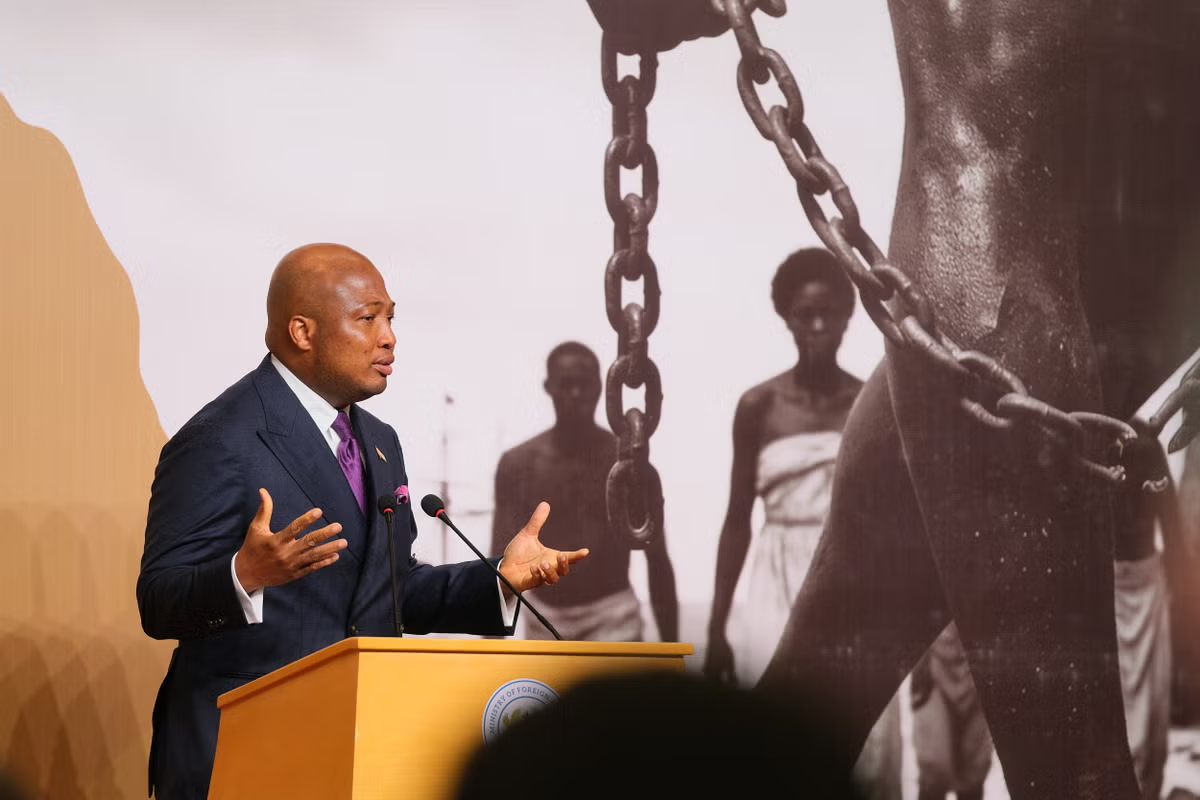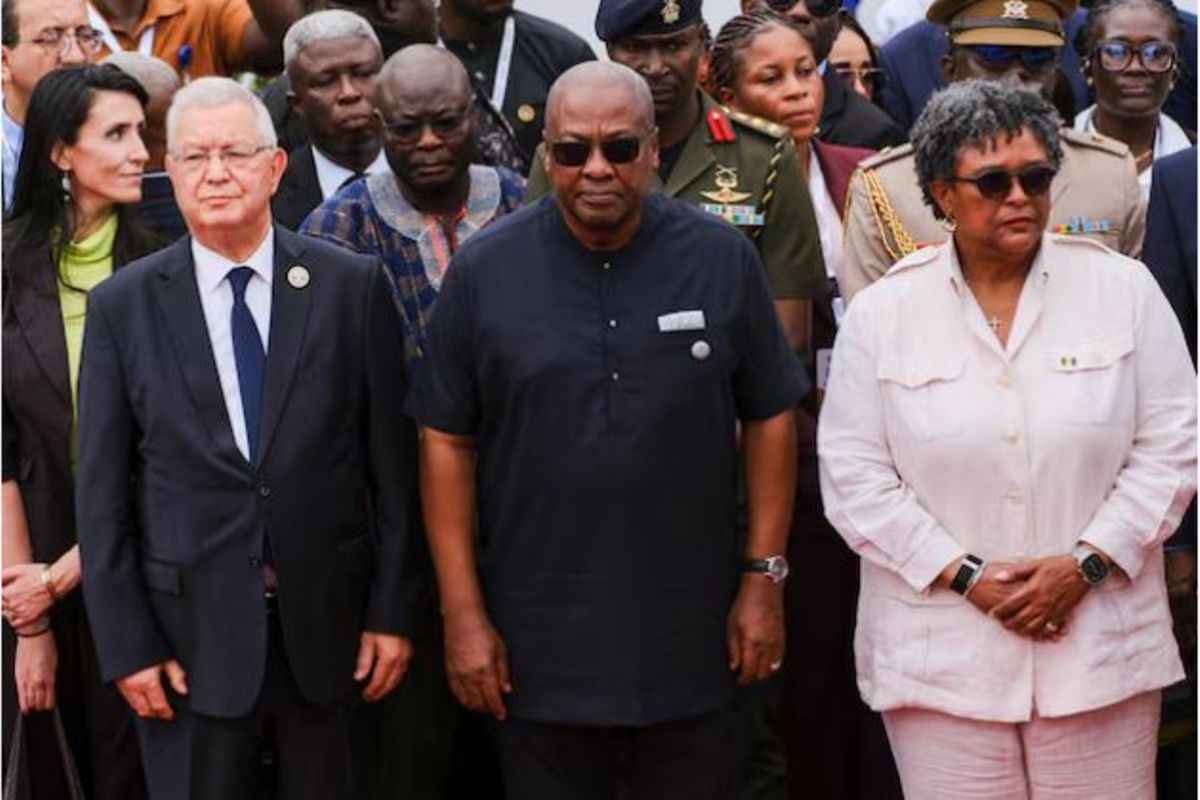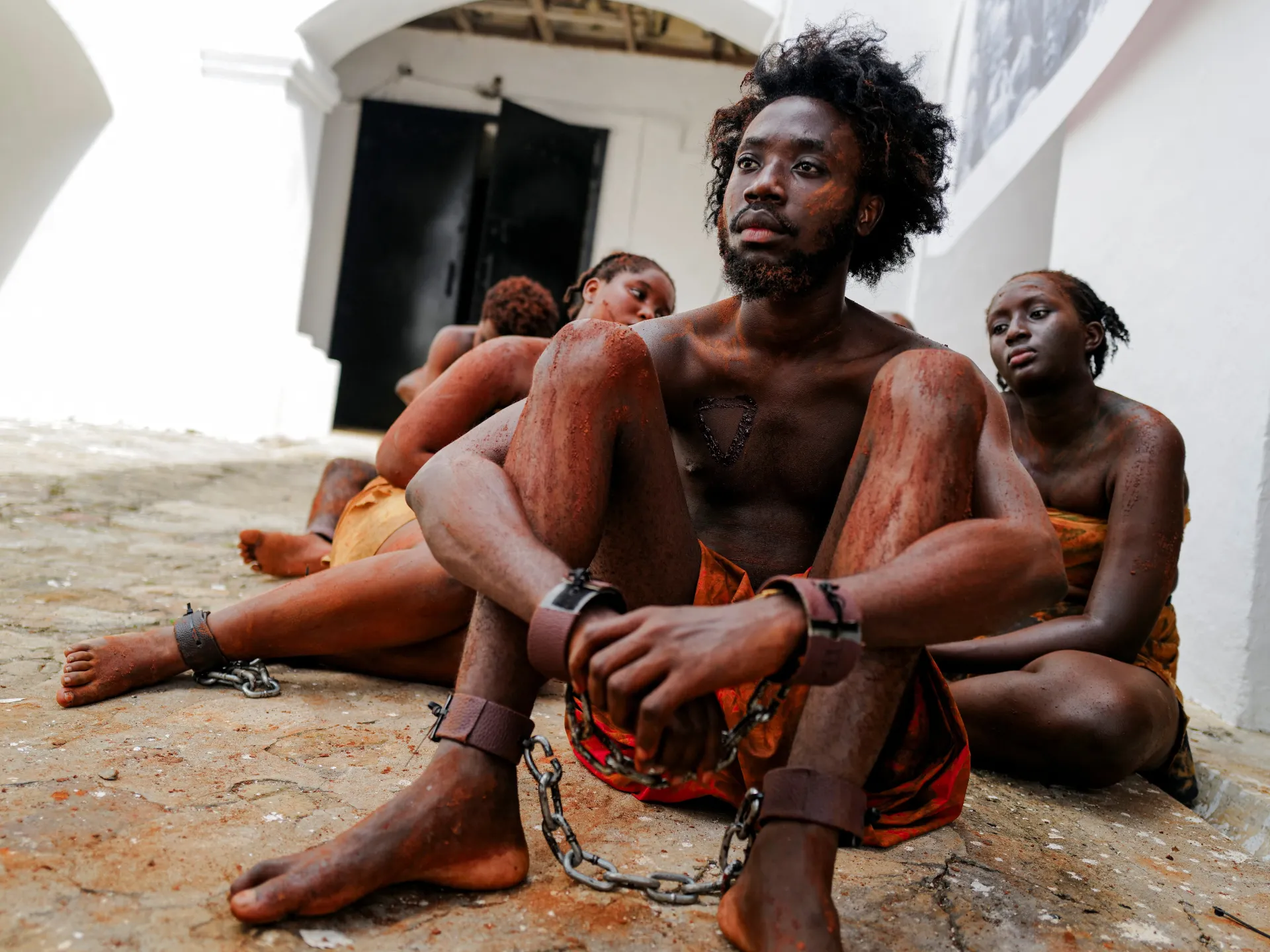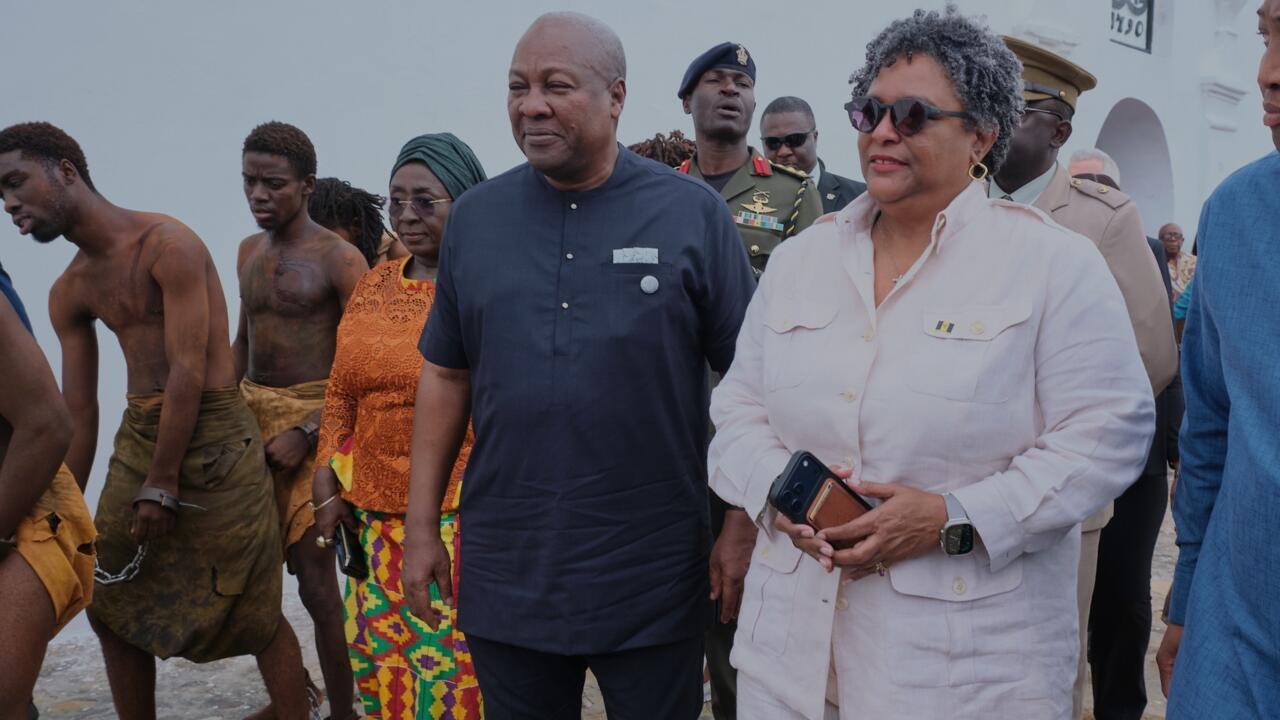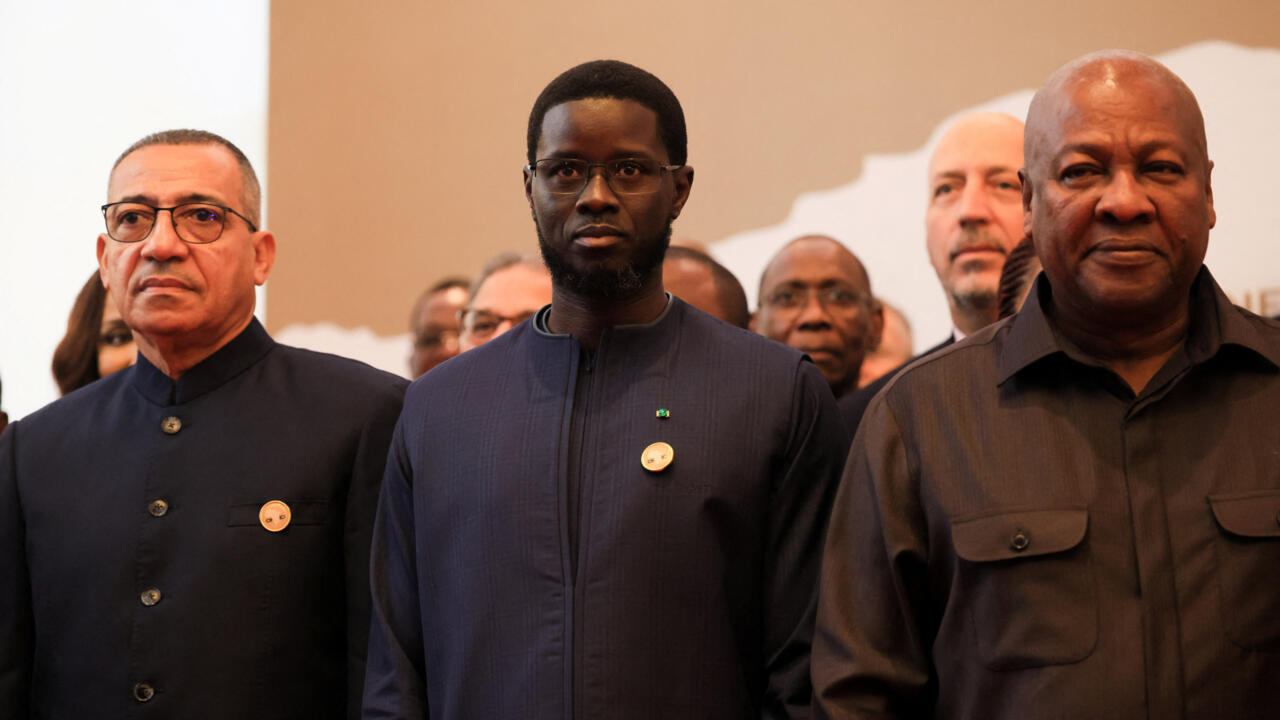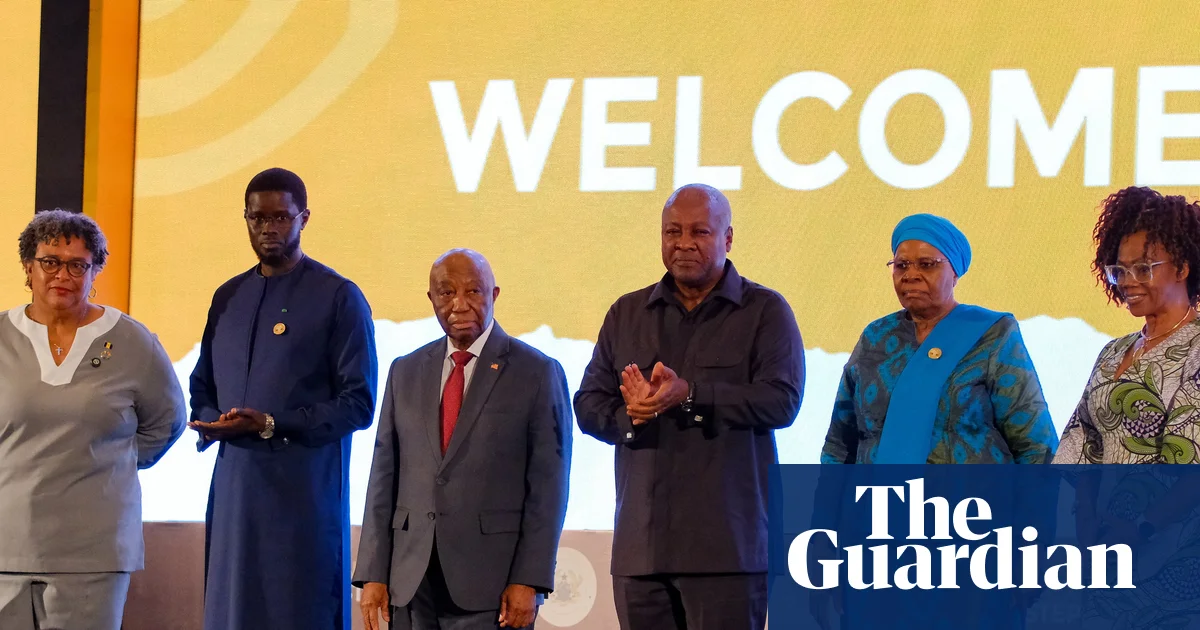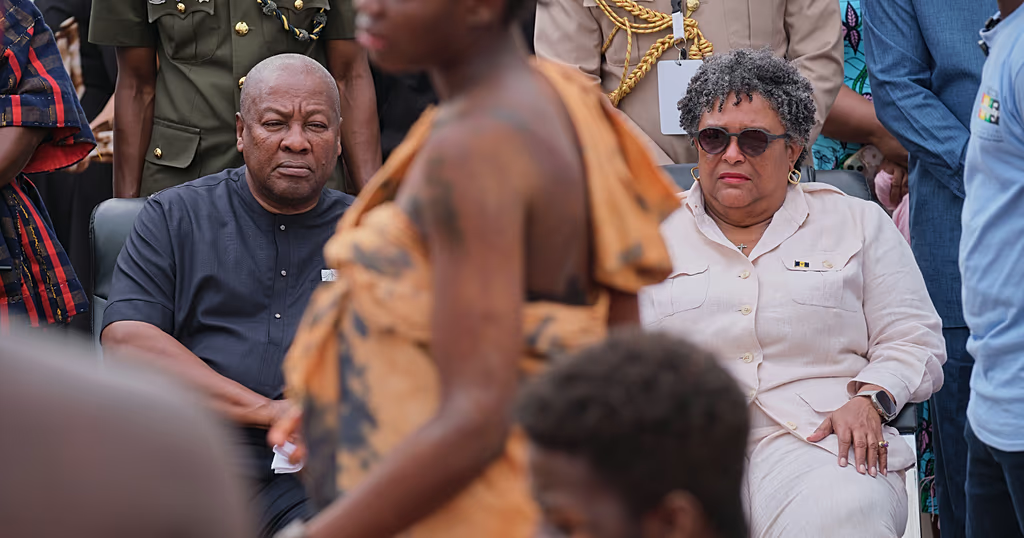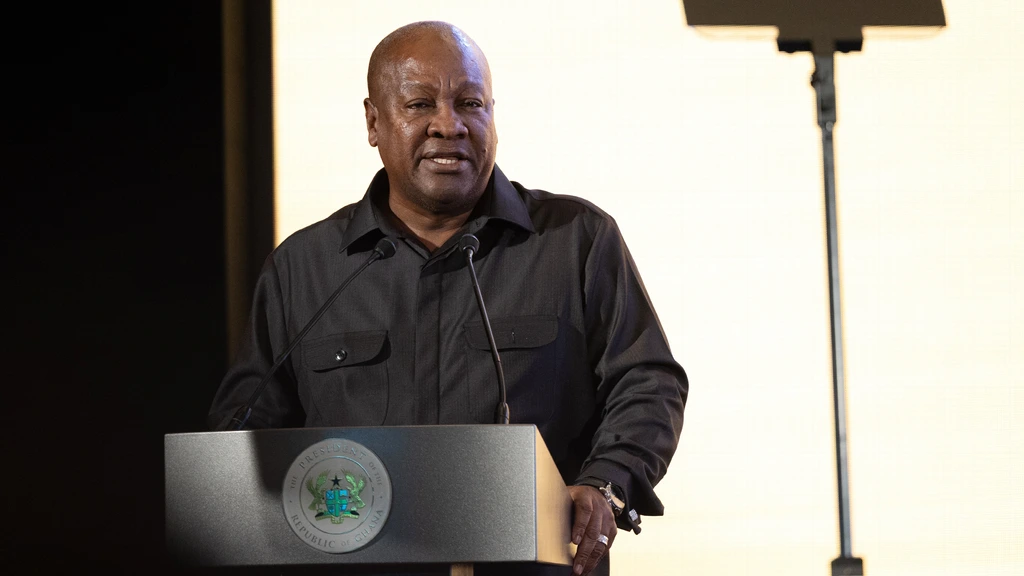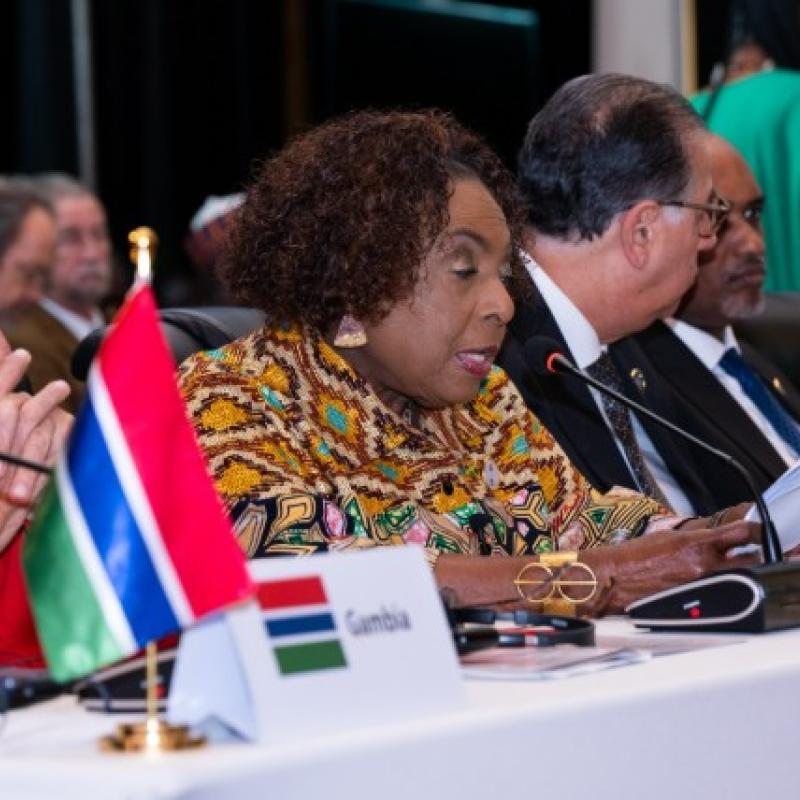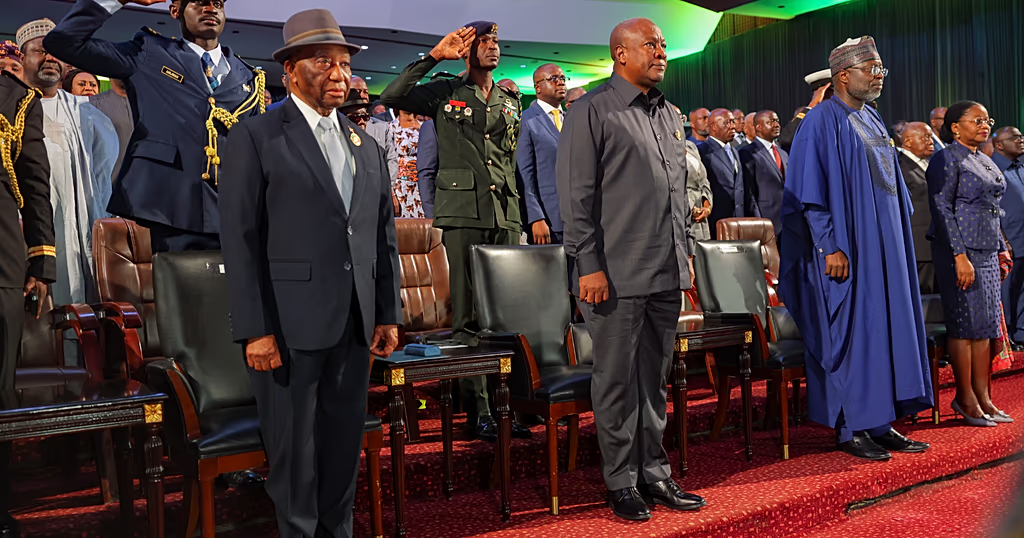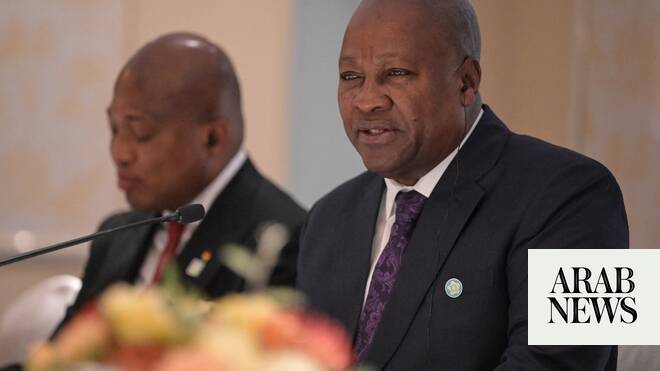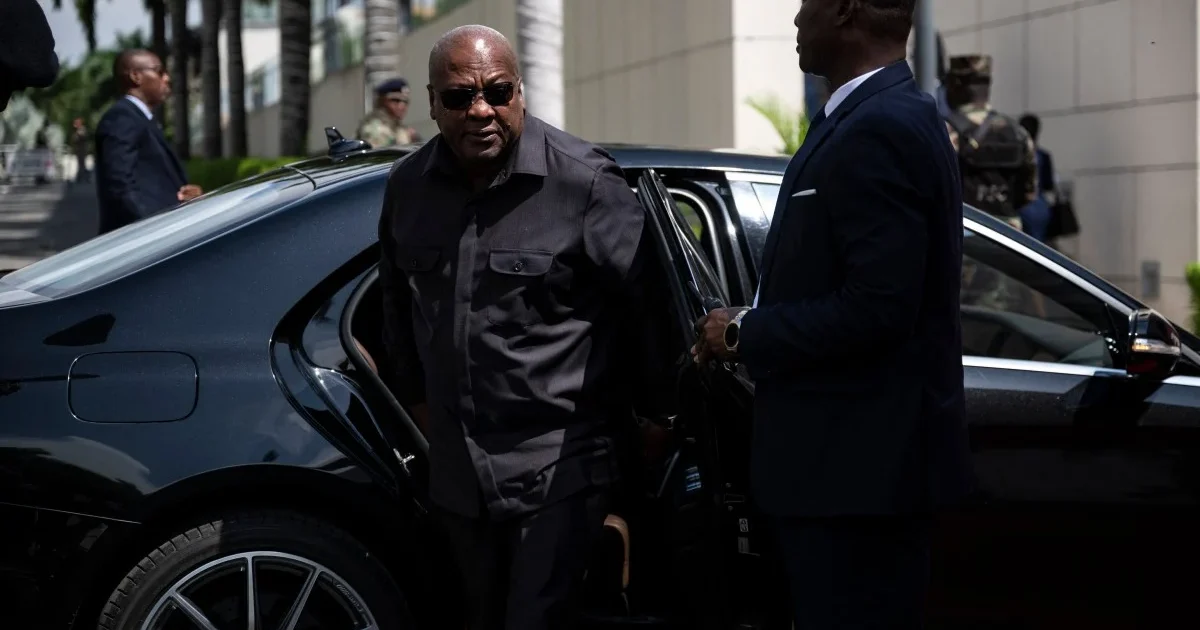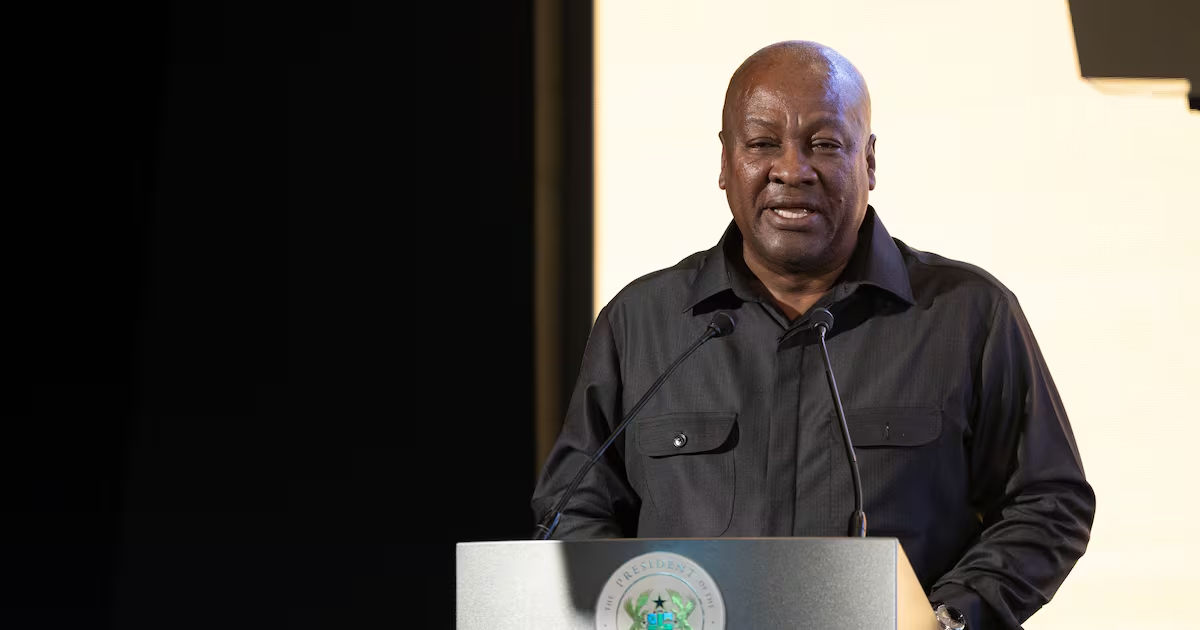
African and Caribbean countries have most of the world on their side when they demand reparatory justice for the transatlantic slave trade. But most European countries, including Ireland, don’t want to hear about it.A wound in European memoryWhen Ghana’s president John Dramani Mahama opened a conference on reparatory justice in Accra last week, he stressed that nobody present could be held personally responsible for the atrocities of the transatlantic slave trade. But he added that its enduring consequences demanded what he called thoughtful, co-ordinated and sustained international engagement.“History does not ask us to inherit guilt, but it asks us to inherit responsibility,” he said.The conference came three months after the United Nations general assembly approved Ghana’s resolution on behalf of the African Union calling for reparative justice for the transatlantic slave trade, which it described as the gravest crime against humanity. A total of 123 countries voted in favour of the non-binding resolution with just three – the United States, Israel and Argentina – voting against it and 52 abstaining.The abstentions included Ireland and the other member-states of the European Union, as well as Britain, Australia, Canada and New Zealand. The EU objected to putting the slave trade at the top of a hierarchy of crimes against humanity and rejected the idea of reparations for crimes that were not against international law at the time they were committed.At least 12 million African men, women and children were captured and trafficked to the Americas to work as slaves between the 15th and the 19th centuries. Slave labour contributed to the economic development of European colonial powers and the Americas while the legacy of slavery and colonialism has helped to impoverish African and Caribbean countries.None of the major slave-trading countries – Portugal, Britain, Spain, France, the Netherlands, the US and Denmark – have ever paid reparations to the descendants of enslaved Africans or the affected countries although some, including Britain, compensated slaveowners after they abolished slavery.The Netherlands is the only European state to make a formal apology for its role in the slave trade, when former prime minister Mark Rutte in 2022 acknowledged that “for hundreds of years, people were made merchandise, exploited and abused in the name of the Dutch state”. Last month, Pope Leo apologised for the role of the Holy See in authorising, regulating and legitimising the enslavement of “infidels”, describing it as “a wound in Christian memory”.The conference in Accra produced a plan of action calling for a formal apology from countries that benefited from the slave trade and the repeal of all legal and ecclesiastical codes that authorised it, as well as financial compensation, debt relief and the return of looted cultural artefacts. And it created three working panels to explore how to secure reparatory justice and the return of cultural artefacts.French president Emmanuel Macron was the only western leader to address the conference, expressing by video-link his support for the return of stolen artefacts but adopting a more ambiguous tone on reparations.“Making reparations can never just be a cheque written to bring the story to a close,” he said.Although France joined other EU member-states in abstaining on Ghana’s UN resolution in March, Macron has moved closer to backing reparatory justice since then, speaking last month of the need for reparations.“How do we repair such a crime? It is a question that must not be ignored and on which we should not make false promises either,” he said.A few days later, French lawmakers voted unanimously to repeal the Code Noir, a decree signed by Louis XIV in 1685 that classified enslaved people as “movable property” and that remained on the statute books after the abolition of slavery.The African and Caribbean nations that met in Accra last week believe that, despite the refusal of most European countries to address the issue, the legacy of the transatlantic slave trade is now firmly on the global agenda. It is part of a broader debate about global equity, development and historical justice in which Ghana’s foreign minister, Samuel Ablakwa, believes the momentum is behind them.“We won the battle against slavery, we won the battle against colonialism, we won the battle against apartheid, and we are confident that we shall win the battle against reparatory injustice,” he told the conference.Please let me know what you think and send me your comments, thoughts or suggestions for topics you would like to see covered to denis.globalbriefing@irishtimes.com
Push for slave-trade reparations
Global Briefing: Conference in Ghana calls for a formal apology from countries that benefited, financial compensation, debt relief and the return of looted artefacts
732 words~3 min read