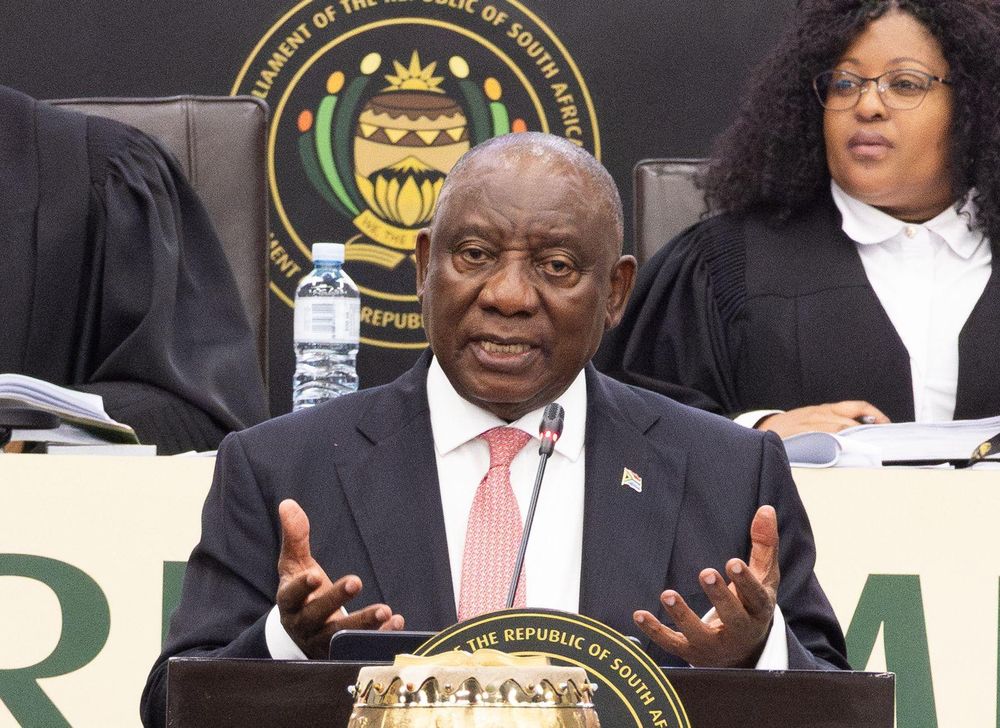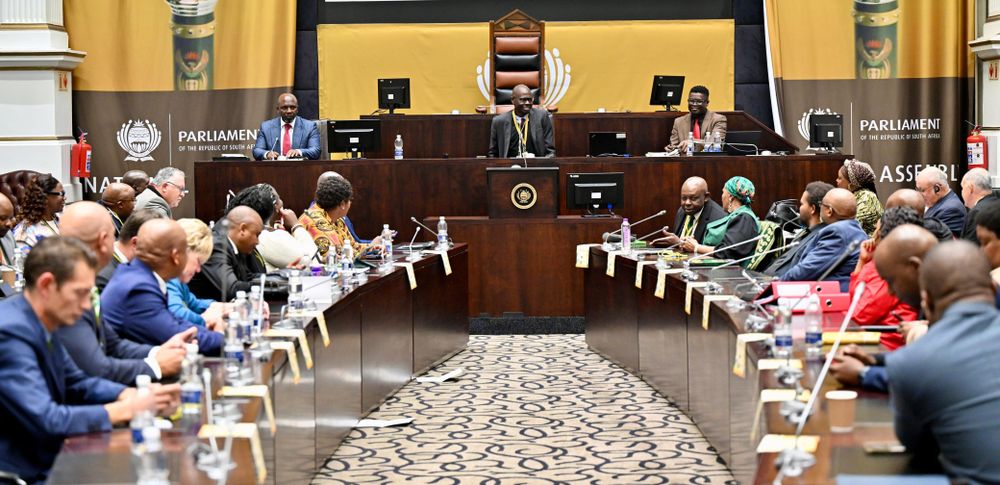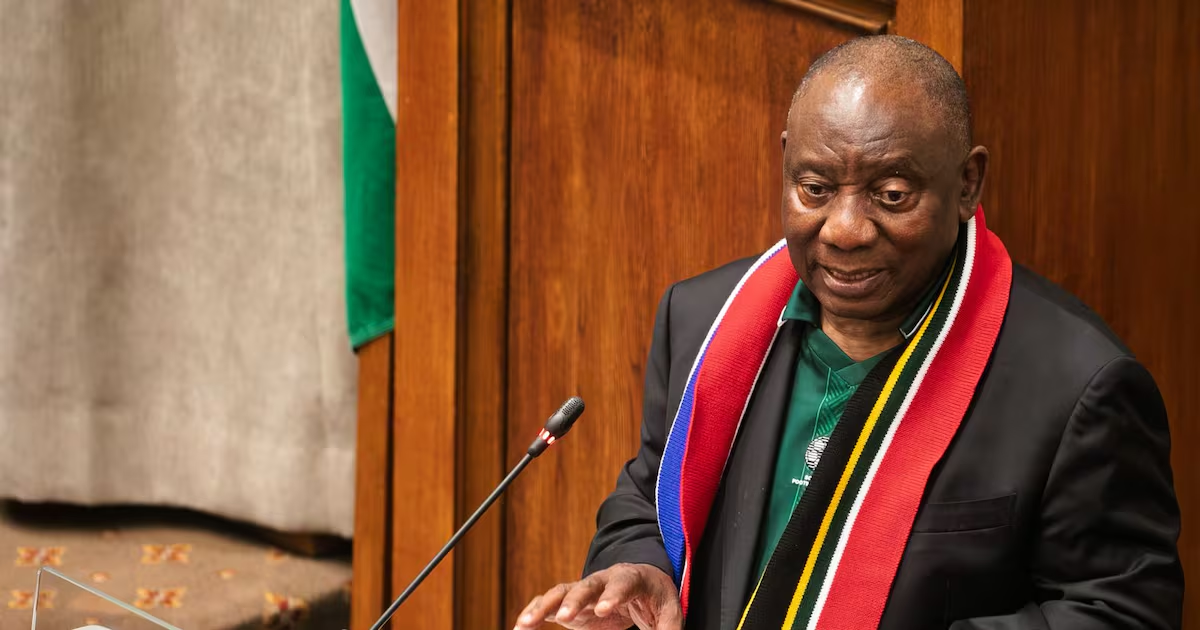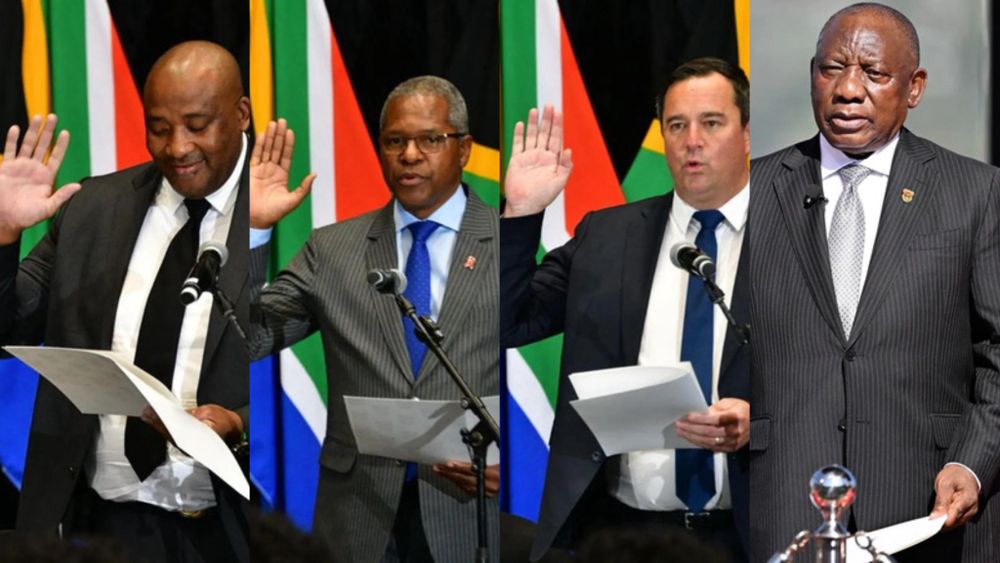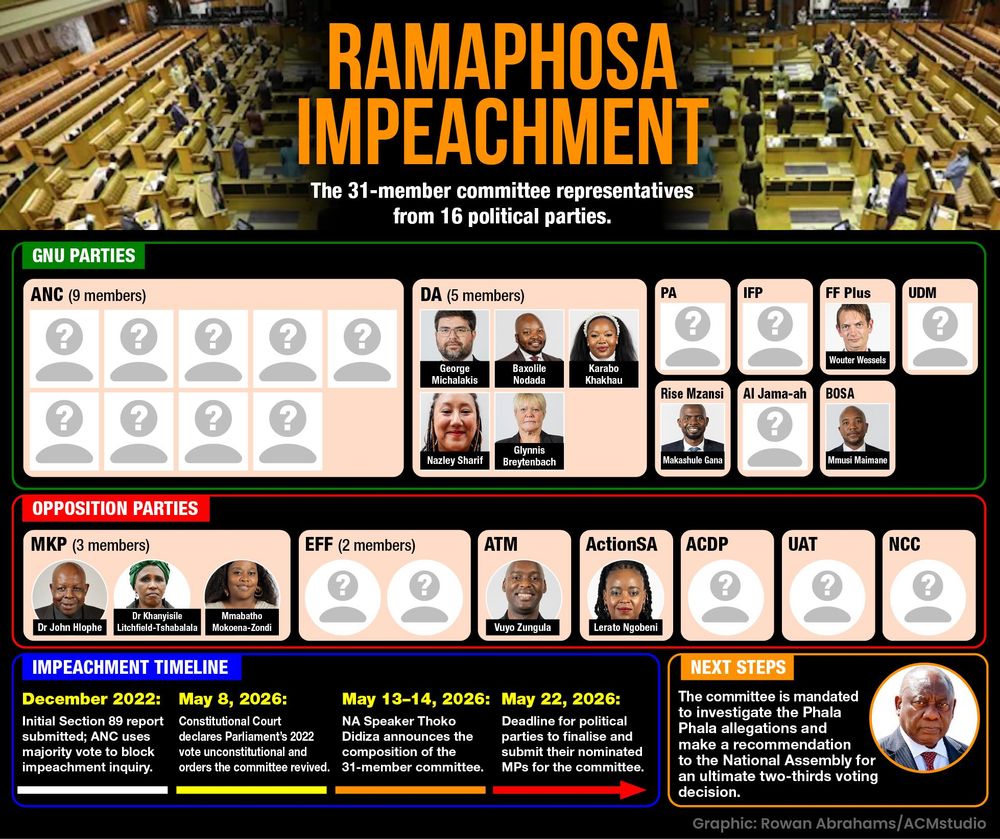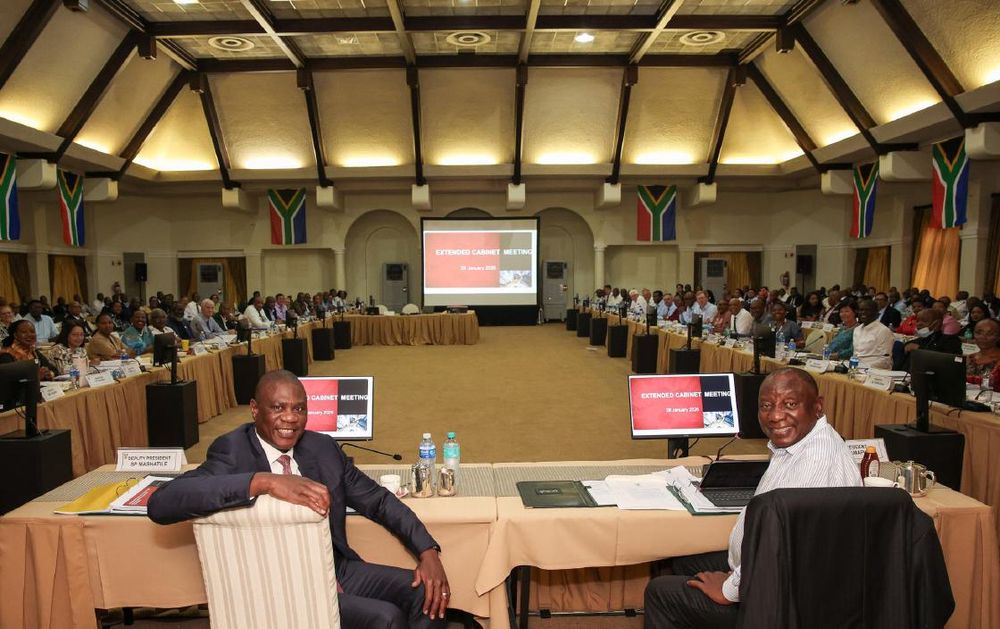
While some are likely to quibble, there is no doubt the government of national unity (GNU) has on balance been good for South Africa. One need look no further for evidence of this than the positive news recently received from the three main international ratings agencies, which confirm the view that more prudent fiscal management and growth-promoting policies are bearing fruit. While much of the credit for Operation Vulindlela justly belongs with the late former finance minister Tito Mboweni, who was the brains behind it, it is to the GNU’s credit that government has stuck to its guns and continued on this path. Since the GNU has been perceived to be a source of stability it must be of concern to the business community that the architect of the multi-party coalition, President Cyril Ramaphosa, is facing an impeachment threat.Many in the business community will therefore be hoping he is successful in his challenge to the Ngcobo panel’s findings that he has a prima facie case to answer in the Phala Phala saga, which has now led to the formation of a 31-member parliamentary impeachment committee after the recent ruling of the Constitutional Court. Though some of Ramaphosa’s opponents have criticised the president’s application for a court interdict against the impeachment committee, it makes sense that the committee should await the outcome of his challenge to the Ngcobo panel’s findings before proceeding with its work. However, even if the impeachment hearings do eventually take place, the chances of Ramaphosa being impeached are slim. In any democratic dispensation the impeachment of a sitting president is a political process, not a judicial one. The outcome therefore amounts to a popularity contest for the incumbent. While the ANC obtained only 40% of the vote in the 2024 general elections, together with its main GNU partners — the DA, IFP and PA — the governing coalition accounts for about 70% of South Africa’s MPs. That alone means the parties seeking to get rid of Ramaphosa through the impeachment process are bound to fail. The Constitutional Court’s ruling concerned the process that should have been followed after the Ngcobo panel’s ruling if it is not successfully challenged in court. It was not a judgment on the merits of the allegations against him, and the country’s courts cannot dictate how parties should vote. While some of the pronouncements by DA leaders Geordin Hill-Lewis and Solly Msimanga on the impeachment imbroglio after the Constitutional Court’s ruling were premature and unwise, I have no doubt they will have thought things through more carefully in the interim. When then US president Bill Clinton was subjected to impeachment over the Monica Lewinsky scandal in 1999, not a single member of his party, the Democrats, voted in favour of impeachment. Out of 100 congressmen and women, only 45 Republicans voted to impeach Clinton on the charge of perjury, and only 50 Republicans voted to do so on the charge of obstruction of justice. In January 2021, when the Democrats in the House of Representatives wanted President Donald Trump impeached for his role in the January 6 attack on Capitol Hill and his refusal to accept the results of the November 2020 elections, only seven members of his party broke ranks and voted with the opposition for impeachment.The same pattern is likely to occur in the Ramaphosa impeachment saga. While it is possible a few ANC MPs — essentially MK Party sleepers — may break ranks, the vast majority will undoubtedly vote against the president’s impeachment. I believe once their leaders have considered matters more carefully, the DA and IFP will also join the PA — which has already expressed its opposition — in voting against impeachment. This is, after all, politics. The parties that bear grudges against Ramaphosa for a variety of reasons — the EFF, MK Party and ATM — will certainly use any trick in the book to get rid of the ANC’s primary asset, but they do not “hold all the cards”, as Trump would say. At most they could muster a paltry 26% of the vote in the National Assembly, and that assumes they can count on the support of a vacillating ActionSA. Were they smarter, Hill-Lewis and Msimanga would recognise the impeachment saga for the golden opportunity it is for the DA to regain ground after being outmanoeuvred by the ANC during the coalition talks that followed the 2024 elections. It is inexplicable that a party that obtained more than half of the ANC’s share of the vote in that election accepted only 19% of cabinet positions, as opposed to the ANC’s 63%. With 20 cabinet ministers and a deputy president, the ANC may as well be governing the country on its own. It remains a puzzle why the DA did not use the leverage it had to secure a fair share of power and allowed Ramaphosa to reduce it to another minority party in his cabinet to be ridden over roughshod. The impeachment saga therefore presents the DA with a second opportunity to flex its electoral muscle and demand its fair share of representation in the cabinet. After all, the DA has the votes to see off the impeachment bid by offering to support the ANC vote in the impeachment committee or, should it get there, in the National Assembly itself, on condition that Ramaphosa gives it its fair share of cabinet seats. By my account the DA would be justified in demanding another four cabinet positions, without the size of the already bloated cabinet being increased. It should insist Ramaphosa allocates it these positions at the expense of ministers from either the ANC or the “one percent” parties in the GNU. The current vacancy in social development after the firing of the errant Sisisi Tolashe means he would only have to worry about three incumbents having to make way for DA ministers. The DA should also insist its four new ministers be appointed to portfolios where they can provide meaningful input to the country’s broad economic and especially fiscal policy, and have some influence over international relations to ensure the country’s foreign policy is no longer held hostage to the ANC’s liberation era debt. These are the matters that should be preoccupying Hill-Lewis, rather than the recent ill-considered cabinet reshuffle that saw him turn on John Steenhuisen, the man who made it possible for him to become DA leader. Where Steenhuisen carefully considered the racial composition of the DA component of the GNU cabinet, Hill-Lewis has undone this by seeking to drop two black deputy ministers, Minnie Gondwe and Isaac Seithlolo, while simultaneously saying he wants to grow his party among the country’s black majority. He could not have scored a more spectacular own goal. With his legacy already sullied by the Phala Phala cash-in-the-couch scandal, Ramaphosa would not want to go down in history as the first head of state to be successfully impeached. This is the weakest he has been politically since 2024, and the DA needs to take advantage of that reality. Nyatsumba, a turnaround strategy expert, business rescue practitioner and chartered director, is MD of KMN Consulting and author of ‘Corporate Newsman — A Life of Integrity’.
KAIZER NYATSUMBA | Impeachment saga is a golden opportunity for the DA
More strategic DA would use the axe poised over Ramaphosa’s neck to get its share of cabinet positions
1,196 words~5 min read