Get the latest news and updates from Dawn
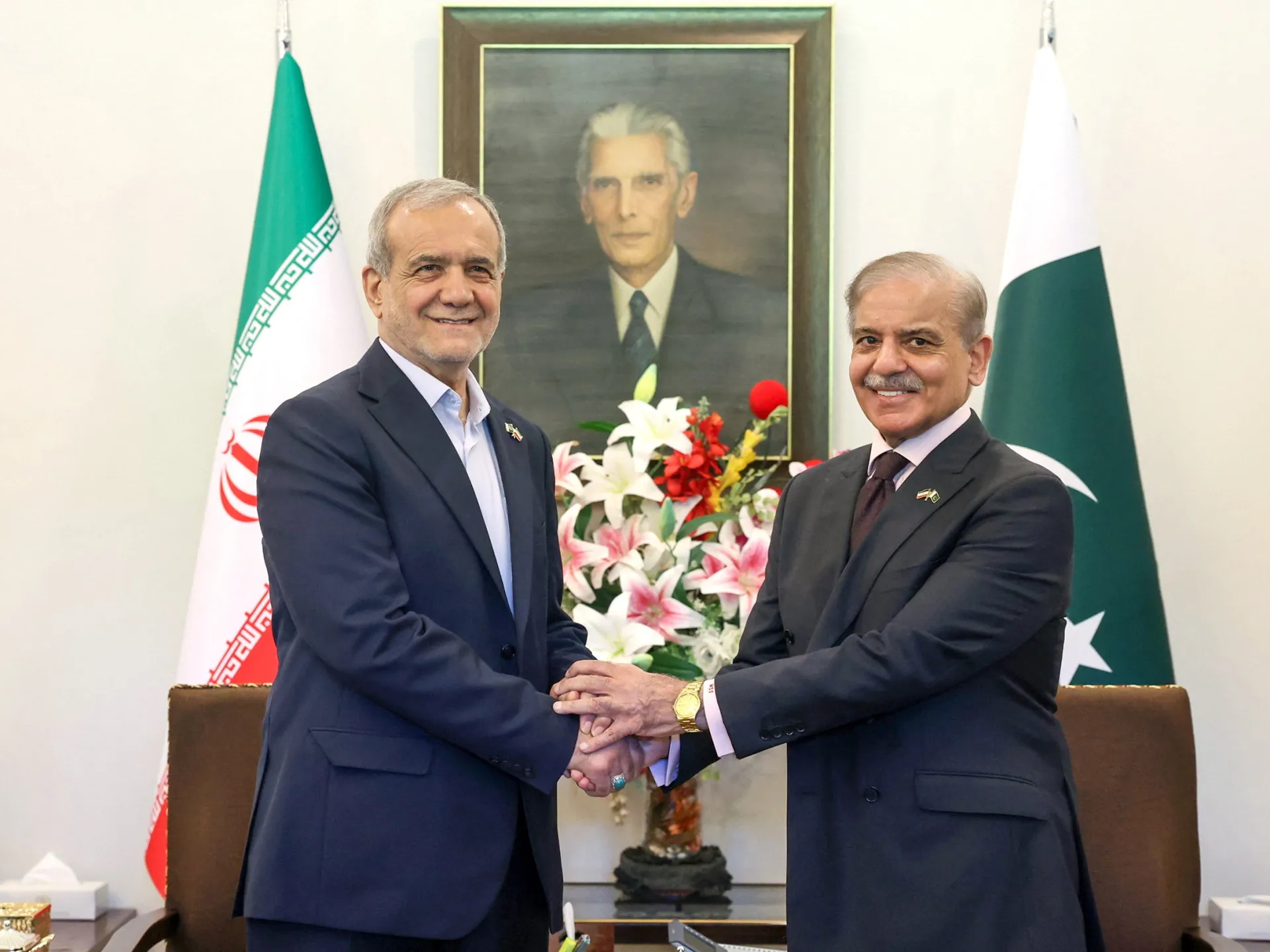
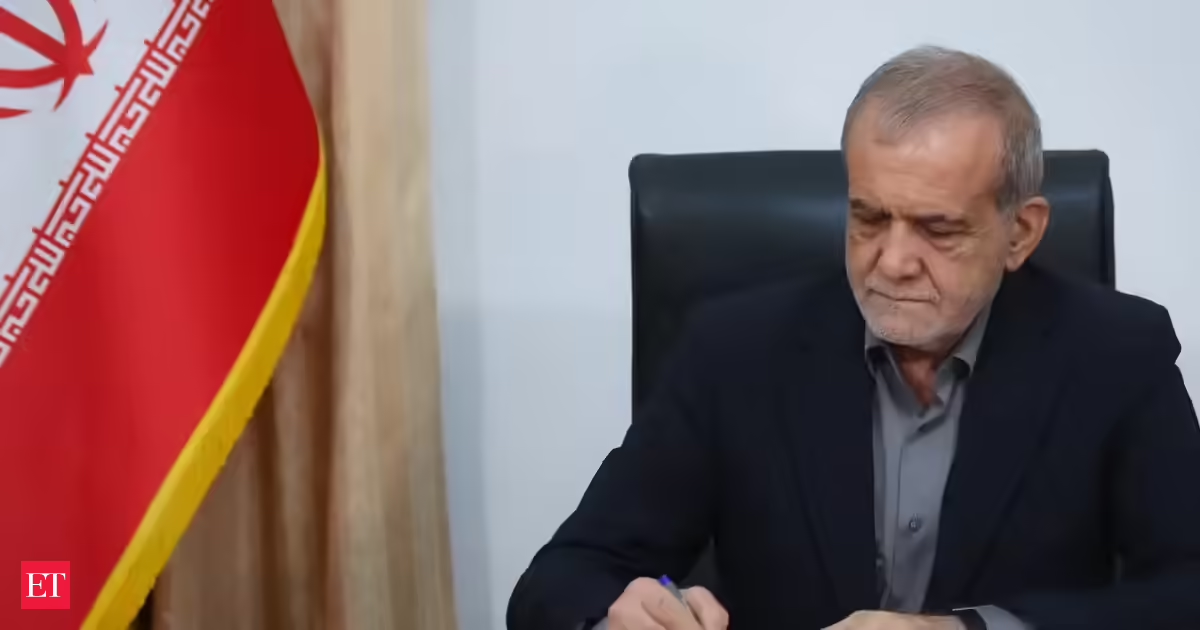
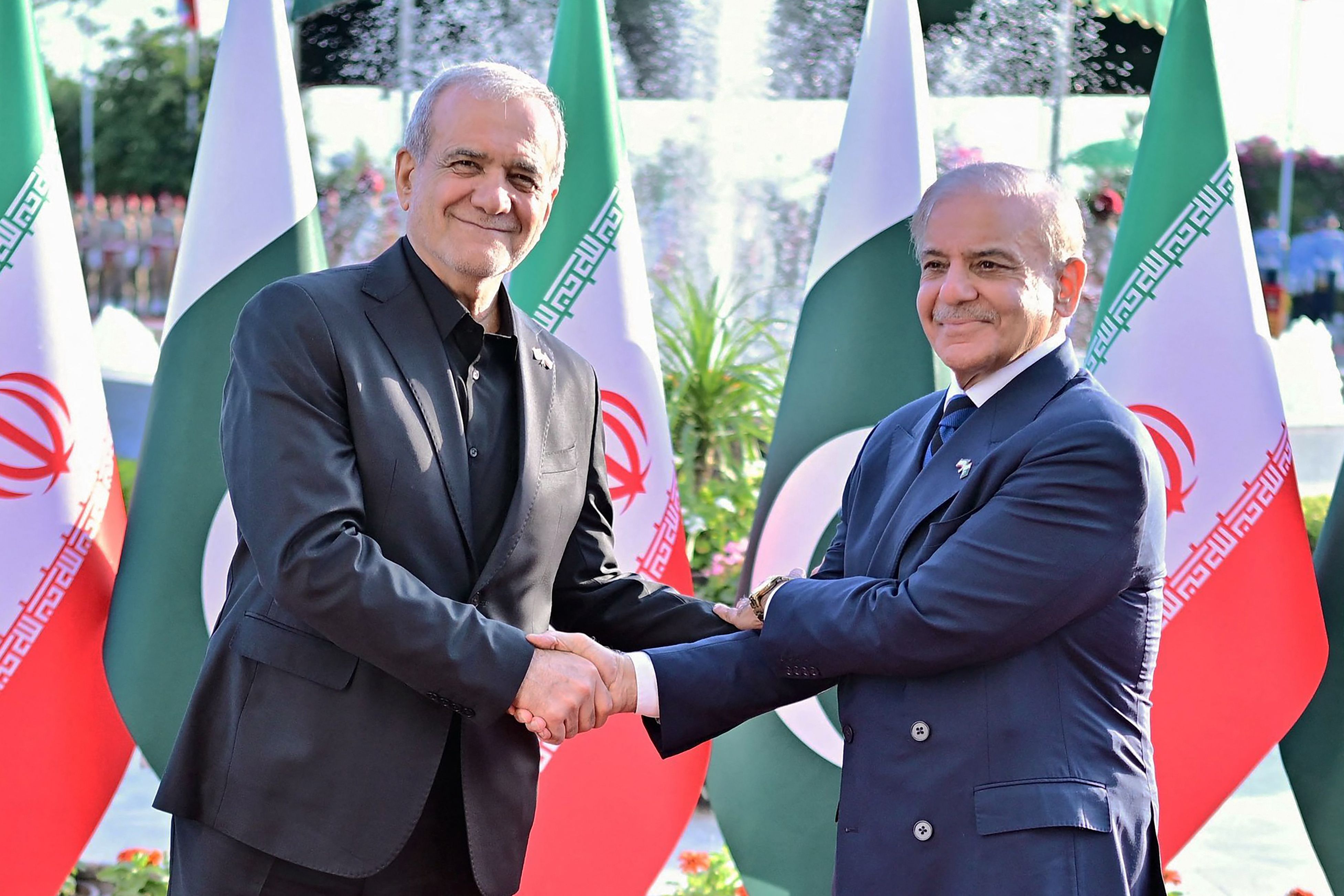
MUCH importance is attached to symbolism in international diplomacy, and the fact that Iranian President Masoud Pezeshkian’s first foreign visit after the cessation of the war with the US-Israel combine was to Pakistan speaks volumes.
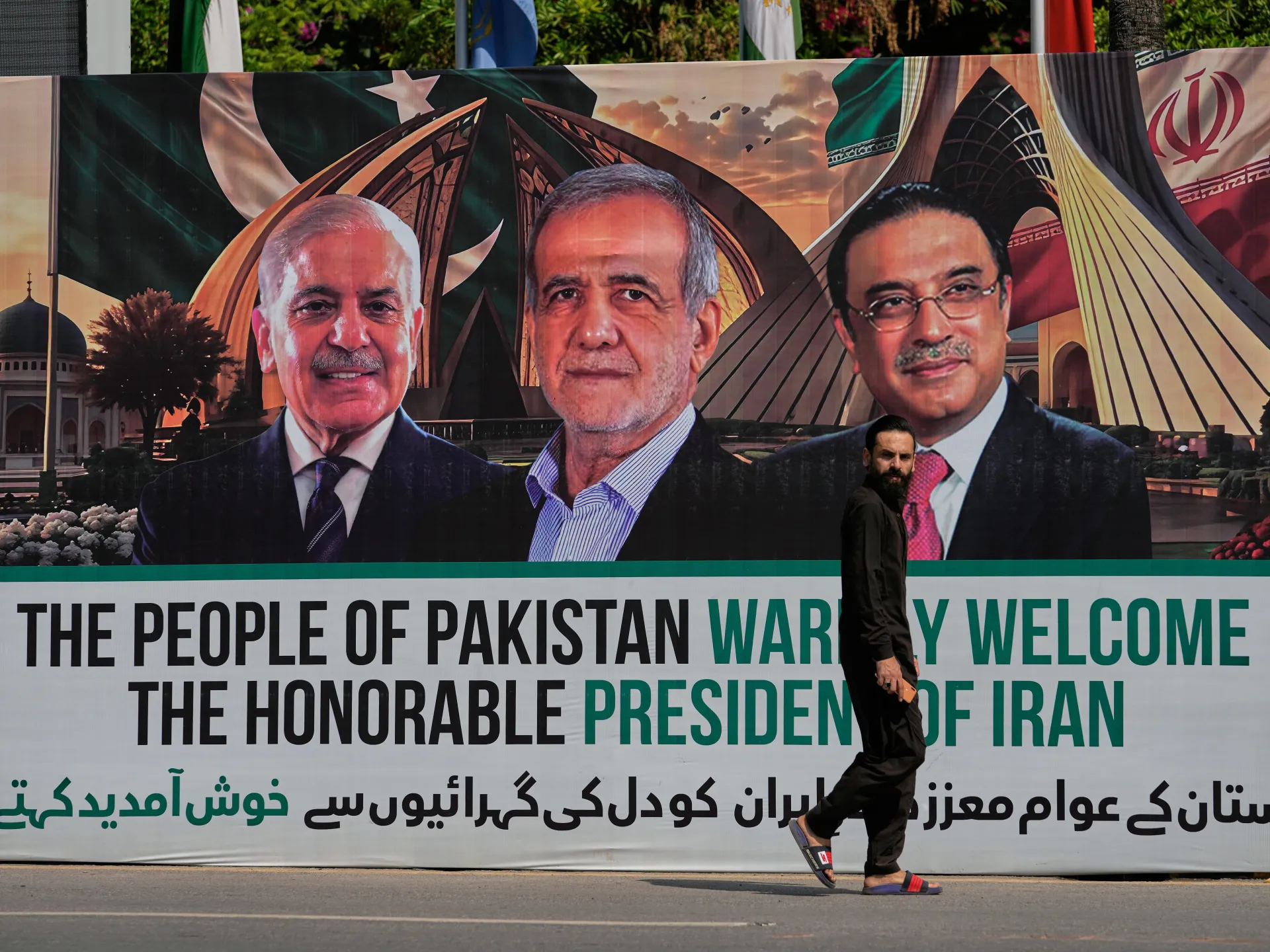
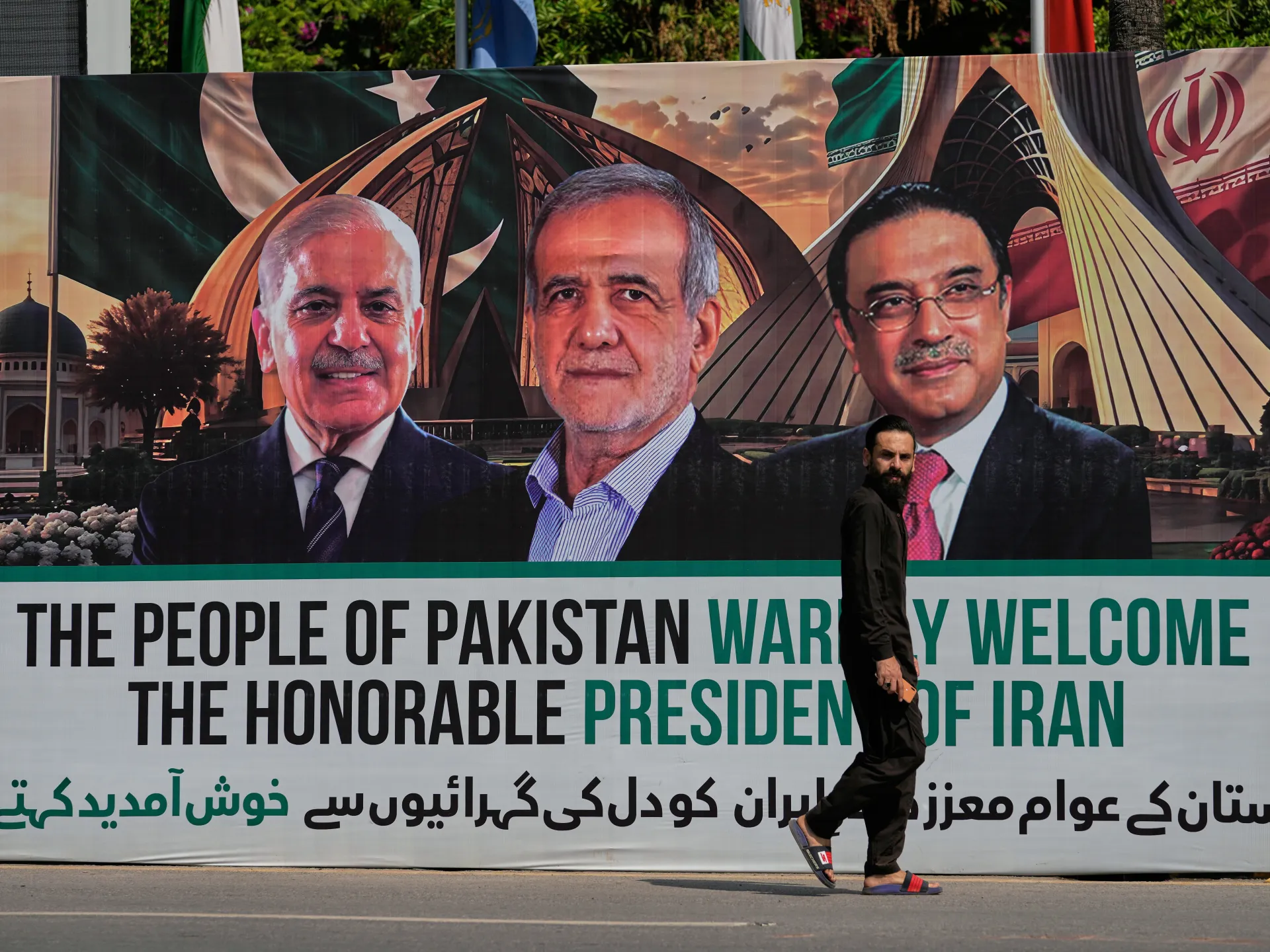
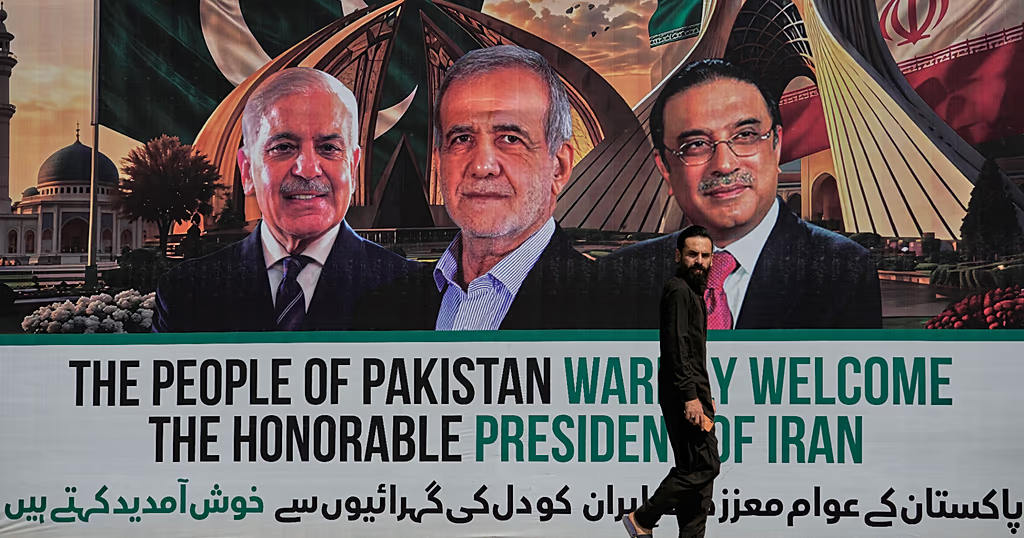
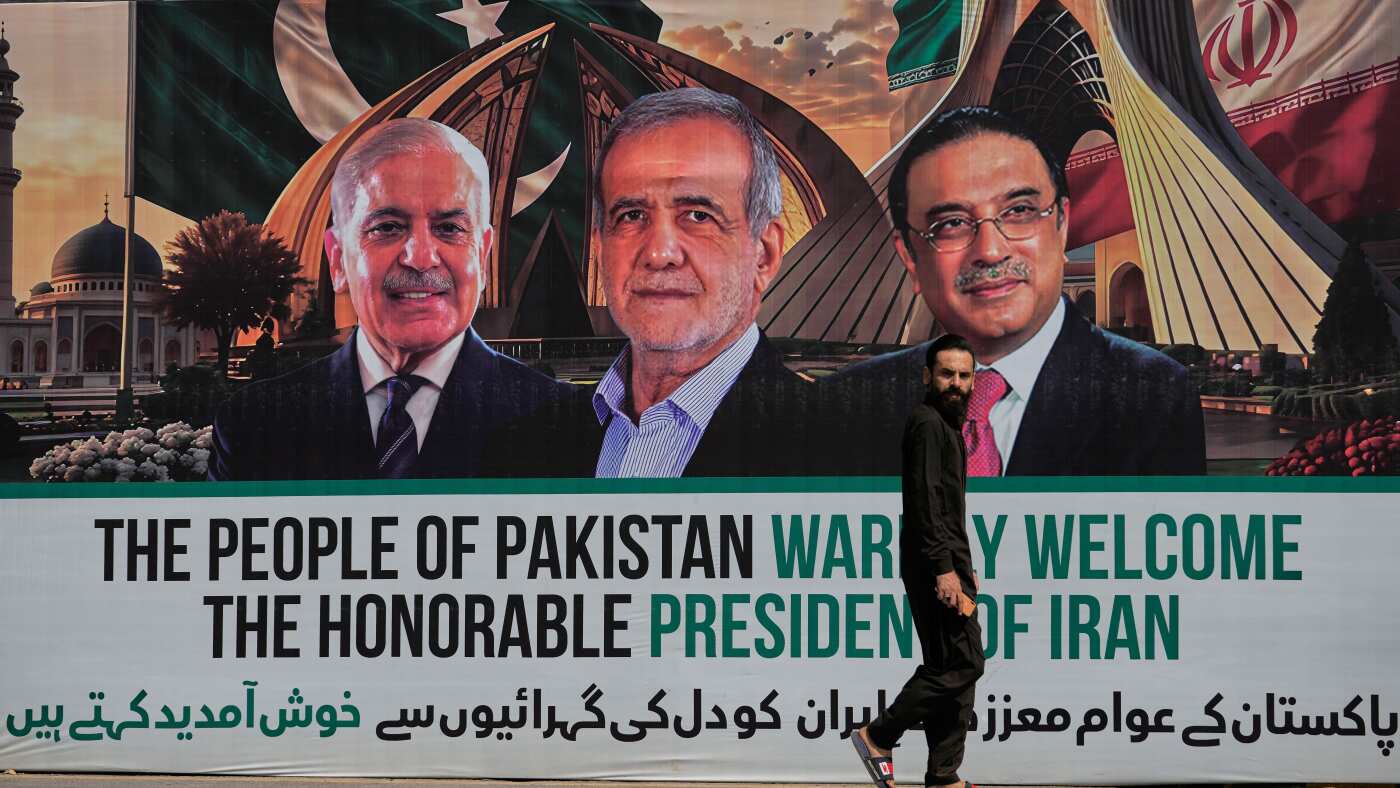
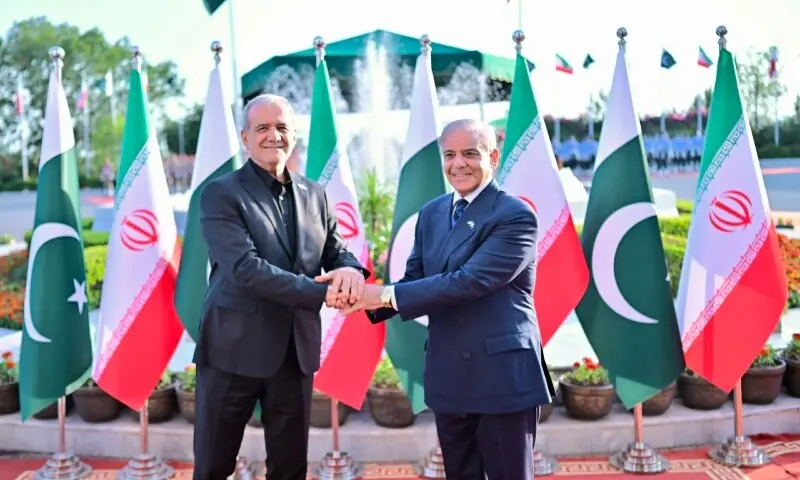
The Iranian leader received a warm welcome in Islamabad on Tuesday, with the top civilian and military leadership rolling out the red carpet for the distinguished guest and his delegation. Relations between both states were always cordial — with some hiccups — yet there seems to be a newfound respect for Pakistan within Iran after this country played a key role in helping wind down the aggression against its western neighbour.
Trust between both capitals has grown — after all the Iranians chose Islamabad to negotiate with the Americans in April over other venues. Now, it is time to transform this bonhomie into deeper bilateral engagement.
There has always been a desire on both sides to improve relations. Not only do the two states share a long border, they also enjoy cultural, religious and historical ties. But geopolitics has come in the way of better ties. Specifically, Pakistan has been wary about formally trading with Iran — though informal trade thrives — lest it attract American sanctions. But now, with the US beginning to peel back the layers of sanctions it has applied to the Islamic Republic over the last four decades, a window has opened for Pakistan and other states to trade openly with Iran. After all, the MoU that is currently being discussed between Washington and Tehran specifically mentions that “secondary sanctions” will also be terminated.