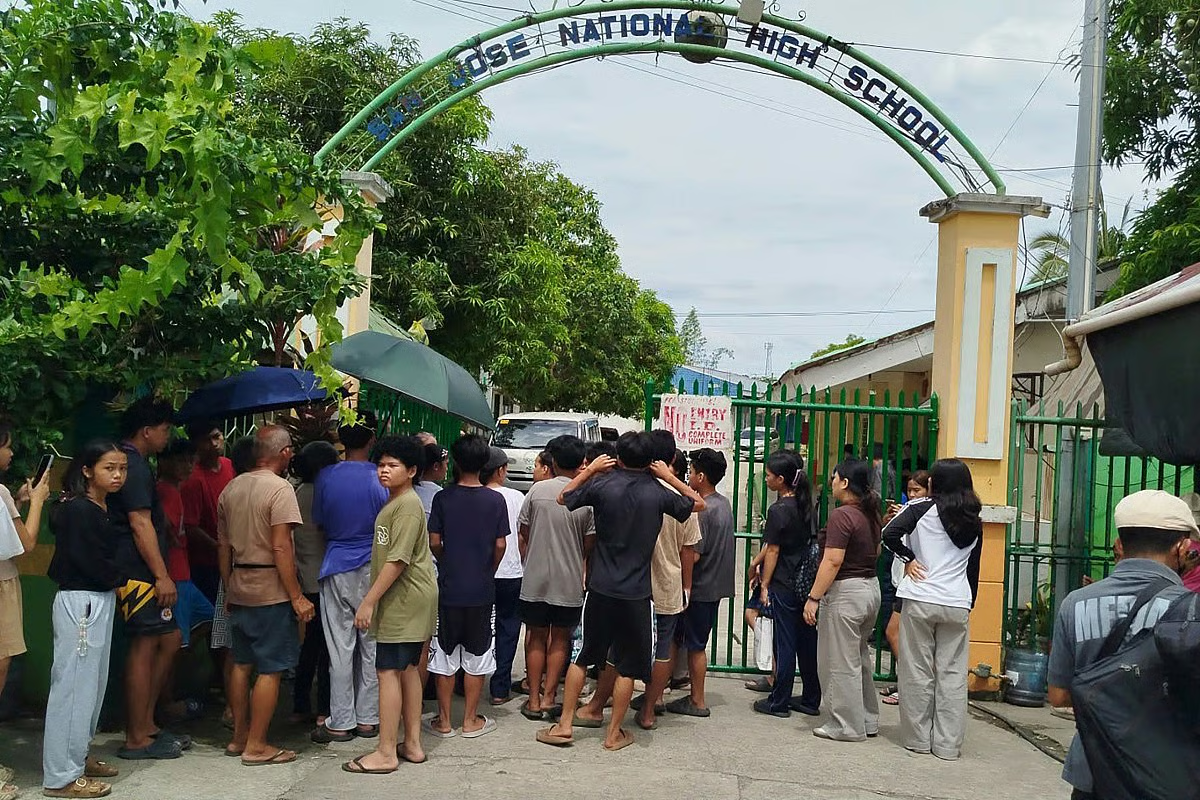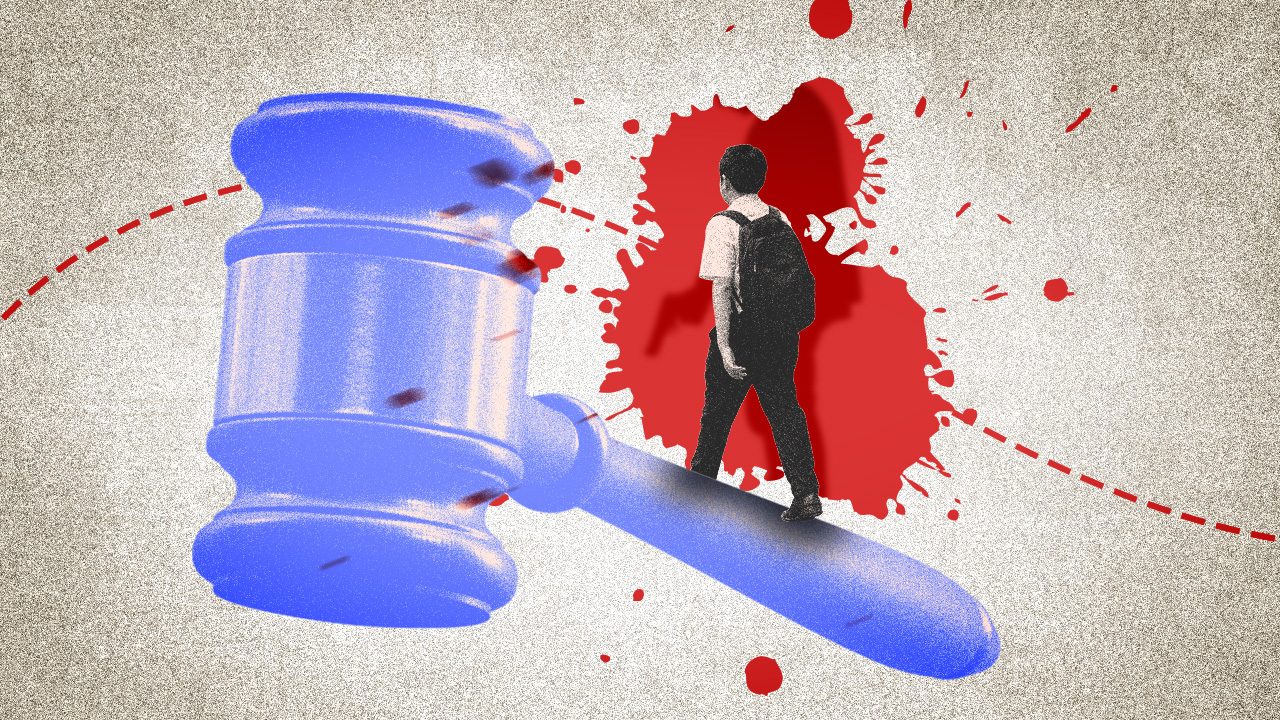
The recent school shooting in Tacloban shocked the nation. Two children, reportedly aged 14 and 15, allegedly brought a firearm to school and killed three of their classmates. The details remain subject to investigation, but the broad outlines of the tragedy have already ignited a national conversation.
The public is asking familiar questions: How could children commit such a terrible act? Where did the family fail? Where did the school fail? Where did society fail? Most importantly, what does the law say should happen to these children?
The debate immediately revived calls to lower the age of criminal responsibility. The Philippine National Police expressed support for reducing the minimum age of criminal responsibility from 15 to 12 years old. Child rights advocates responded that lowering the age would not solve the problem. The discussion quickly became polarized. One side demanded accountability; the other side demanded protection of children’s rights. Yet the tragedy in Tacloban reveals that the issue is more complicated than either side often admits.
To understand the debate, one must first understand the Juvenile Justice and Welfare Act of 2006, or Republic Act 9344, and its amendment under Republic Act 10630. The law is among the most progressive juvenile justice laws in Asia. It is grounded on the principles of child development, restorative justice, rehabilitation, and reintegration.