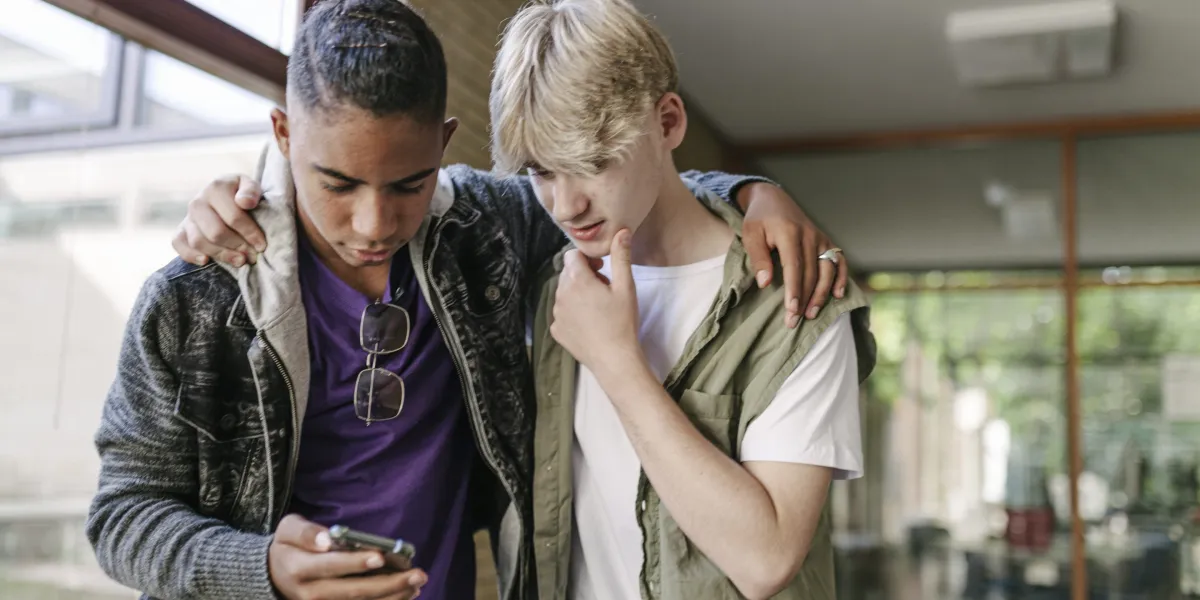
For generations, everyday life came with small moments of discomfort. Asking for directions, making phone calls, ordering food in person, or speaking with strangers were simply part of daily routines. Today, much of that friction has disappeared. Technology has made life faster, smoother, and more convenient. But according to a growing conversation around workplace success, something important may have been lost along the way.A new idea known as "friction-maxxing" suggests that deliberately stepping into uncomfortable human interactions could be one of the most valuable career skills young professionals can develop in an increasingly automated world, as per a report by Fortune.Why are everyday awkward moments becoming important again?For people who grew up in the 1970s and 1980s, life naturally included countless small social interactions. Getting directions often meant walking into a gas station and asking someone for help. Ordering food required speaking directly with another person. Calling a friend involved the possibility of an awkward conversation with a parent before reaching the person you wanted to talk to.You Might Also Like:Those moments were rarely viewed as lessons. They were simply part of normal life. Many members of Gen Z grew up in a different environment. Technology gradually removed many of these interactions through GPS, texting, apps, online ordering, and digital communication.The result is not a criticism of younger generations. Instead, it highlights how modern systems have been designed to reduce discomfort wherever possible.The challenge, according to advocates of "friction-maxxing," is that those uncomfortable moments may have been quietly teaching valuable life skills all along.You Might Also Like:What exactly is “friction-maxxing”?Writer Kathryn Jezer-Morton coined the term "friction-maxxing" to describe the deliberate practice of increasing tolerance for social discomfort that technology has largely eliminated. A simple example is making a phone call to a stranger. Unlike sending a text message, a phone conversation happens in real time. There is no opportunity to rewrite responses, delete mistakes, or carefully edit every word before speaking, as quoted in a report by Fortune.The concept has gained attention online, where some parents have shared videos of teenagers learning to make their own appointments over the phone.Rather than embarrassing their children, these parents are helping them practice low-pressure interactions that previous generations experienced regularly.You Might Also Like:Those small experiences may seem insignificant, but supporters argue they serve as valuable preparation for more important conversations later in life.Why do these skills matter more in the AI era?As artificial intelligence continues to automate many technical tasks, workplace expectations are evolving. The report points out that coding, research, data analysis, and other entry-level responsibilities are increasingly being handled by technology.What remains difficult to automate are human interactions involving disagreement, persuasion, collaboration, and judgment. The ability to stay calm during conflict, explain an idea clearly, listen to criticism, and improve a solution after receiving feedback remains highly valuable.A 2025 survey from the American Association of Colleges and Universities found that 96% of employers believe the ability to work through disagreement productively is important in today's workplace.However, only 34% felt recent graduates were prepared to do so. That gap represents a major opportunity for young professionals willing to develop these skills.What are durable skills and why are employers focused on them?The workplace increasingly values what many employers describe as durable skills. These include active listening, collaboration, communication, adaptability, and the ability to work effectively with people who hold different viewpoints.According to a 2025 DeVry University survey, 78% of employers said durable skills are the new form of job security. Another 70% reported that these skills influence promotion decisions. The report highlights examples where these abilities become critical. A flight attendant dealing with a difficult passenger, a nurse raising concerns about a medication error, or an employee handling workplace conflict all depend on communication and interpersonal judgment. When those skills are missing, problems often escalate and require intervention from others. When they are present, teams function more effectively and solutions improve.Can difficult conversations actually be practiced?Supporters of friction-maxxing argue that every uncomfortable interaction acts as a training opportunity. An awkward phone call becomes practice. A disagreement that is discussed rather than avoided becomes practice. A conversation with someone who sees the world differently becomes practice. Several colleges are already incorporating these experiences into educational programs. One example mentioned in the report is the Civic Gym initiative operated by Unify America.The program connects students from different schools and backgrounds and encourages them to discuss challenging topics such as immigration, education, and free speech.The purpose is not necessarily to reach agreement. Instead, participants build experience navigating disagreement respectfully and productively.At the University of North Dakota, nearly 900 students have participated. According to the program's results, more than 90% reported feeling heard and respected. More than 80% said they gained a perspective they had not previously considered. Three-quarters expressed interest in participating again, as quoted in a report.How can Gen Z start building these skills today?One approach is having a conversation where you ask two follow-up questions before sharing your own opinion. This encourages active listening and deeper understanding.Another suggestion is handling group project conflicts through direct conversation rather than extended text messages. People are also encouraged to pause before dismissing opposing viewpoints and consider why another person may believe what they do. Introducing yourself to someone at an event instead of immediately looking at a phone is another example of creating meaningful human interaction. Even something as ordinary as making your own appointment by phone can become valuable real-world practice.The message behind friction-maxxing is straightforward. Discomfort is not always something to avoid. Sometimes it is where growth happens.As technology continues removing friction from everyday life, the ability to navigate real conversations, disagreements, and human connections may become one of the most valuable professional advantages a person can develop. In a workplace increasingly shaped by AI, those skills could be what sets future leaders apart.FAQsWhat is friction-maxxing?It means intentionally practicing uncomfortable real-life interactions.Why does it matter at work?It helps build communication and conflict-resolution skills.You Might Also Like:
Is Gen Z too soft for the modern workplace? Here's why 'friction-maxxing' is essential for workplace skills
Gen Z, embrace workplace friction for career growth. The article argues that technology has removed essential discomfort, hindering crucial skills like conflict resolution and active listening. Practicing these 'durable skills' through everyday interactions, like making phone calls or engaging in difficult conversations, is vital for success as AI automates technical tasks. Colleges are now incorporating this practice, highlighting its importance for future professionals.
991 words~5 min read