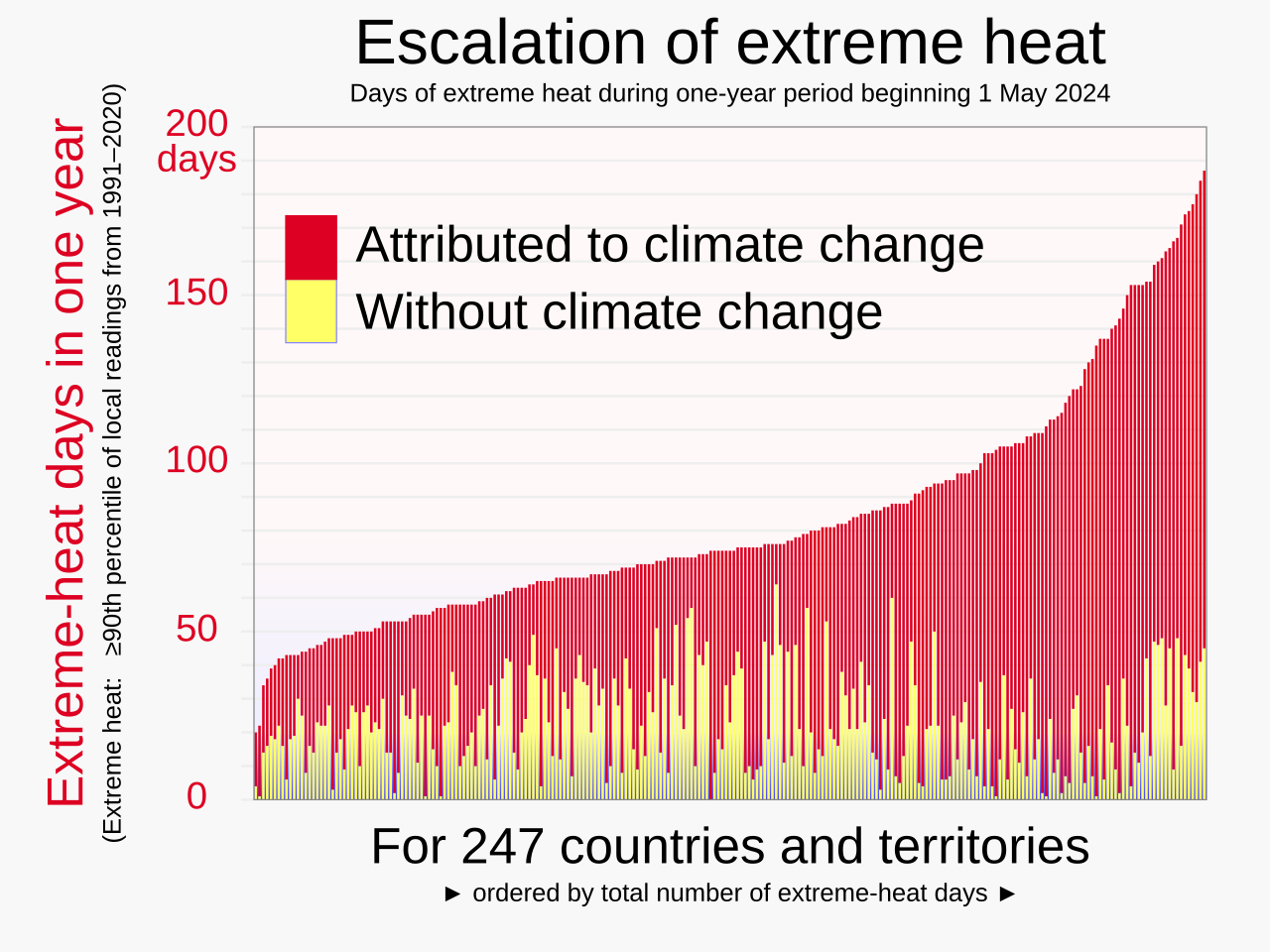
Chart showing number of days of extreme heat over the course of one year for 247 countries and territories, broken down by days attributed to climate change and those that would have occurred without climate change. By RCraig09, via Wikimedia Commons (CC BY-SA 4.0 license).
Support CleanTechnica's work through a Substack subscription or on Stripe.
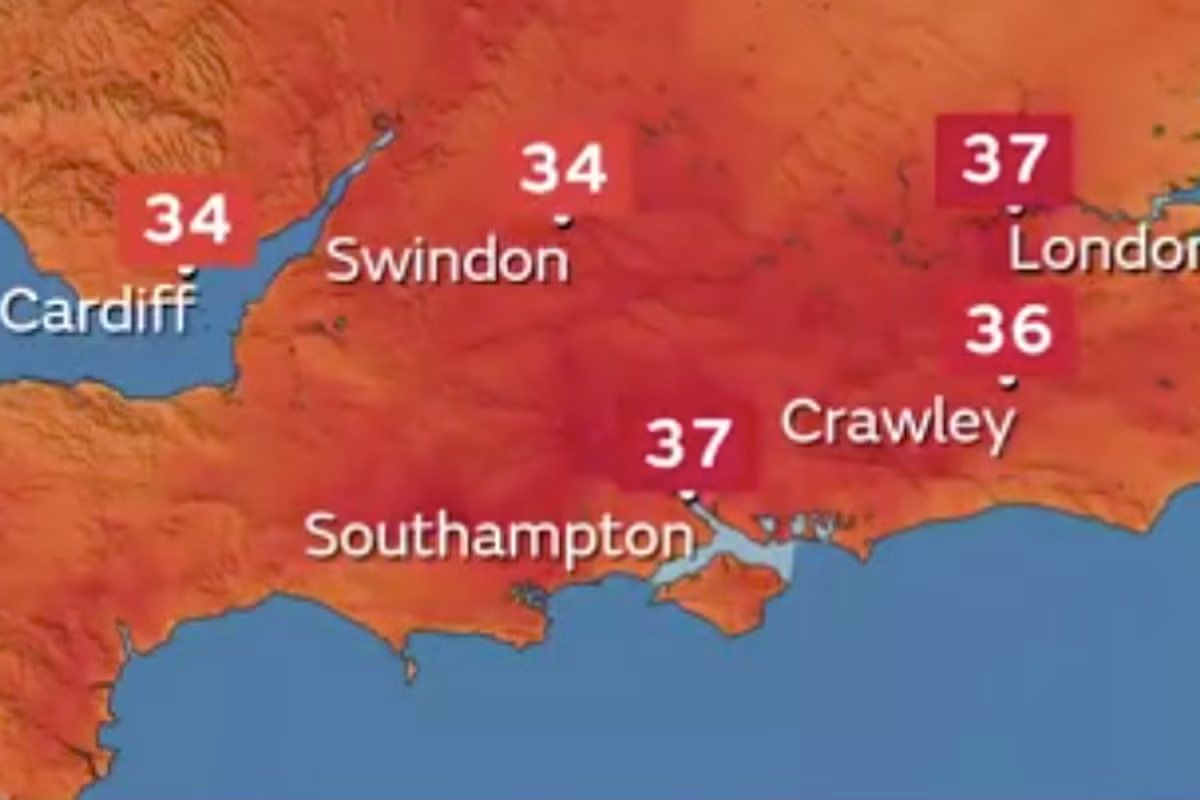
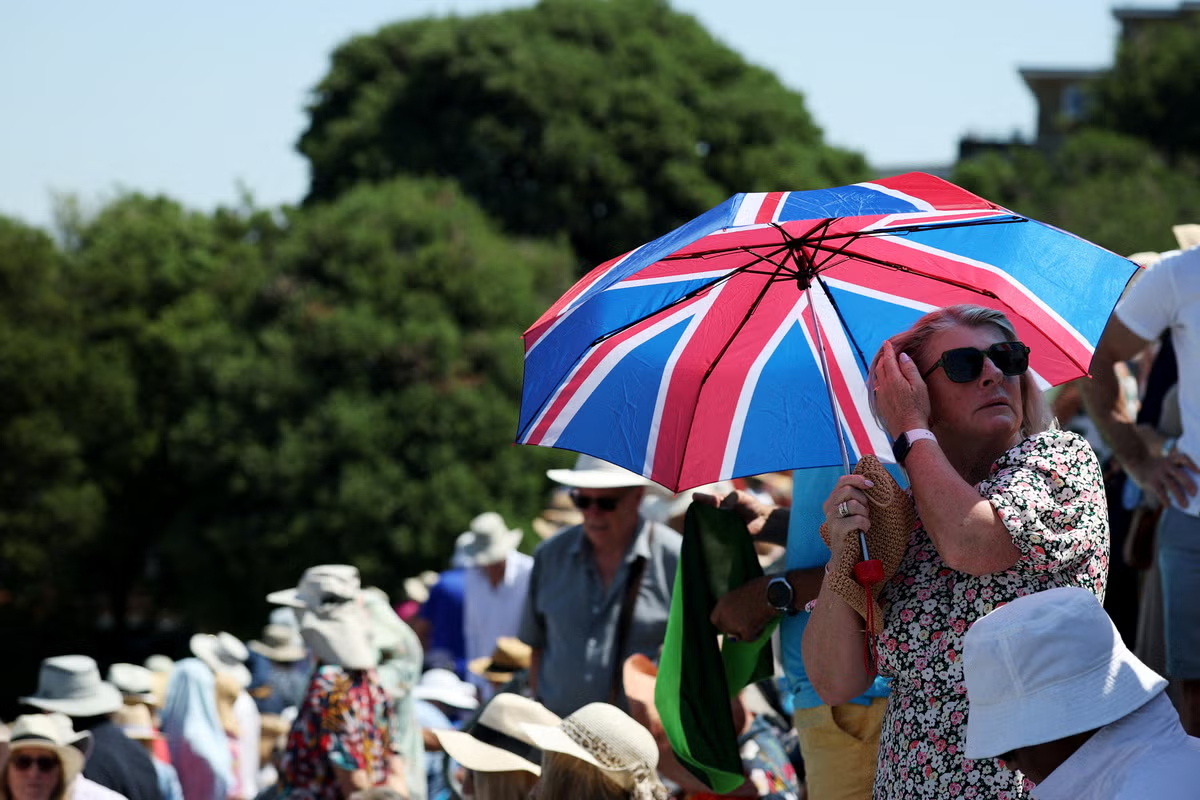
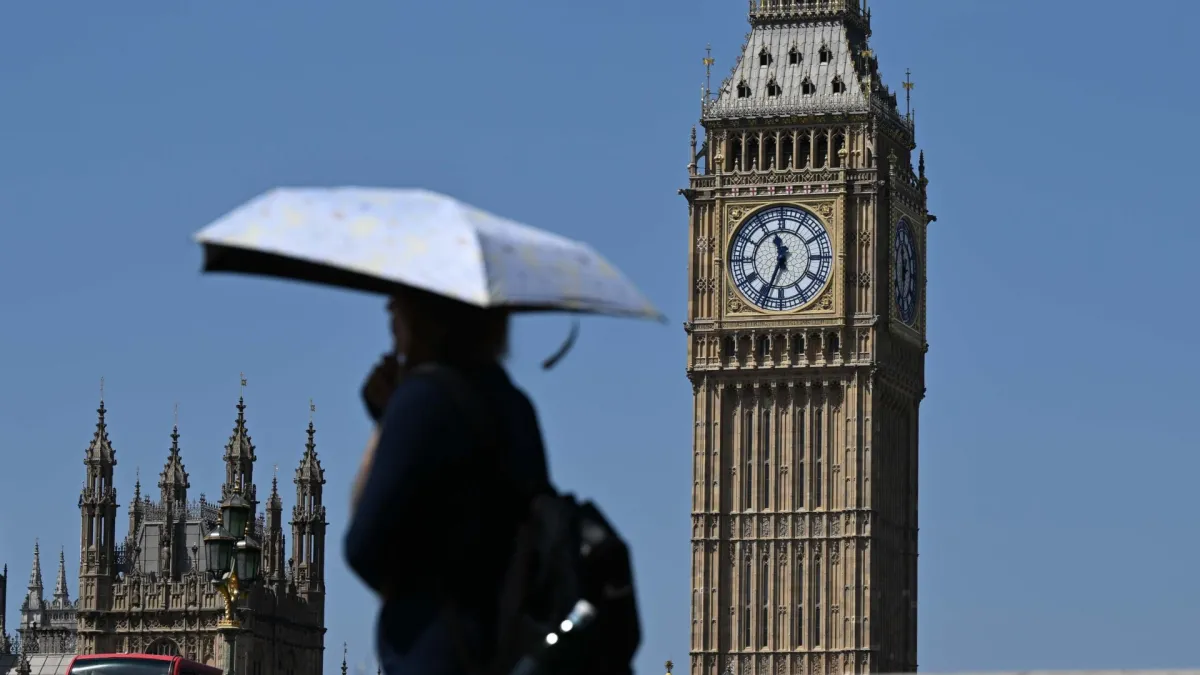
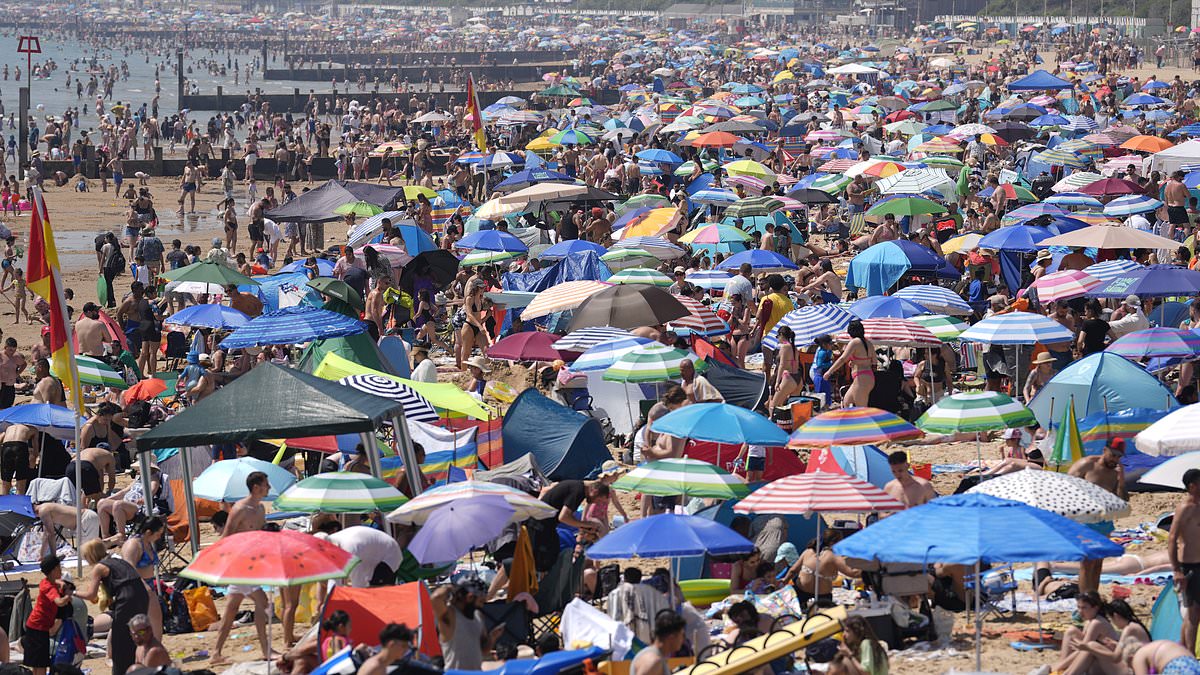
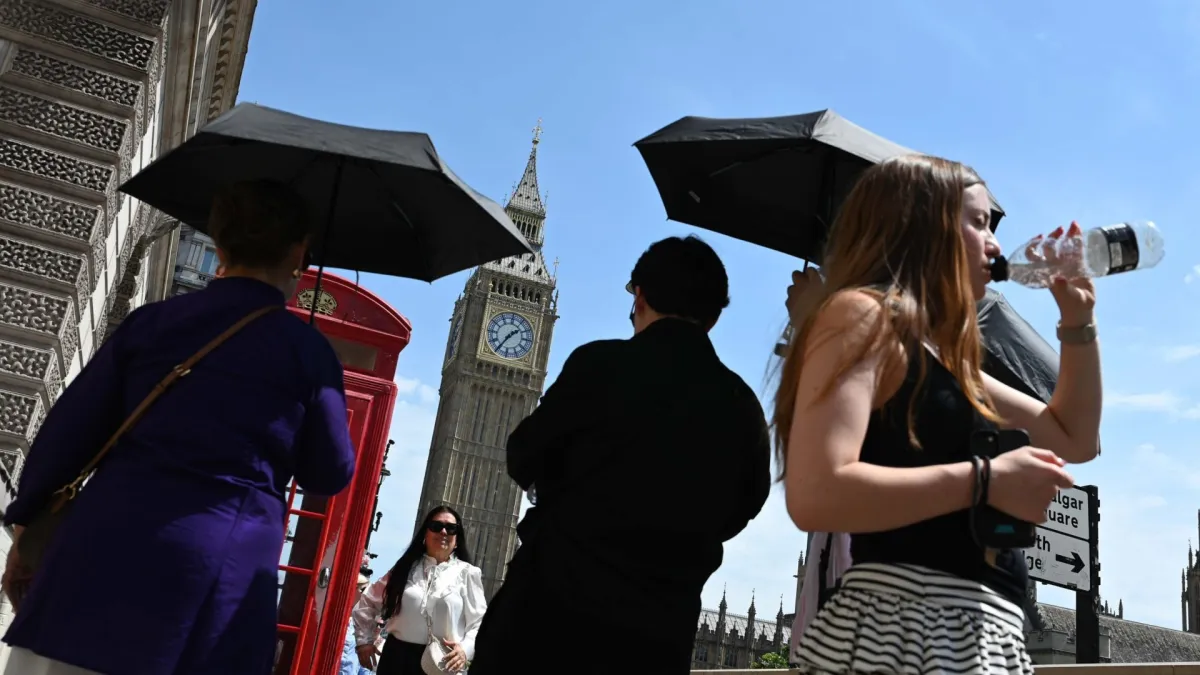
According to CNBC, on June 22, 2026, the Met Office — the UK’s official weather service — issued a rare red “extreme heat” warning for Wednesday and Thursday. It warned that the country’s highest temperature on record for June is “very likely” to be broken over the coming days.
A red warning is only issued when an exceptional spell of hot and humid weather is expected. The combination of high heat and high humidity means the body may be unable to cool itself without the aid of mechanical devices such as air conditioners and heat pumps. The red warning indicates the potential for adverse health effects throughout the population wide and means substantial changes in daily routines will be required.
The Met Office warning said the mercury could reach at least 39 degrees Celsius (102º F) this week, while evening temperatures were unlikely to drop below 20 degrees Celsius (68º F). “Red warnings are reserved for the most severe events and we’re expecting severe and significant impacts from this heatwave, with health impacts likely for many, even beyond those who are normally more vulnerable to the heat,” said Mark Sidaway, deputy chief forecaster of the Met Office. Extreme heat alerts were also issued in France, Spain, Germany, Italy, and Switzerland.