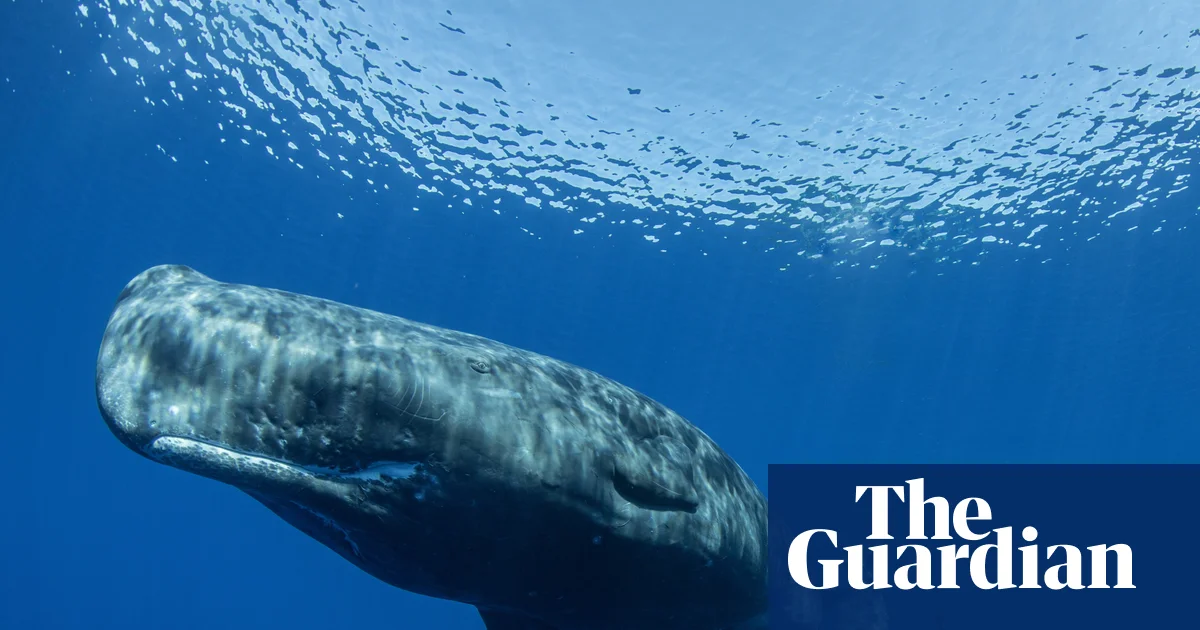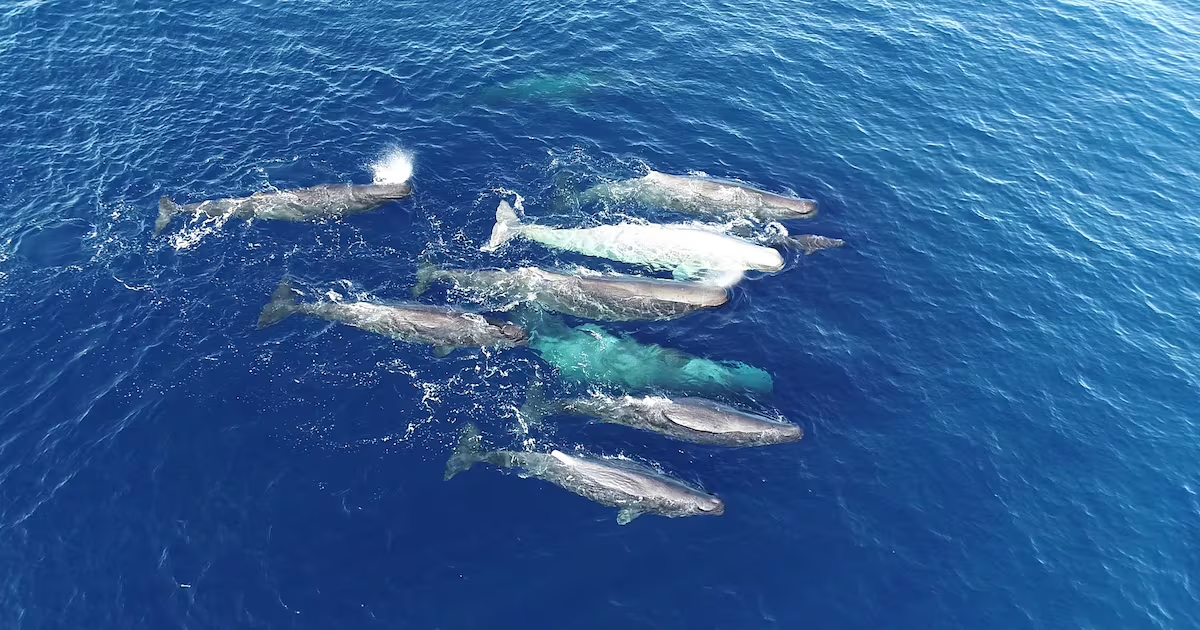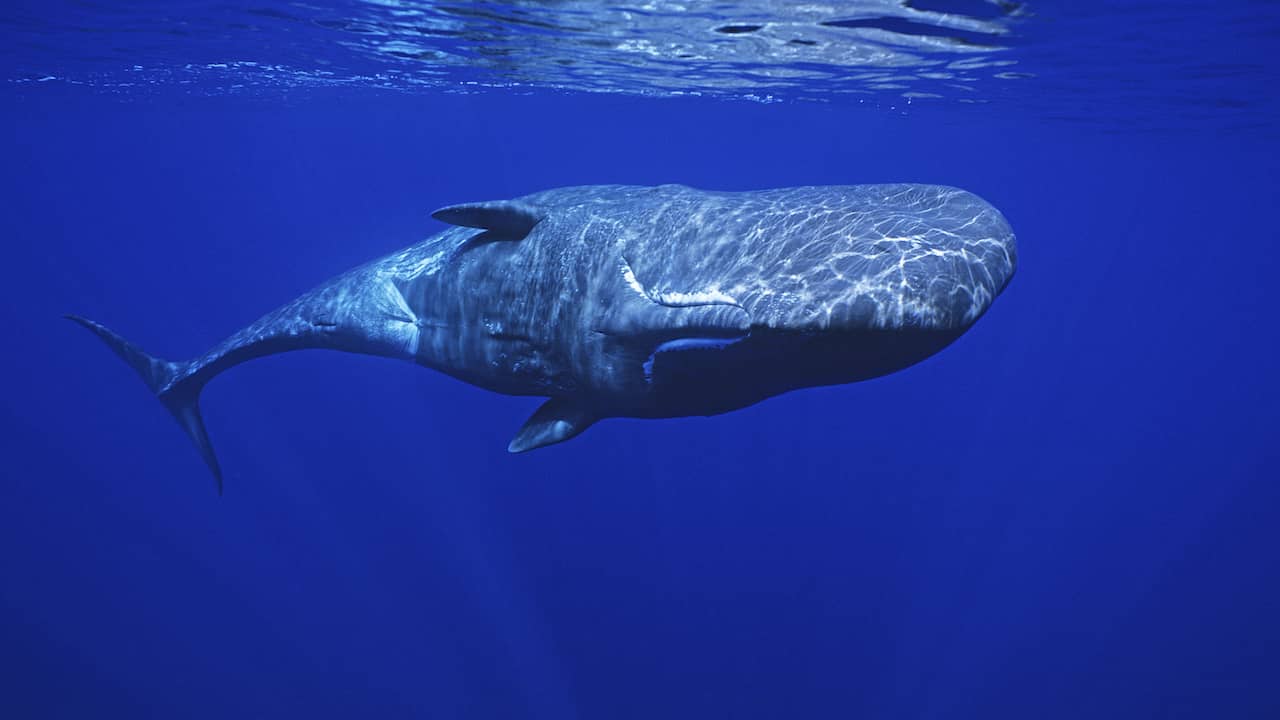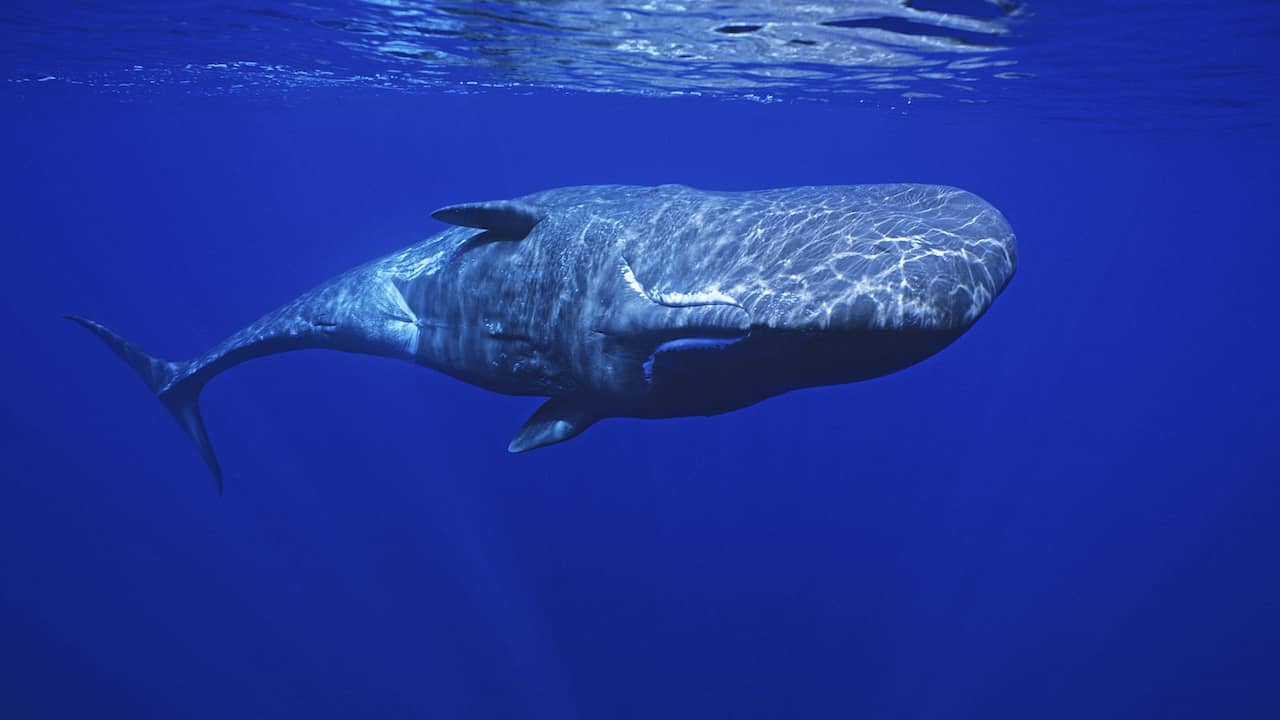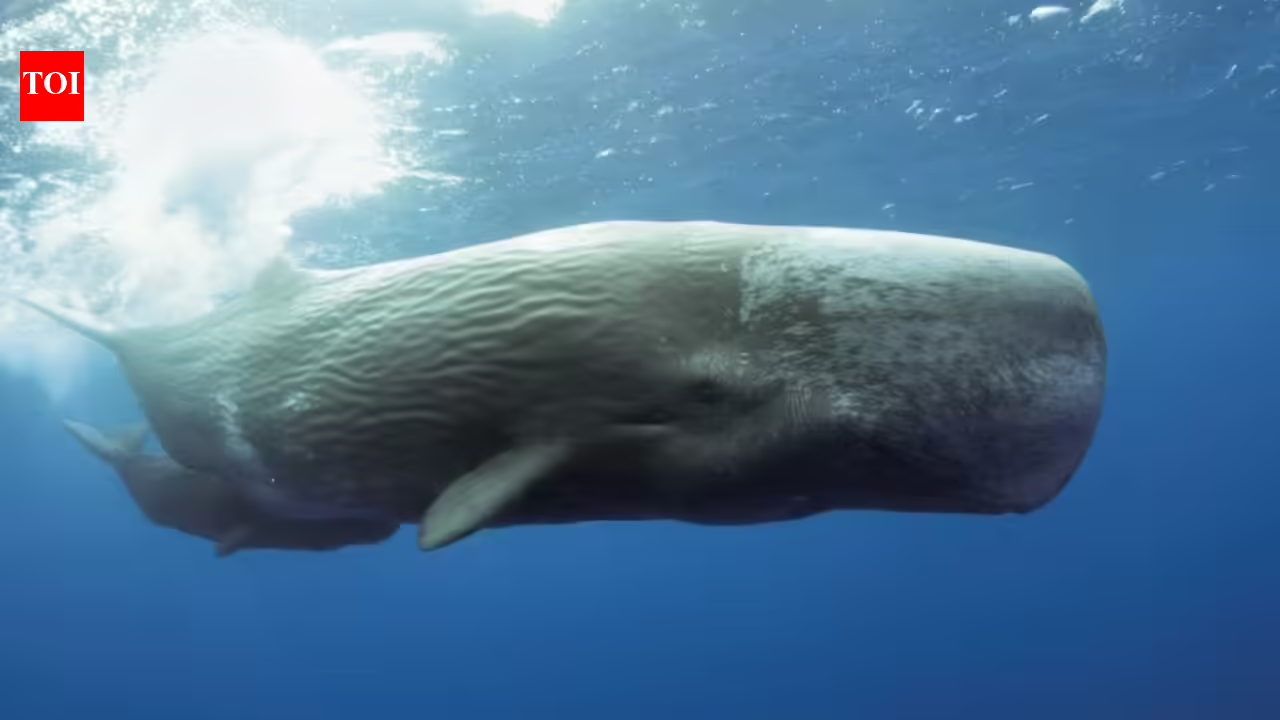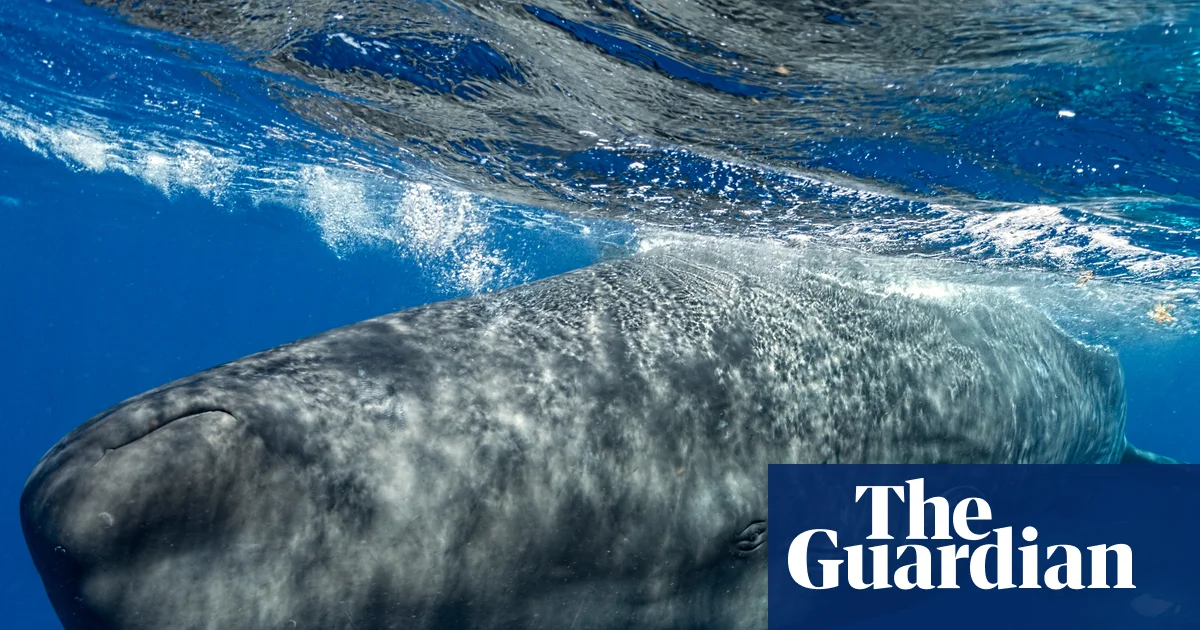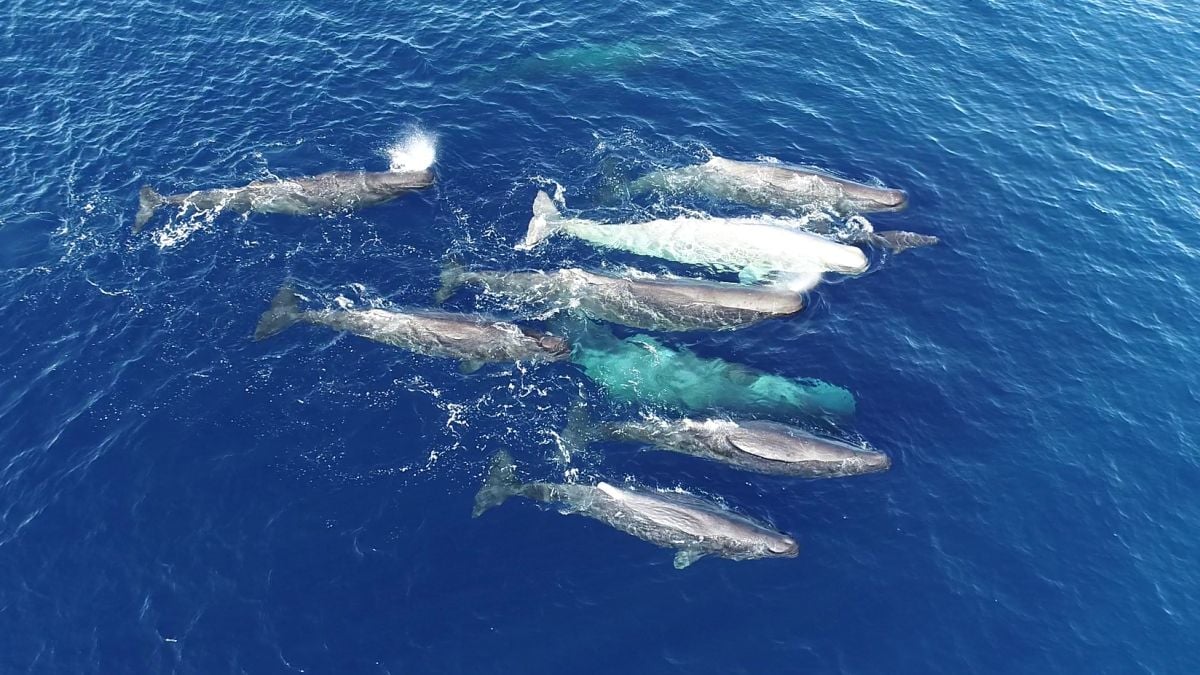
A sperm whale group in the Mediterranean (including one albino individual). (Asociación Tursiops)
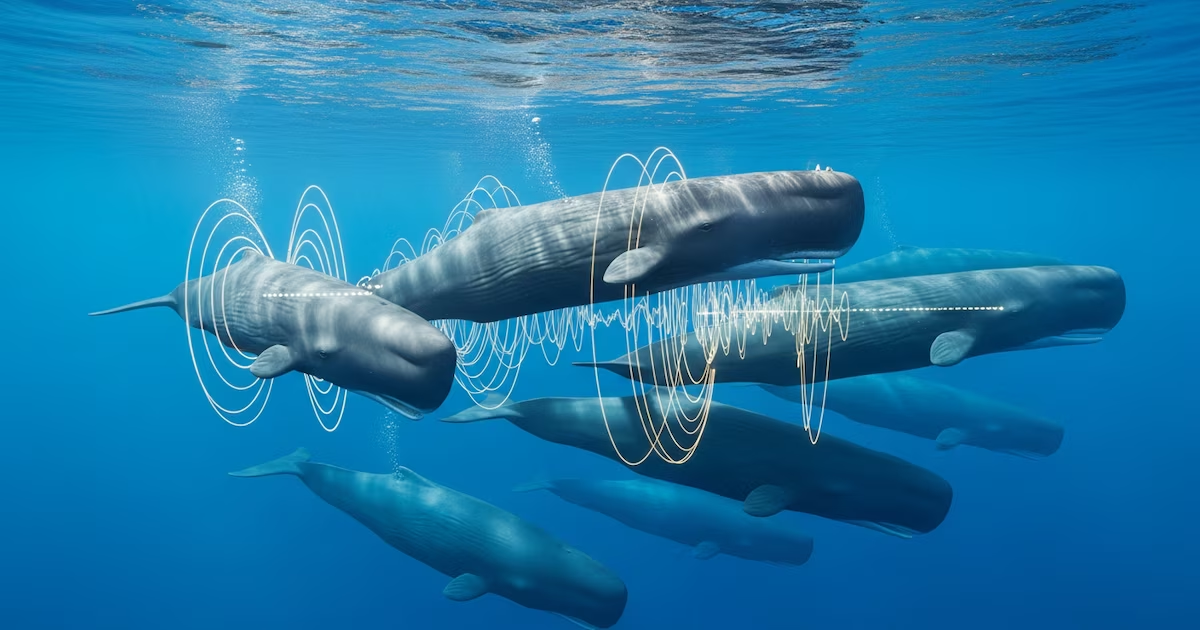
In the sparkling blue waters of the Mediterranean Sea, a cultural divide may be underway.Between the eastern and western communities of sperm whales (Physeter macrocephalus) that call the region home, scientists have discerned distinct differences in communication style.Eastern whales produce more rapid-fire click patterns, or codas, than the slower click style observed in the west.This difference, according to a team led by bioacoustician Taylor Hersh of the University of Bristol and marine biologist Luke Rendell of the University of St Andrews, may be evidence of cultural evolution."For so long, the Mediterranean sperm whale population was thought to comprise one cultural group that produced a very simple dialect," Hersh told ScienceAlert."Prior to our research, other studies had started to question this long-held belief. What excited me the most about our discovery of two dialect groups was how clear the differences were when we started listening."Sperm whales in the Mediterranean. (Asociación Tursiops)Sperm whale societies are highly structured, with smaller, matrilineal family units of up to about 20 individuals.These whales live as an independent group but also form part of a much larger clan that can consist of thousands of whales that share a communication style across thousands of kilometers of ocean.Rendell first noted in 2003 that each sperm whale clan has its own distinct coda patterns, or dialect, and that these groups prefer not to mingle, suggesting that their dialect may help establish social identity.They can also have different lifestyles. In the Eastern Caribbean, for example, different sperm whale clans favor different islands and habitats, even though they all live in the same broader region.Earlier studies had hinted at regional differences in Mediterranean sperm whale vocalizations, too, including a 2024 study near Sicily that identified a distinct local dialect.To investigate further, Hersh and her colleagues assembled the largest Mediterranean coda dataset yet analyzed.What an enviable lifestyle. (Asociación Tursiops)There was a lot of data available. Between 2003 and 2021, the Balearic Sperm Whale Project in Spain had taken periodic recordings of sperm whale vocalizations in the waters surrounding the Balearic Islands in the western Mediterranean.Between 2005 and 2019, the Pelagos Cetacean Research Institute in Greece had done the same along the Hellenic Trench in the east.In total, the researchers had 5,291 whale codas to analyze."As soon as we started listening to sperm whale recordings from both regions, the differences were actually very stark!" Hersh said."While the western Mediterranean whales' favorite coda type and the eastern Mediterranean whales' favorite coda type are rhythmically very similar (three equally spaced clicks with an extended pause before the final click), the tempos are very different."The western coda type is quite slow (it's easy to hear each of the four clicks), whereas the eastern coda type is so fast it's hard to actually detect all four clicks."(Asociación Tursiops)Despite the differences, the researchers don't think the eastern and western whales are fully separate cultural groups. Instead, one group appears to be developing a new culture that is firmly rooted in its ancestral traditions."I imagine it more like someone from Boston meeting someone from Mississippi: The strong accents might mean that people need to repeat themselves to be understood, but at the end of the day, both people are speaking English," Hersh explained.The differences are not as dramatic as those seen in some populations of killer whales, where culture may be helping drive populations apart. Male sperm whales still cross the Mediterranean and breed with whales from the other group, maintaining genetic links between the populations.Mediterranean sperm whales are unusual in other ways, too. Their isolation may have allowed unique cultural traditions to accumulate over thousands of years.(Pelagos Cetacean Research Institute)Unlike most sperm whale populations, where adult males spend much of their lives far from female-led family groups, males and females in the Mediterranean appear to share the same waters throughout their lives."It seems that sperm whales first entered the Mediterranean around 20,000 years ago, and since that time they have expanded to occupy the deep waters of the entire sea, accumulating knowledge along the way about where productive areas are and which areas to avoid," Rendell told ScienceAlert."This knowledge will be a unique cultural property of Mediterranean sperm whales."It's here, in this unusual population, that the researchers believe we may be seeing the very early stages of sperm whale clan formation.Related: Scientists Found Human Speech-Like Patterns in Sperm Whale ClicksWe may never know what the whales are saying to each other when they fire their staccato vocalizations across vast distances – but for Hersh, Rendell, and their colleagues, the far more interesting question is what those clicks can tell us about whale society and culture."The main thing I feel when I think about the two dialect groups is curiosity: We now know that they communicate using different types of codas, but in what other ways do they differ? In what ways are they similar?" Hersh said."Those are exciting questions for future sperm whale work in the Mediterranean Sea."The findings have been published in the Proceedings of the Royal Society B: Biological Sciences.