Show Caption
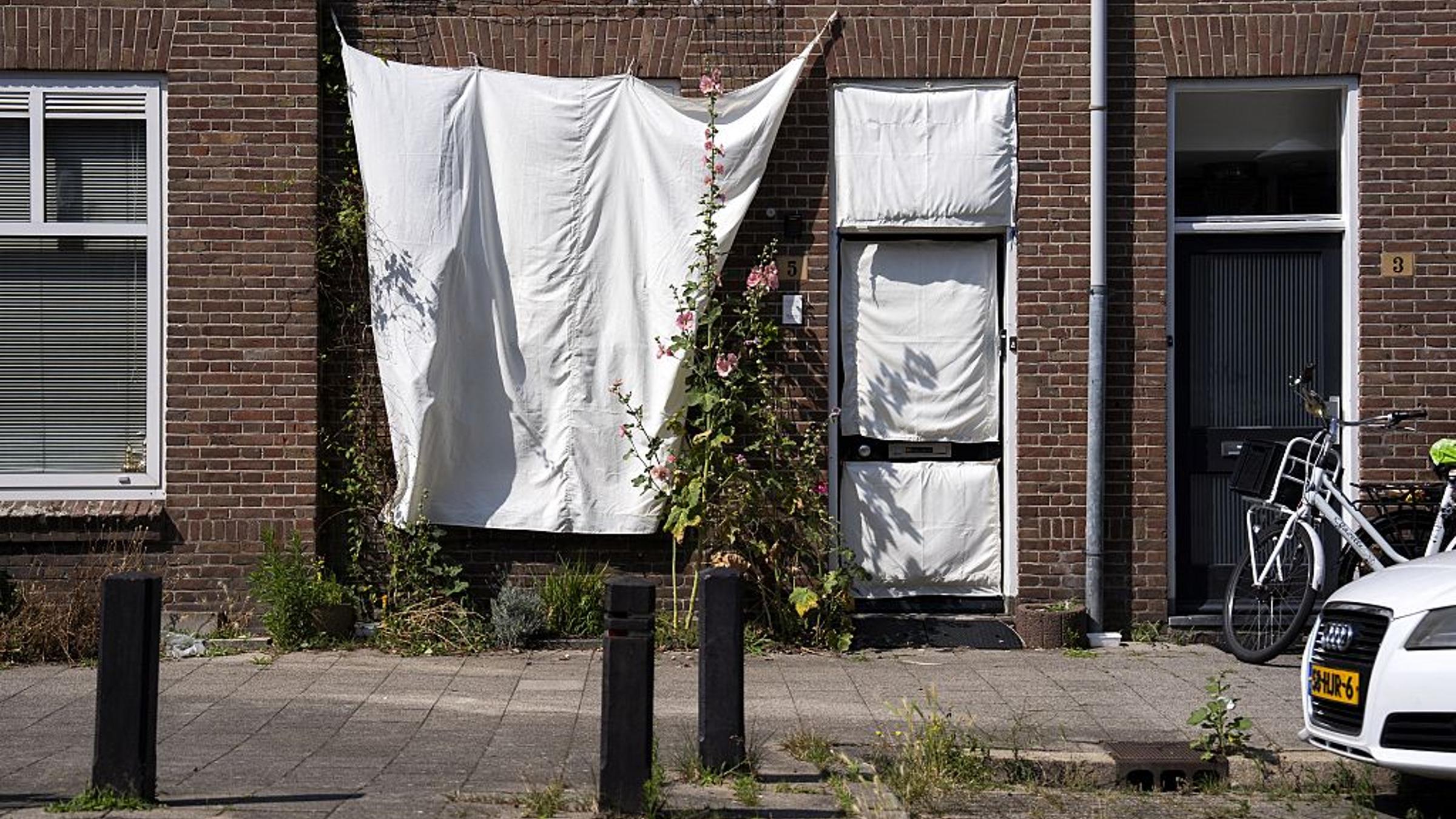
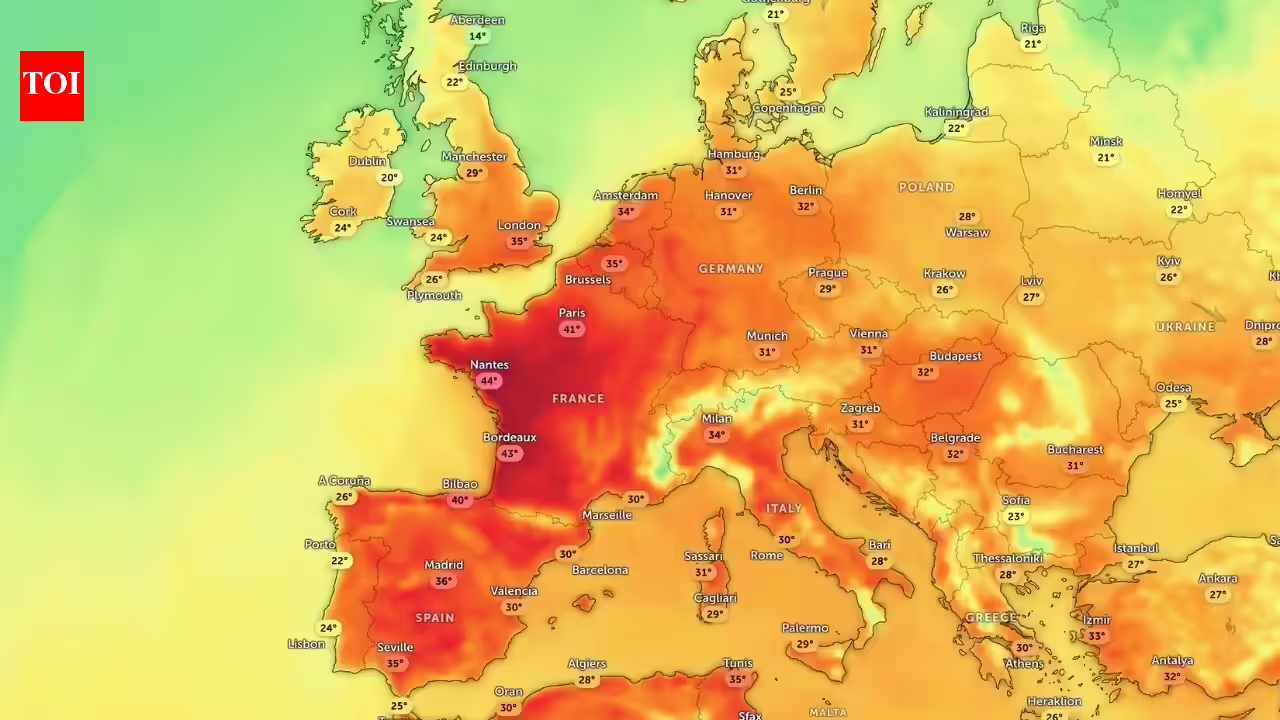
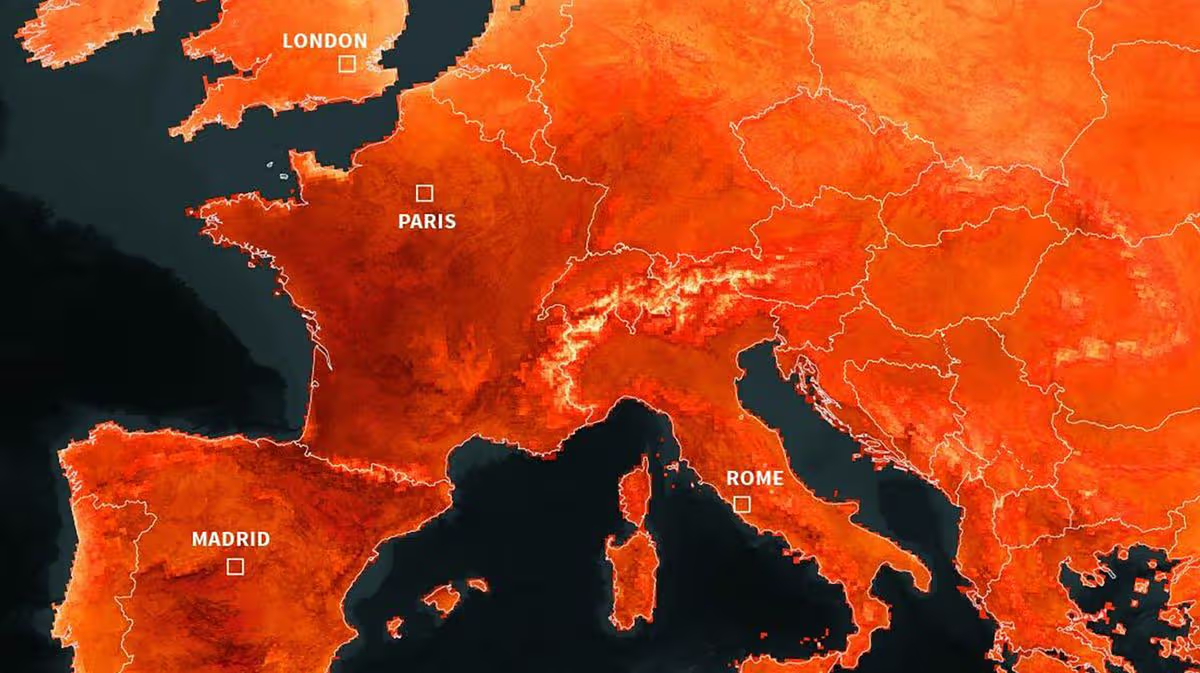
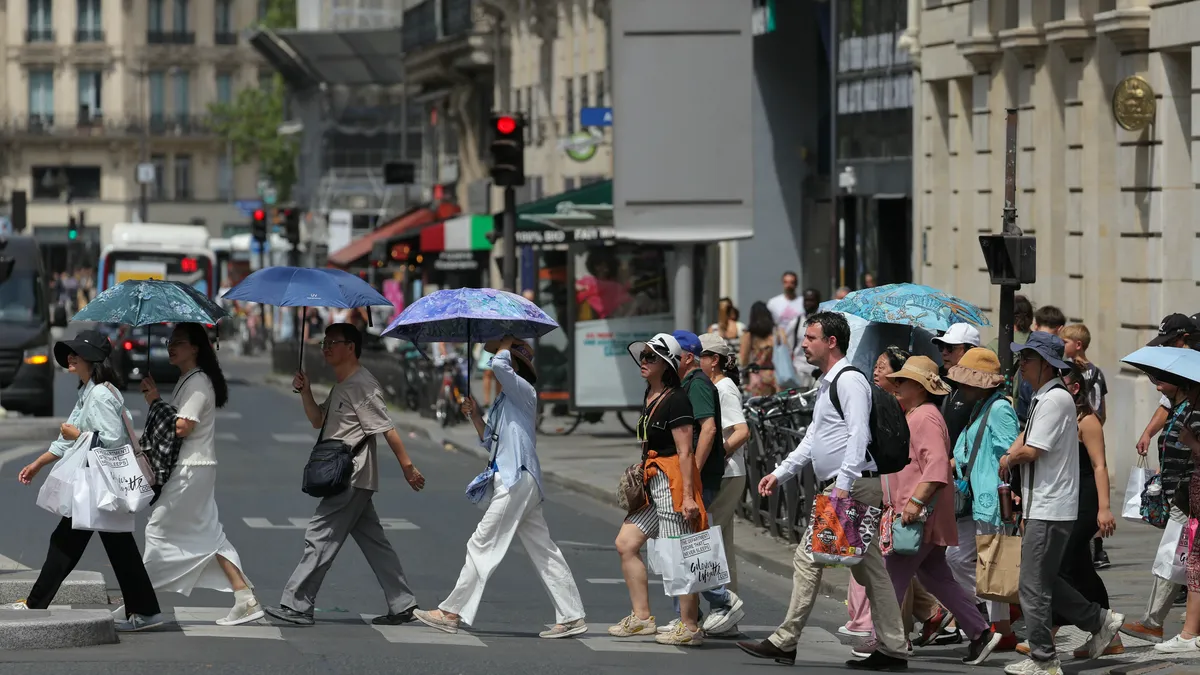
A sweltering and deadly heat wave enveloping parts of Europe has been breaking temperature records and is blamed for dozens of deaths in recent days – and it has Americans wondering, are we next?The extreme heat has been consuming Great Britain, Italy and Spain, and temperatures in parts of France were expected to reach at least 104 degrees Fahrenheit on June 23.There may be some connection between the European heat wave and what weather will look like a few days from now in parts of the United States, particularly the East Coast, AccuWeather senior meteorologist Chad Merrill said. Indeed, next week, parts of the East are expected to heat up and could experience heat wave conditions, he said. And there are more stretches of hot weather that could turn into heat waves this summer, he said.Forecasters have said the outlook for summer across the United States shows a widespread likelihood of temperatures reaching above the historical average for much of the country.Already, the first few days of official summer, which started June 21, are bringing above-average temperatures across parts of the western United States into the Southern Plains, according to the National Weather Service. More than 26 million people were under heat advisories June 23 in regions in the Pacific Northwest, along with parts of New Mexico and Texas. Millions more were under extreme heat warnings across Arizona and California.The Pacific Northwest is getting its second heat wave in June, AccuWeather reported. Temperatures from June 13 to June 15 reached into the 90s in cities such as Seattle and Portland, according to the outlet.Heat wave blamed for 40 deaths in FranceThe heat wave in Europe is coming from what's known as an "omega block," Reuters reported, so called because of its shape's similarity to the Greek letter omega. It's an area of high pressure in between two areas of low pressure.About 40 people since mid-June have drowned while trying to cool off in canals and rivers, French Prime Minister Sebastien Lecornu said. Two children, ages 2 and 4, died in a hot car in the southeastern part of the country.The heat has led to transportation cancellations in France. Dozens of schools have said they would close early in Great Britain because older buildings were not suitable to accommodate enough children during the heat.European heat waves can be especially dangerous because of relatively poor ability to mitigate the heat. Just about 20% of European households have air conditioning. By contrast, nearly 90% of American homes have some kind of AC. Reuters reported that in Paris, residents were facing sleepless nights in apartments ill-equipped for heat.Will the US see heat waves this summer?When a large ridge of high pressure settles over Europe, in this case driving record-setting heat, there will be a similar phenomenon along the East Coast of the United States, Merrill said. That's because of the wavy pattern of the jet stream, which can rise north over the East Coast, dip over the Atlantic Ocean and rise again over that part of the world, he said.The coming hot weather in the East next week may be what in meteorology is known as a teleconnection with the European heat wave, Merrill said.A heat wave is defined as a period of unusually hot weather for a given area that lasts more than two days, according to the National Oceanic and Atmospheric Administration. There have already been heat waves in June in the eastern United States, Merrill said, including in Philadelphia and other cities.Merrill said that in July the central and western United States will be susceptible to periods of heat waves, from the Dakotas down into Nebraska, and westward through Washington state. In August, areas most susceptible to heat waves will include the Northwest, Northeast and parts of the Gulf Coast, he said.Pacific Northwest ill-equipped for heat, as is EuropeThe Pacific Northwest, somewhat like Europe, is less prepared for sweltering heat than the rest of the United States. About half of homes in King County, Washington, which includes Seattle, have air conditioning, reported Axios, citing Census data."They're not as acclimated to the intense heat in the Pacific Northwest, especially in Seattle and Portland," Merrill said.A heat dome in June 2021 that struck the Pacific Northwest and parts of Canada highlighted the danger. Hundreds of deaths were reported in the region, and some of the most vulnerable were people without air conditioning.The Pacific Northwest is also more susceptible to heat waves than many other regions of the United States this summer because of its drought and the influence of El Niño, Merrill said. He added that heat waves and swings in temperature could bring a "shock to the system" in the region in the coming months.Contributing: Reuters