Nvidia has quietly become the backbone of America’s publicly funded AI research. Over the past two years, the company’s infrastructure has powered more than 700 research projects through the National Artificial Intelligence Research Resource pilot program, a federally backed initiative designed to give academic researchers the kind of computing muscle that was previously reserved for Big Tech labs.
The NAIRR pilot, launched in January 2024 by the National Science Foundation, is essentially the government’s answer to a simple but thorny problem: university researchers have ideas, but they don’t have the GPU clusters to test them. Nvidia’s contribution, $30 million in technology over the pilot’s two-year span, has been the program’s single largest nongovernmental input.
From protein prediction to pandemic preparedness
The range of projects tapping Nvidia’s DGX nodes reads like a greatest-hits compilation of problems humanity would really like to solve. Protein prediction. Energy storage materials. Fluid simulation. Infectious disease outbreak detection.
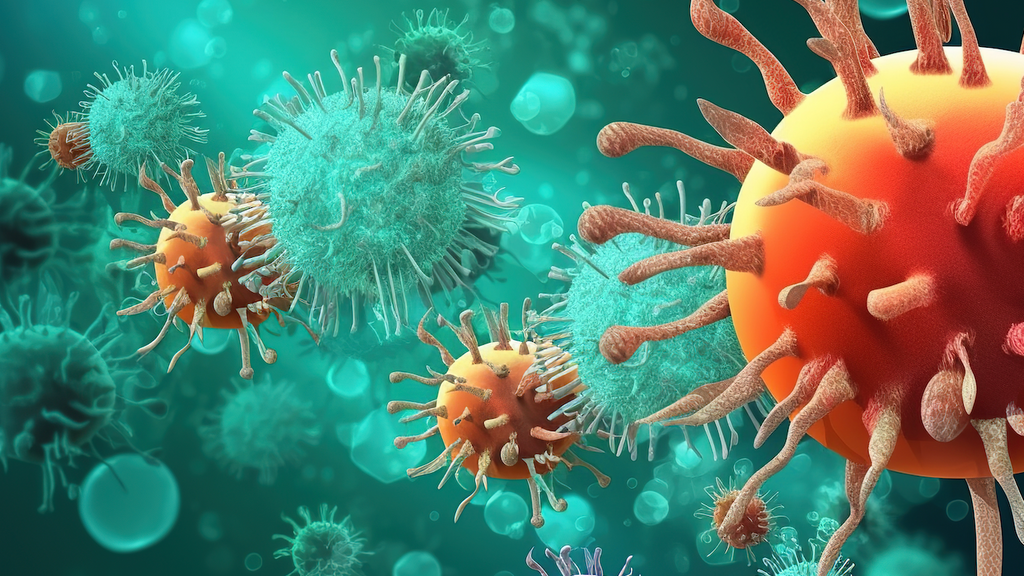
Boston University built an infectious disease monitoring tool called BEACON using NAIRR resources. Reporting times that previously took hours were compressed to roughly 2 minutes.