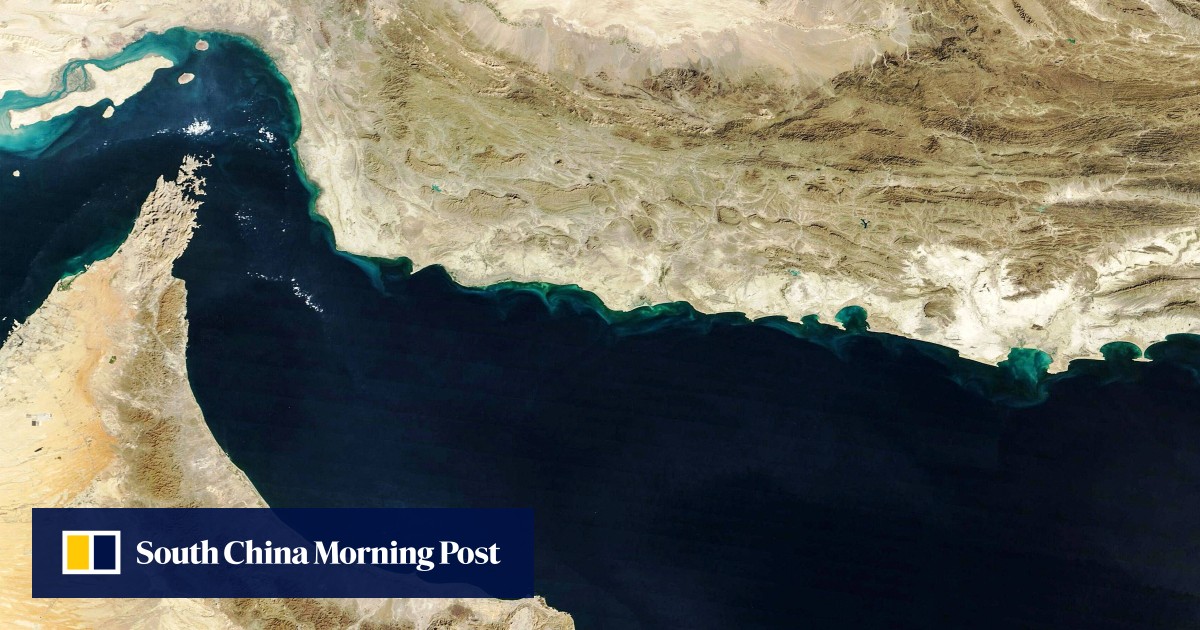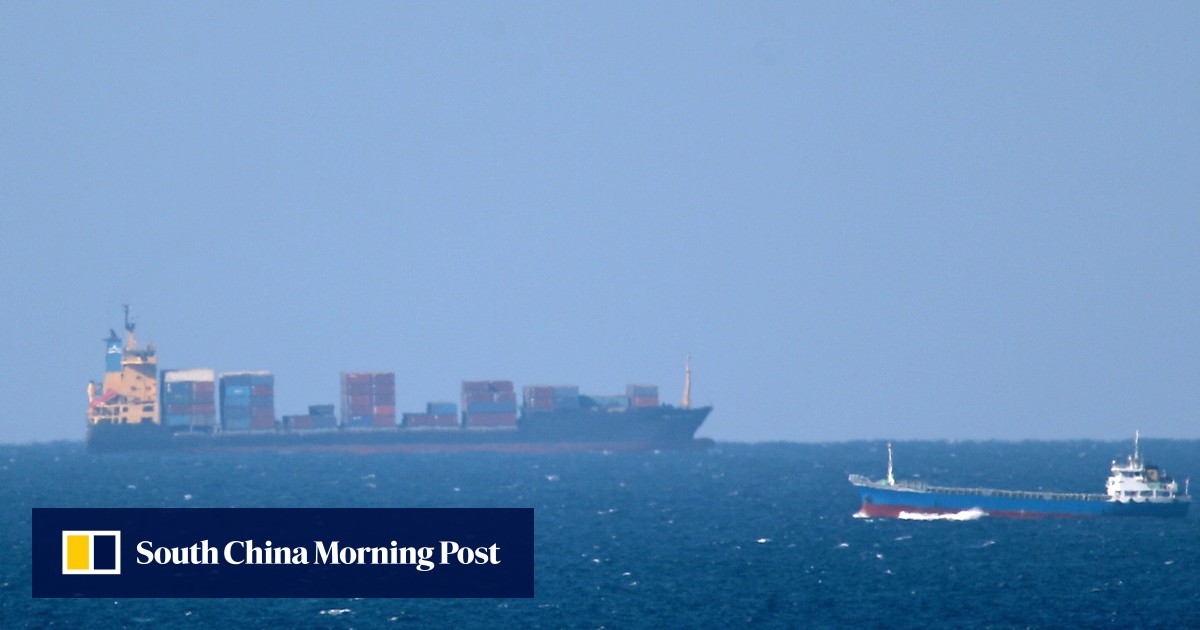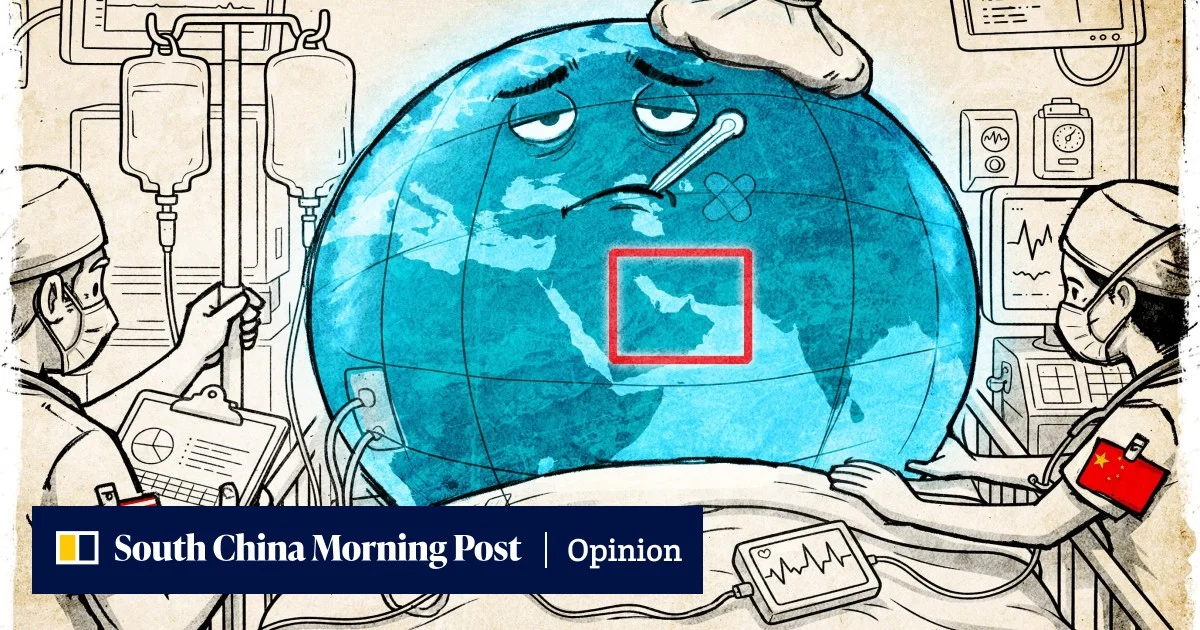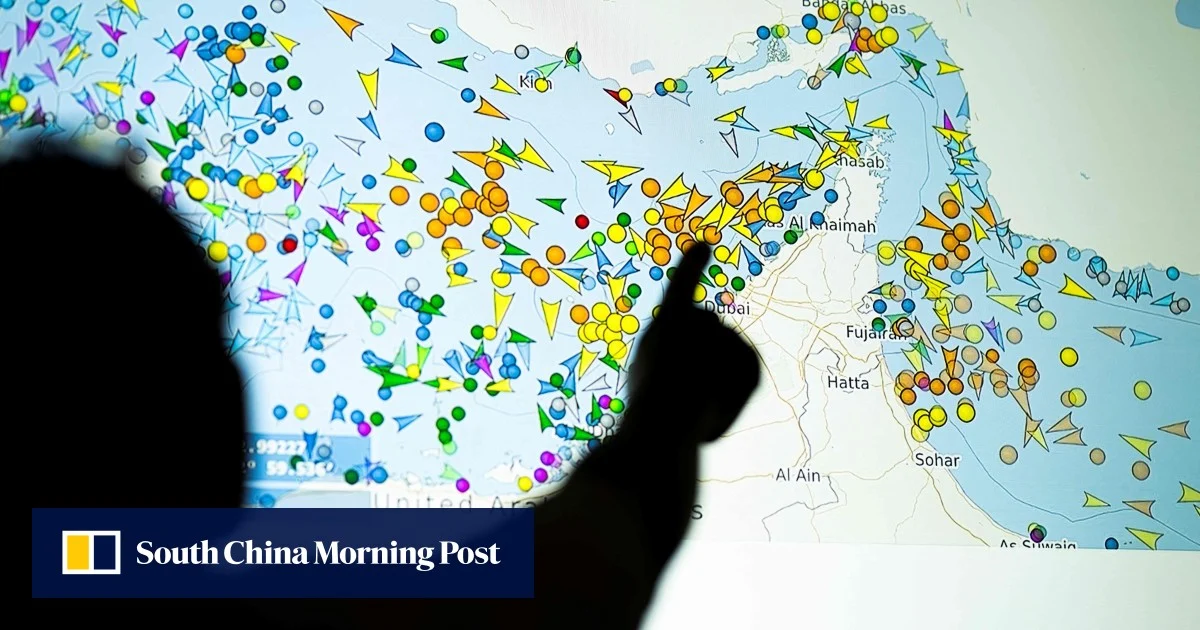
After debating whether it was about regime change, nuclear weapons, or the defanging of regional proxies, the United States and Israel’s war with Iran reached an impasse at the Strait of Hormuz.
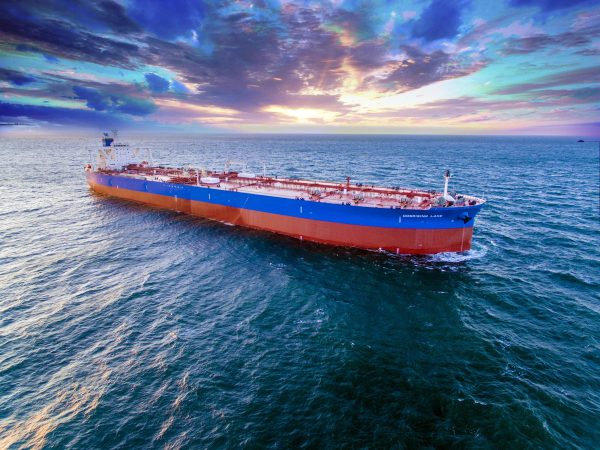
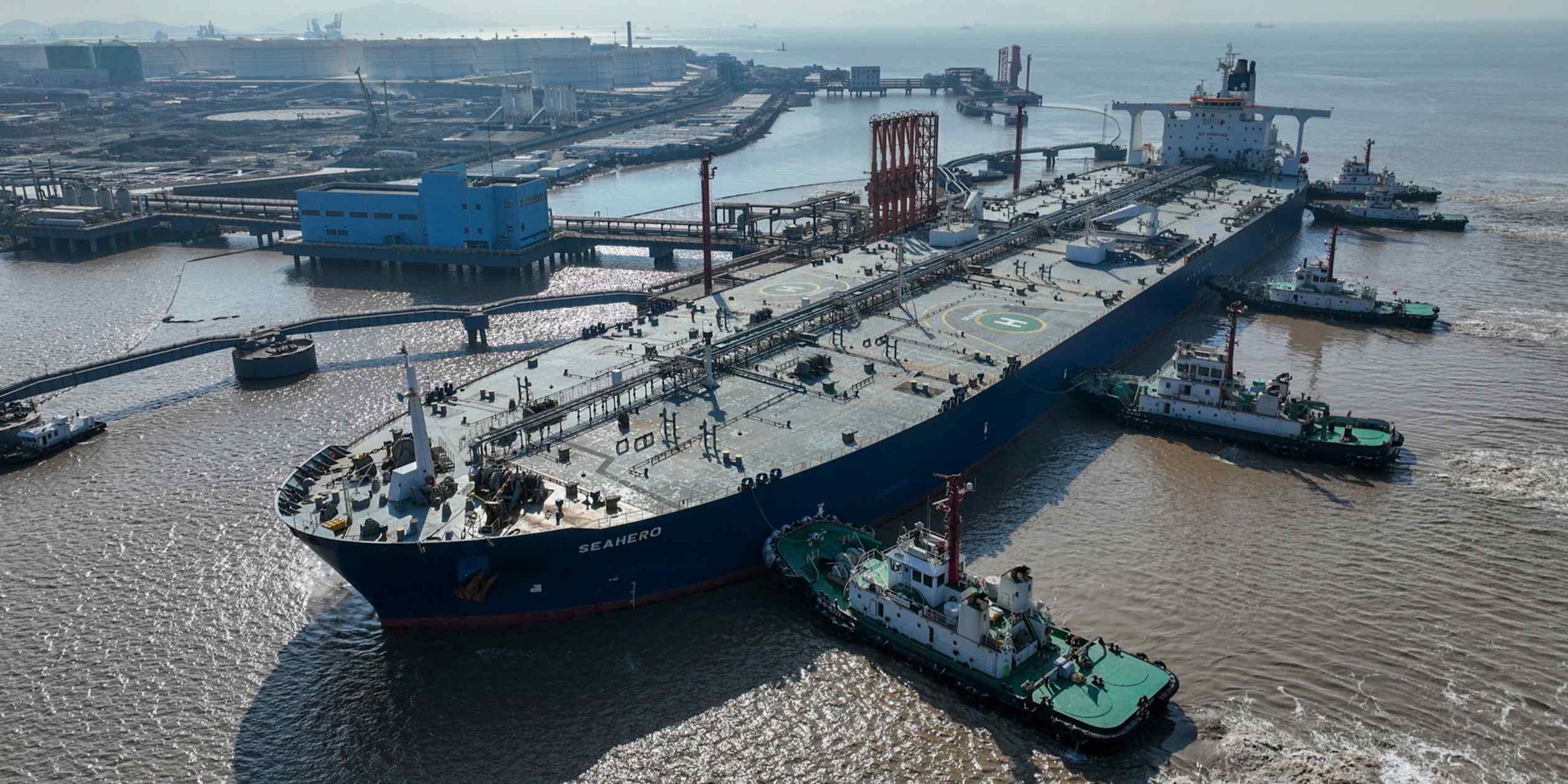
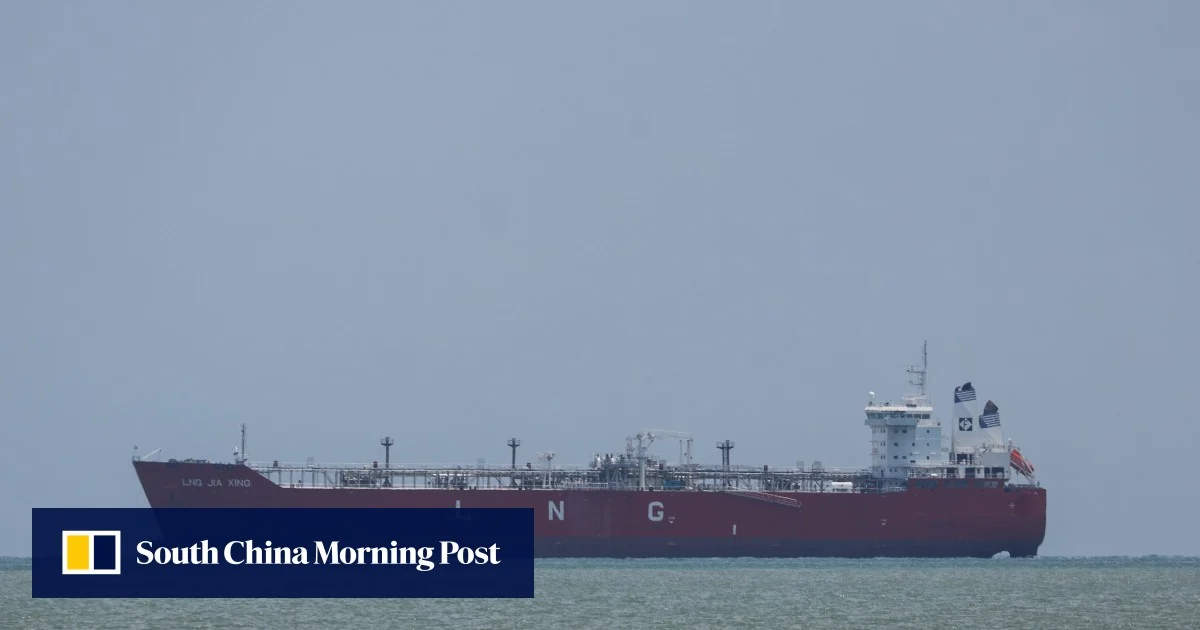
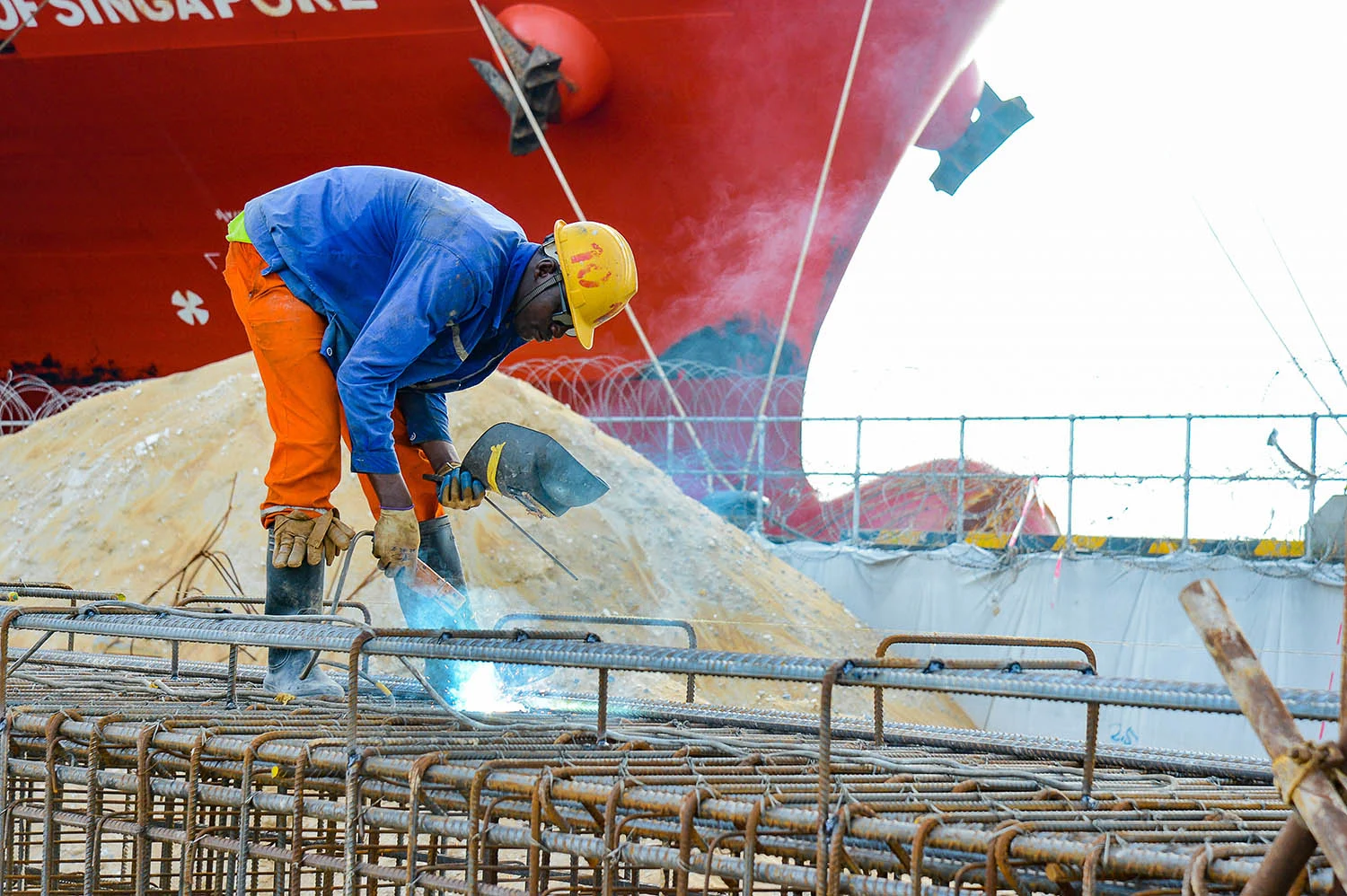
That twist has refocused attention on the world’s oceans and their critical role in interconnected global commerce. Few of us can insulate ourselves from trade that funnels through just a handful of key choke points. It’s a lesson China knows well: For some 25 years, it has been buying and building ports across the Indian Ocean and Persian Gulf and around the world. The United States, meanwhile, is only now sitting up and taking notice.
U.S. Ambassador to Greece Kimberly Guilfoyle recently suggested, for instance, that China should put up for sale the Greek port of Piraeus, a major shipping hub and gateway to southern Europe. It is not clear why China—which financed Piraeus, legitimately, a decade ago when Greece was in economic freefall and a hand up from Beijing was welcomed by virtually all parties—should give up the port. But it fits a pattern: The U.S., asleep for decades while China built a top-to-bottom maritime empire, is now trying to undo patient relationship-building by Chinese official agencies and state-owned entities in service of a vast network of overseas ports.