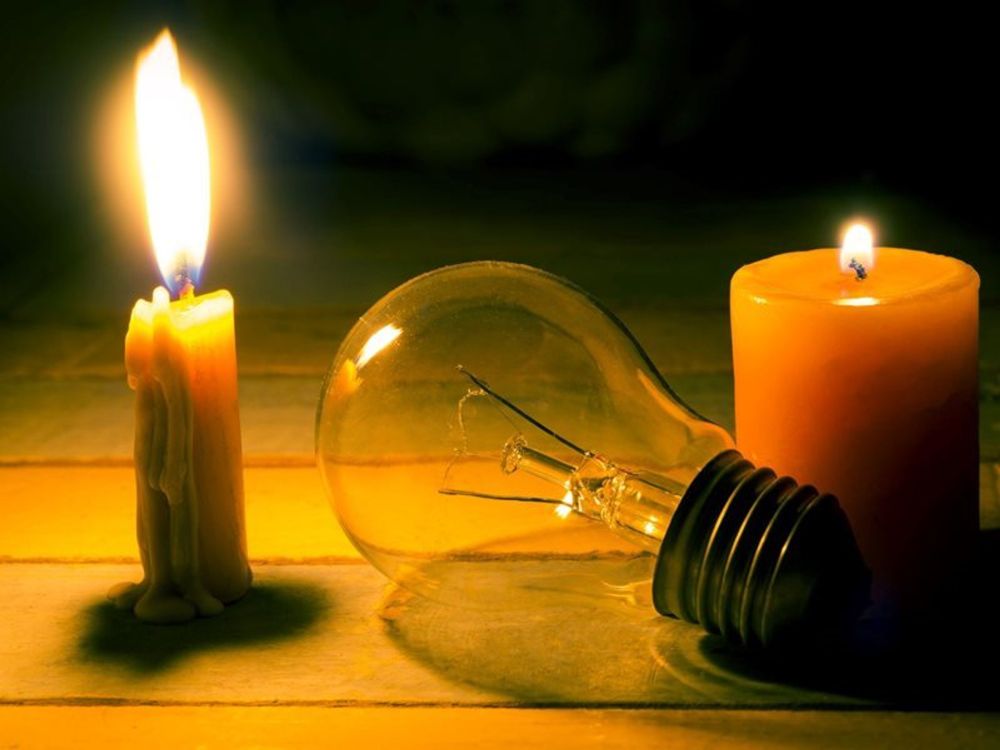
South Africa may have largely moved beyond the sustained phases of loadshedding that defined recent years; however, energy costs continue to climb, global professional body the Chartered Institute for Procurement & Supply (CIPS) indicates.
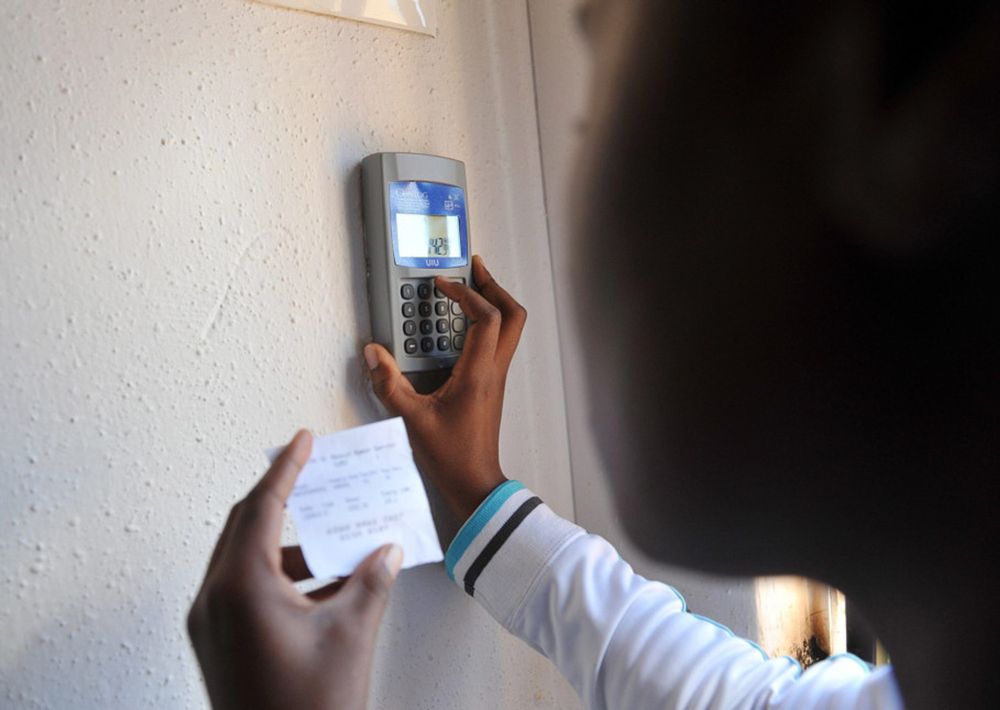
In March, the National Energy Regulator of South Africa approved electricity tariff increases of 8.76% for direct customers of State-owned utility Eskom and 9.01% for municipal customers for the 2026/27 financial year, adding further pressure to businesses already grappling with rising operating and logistics costs, the professional body points out.
It warns that the challenge for procurement and supply chain leaders this year is managing the growing cost, reliability and risk implications of an energy system that remains under pressure.
“Energy uncertainty has not disappeared; it has evolved. Today, organisations are increasingly dealing with infrastructure failures, maintenance backlogs and localised network disruptions, particularly at municipal level, that are often less predictable than loadshedding itself. From a supply chain perspective, unpredictability creates significant operational risk,” CIPS regional MD Paul Vos explains.
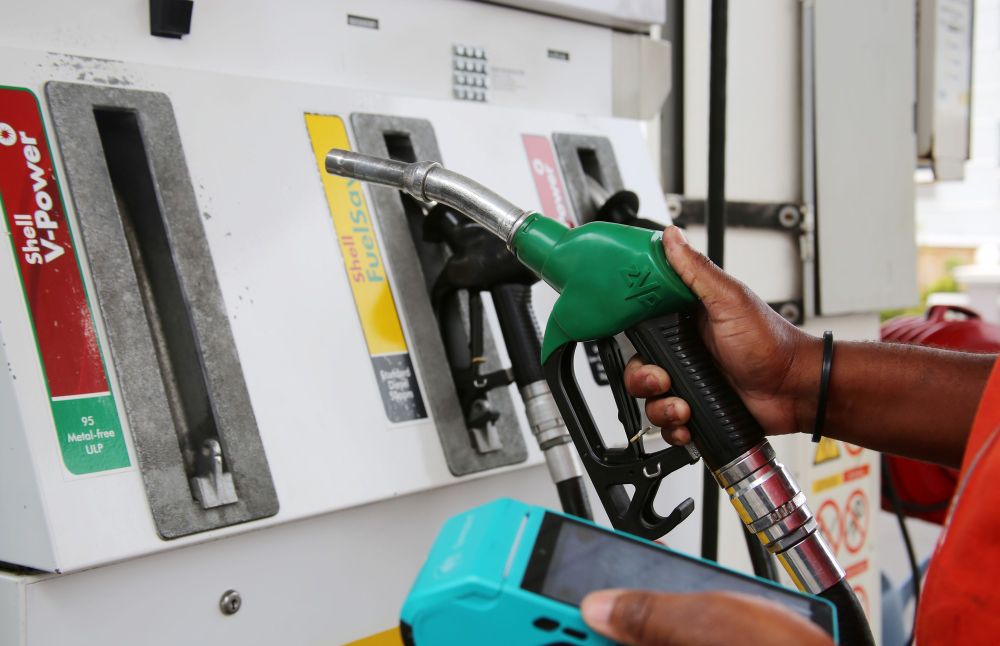
The impact is being felt across supplier networks. Electricity tariffs continue to rise above inflation, while fuel costs remain a major concern for transport, logistics and backup generation requirements, CIPS avers.