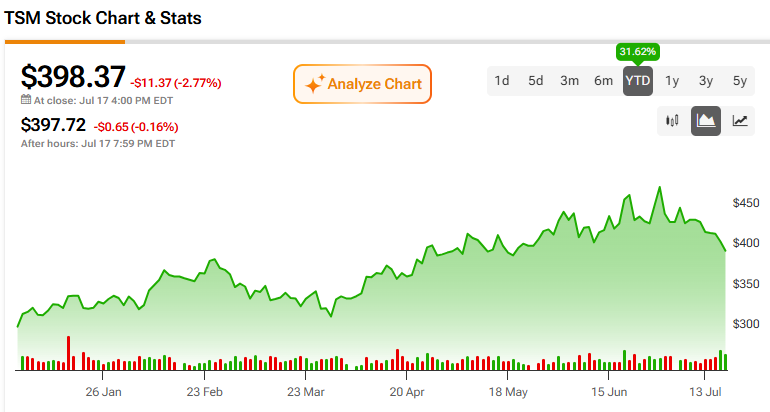
TSMC just handed its competitors a gift. The world’s dominant semiconductor foundry is slashing 28-nanometer wafer production at one of its key facilities by more than 25%, and the ripple effects are already showing up in stock prices across Asia’s chip sector.
Monthly output at TSMC’s Fab 15A has dropped from roughly 200,000 wafers to 150,000, a reduction that accelerated through early 2026 and became official with the company’s June announcement. The move isn’t a sign of weakness. It’s a deliberate pivot toward the technologies TSMC believes will define the next decade of computing.
Why TSMC is walking away from easy money
Here’s the thing about 28nm chips: they’re workhorses. They power OLED display drivers, Wi-Fi hardware, automotive electronics, and countless consumer devices.
The capacity being freed up at Fab 15A is being redirected in two directions. Some of it goes toward manufacturing silicon interposers, the critical connective layers used in advanced packaging for AI accelerators and high-performance computing chips. The rest supports TSMC’s aggressive push into sub-12nm and 2nm process nodes.