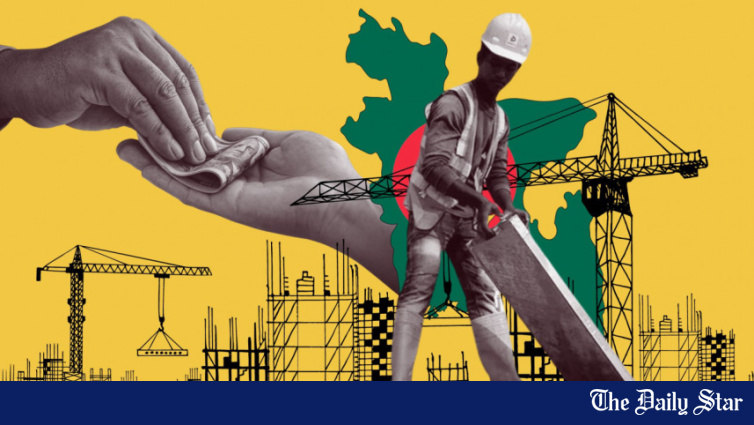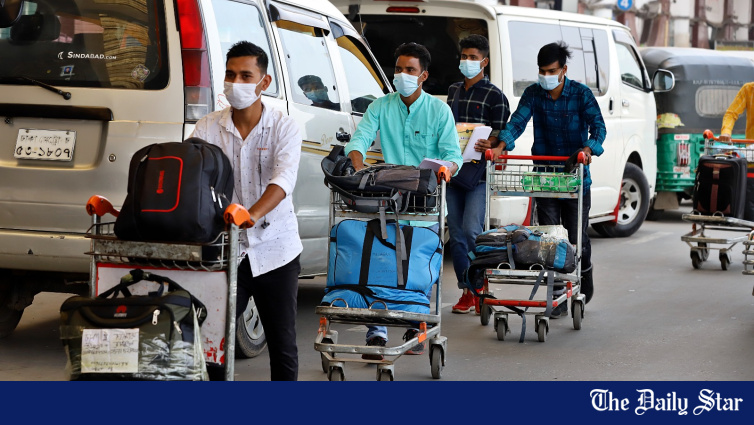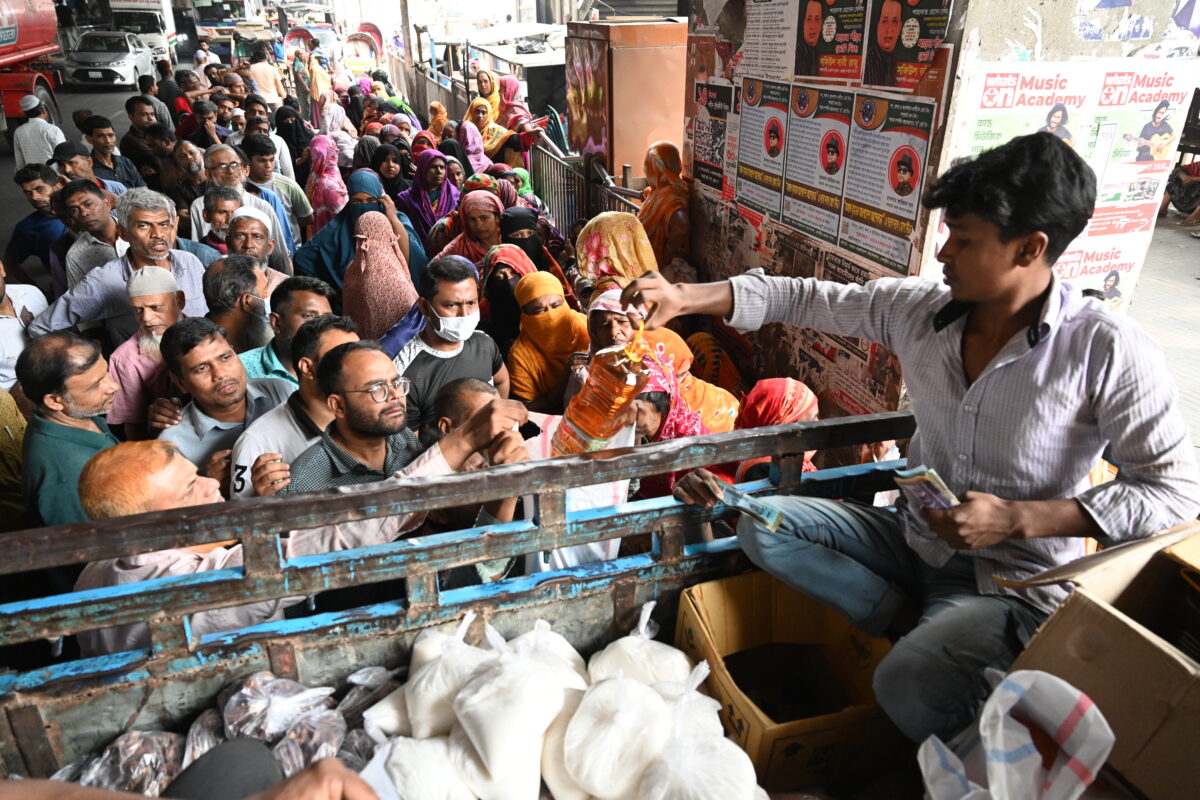
Bangladesh is receiving more remittances than at any point in its history, but the gains are not reaching household budgets. An explanation lies in how remittances are moved across borders. Much of the recorded increase comes from money moving into formal channels, while transfer fees and rising prices leave households with limited relief.
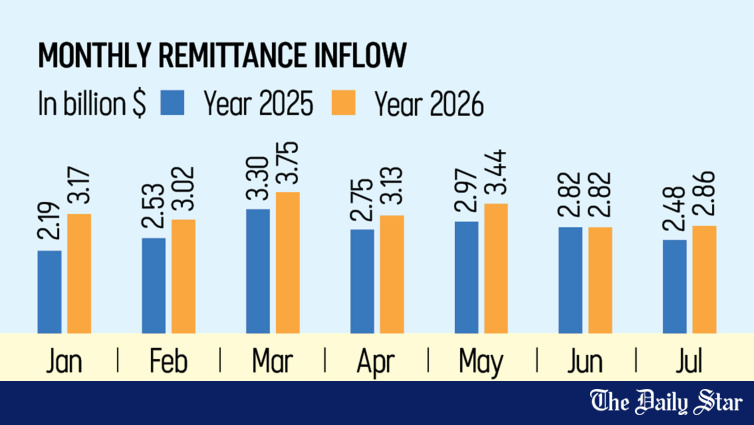
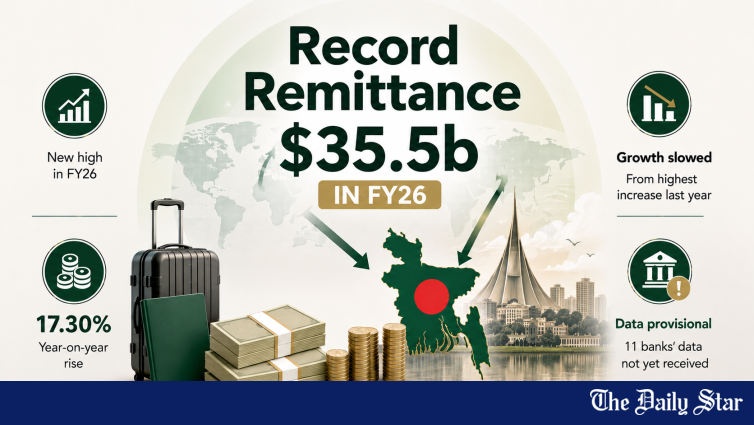
In the 2025 financial year, expatriate workers sent home US$30.3 billion — a 26.8 per cent increase from the previous year and the highest recorded annual inflow. Bangladesh’s remittance income reached more than US$34.5 billion through mid-June 2026 and is on course to exceed US$35 billion in the 2026 financial year. Yet inflation stood at 9.42 per cent in May 2026, its highest level in 16 months. Food prices also remain elevated despite record-high rice harvests. Nominal wages have consistently trailed inflation.
The surge in Bangladesh’s remittances is partly explained by its timing. The political crisis of August 2024, which saw former prime minister Sheikh Hasina resign and flee to India, disrupted the hundi networks — informal funds-transfer systems — that had long dominated cross-border money transfers. As politically connected brokers withdrew from the market, remittance flows that had previously bypassed the banking system shifted to formal channels.