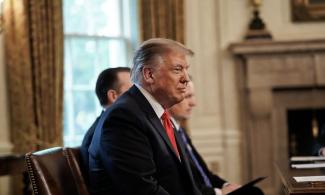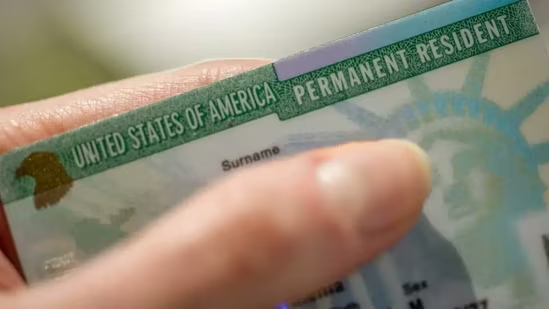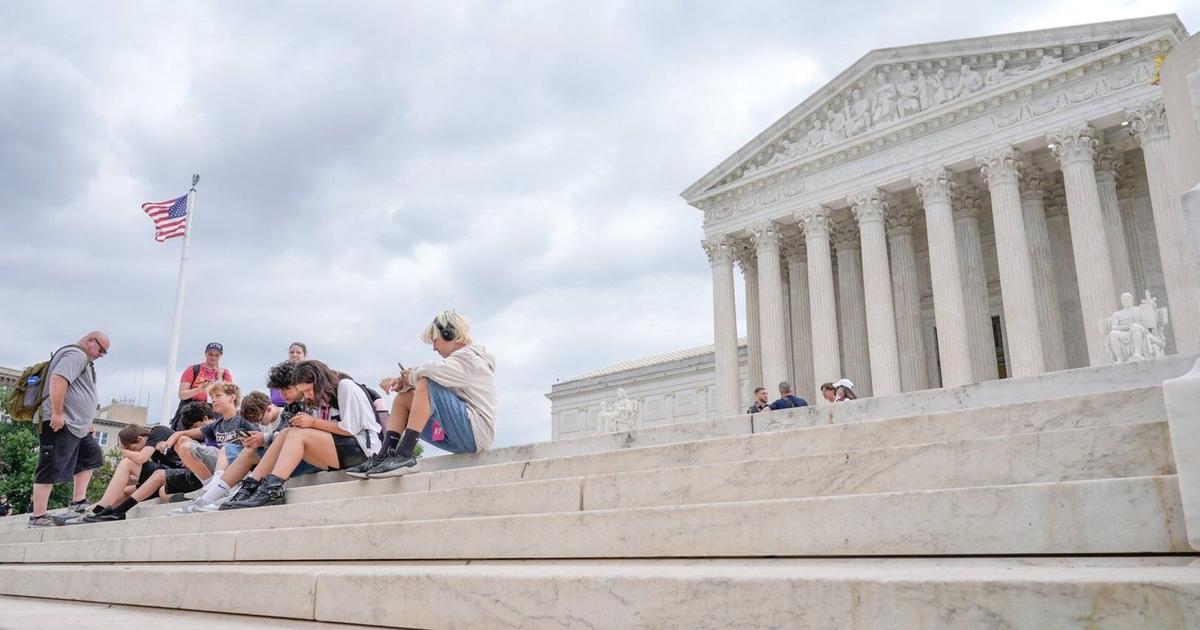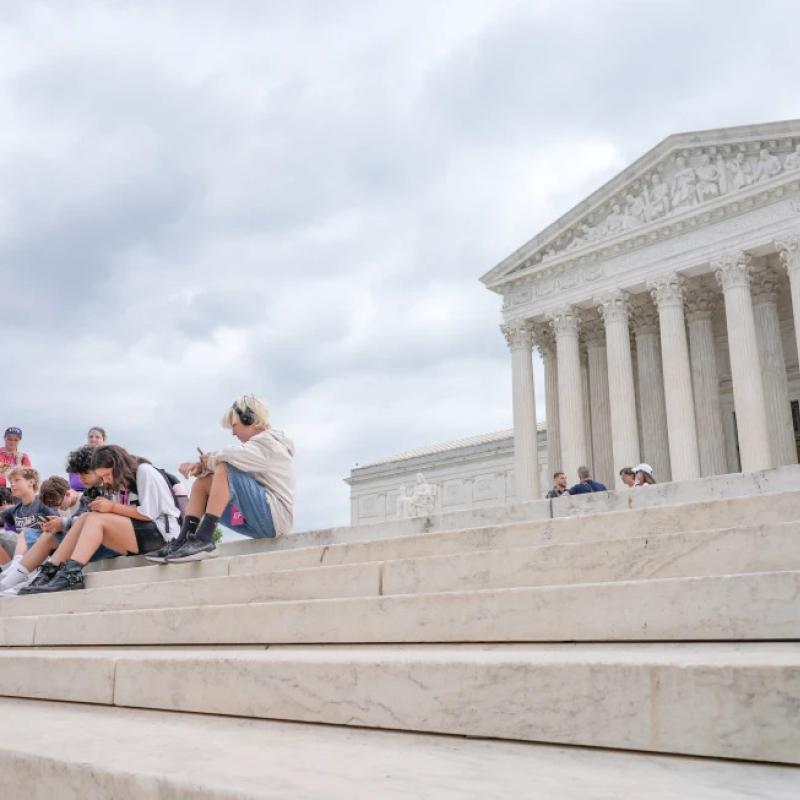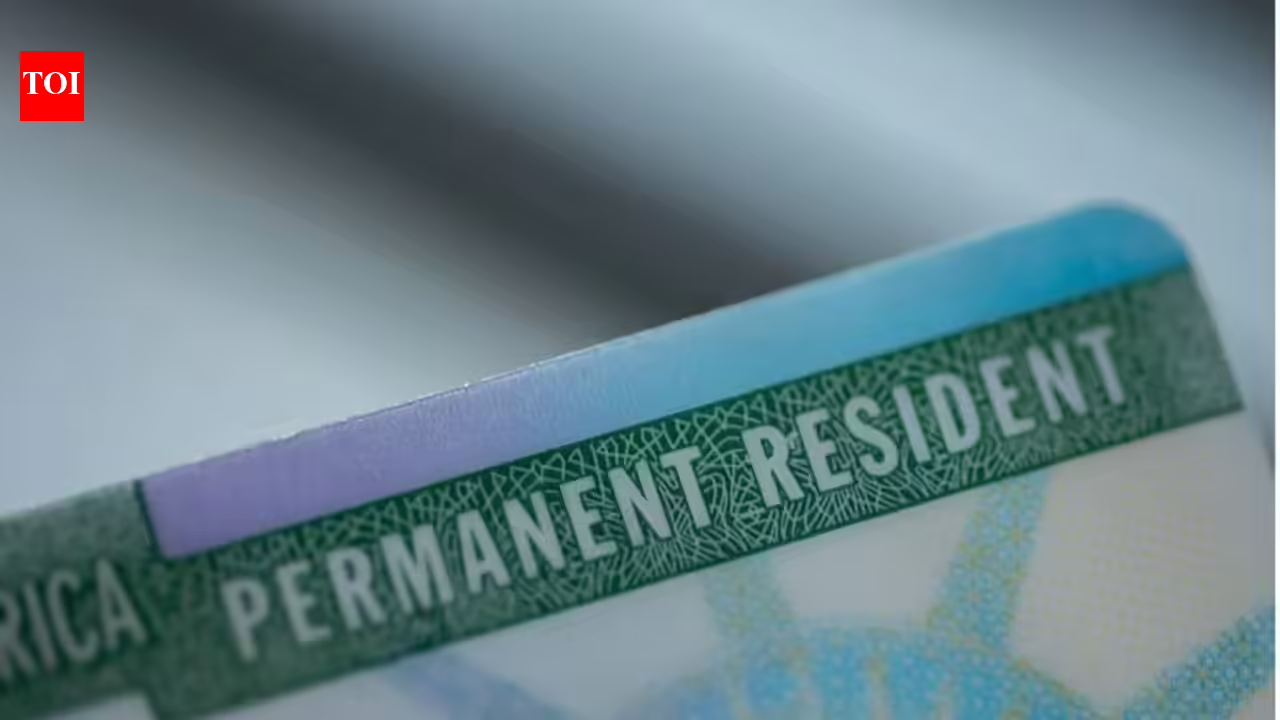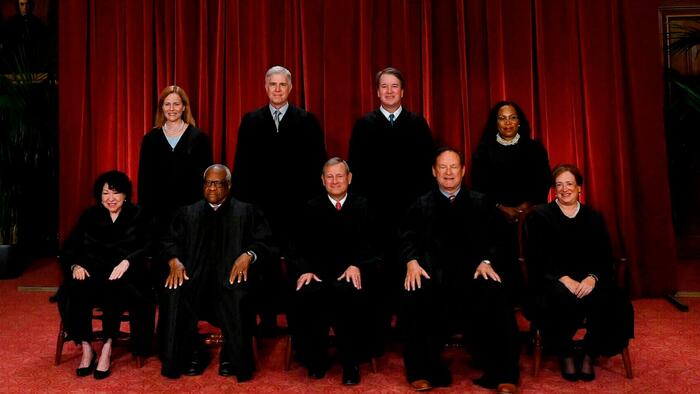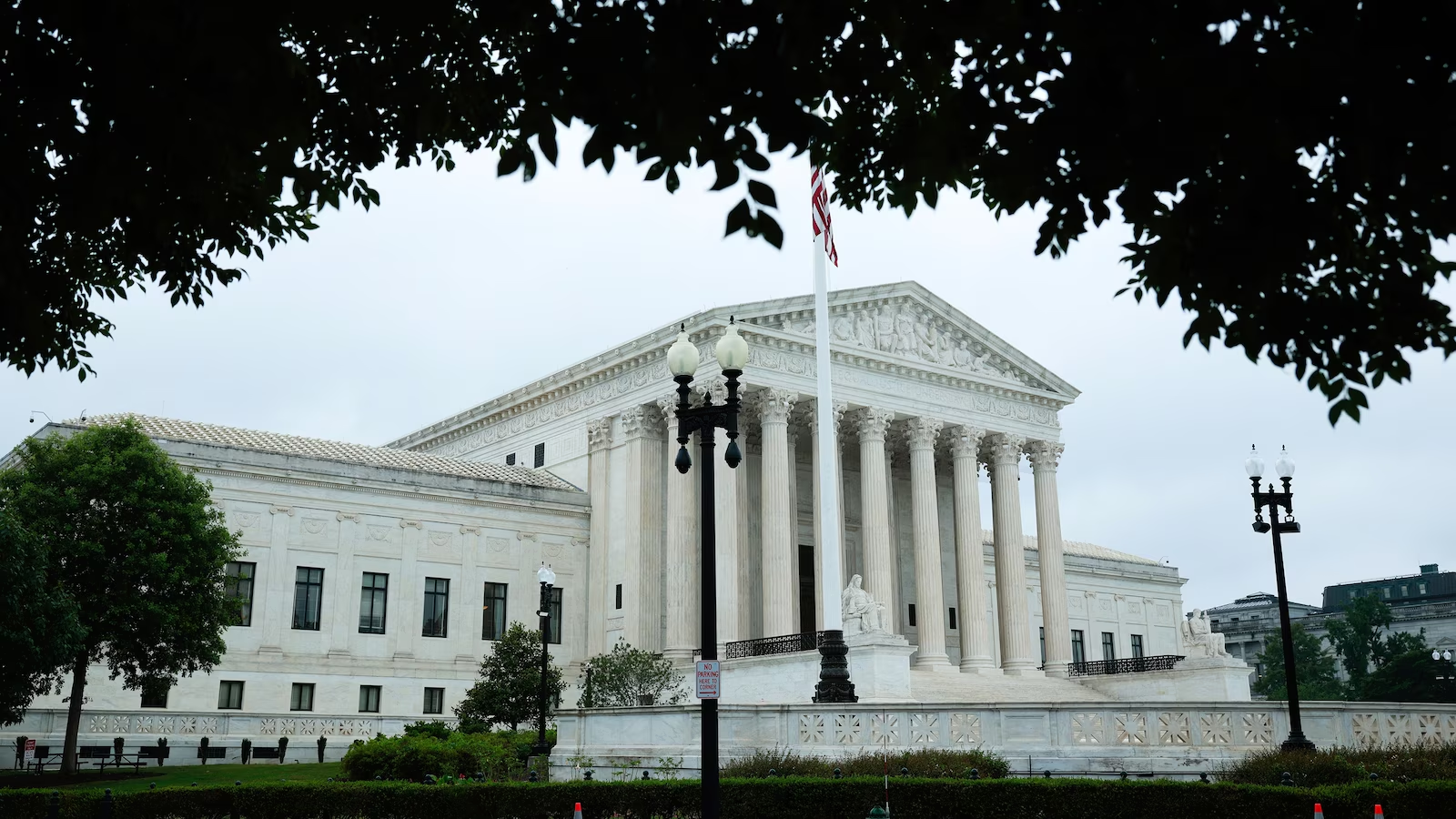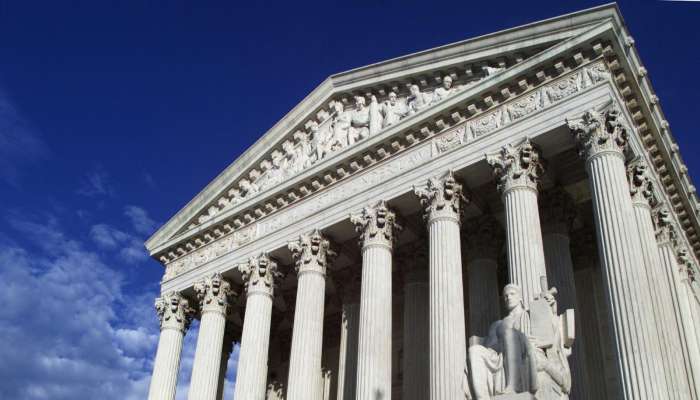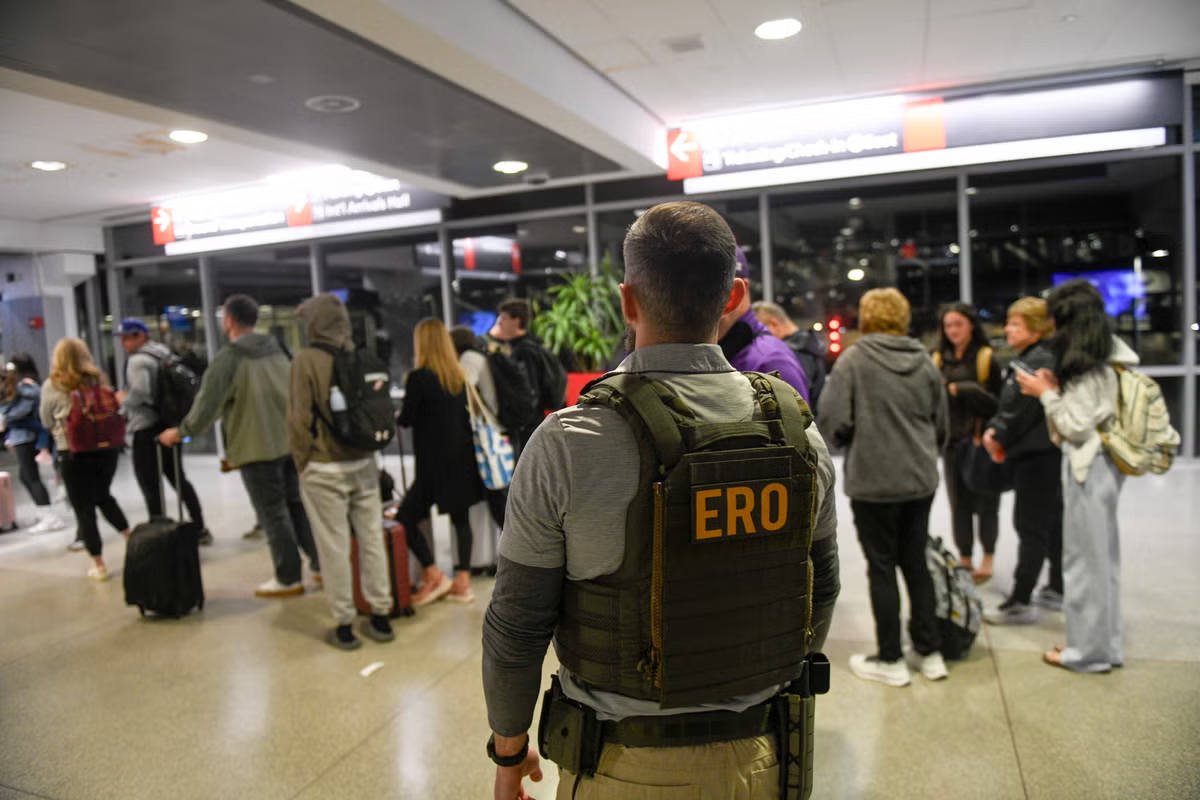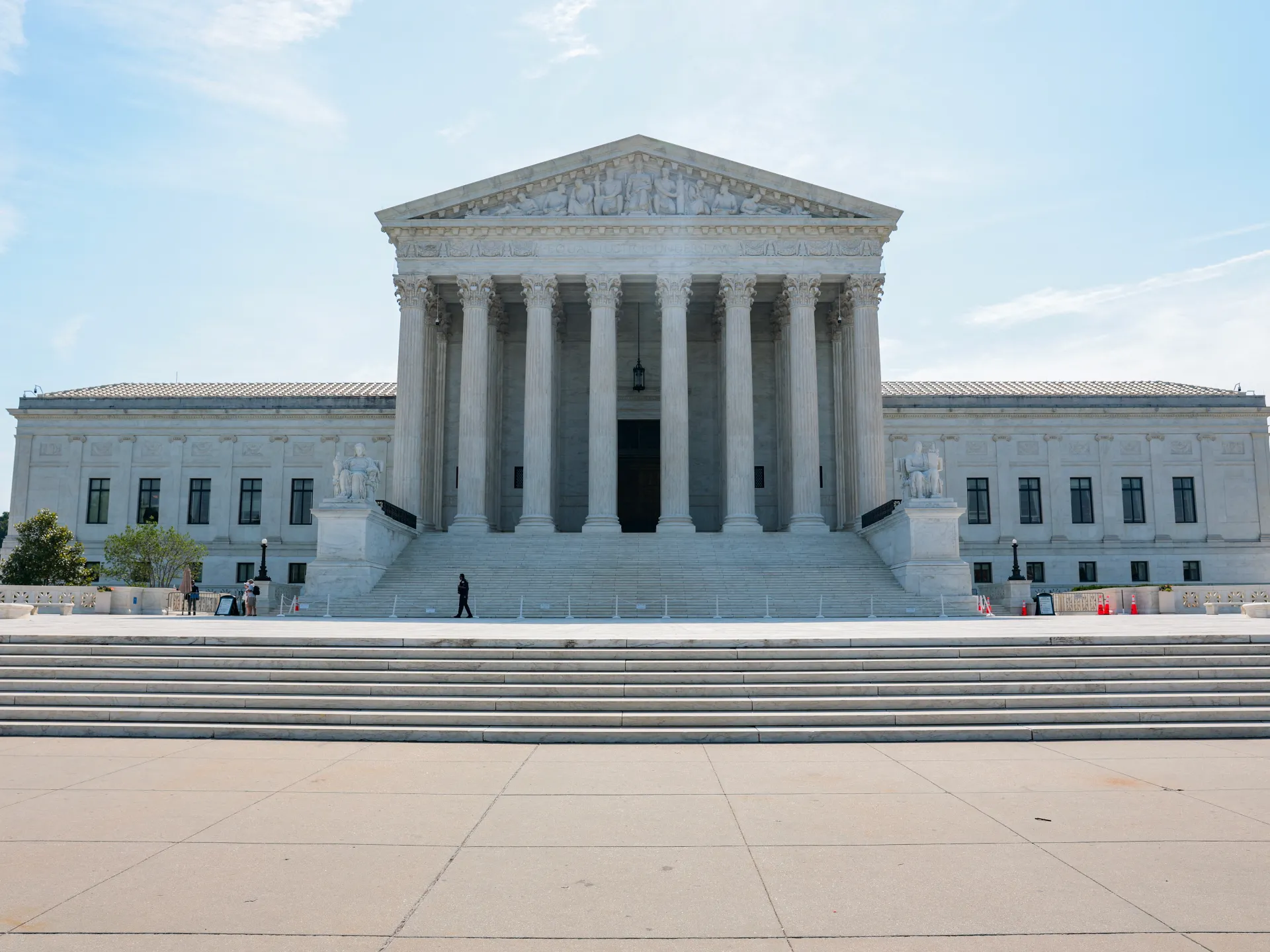
Court rules 6-3 that suspicion alone justifies placing green card holders on immigration parole at border crossings.The United States Supreme Court has sided with the Trump administration in a case concerning the government’s power over green card holders, a blow to due-process protections for migrants with legal status.The court’s conservative majority sided with the Trump administration on Tuesday in a case involving a lawful permanent resident of the US who was placed on immigration parole over criminal allegations upon reentering the country after a trip abroad.Recommended Stories list of 3 itemslist 1 of 3US judge dismisses indictment against Kilmar Abrego Garcialist 2 of 3How Trump’s unchecked power has changed the worldlist 3 of 3US Supreme Court to hear constitutional test of birthright citizenshipend of listThe case centred on a green card holder, Muk Choi Lau, who was placed on immigration parole upon returning to the US from a trip to China in 2012 by an immigration officer because Lau had been accused of selling counterfeit clothing. Lau, who had not yet been convicted of a crime, argued that the agent overstepped their authority.The court ruled 6-3 that the allegation of criminal wrongdoing was a sufficient reason for the border agent to place Lau on immigration parole.“Border officers did not have the burden to establish by clear and convincing evidence that Lau had committed a crime involving moral turpitude,” Justice Clarence Thomas wrote in the opinion.Justice Ketanji Brown Jackson expressed concern that the ruling would weaken due process protections from non-citizens with legal status in the country and leave people in “immigration limbo” before they had been convicted of any crime.“I worry that the Court has now handed the Government a massive blank check,” Jackson wrote in a dissent joined by the court’s two other liberal judges.The Trump administration has argued that suspicion of a crime is a sufficient reason to strip green card holders of their legal status and place them on immigration parole, part of a wider effort to roll back legal protections for migrants and expand the government’s deportation powers.
US Supreme Court sides with Trump administration on green card holder case
Court rules 6-3 that suspicion alone justifies placing green card holders on immigration parole at border crossings.
342 words~2 min read