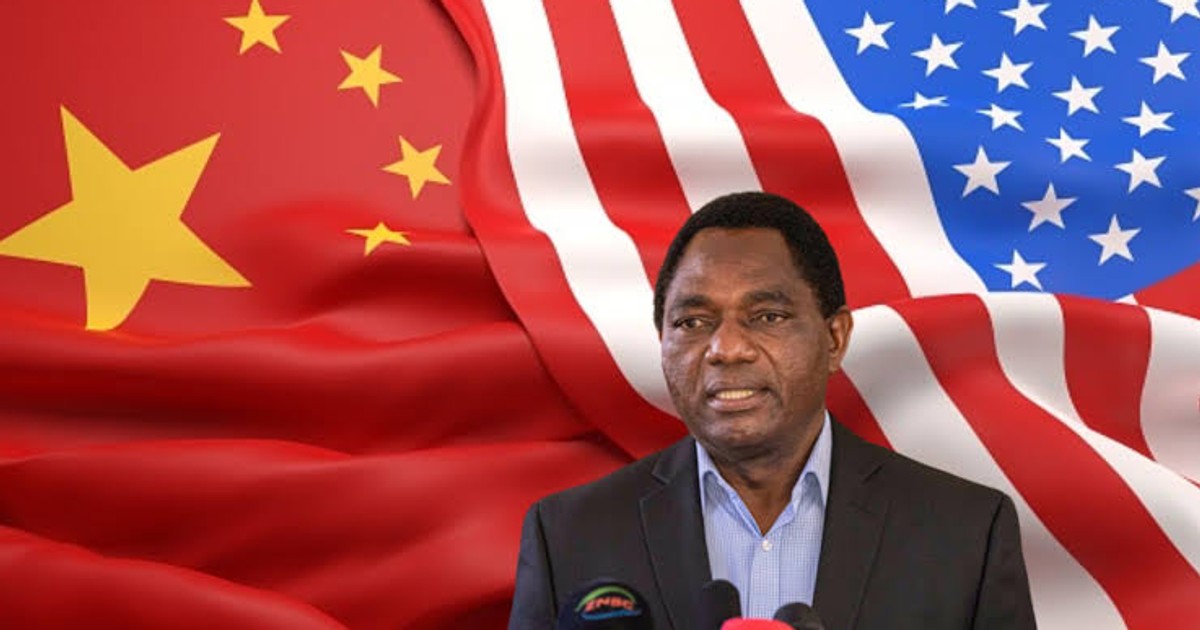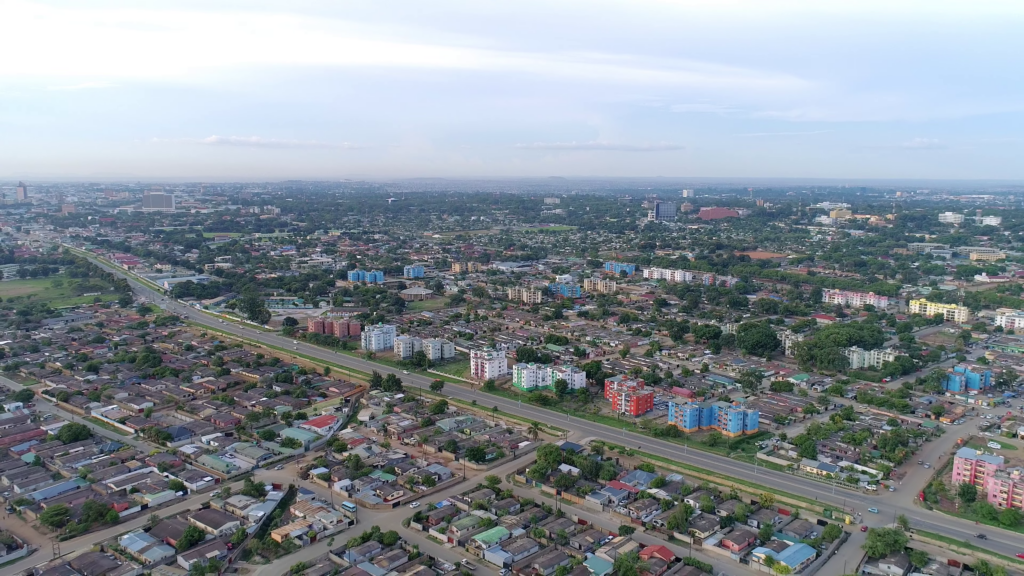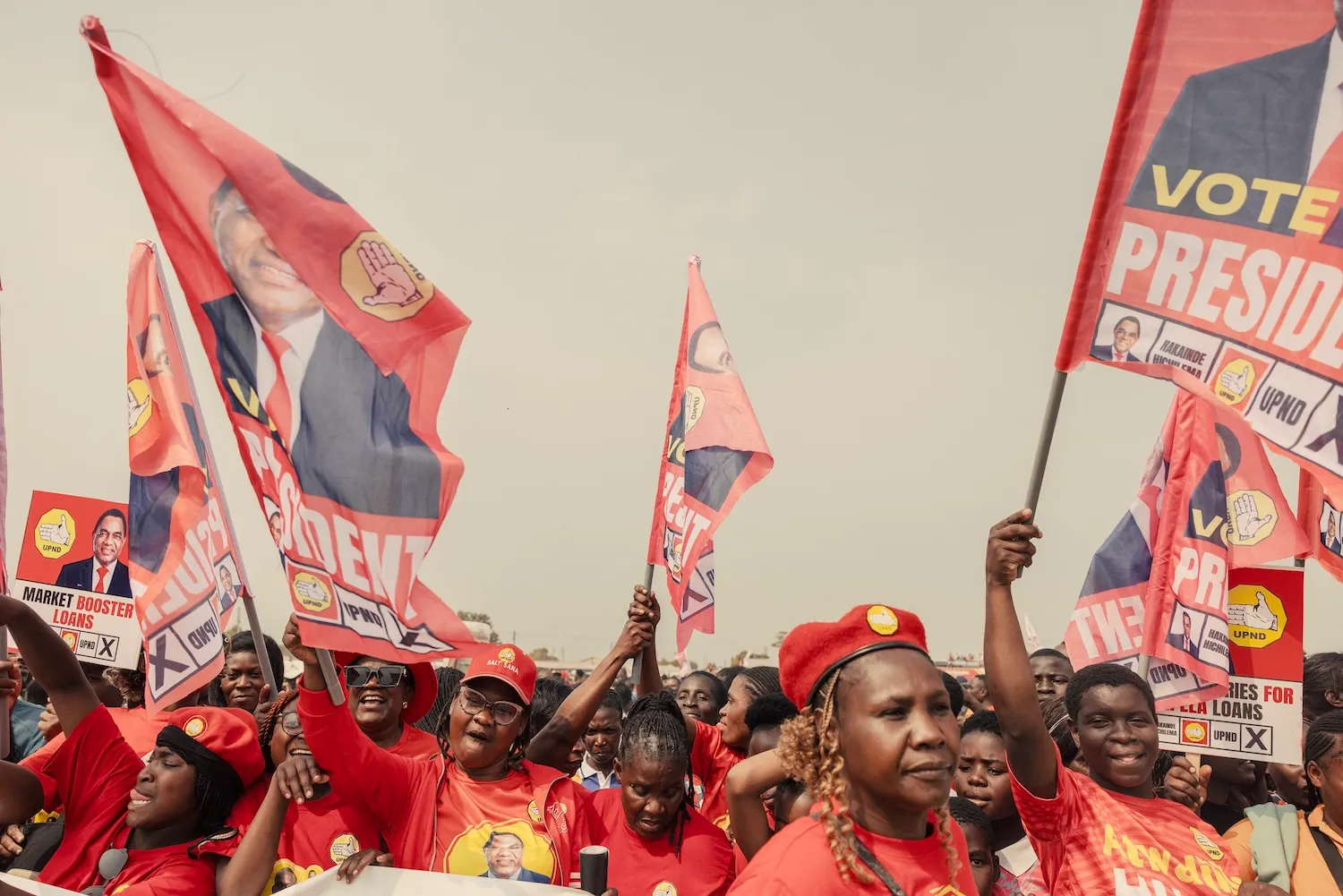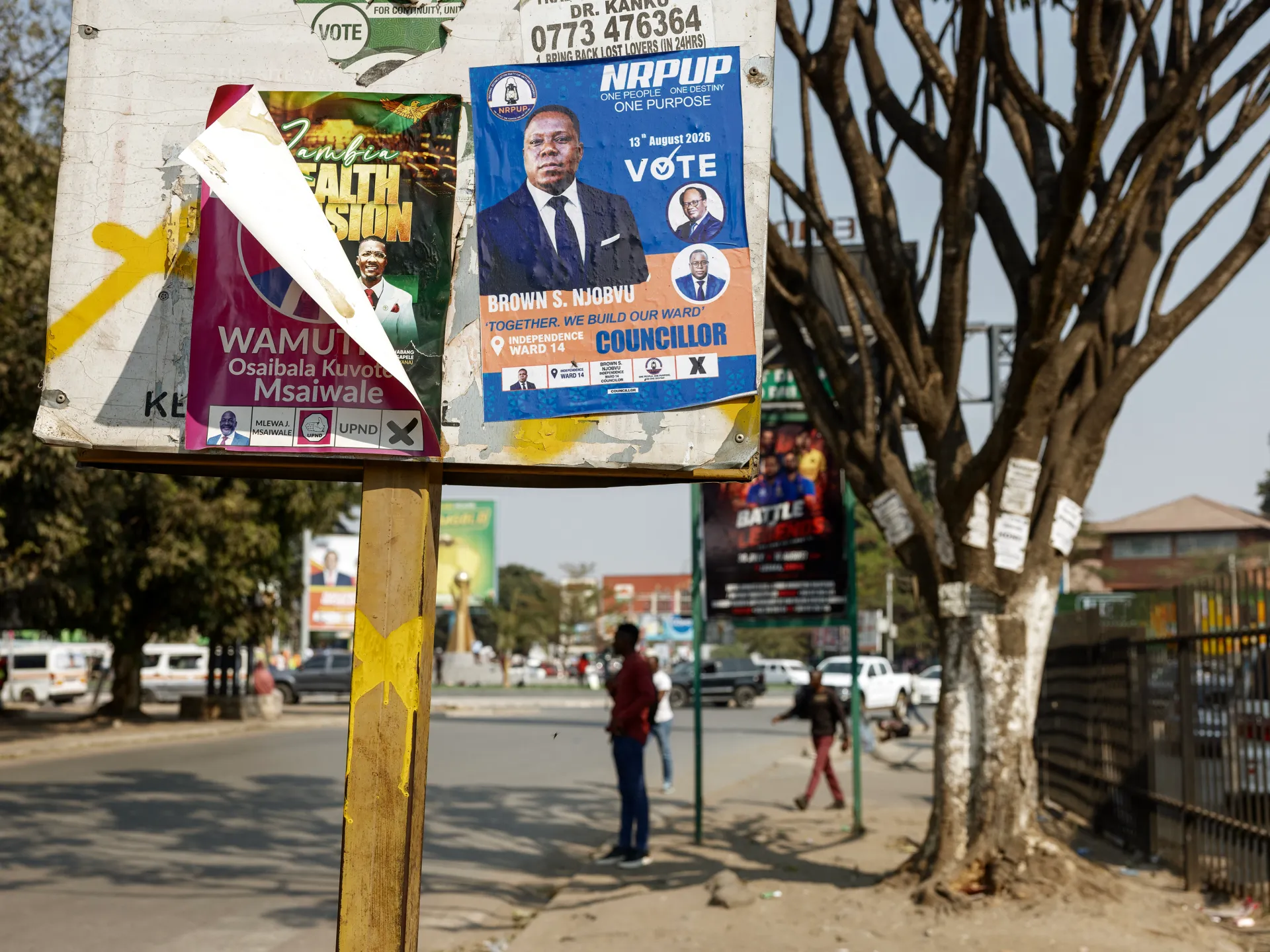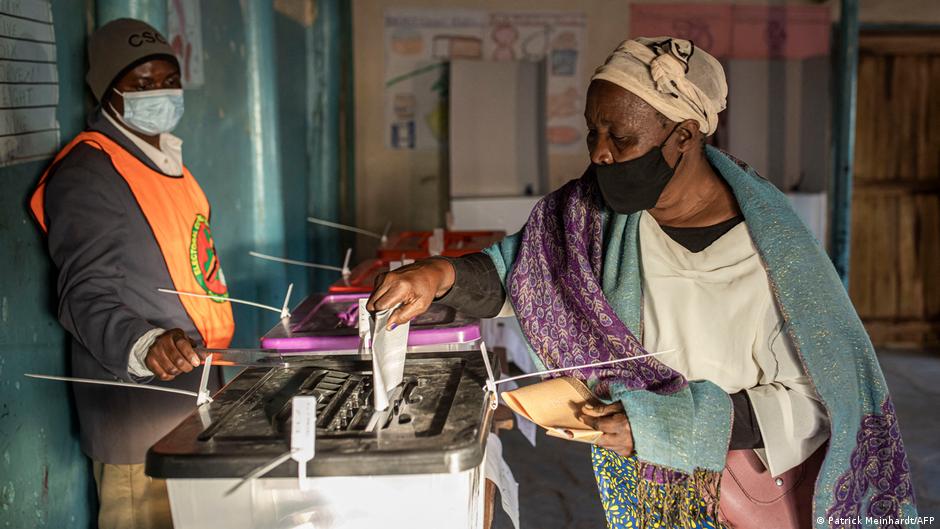
Zambia's general election is scheduled for August 13, 2026. For many Zambians, the main concerns are more jobs, particularly for young people. Inflation remains a major economic challenge, with double-digit price growth continuing to exacerbate the cost-of-living crisis. But the stakes go beyond Zambia's borders. The election result could impact investment in critical minerals and economic reforms. It could also shape Zambia's relationships with major global powers, such as the US, the EU, and China.
Political parties are mobilizing nationwide, focusing on unemployment, poverty, electricity shortages, and healthcare. "These elections will shape Zambia's future and unity. Peace and stability are essential for economic growth and maintaining investor confidence in key sectors such as mining," Bizeck Jube Phiri, a historian and political analyst at the University of Zambia, told DW.
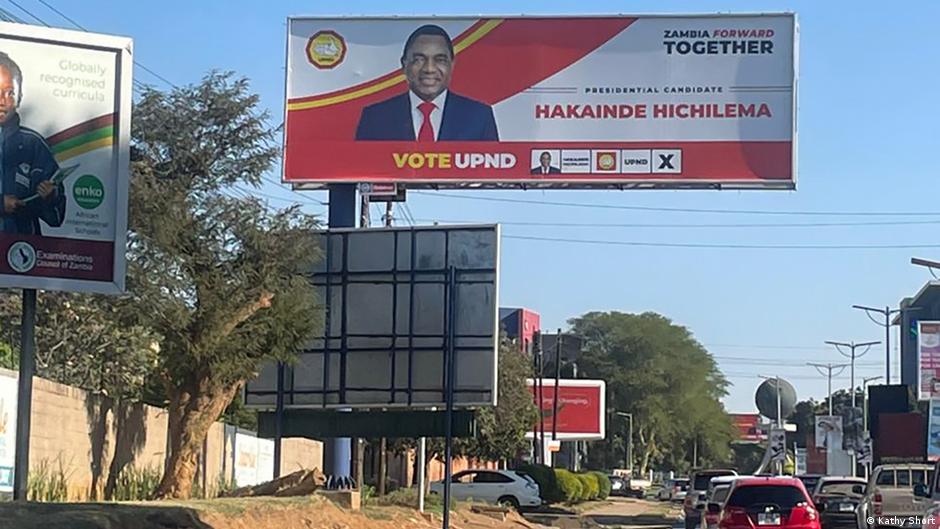
Fourteen presidential candidates have been cleared to contest the election, underscoring Zambia's competitive political scene. Incumbent President Hakainde Hichilema of the ruling United Party for National Development (UPND) is seeking a second term.Can Zambia's opposition deliver?To view this video please enable JavaScript, and consider upgrading to a web browser that supports HTML5 video