Welcome to Foreign Policy’s Africa Brief.
The highlights this week: Economic policies loom over Zambia’s election, Spain comes up with a plan for the more than 1,000 Moroccan children who remain in Ceuta, and Colombia’s new administration recognizes Morocco’s sovereignty over Western Sahara.
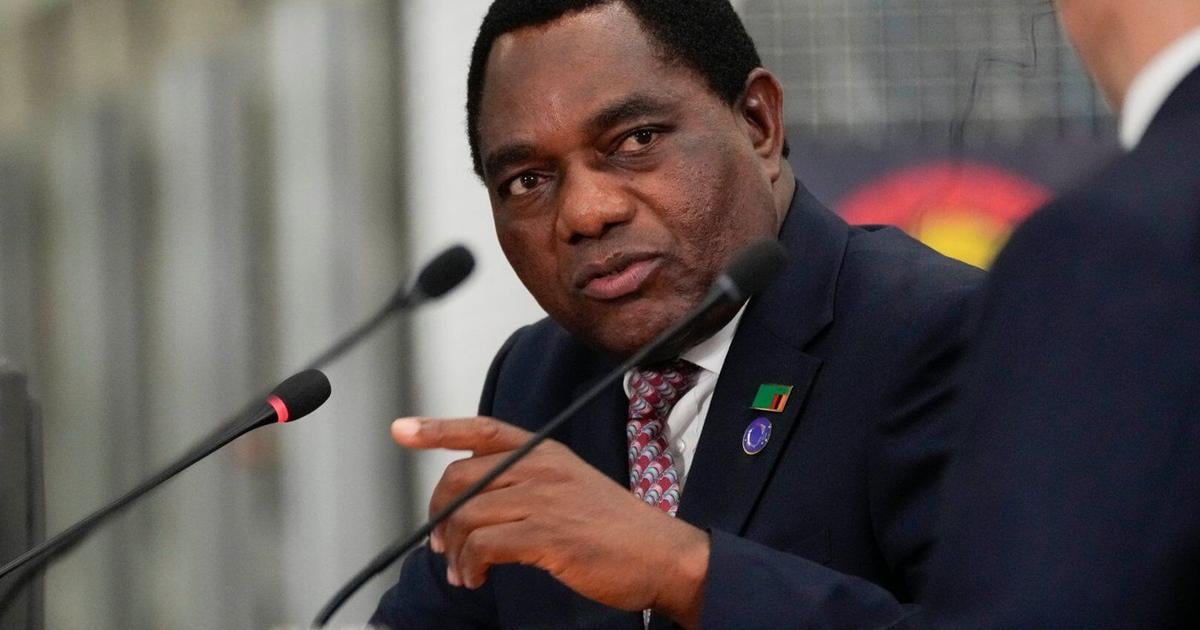
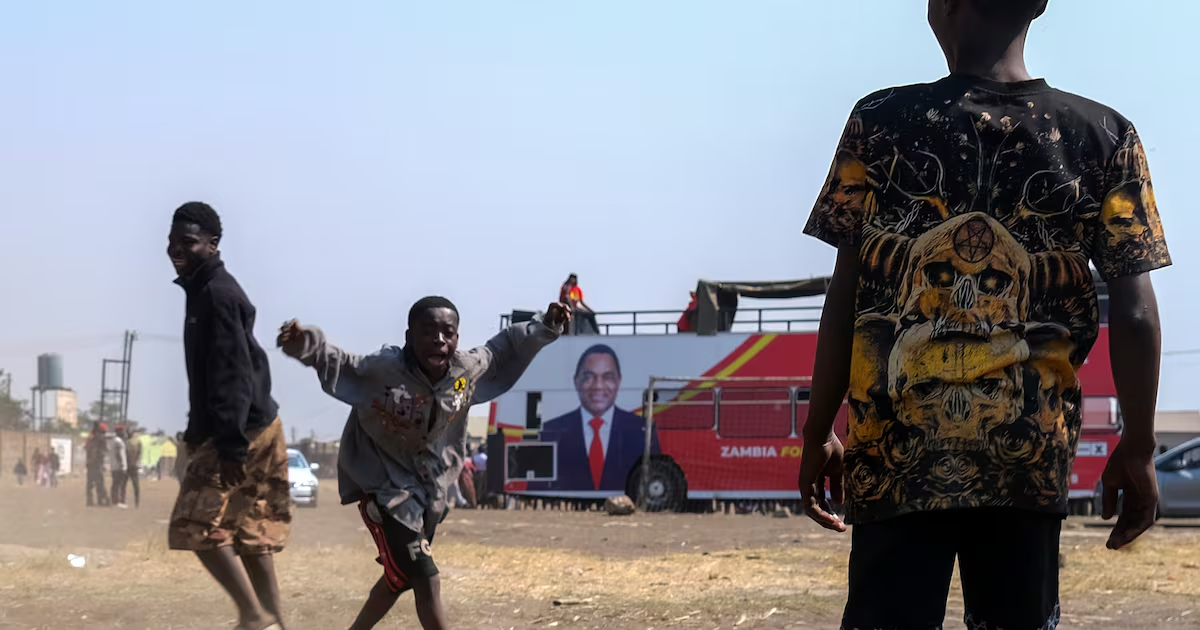
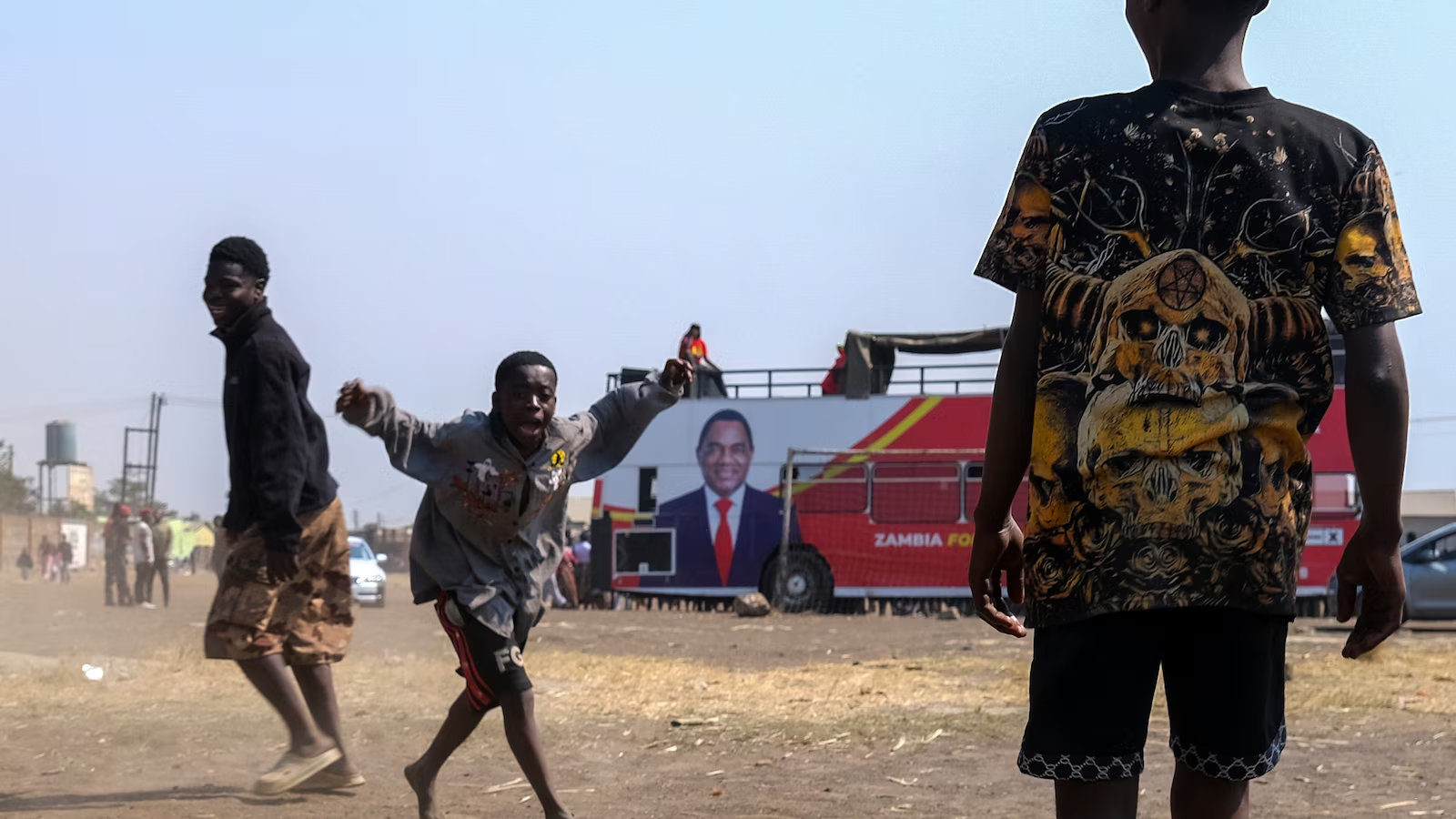
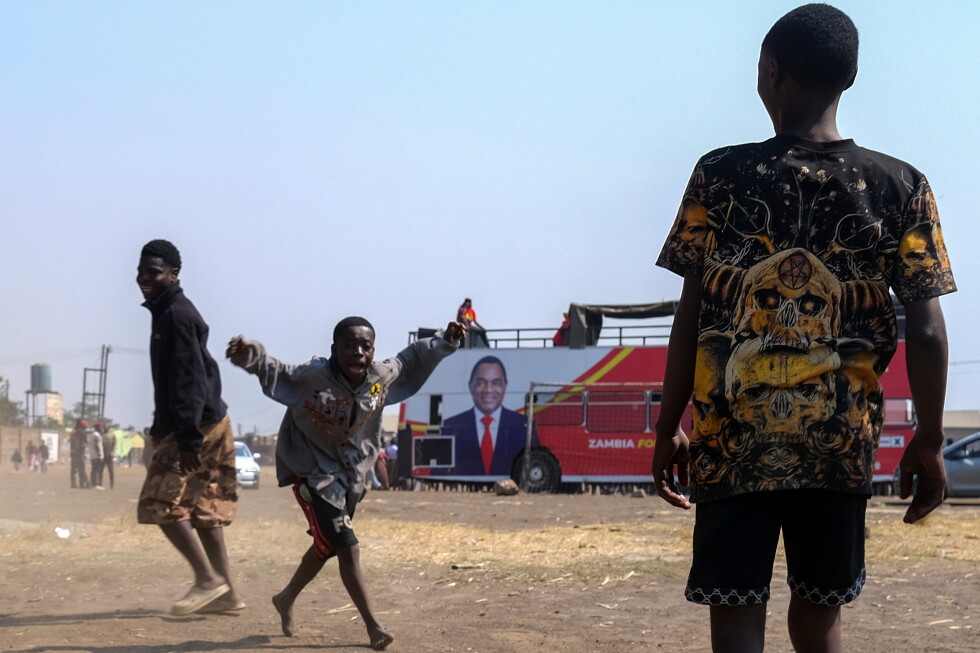
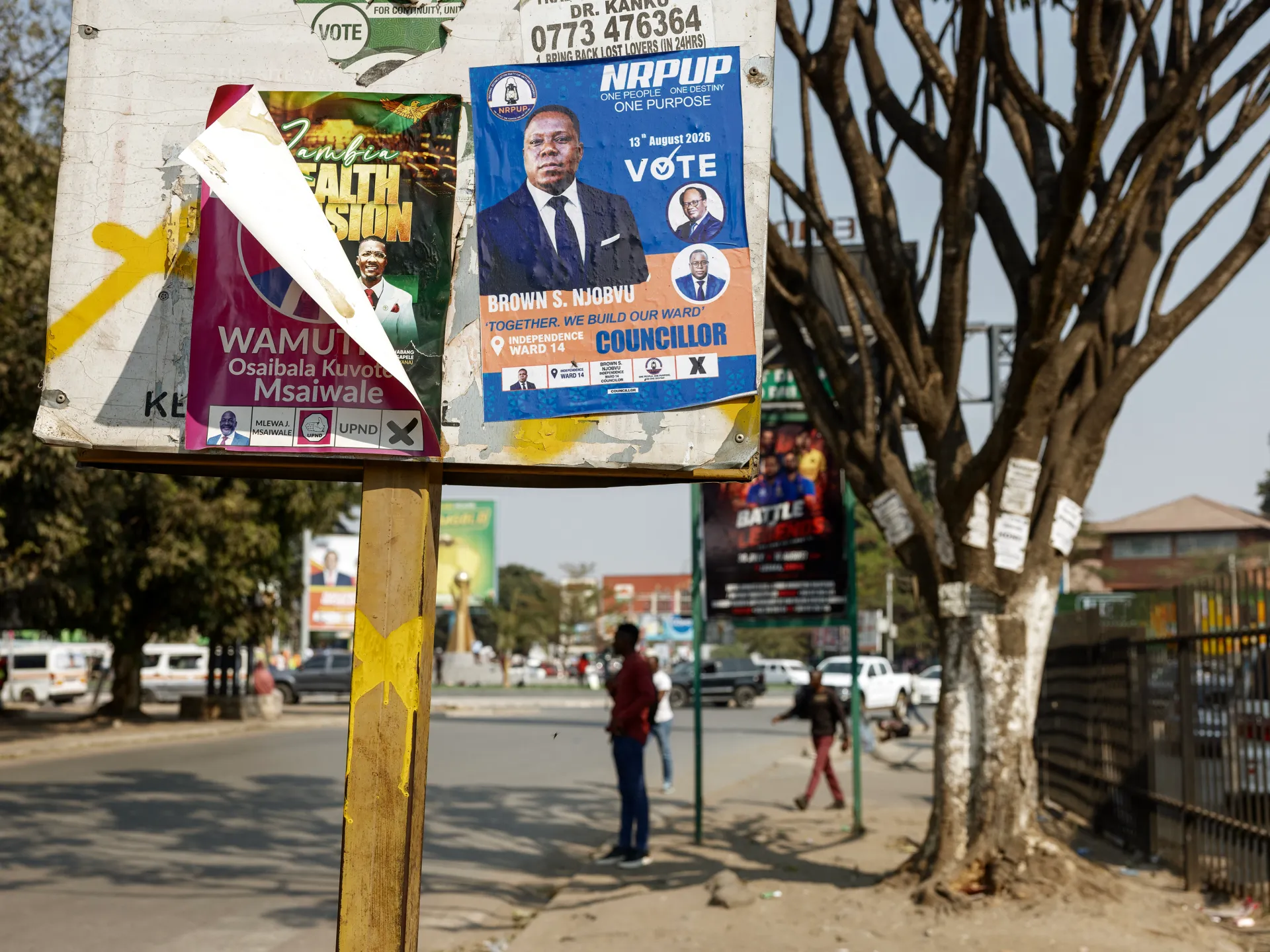
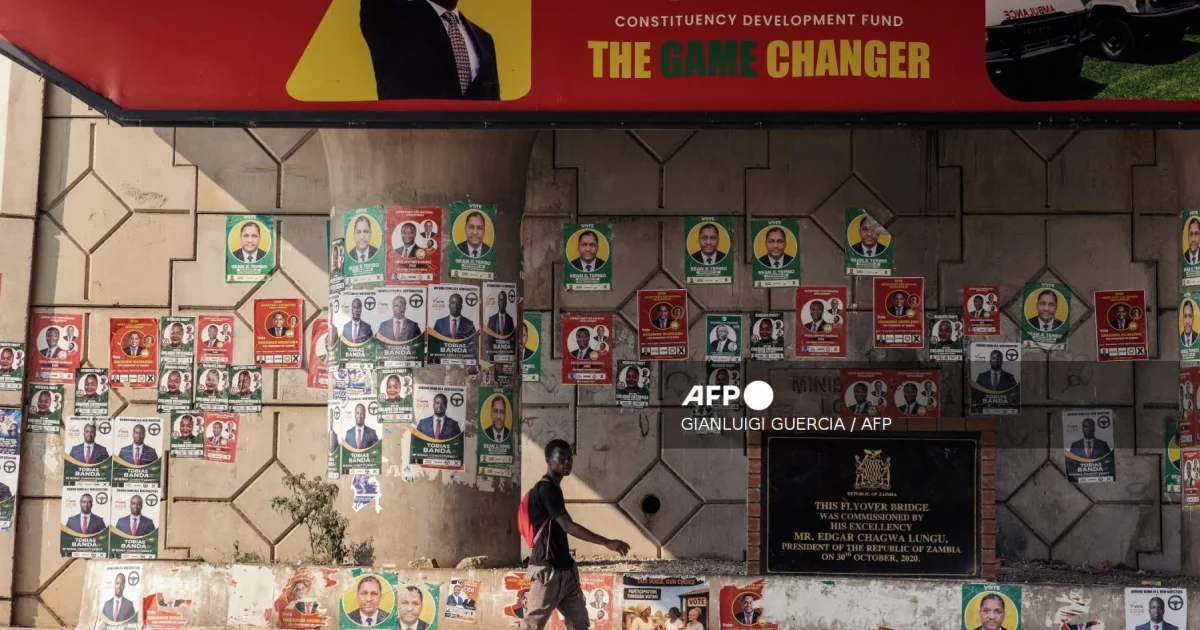
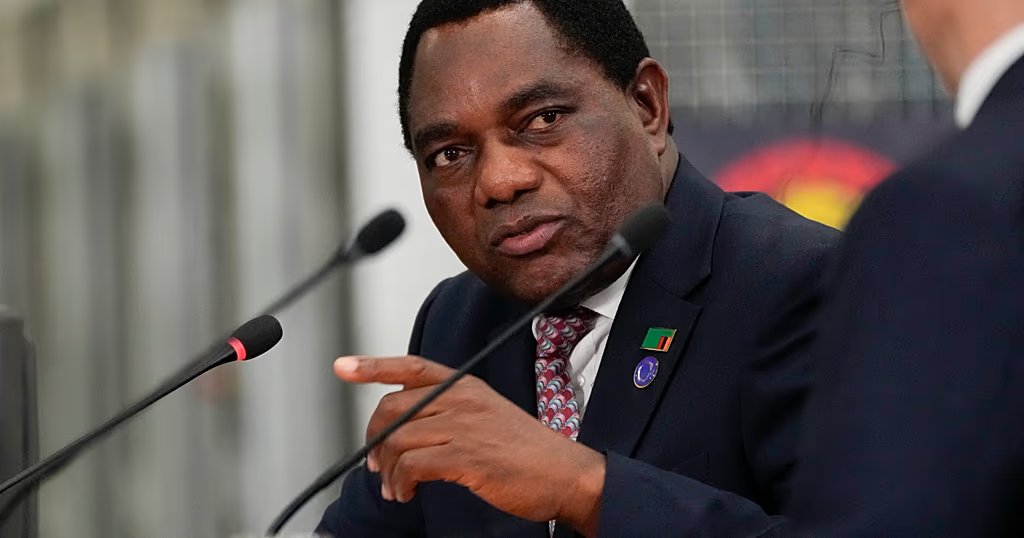
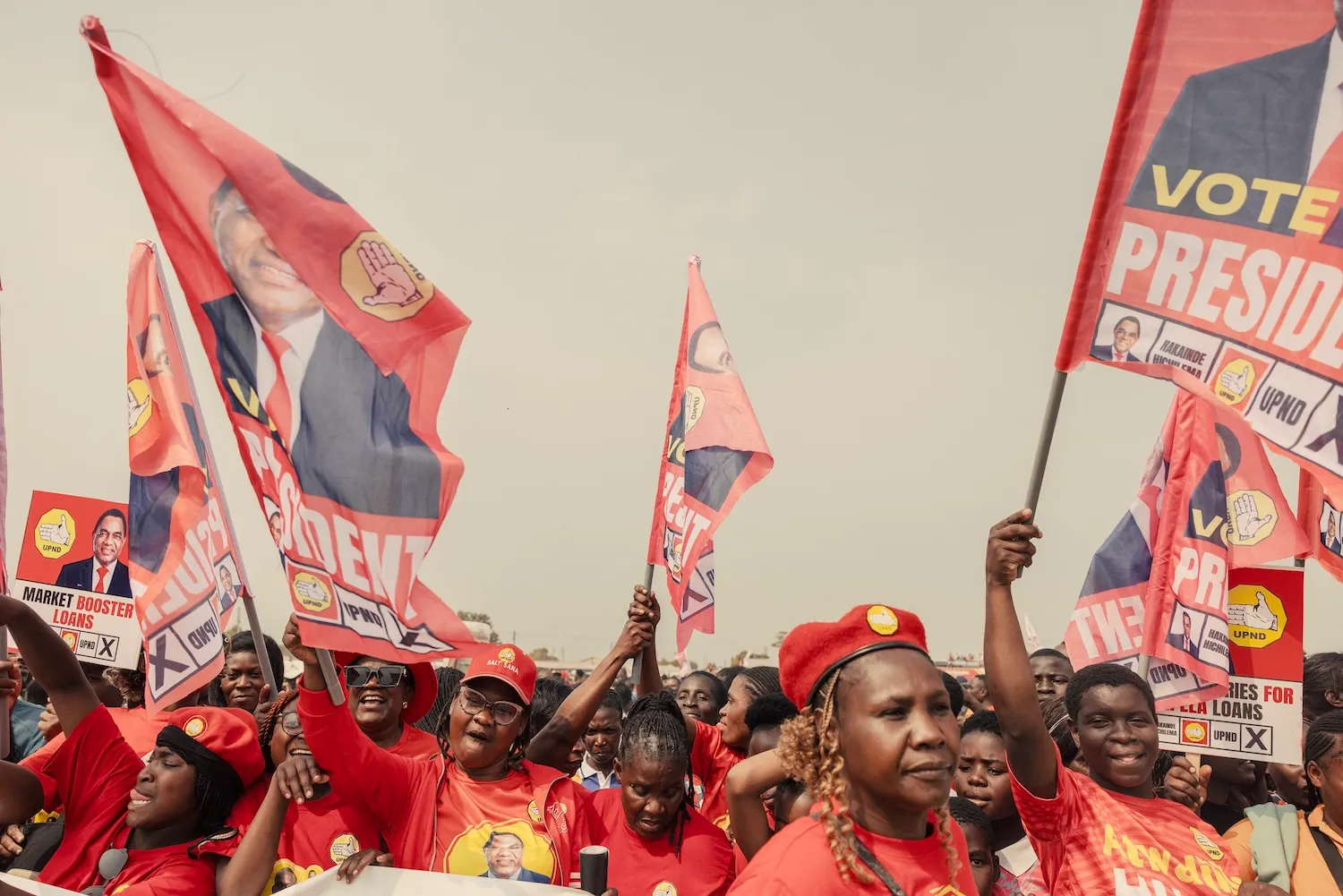
Zambians head to the polls on Aug. 13 for an election that will test President Hakainde Hichilema’s economic policies amid intense rivalry between the United States and China over the country’s critical minerals.
Although analysts initially expected Hichilema to secure a comfortable second-term win, a newly reorganized opposition that emerged out of the Patriotic Front, the former ruling party from 2011 to 2021, has transformed the election into a close contest.
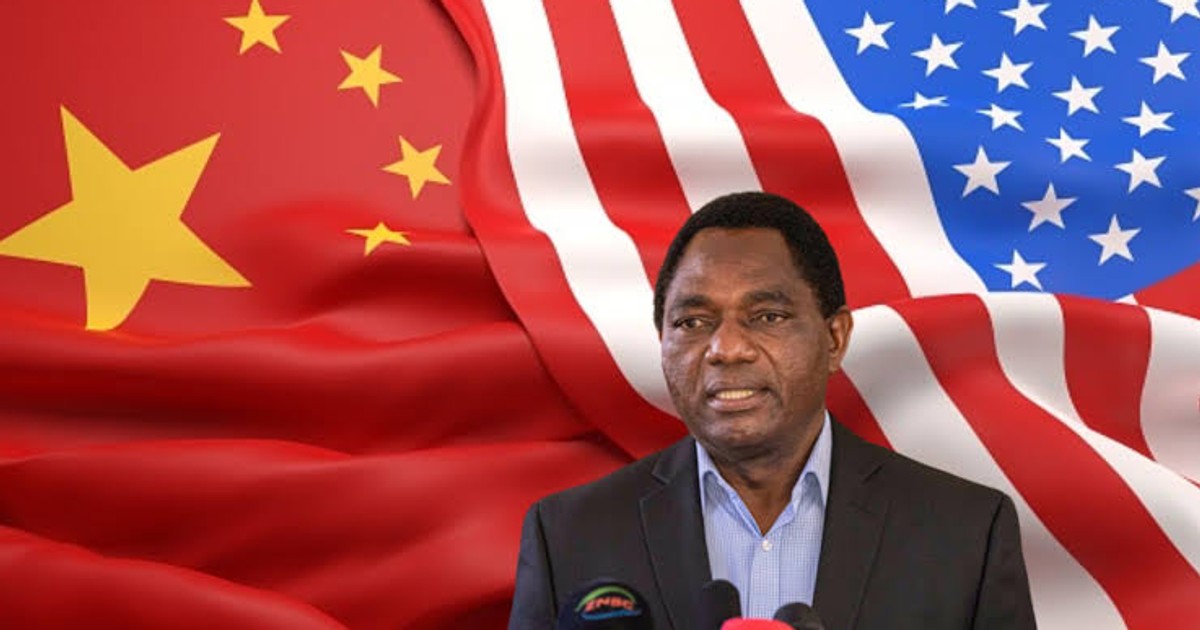
International media coverage of Zambia largely focuses on U.S.-China competition over economic influence in the country, which is Africa’s second-largest copper producer. Zambia is also home to large deposits of other critical minerals including cobalt, lithium, nickel, and graphite.