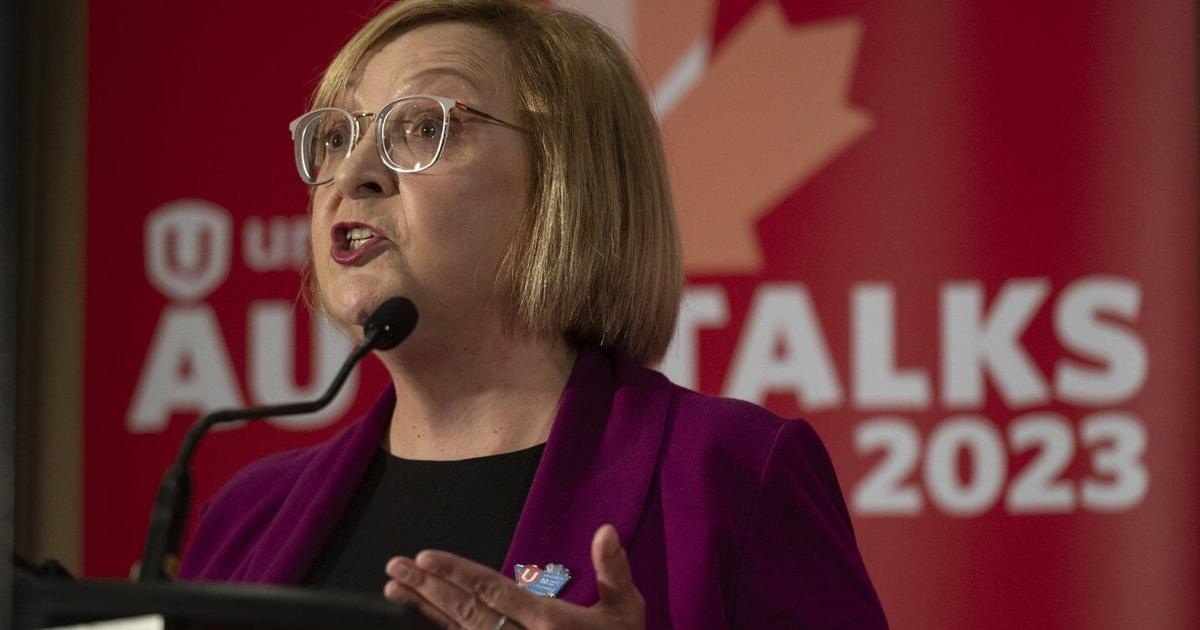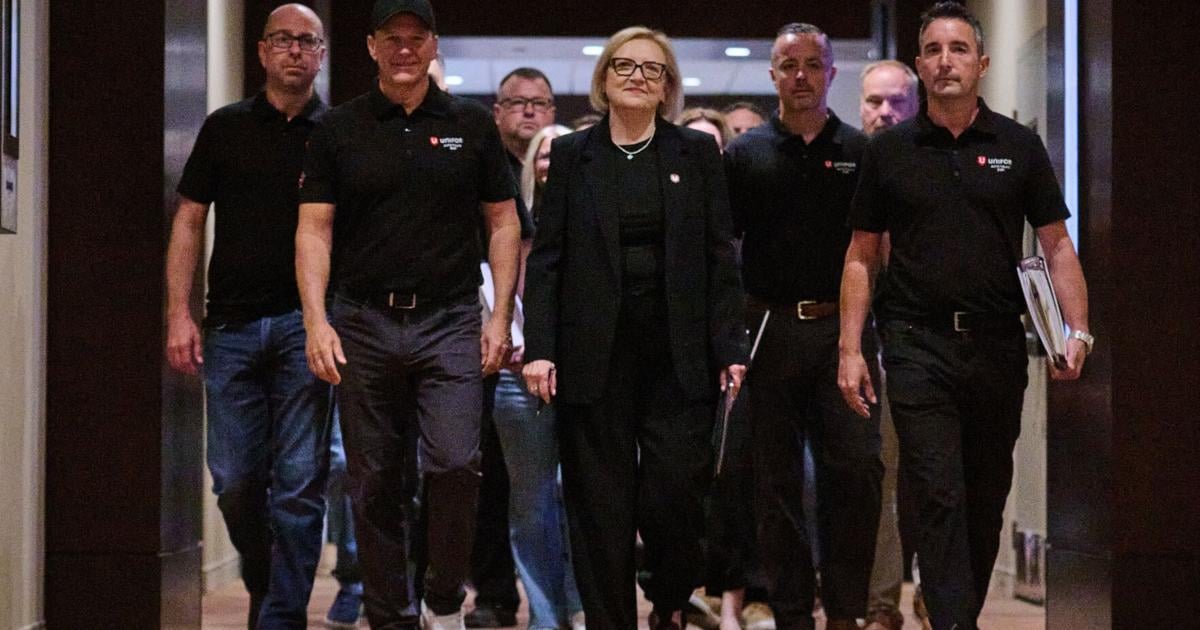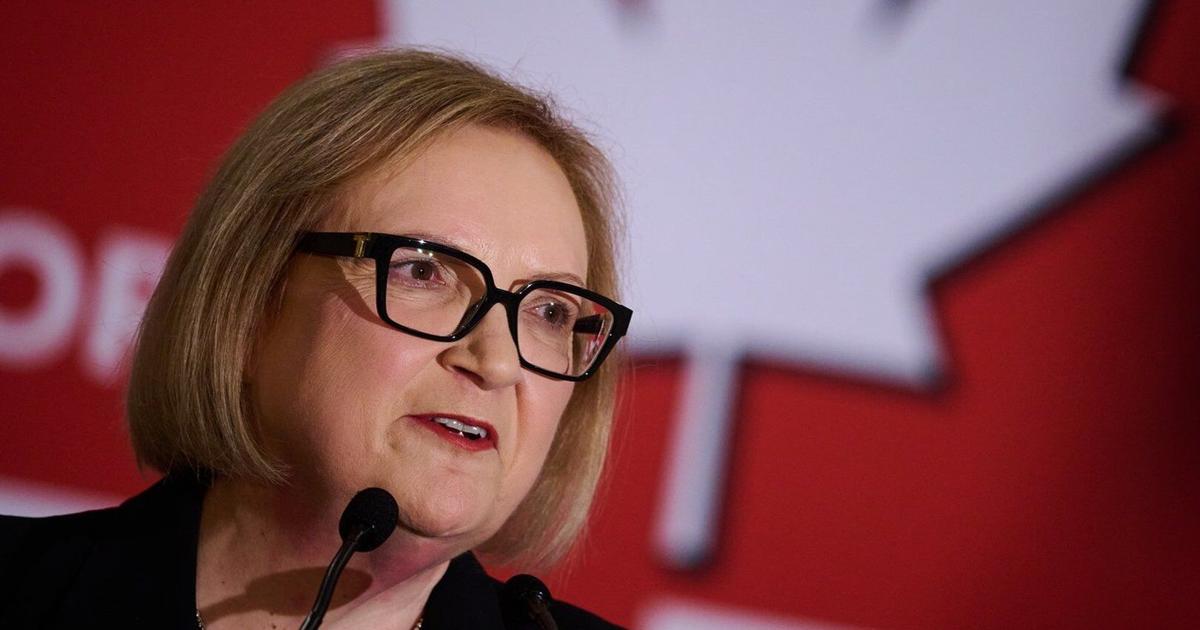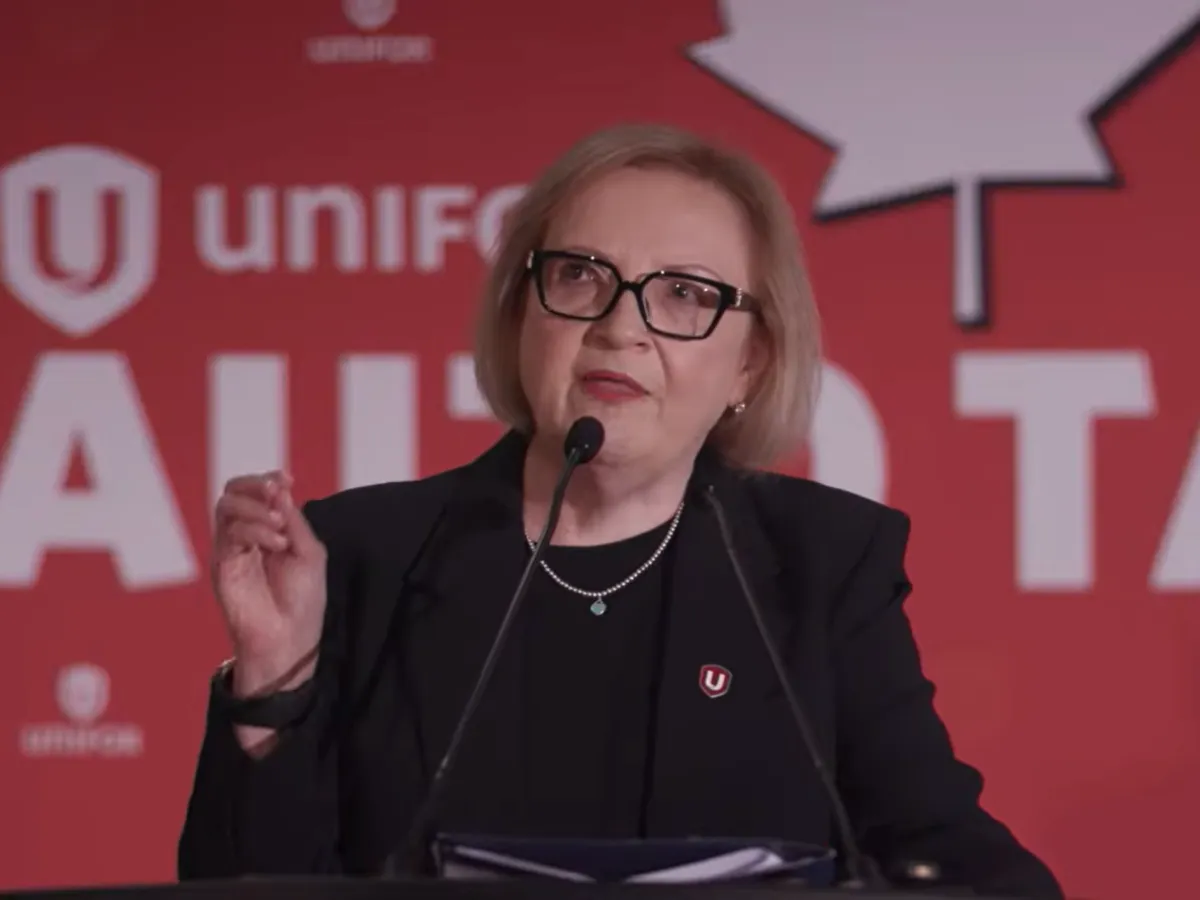
Skip to Content News Archives Economy Energy Oil & Gas Renewables Electric Vehicles Mining Commodities Agriculture Real Estate Mortgages Mortgage Rates Finance Banking Insurance Fintech Cryptocurrency Work Wealth Smart Money Wealth Management Investor Personal Finance Family Finance Retirement Taxes High Net Worth FP Comment Executive Women Puzzmo Newsletters Financial Times Business Essentials More Innovation Information Technology FP500 Podcasts Small Business Lives Told Tails Told Shopping Financial Post Store Obituaries Place a Notice Advertising Advertising With Us Advertising Solutions Postmedia Ad Manager Sponsorship Requests Classifieds Place a Classifieds ad Working Profile Settings My Subscriptions Saved Articles My Offers Newsletters Customer Service FAQ News Economy Energy Mining Real Estate Finance Work Wealth Investor FP Comment Executive Women Puzzmo Newsletters Financial Times Business Essentials HomeAutosWorkUnifor president 'encouraged' after first day of auto talks with Ford Motor Co.Wages and benefits will be key issues at the bargaining table, but job security likely to dominate discussions You can save this article by registering for free here. Or sign-in if you have an account.Unifor national president Lana Payne speaks at a news conference in Toronto on the first day of Detroit Three talks with Ford. Photo by SCREENSHOT/YOUTUBEUnifor’s national president says she’s feeling encouraged after the union launched negotiations with Ford Motor Co. that will help shape labour agreements covering nearly 19,000 autoworkers across Canada.Subscribe now to read the latest news in your city and across Canada.Exclusive articles from Barbara Shecter, Joe O'Connor, Gabriel Friedman, and others.Daily content from Financial Times, the world's leading global business publication.Unlimited online access to read articles from Financial Post, National Post and 15 news sites across Canada with one account.National Post ePaper, an electronic replica of the print edition to view on any device, share and comment on.Daily puzzles, including the New York Times Crossword.Subscribe now to read the latest news in your city and across Canada.Exclusive articles from Barbara Shecter, Joe O'Connor, Gabriel Friedman and others.Daily content from Financial Times, the world's leading global business publication.Unlimited online access to read articles from Financial Post, National Post and 15 news sites across Canada with one account.National Post ePaper, an electronic replica of the print edition to view on any device, share and comment on.Daily puzzles, including the New York Times Crossword.Create an account or sign in to continue with your reading experience.Access articles from across Canada with one account.Share your thoughts and join the conversation in the comments.Enjoy additional articles per month.Get email updates from your favourite authors.Create an account or sign in to continue with your reading experience.Access articles from across Canada with one accountShare your thoughts and join the conversation in the commentsEnjoy additional articles per monthGet email updates from your favourite authorsSign In or Create an Accountor“It is day one and we have a long road ahead,” Lana Payne told reporters Monday afternoon after the first day of bargaining in Toronto.The union has described this round of bargaining with the Big Three automakers as one of the most consequential in decades since the sector is facing pressure on multiple fronts, including United States trade measures, questions about the future of North American trade rules and increased global competition as Chinese electric vehicle manufacturers expand their presence.“There is no doubt that we face an unprecedented set of challenges here as we embark on these auto negotiations,” Payne said. “The most powerful leader in the world has repeatedly said that he is coming for our auto sector in Canada and our jobs.” US President Donald Trump speaks with Canada’s Prime Minister Mark Carney during a work lunch as part of the G7 summit in Evian, eastern France, on June 16, 2026. (Evelyn Hockstein/POOL/ AFP via Getty Images)FP Work touches on HR strategy, labour economics, office culture, technology and more.By signing up you consent to receive the above newsletter from Postmedia Network Inc.A welcome email is on its way. If you don't see it, please check your junk folder.The next issue of Work will soon be in your inbox.We encountered an issue signing you up. Please try againWages and benefits will be key issues at the bargaining table, but she said job security is likely to dominate discussions. She said Unifor is also looking for clarity around “future investments and product commitments” from the automaker.Ford was selected as Unifor’s lead company in this year’s pattern bargaining process, with any agreement reached establishing the framework for negotiations with Stellantis NV and General Motors Co.“Our opening discussion with the company was frank, professional and focused on the work ahead,” John D’Agnolo, president of Unifor Local 200 and chair of the Ford Master Bargaining Committee, said. “None of the distractions created by tariffs, by Trump or by the economy will lower in any way the standards of this agreement that must be met.”The current collective agreements covering Ford, Stellantis and General Motors workers expire Sept. 20. The union is seeking new three-year contracts and has set a July 10 target date to reach a tentative agreement with Ford. Ford Master Bargaining Committee Chairperson John D’Agnolo speaks at a news conference in Toronto on the first day of Detroit Three talks with Ford. (SCREENSHOT/YOUTUBE)“We look forward to constructive, good-faith discussions to reach a fair agreement with the goal of providing stability for our workforce while securing the long-term competitiveness of our Canadian manufacturing operations,” a Ford spokesperson said in an email.Adding to the uncertainty is the review of the Canada-U.S.-Mexico Agreement (CUSMA). The talks have kicked off ahead of the scheduled review date on July 1, which has taken on added significance after U.S. President Donald Trump floated the idea of increasing U.S. content requirements in North American-made vehicles and has pushed automakers to move operations south of the border.Payne said the union cannot wait for more certainty around CUSMA before locking down a new contract with the Detroit Three.“It’s too risky to wait. How do we know when it’s going to be settled? We don’t know that. We have a lot of members, by the way, who need answers . . . at Brampton and at CAMI and at a number of our other facilities,” she said, referring to GM’s CAMI Assembly plant in Ingersoll, Ont., and Stellantis’ assembly plant in Brampton, Ont. “Waiting a year is not going to improve conditions for them.”Nearly 6,500 jobs have been lost across Canada’s auto manufacturing sector since last February, according to Unifor.Payne also said there’s a broader challenge posed by imported vehicles. Canada had imposed a 100 per cent tariff on Chinese EVs in 2024, but a new quota allowing up to 49,000 Chinese-made EVs into Canada annually at a lower 6.1 per cent tariff could undercut domestic production. “Canada cannot become a market for vehicles only made somewhere else,” she said. “If we want an advanced manufacturing industry in Canada, it starts with building cars and trucks right here in this country.”If a tentative agreement is reached by the July 10 deadline, Payne said Unifor will “have a discussion and figure out next steps.” Join the Conversation This website uses cookies to personalize your content (including ads), and allows us to analyze our traffic. Read more about cookies here. By continuing to use our site, you agree to our Terms of Use and Privacy Policy.
Unifor president 'encouraged' after first day of auto talks with Ford Motor Co.
Unifor's national president said she left the first day of bargaining with Ford Motor Co. feeling encouraged.
1,201 words~5 min read