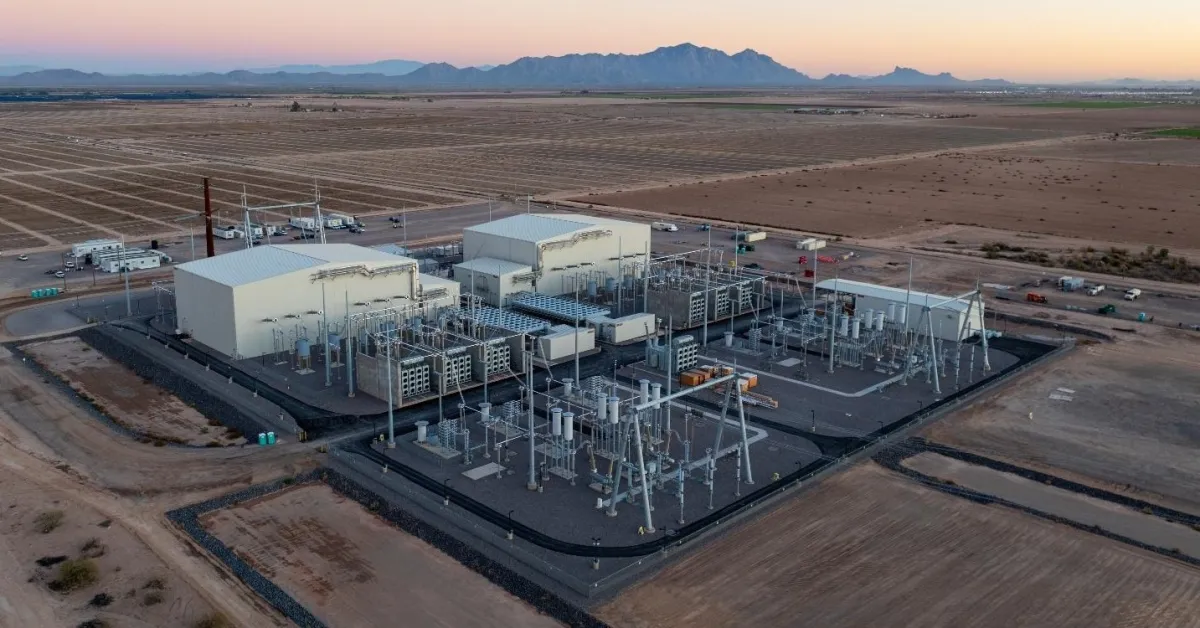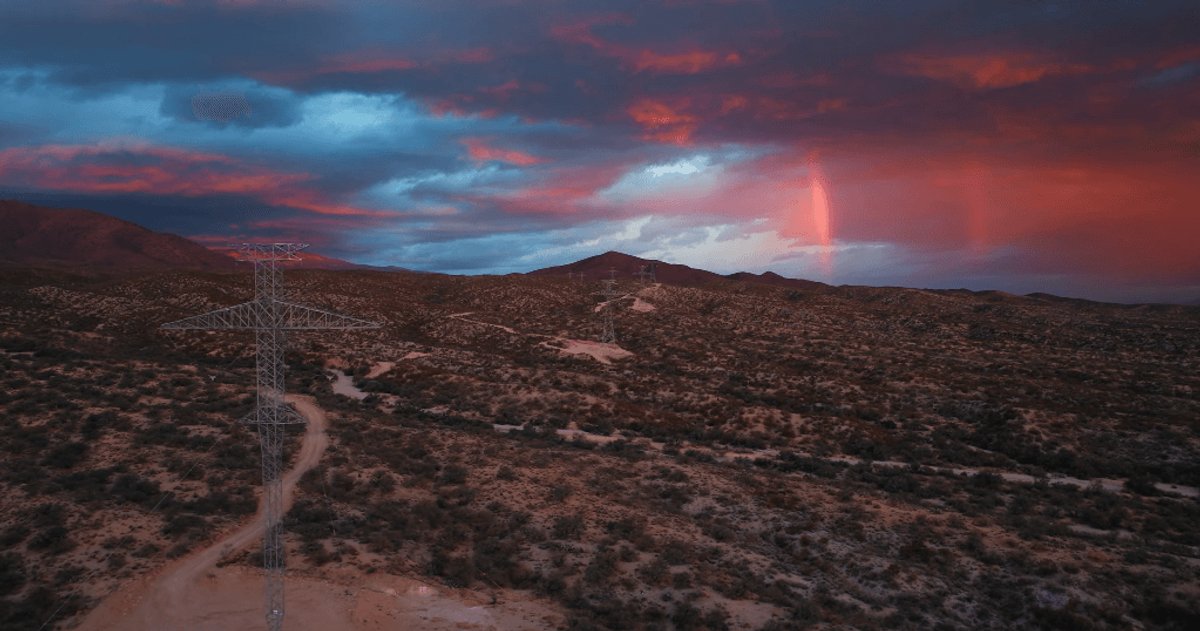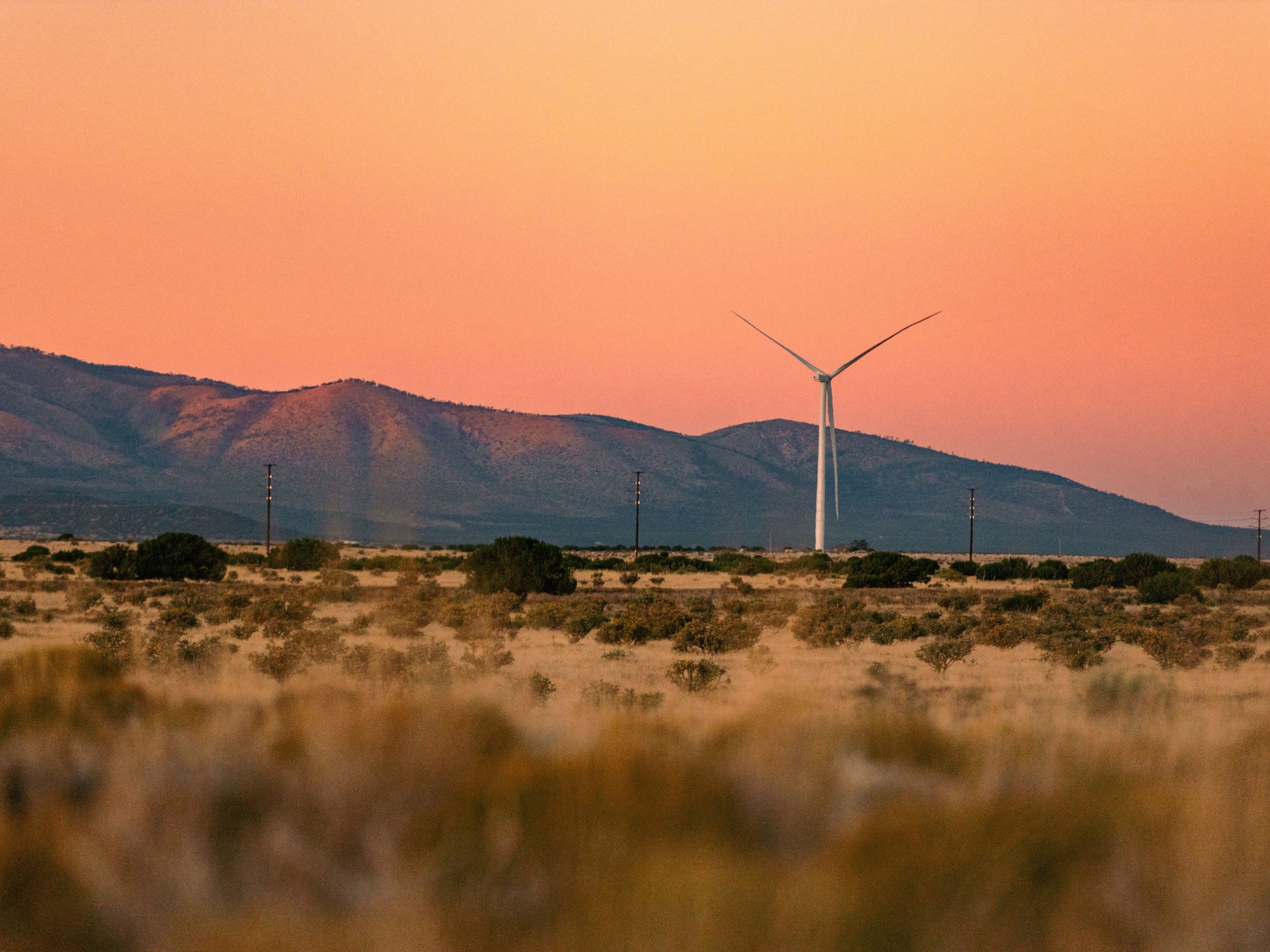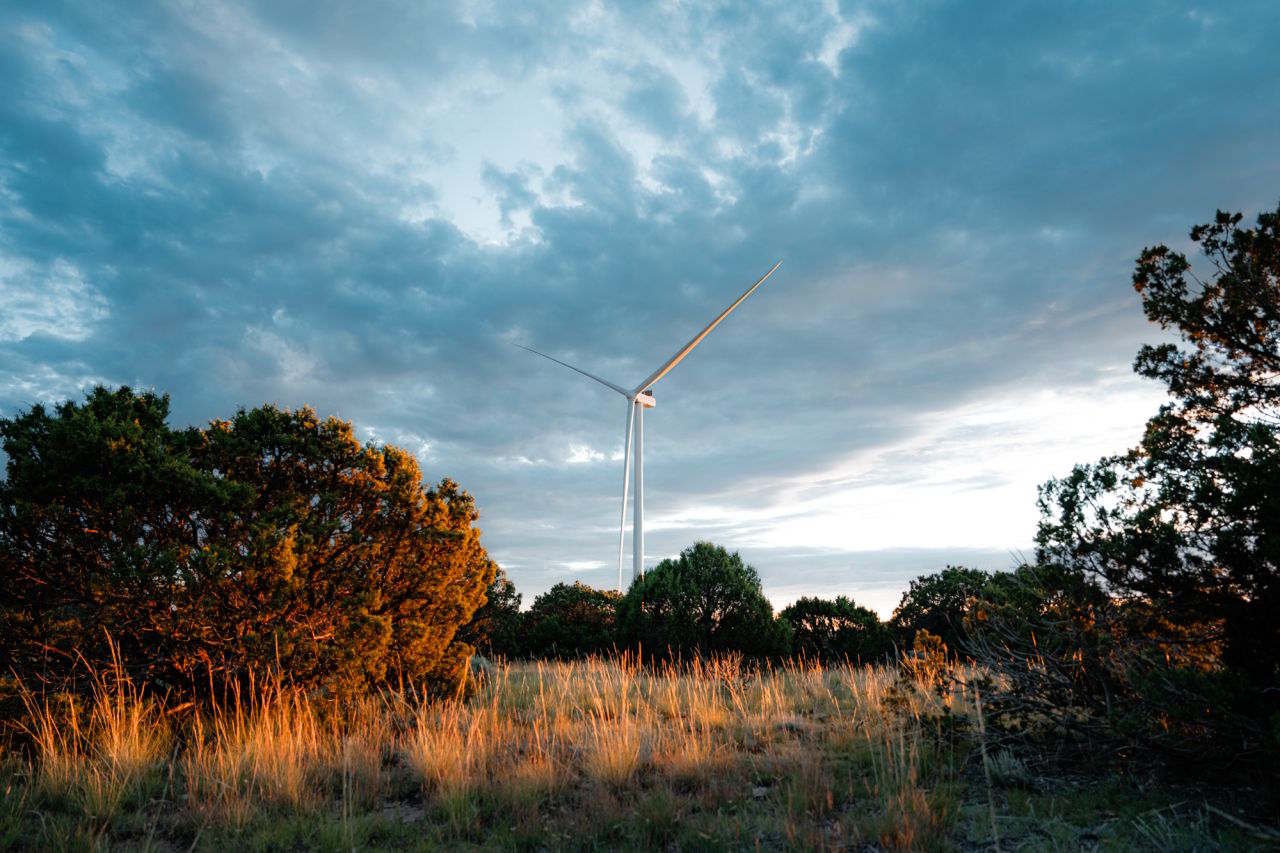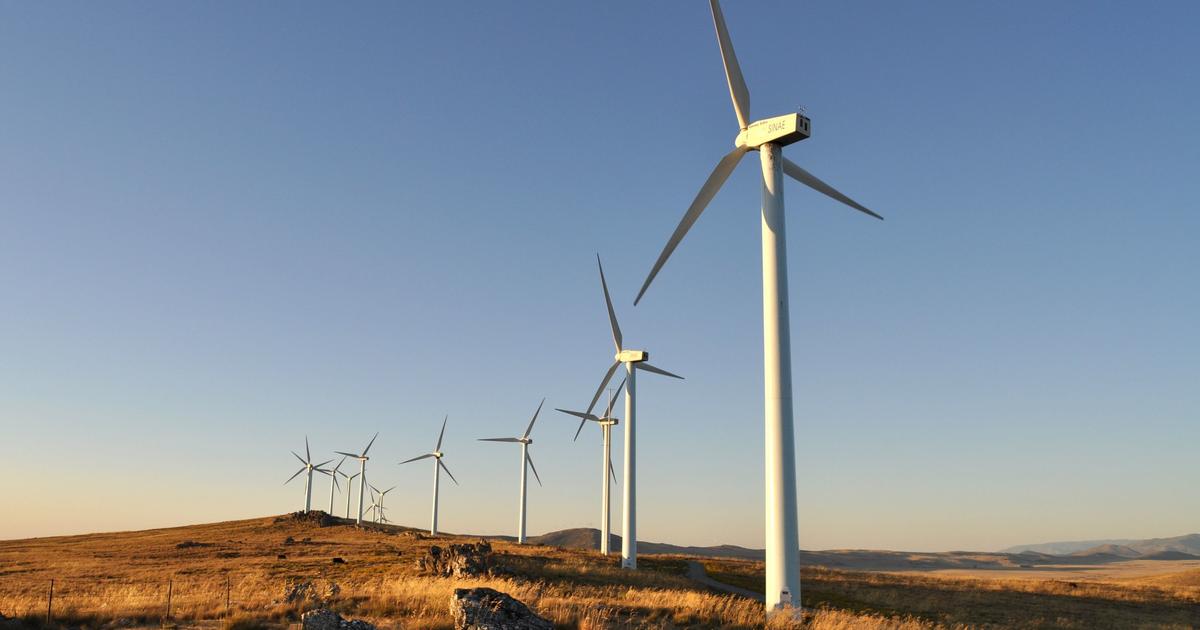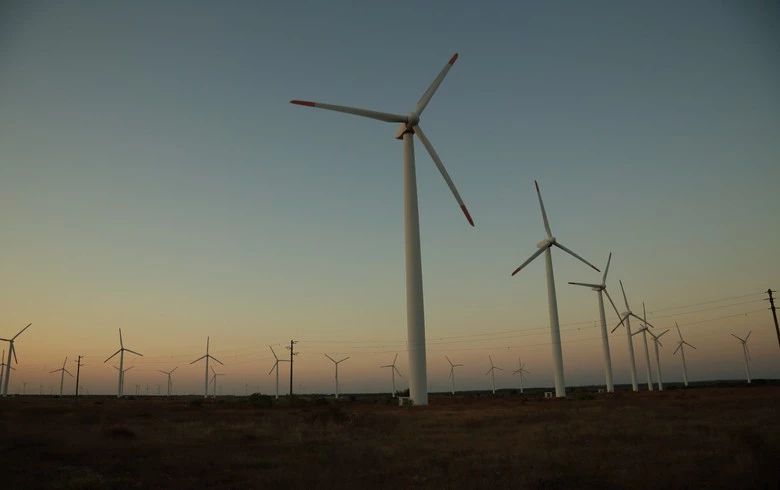
After nearly two decades in development, SunZia, the $11 billion, 3.6 gigawatt wind project built by Pattern Energy came online in New Mexico last week. It’s the country’s largest wind energy project, and is accompanied by a 550-mile HVDC transmission line designed to carry up to 3 GW of clean energy to southern Arizona and California. And it was built thanks in part to New Mexico’s unique model for getting transmission projects over the finish line: the state transmission authority.
SunZia’s completion is certainly a victory for the grid. But it has also become an emblem of just how hard it is to build large infrastructure projects. After being proposed in 2006, the project ran into repeated permitting delays, legal challenges, and routing obstacles (thanks in part to concerns about missile testing at nearby White Sands). And the project comes online at a time when the administration’s war on wind is still ongoing, and having ripple effects beyond the wind industry: to solar developers, the burgeoning advanced geothermal sector, and bipartisan permitting reform efforts.
New Mexico Senator Martin Heinrich, a vocal advocate for permitting reform in the Senate, has been involved with SunZia since its permitting process first began in 2009. And the process of getting the project over the finish line, Heinrich said, comes with lessons for any large infrastructure project, including AI data centers.