Show Caption
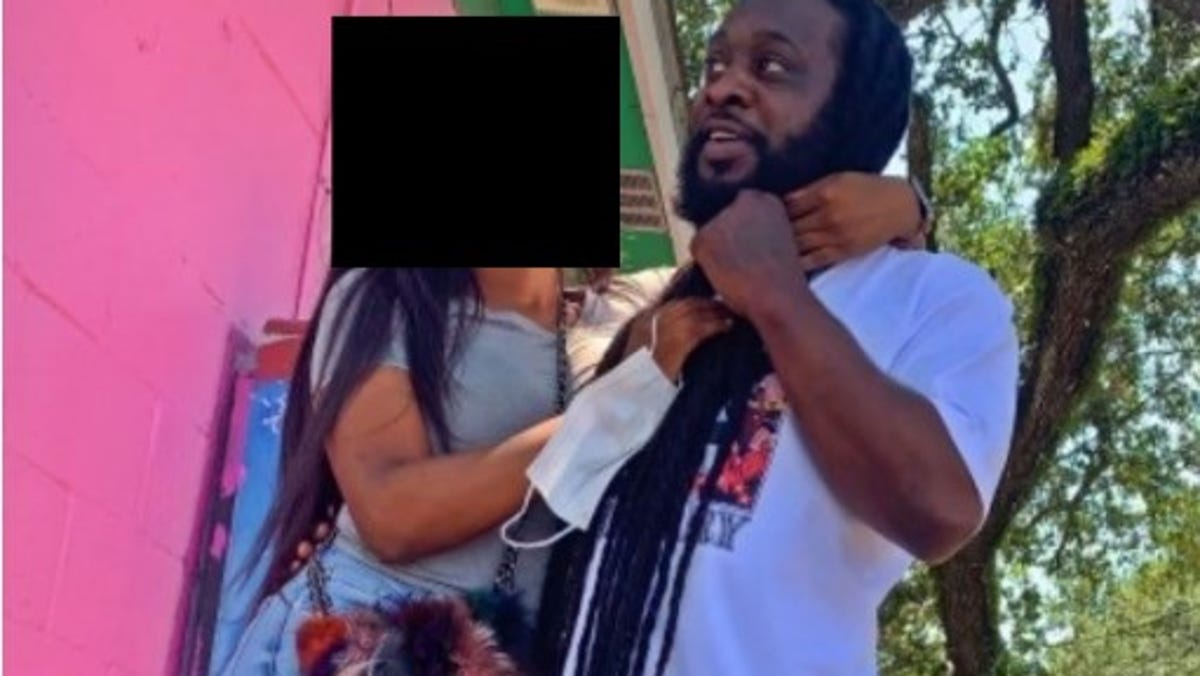
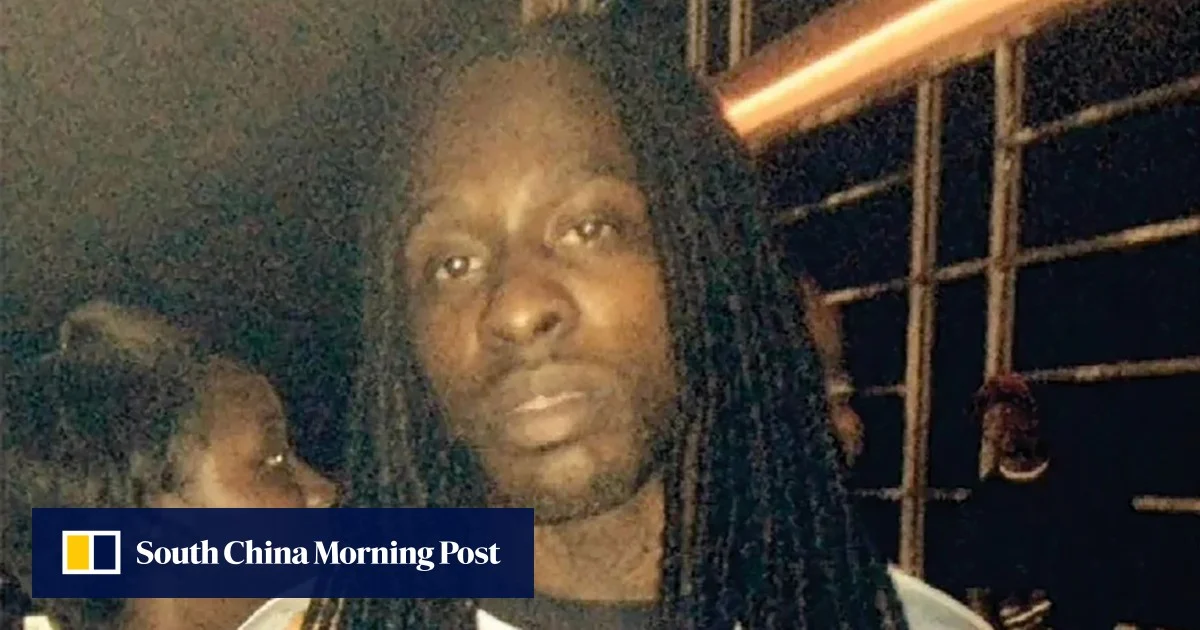
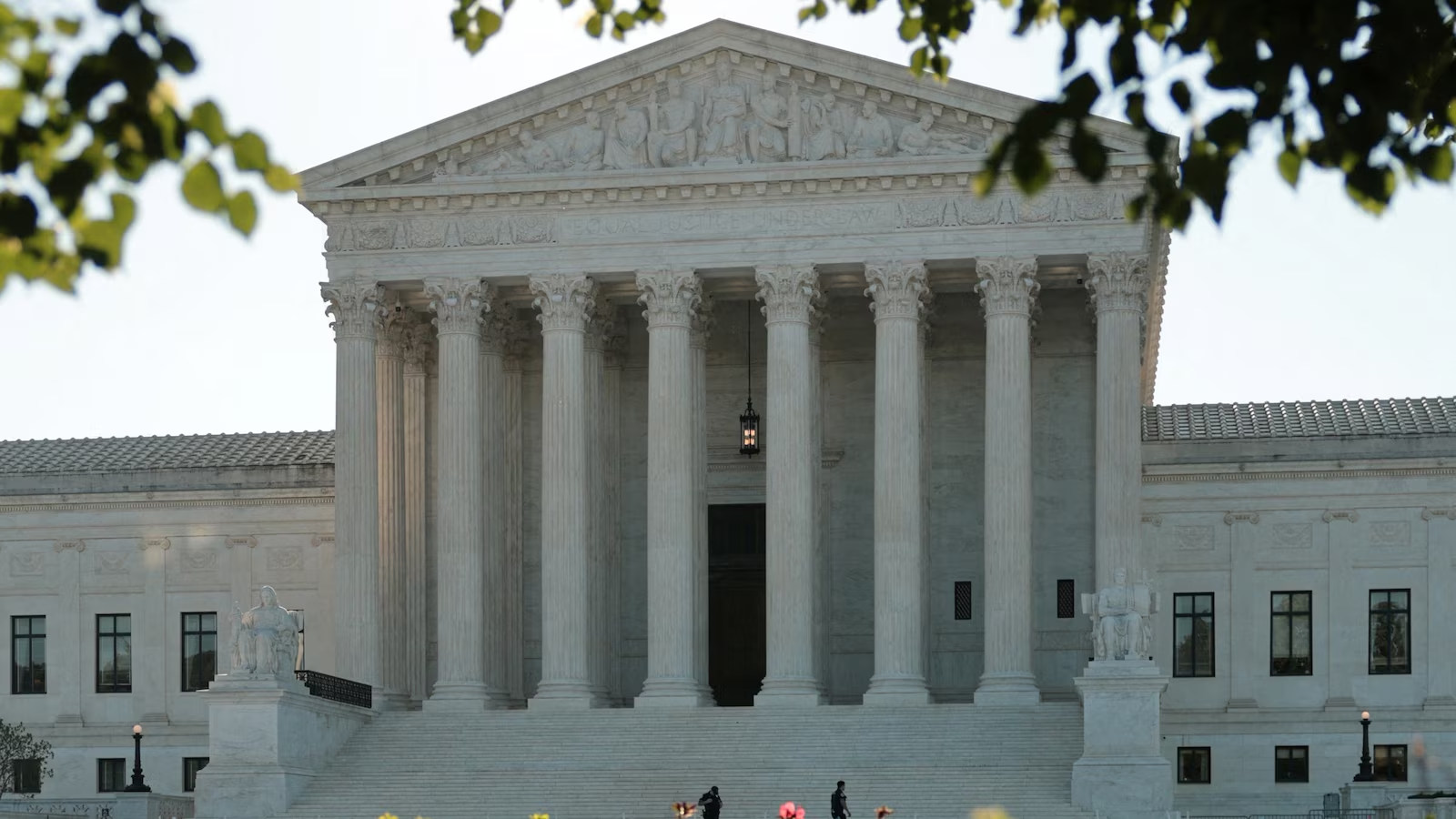
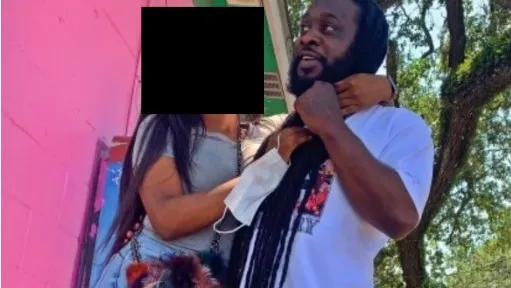
WASHINGTON − A Supreme Court that has been increasingly protective of religious rights nonetheless ruled against a Rastafarian man who tried to sue Louisiana prison officials for damages after they forcibly shaved off his knee-length dreadlocks.Justice Neil Gorsuch wrote for the 6-3 majority on June 23 that a federal law protecting prisoners’ religious rights doesn’t allow them to seek financial compensation if their rights are violated."And because they never agreed to answer suits like this one, Mr. Landor’s case cannot proceed against them any more than a breach of contract action might proceed against a defendant who never formed a contract," Gorsuch wrote.While the court has been friendly to religious liberty claims, it has been hostile to lawsuits seeking damages against government officials.'They cut off my crown'Attorneys for Damon Landor and the Department of Justice had argued that Landor, who is Rastafarian, had no other means to hold prison officials responsible once they cut off the knee-length locks he’d been growing for nearly a decade.In 2020, Landor was nearing the end of a five-month sentence for drug possession when he was transferred to a new state facility in Louisiana.He showed prison officials a copy of a court ruling that said dreadlocks grown for religious reasons should be accommodated, as they were in the previous prisons where he'd been detained. But an intake guard threw the ruling in the trash and called in the warden, according to court filings.When Landor couldn’t immediately meet the warden’s demand for court documentation affirming that he was a Rastafarian, he was handcuffed to a chair and prison staff shaved off his dreadlocks.“My locks are a part of me and part of who I am,” Landor said in a statement to USA TODAY, recalling how he counted on his religion to help him survive incarceration. “So when they cut off my hair, they cut off my crown.”Federal law is supposed to protect prisoners' religious rightsLandor should have been protected by the Religious Land Use and Institutionalized Persons Act, or RLUIPA, passed unanimously by Congress in 2000 to prevent state and local prisons from placing arbitrary or unnecessary restrictions on religious practices.Twenty years after enactment, the DOJ said in a 2020 report, some institutions continue to impose substantial burdens on incarcerated people who are following the tenets of their religion.A variety of religious and civil liberties groups across the ideological spectrum backed Landor.In general, the justices have been increasingly protective of religious rights.In 2020, for example, the high court ruled that Muslim men who claimed that their religious rights were violated for being placed on the government’s no-fly list after refusing to serve as FBI informants could sue the FBI agents for damages.That case involved a similar federal law protecting religious expression. But because RLUIPA involves state institutions, it operates differently, Louisiana argued. While states agree to follow federal rules when taking federal funding, that doesn’t create a personal liability for prison workers, the state said.Justice Ketanji Brown Jackson disagreed with the majority, comparing the decision to "pulling a rabbit out of the hat," and was joined by Justices Sonia Sotomayor and Elena Kagan.Jackson wrote that Congress enacted the law at stake in the case to ensure prisoners a right to religious expression. But she said the majority adopted the “peculiar position” that Congress was powerless to create and states were powerless to accept a remedy of damages against officials who violated the directive.“This severance of rights and remedies is a sleight of hand; it comes by way of the majority’s full-throated endorsement of a contract analogy even though what secures the rights at issue is not a contract but a law,” Jackson wrote. “Because I would not so trivialize a federal statute or the constitutional powers pursuant to which it was passed, I respectfully dissent.”No one defended what happened to prisonerDuring the November oral arguments in Landor v. Louisiana Department of Corrections and Public Safety, none of the justices defended what happened to Landor as valid.But Justice Amy Coney Barrett said the justices had to consider how their decision could affect other situations – even outside of the religious rights of prisoners − in which public employees could be sued. Louisiana officials said the state has amended its grooming policy to prevent a repeat of Landor's ordeal.