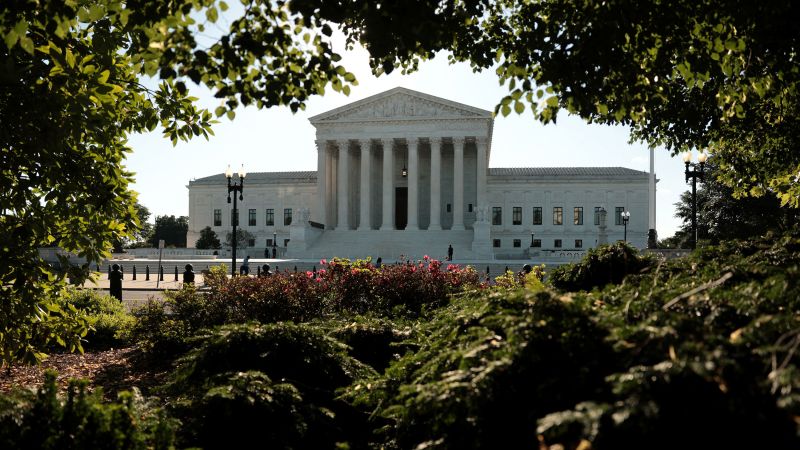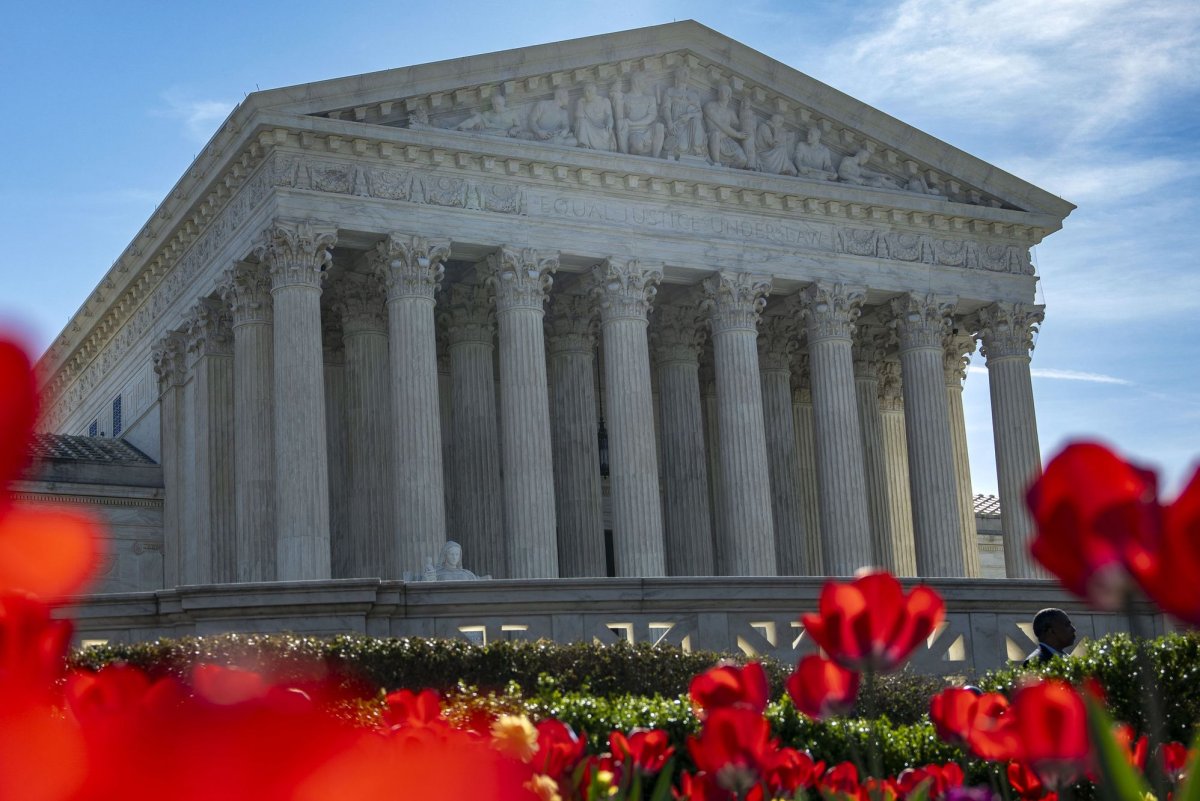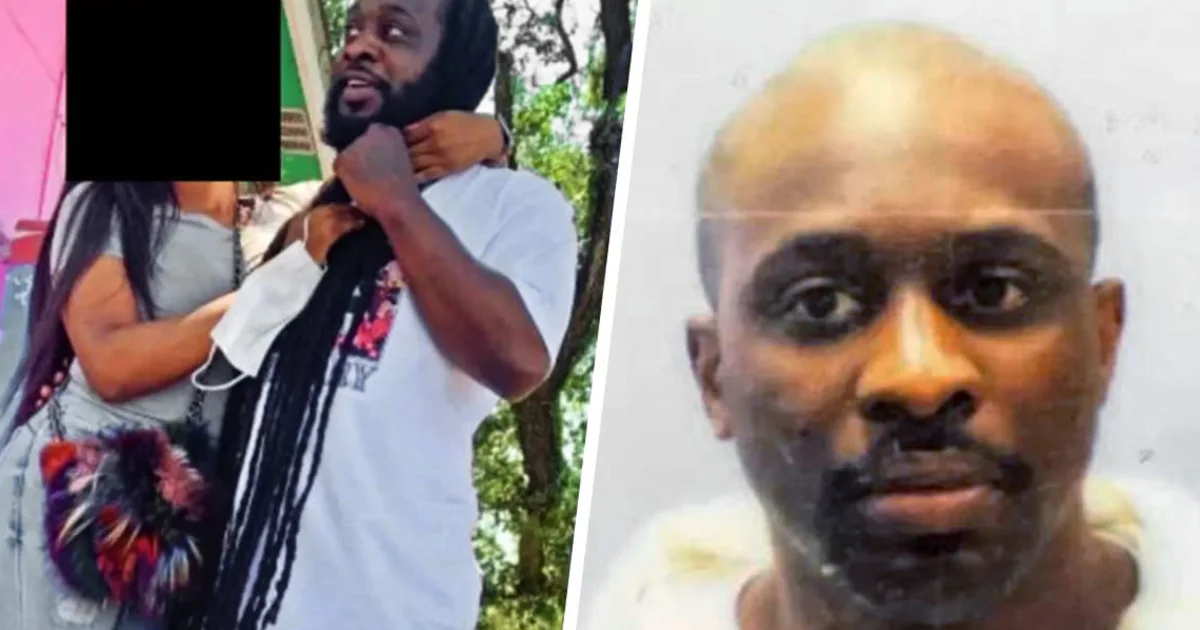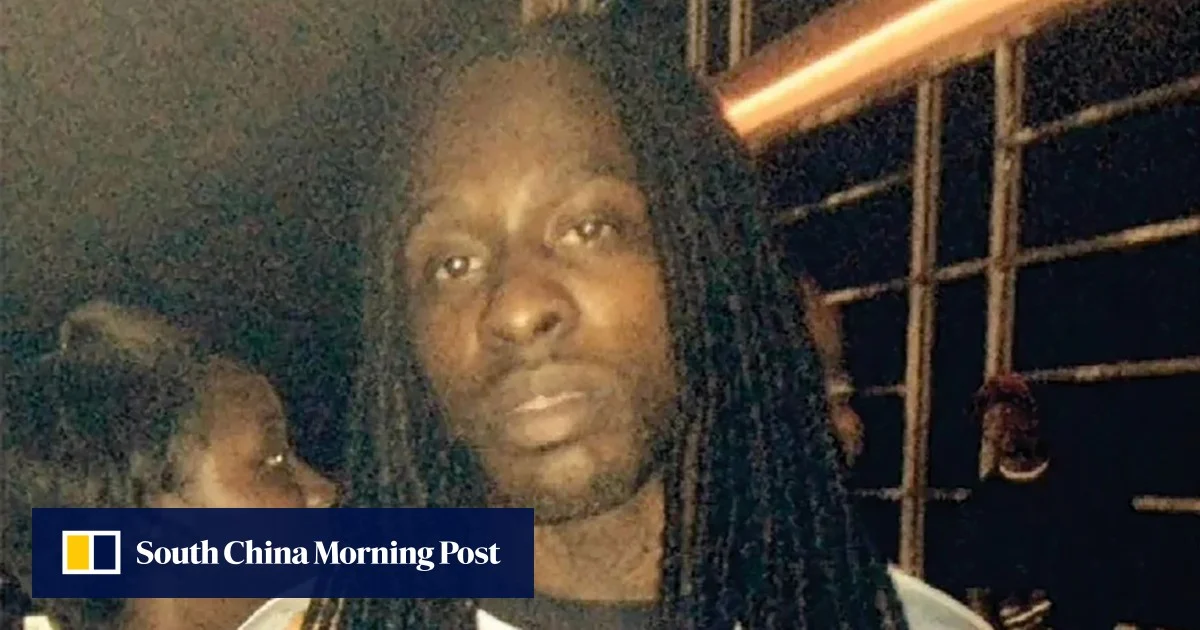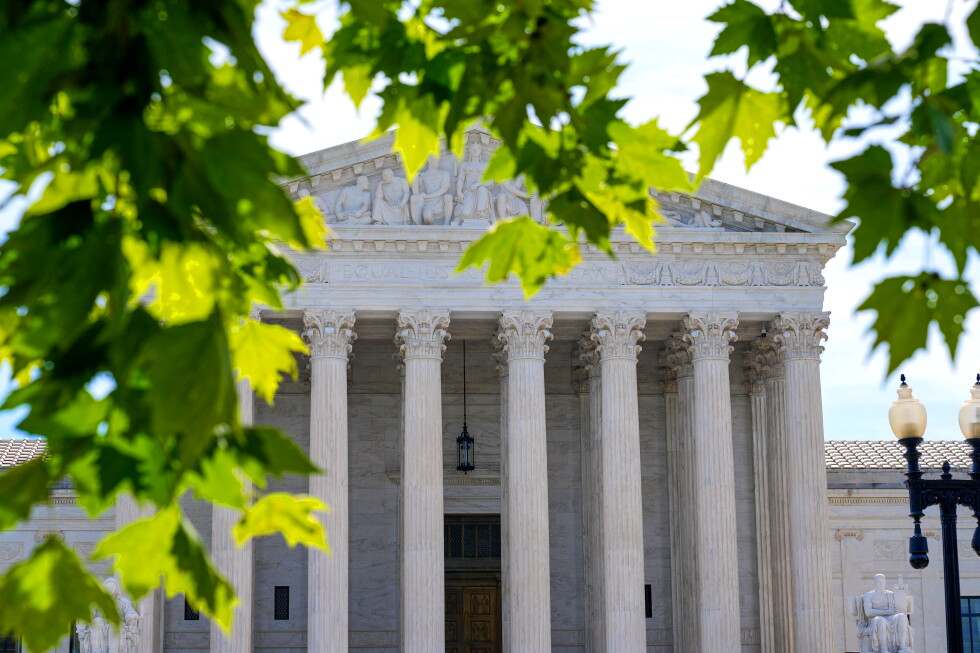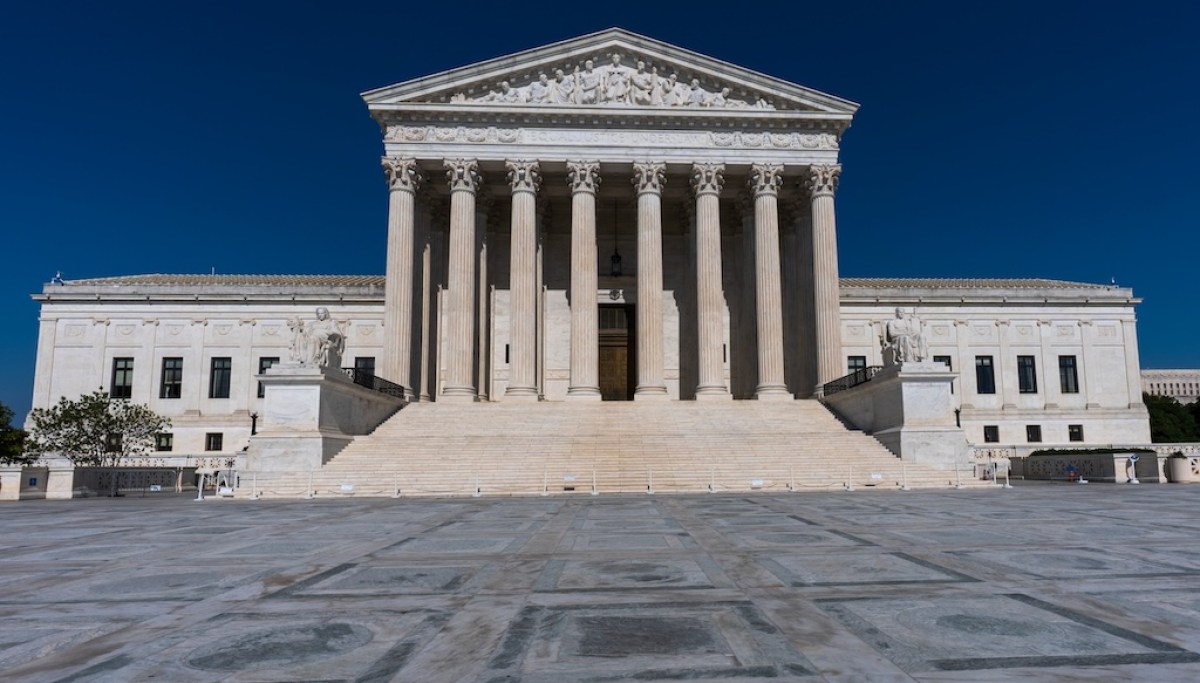
The Supreme Court on Tuesday denied a Rastafarian man’s bid to sue prison officials for cutting his dreadlocks in violation of his religious beliefs, marking a rare defeat for religious liberty at the high court.Justice Neil Gorsuch penned the 6-3 majority ruling, which found that Damon Landor cannot sue the prison officials under the Religious Land Use and Institutionalized Persons Act because the law does not provide the ability to sue for damages when a person’s religious rights are violated.“Mr. Landor does not have a federal RLUIPA cause of action against the officers,” Gorsuch wrote for the majority. “Under the Spending Clause, Congress lacks regulatory authority to impose liability on them directly and must depend instead on consent. And because they never agreed to answer suits like this one, Mr. Landor’s case cannot proceed against them any more than a breach of contract action might proceed against a defendant who never formed a contract.”
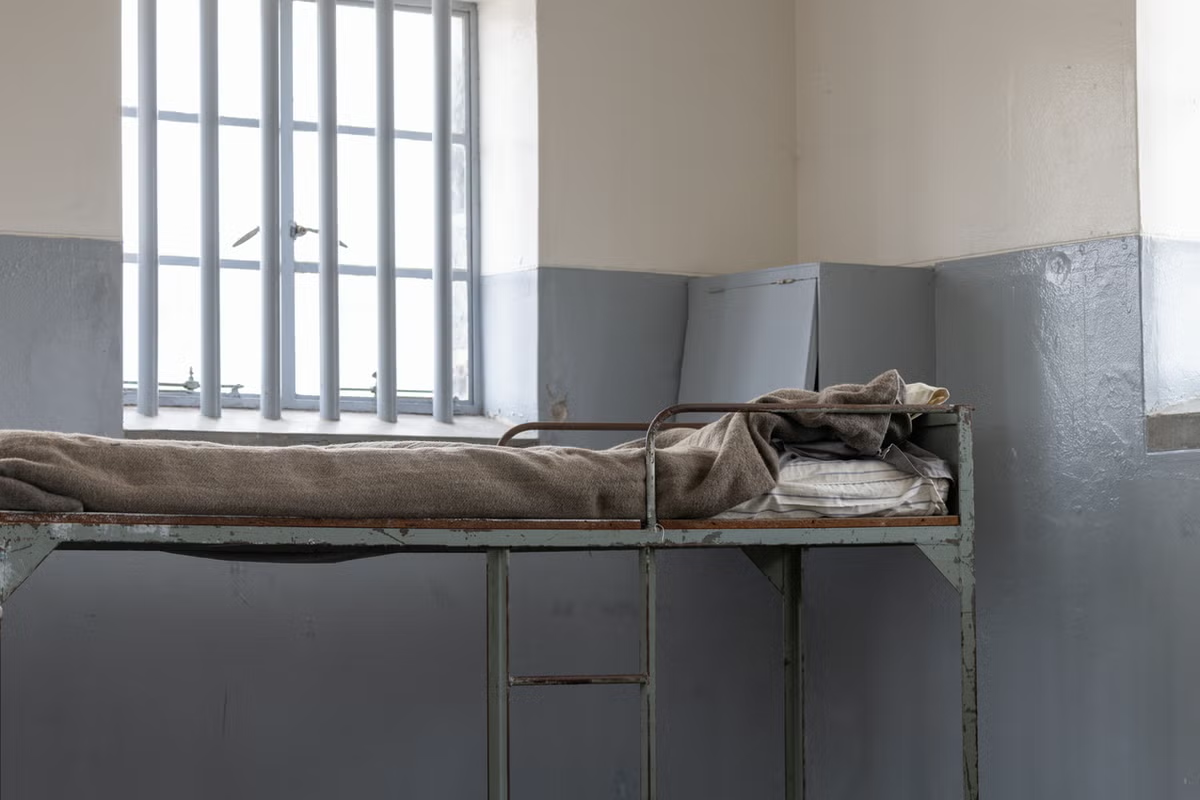
Landor filed the lawsuit against the Louisiana Department of Corrections and officials at the LDOC for shaving his dreadlocks in 2020, despite him presenting prison officials with a copy of a court ruling generally barring prisons from cutting Rastafarians’ hair, acknowledging their sincerely held religious beliefs. While Gorsuch was sympathetic to Landor’s treatment, he ultimately found that Congress did not authorize lawsuits against prison officials under the RLUIPA.“To be sure, Mr. Landor and the dissent identify ways in which Congress could have lawfully imposed personal liability on the individual defendants,” Gorsuch wrote, later noting that “these untapped possibilities only underscore Mr. Landor’s bind.”Gorsuch’s majority opinion was joined by Chief Justice John Roberts, along with Justices Clarence Thomas, Samuel Alito, Brett Kavanaugh, and Amy Coney Barrett. The dissent was written by Justice Ketanji Brown Jackson, and joined by Justices Sonia Sotomayor and Elena Kagan.Jackson’s 29-page dissent argues that the RLUIPA imposes damages liability, and she said she would have allowed Landor’s lawsuit to proceed.“Today’s decision magically transforms a federal statute into an invitation to be accepted or declined, deemed binding only if each particular defendant has explicitly agreed to be penalized. No matter that laws, as opposed to contracts, don’t ordinarily work this way. The trick here is the majority’s effortless conflation of law making and agreement making—two different sources of binding authority,” Jackson wrote for the dissent.“In the end, the Court reduces some of Congress’s greatest legislative achievements—federal laws that secure civil rights, environmental stability, healthcare, and more—to nothing more than the wheelings-and-dealings of an especially wealthy private party. Because I would not so trivialize a federal statute or the constitutional powers pursuant to which it was passed, I respectfully dissent,” she added.THE MAJOR SUPREME COURT DECISIONS REMAINING FOR THIS TERMThe Supreme Court has 12 remaining opinions to issue this term, with nearly all of the pending cases focused on high-profile issues. Some of the most closely watched cases awaiting a ruling include legal challenges to Trump’s firing powers, a pair of state laws barring biological men from women’s sports, and laws allowing late-arriving mail ballots to be counted.The high court is next scheduled to issue rulings on Thursday, but could also issue opinions on additional days either this week or early next week. Once the Supreme Court concludes issuing rulings for this term, it will return in October for a new term with a new slate of cases.