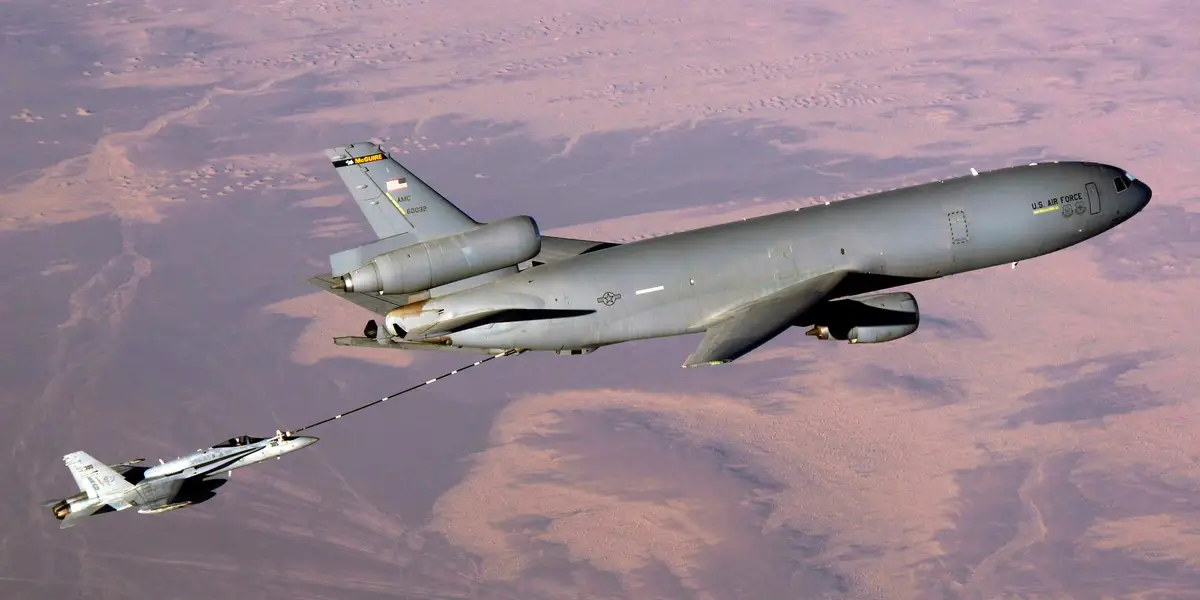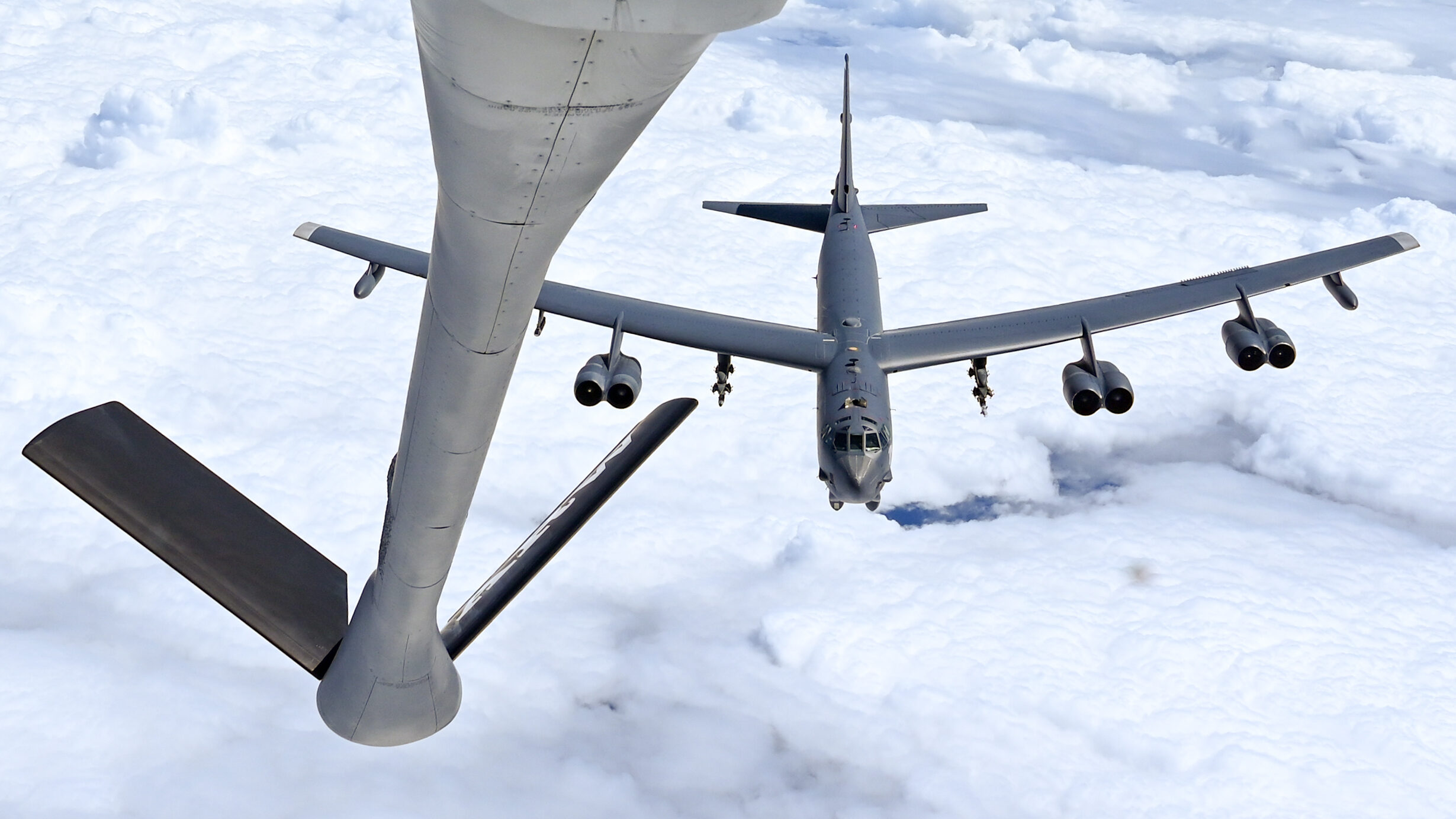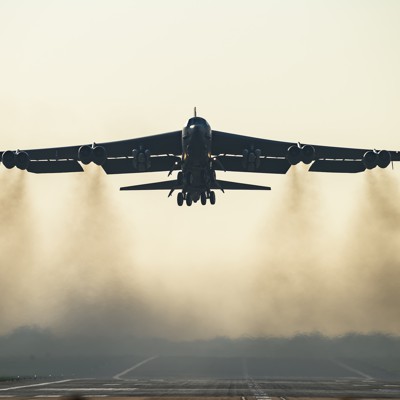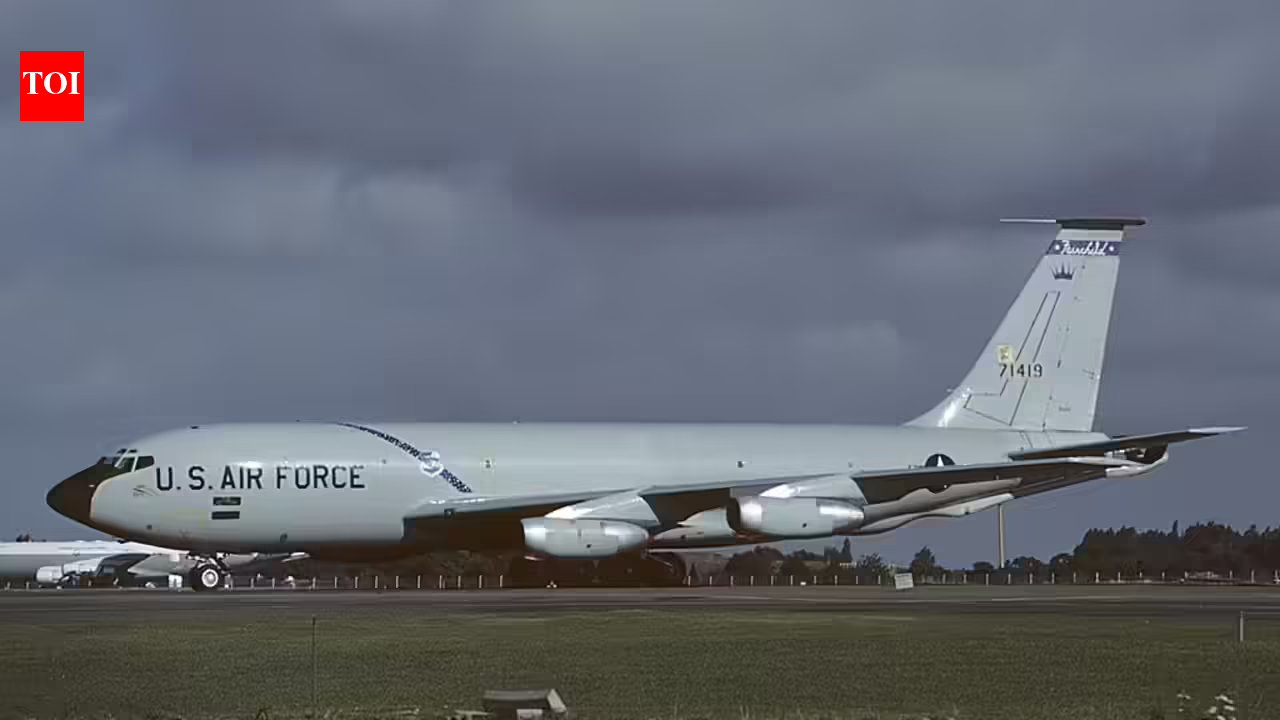
An Eisenhower-era KC-135R Stratotanker, tail number 57-1419, remains a vital asset for the US Air Force, defying its 1957 build date. This veteran aircraft, one of the oldest flying jets, actively supports critical bomber rotations in the Pacific. Image Credits: WikipediaThink about the oldest working machinery you encounter in daily life, perhaps a vintage train or a well-kept mid-century elevator. Now, imagine a heavy, high-performance military aircraft from that same era flying thousands of feet in the air, pushing through extreme turbulence, and passing thousands of gallons of explosive jet fuel to modern stealth fighters. This is the reality for an extraordinary piece of American aviation history carrying the tail number 57-1419. Built during the Eisenhower administration, this specific KC-135R Stratotanker is a flying paradox, an ancient metallic shell packed with reworked systems that refuses to step down from active duty.Although most of the fleet has long since been consigned to the desert boneyard, this aircraft continues to rack up flight hours. This aircraft is described as one of the oldest flying jets in the US Air Force. Over nearly seven decades, the plane has remained useful because of its design and maintenance.The aircraft's day-to-day operations are tracked by defence specialists monitoring global military movements. An article published by the Air and Space Forces Magazine, titled The Oldest Jet in the Air Force, Refueling Bombers on the Frontline in the Pacific, reveals that this specific airframe is currently deployed to the edge of the world, operating out of Andersen Air Force Base in Guam to support critical heavy bomber rotations. It is an active assignment for a plane built in the early jet age.How the aircraft stays in serviceTo understand how an airframe from 1957 survives the brutal physical toll of continuous military flight, you have to look into the secretive, highly scientific world of heavy depot maintenance. Every five years, the Stratotanker is completely disassembled down to its bare metal skeleton during an intensive restoration process that takes months to complete.An archival historical release by the 190th Air Refueling Wing, under the title Oldest jet in the Air Force returns home, provides an intimate look at the intensive care and local pride required to keep this legendary tanker operational after decades of global deployments. During these overhauls, technicians strip away the paint and use non-destructive inspection methods such as X-rays and ultrasound to look for microscopic stress fractures in the wings and fuselage.Despite its age, tail number 57-1419 has logged roughly 22,300 flight hours over its lifetime. To put that into perspective, a commercial airliner typically racks up that same amount of flight time in less than six years. Because military tankers spend significant time parked on alert or in climate-controlled hangars, their structures remain sound. Its relatively low flight hours and periodic rebuilds help keep it in service. Its longevity is attributed to rigorous, five-year depot maintenance rebuilds and a surprisingly low flight hour count, ensuring its continued operational readiness despite its age. Image Credit: WikipediaFrom cold war roots to modern pacific frontlinesThe aircraft's history spans more than six decades. According to the aircraft's history, its early mission was to refuel B-52 bombers for the Strategic Air Command. Decades later, the plane proved its modern versatility when it was deployed to Southwest Asia for two months to support active coalition operations, demonstrating that its specialised mechanical skills are just as vital today as they were in the 1950s.Operating a 67-year-old jet in the humid, salt-heavy Pacific environment creates maintenance challenges for ground crews. The tropical ocean environment is highly corrosive, so maintenance teams wash the aircraft with fresh water at least once every 30 days to remove salt deposits before they can pit the metal.Even though this variant lacks modern glass cockpits, it remains mission-capable. At times, the aircraft operates from Guam to support bomber and fighter missions. Pilots and mechanics describe themselves as caretakers of a long-serving aircraft.
Your grandparents could have flown the same airframe still refuelling US jets today: KC-135R 57-1419 was built in 1957 and is in its 67th year of service
Think about the oldest working machinery you encounter in daily life, perhaps a vintage train or a well-kept mid-century elevator. Now, imagine a heavy, high-performance military aircraft from that same era flying thousands of feet in the air, pushing through extreme turbulence, and passing thousands of gallons of explosive jet fuel to modern stealth fighters.
651 words~3 min read