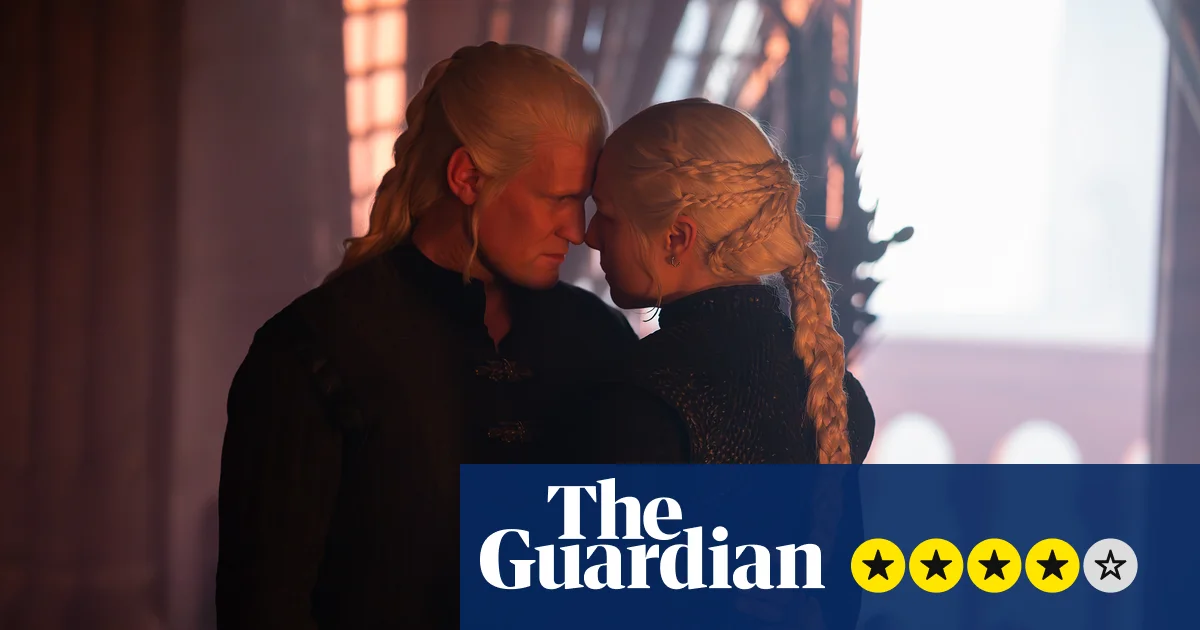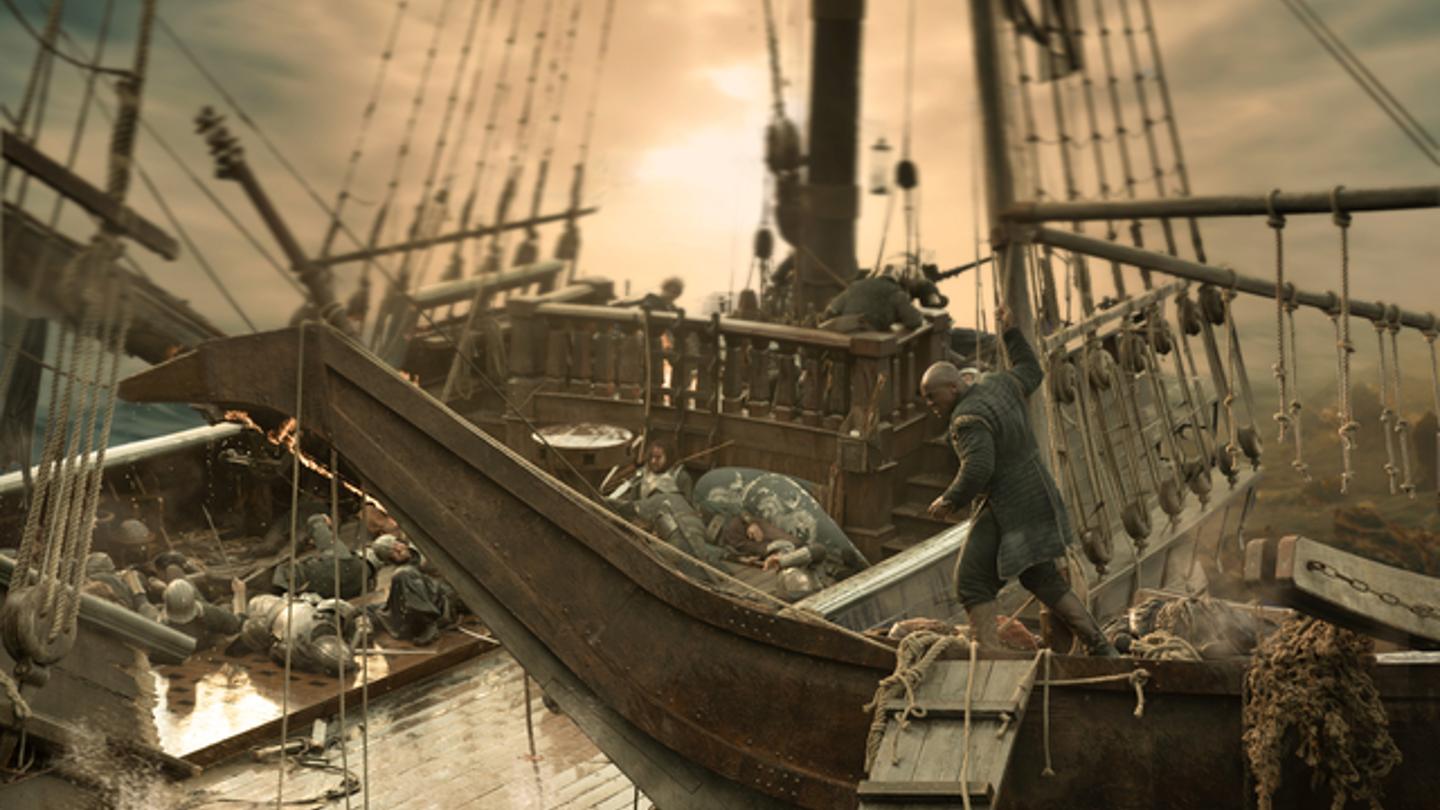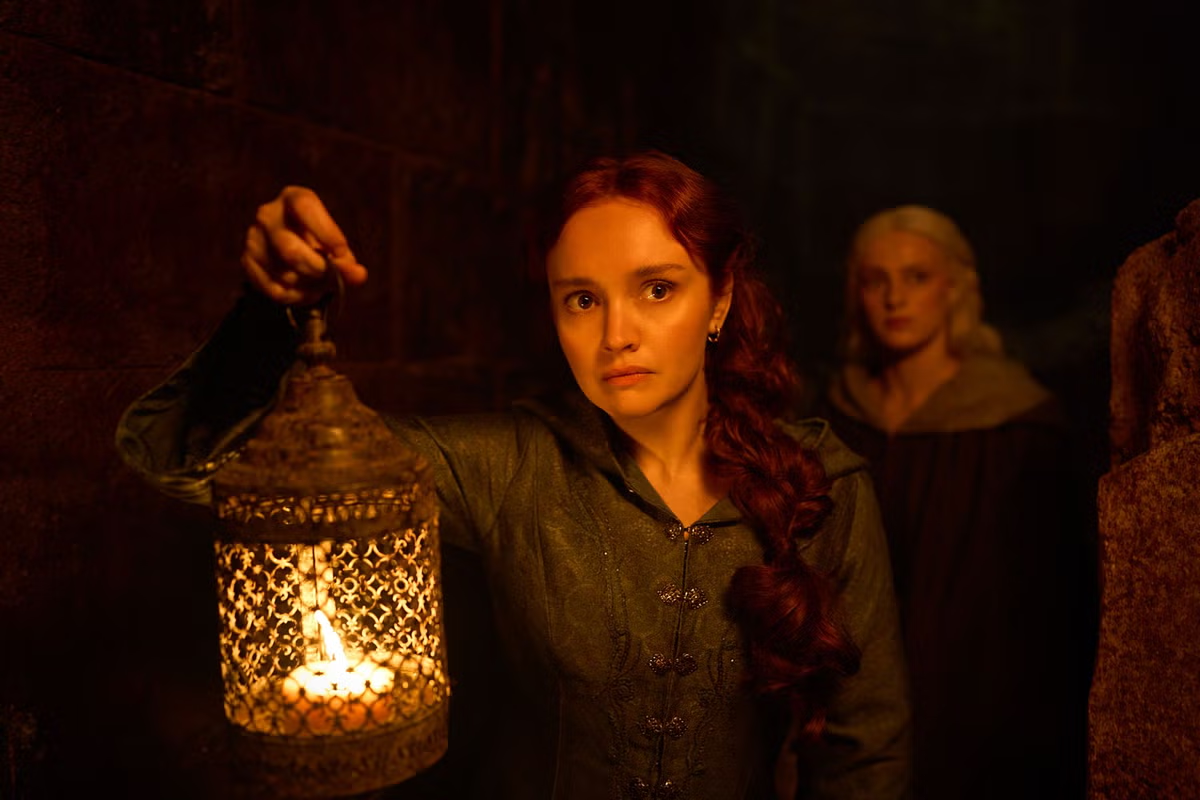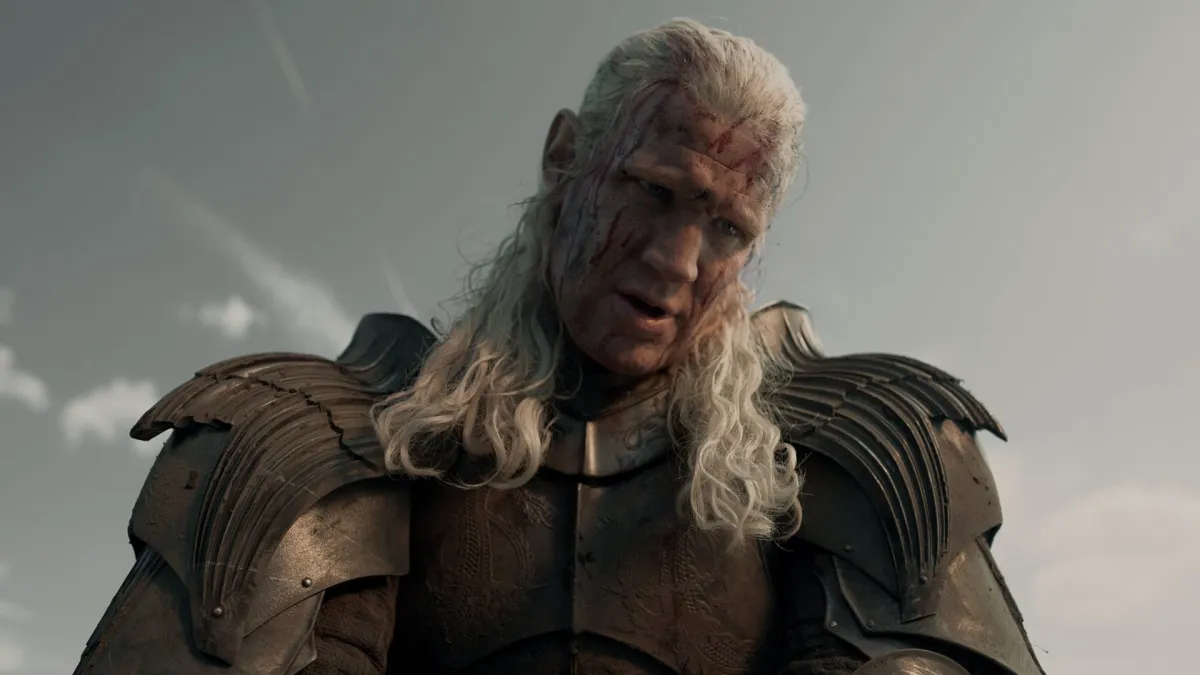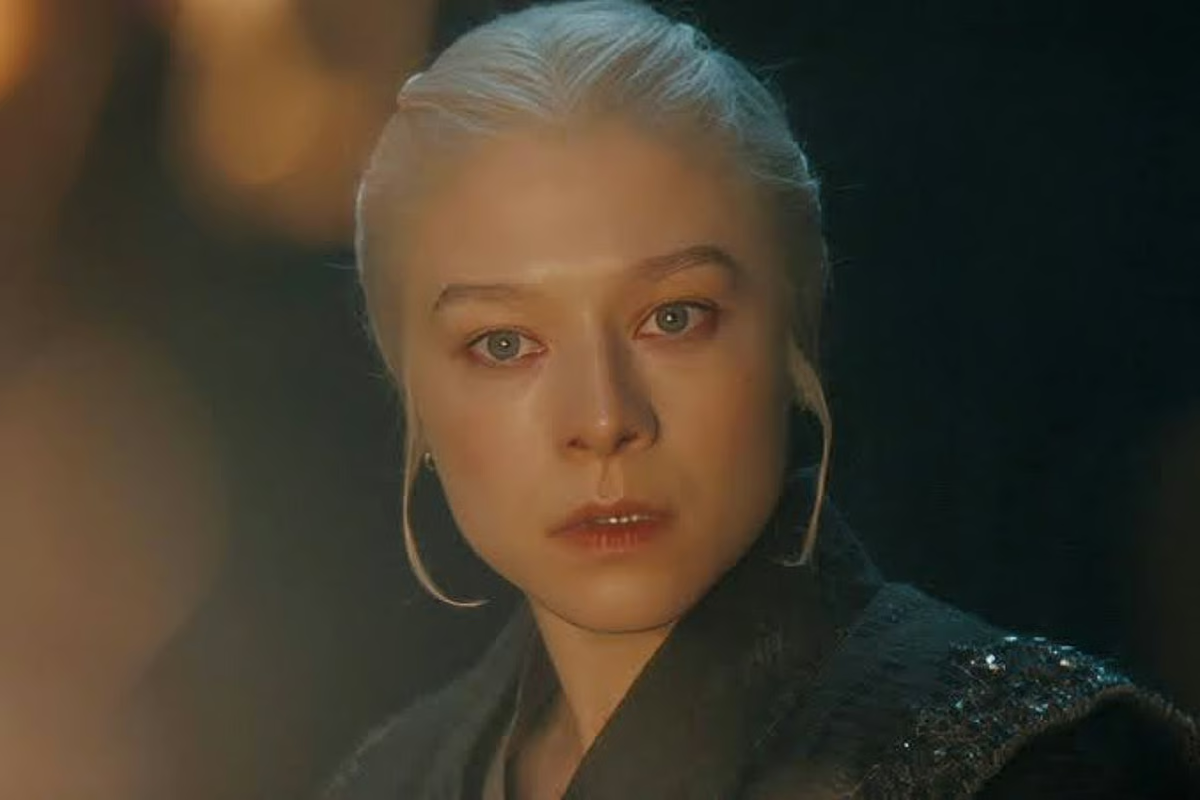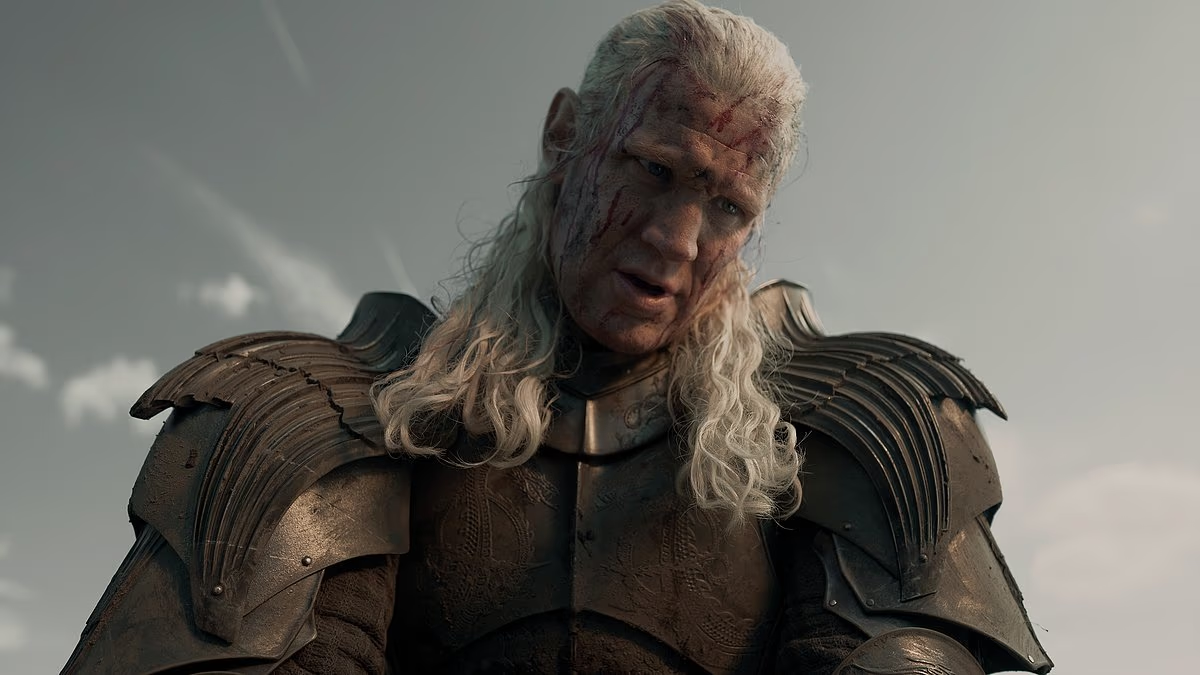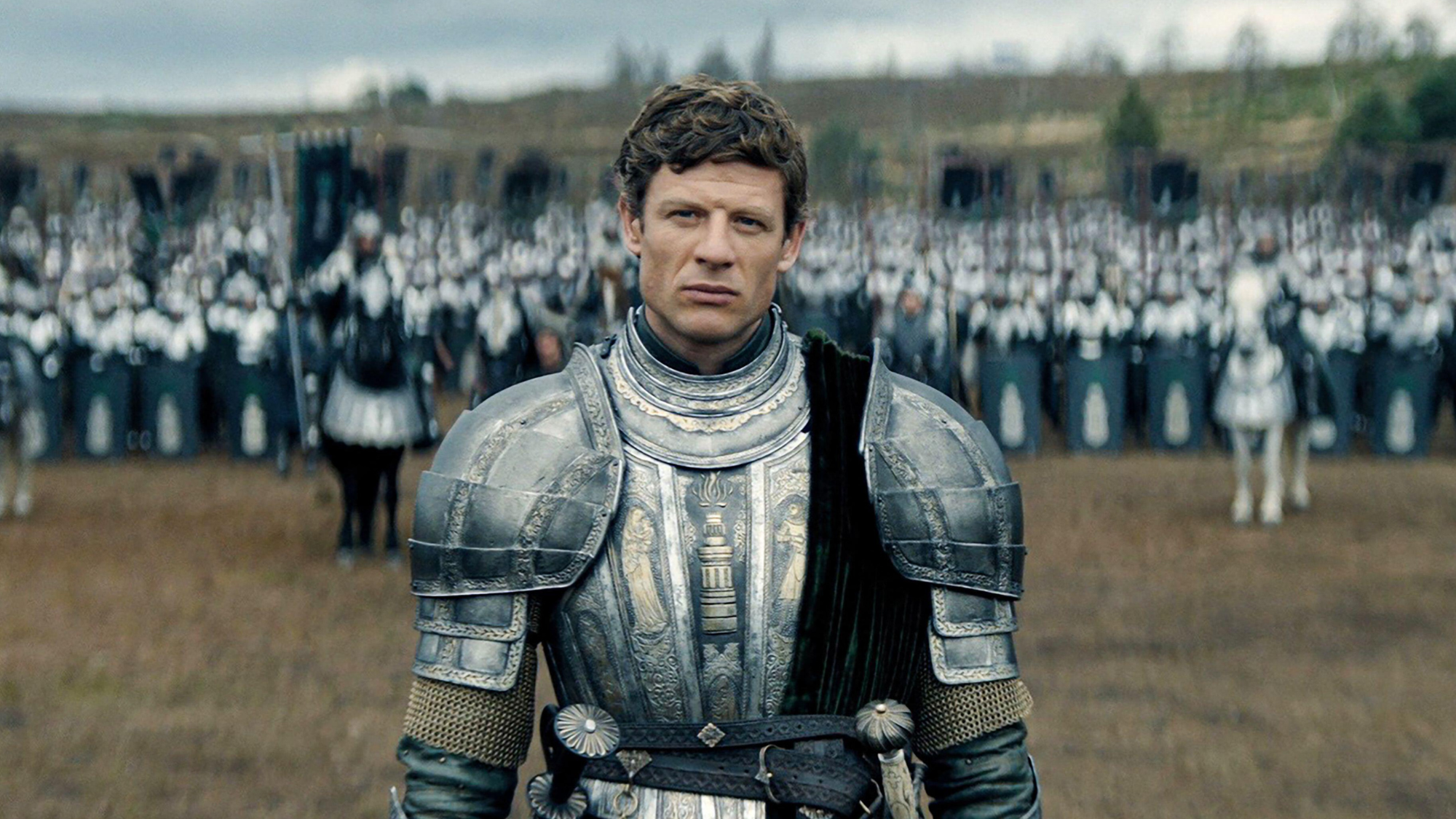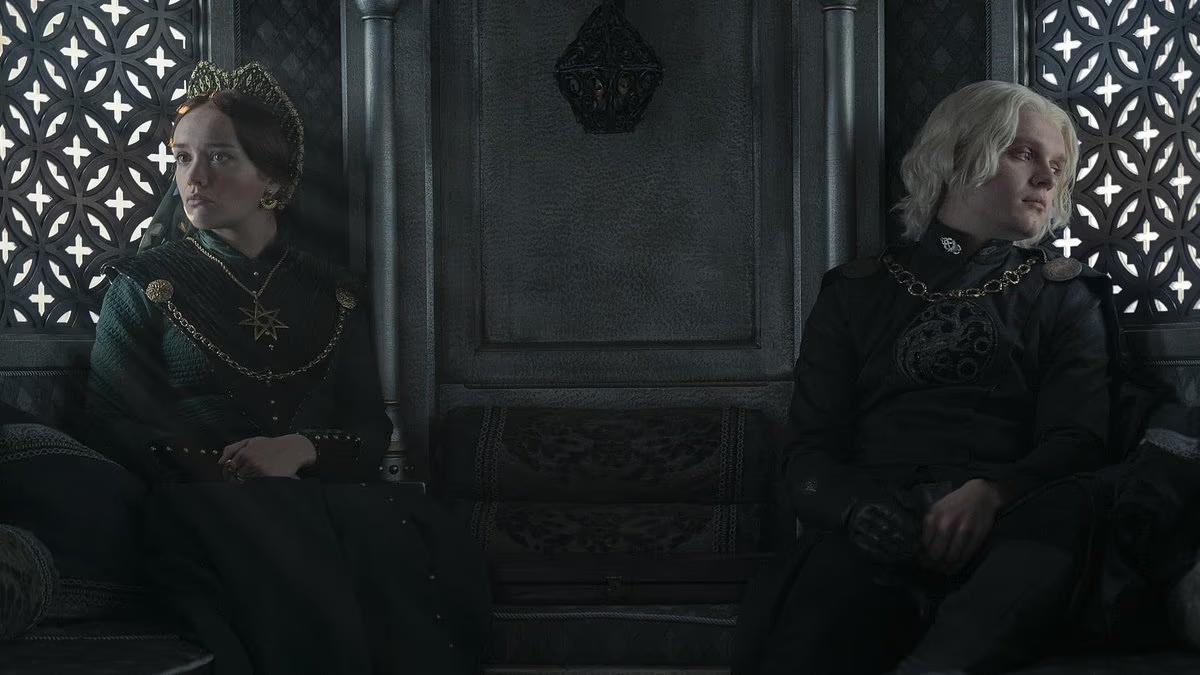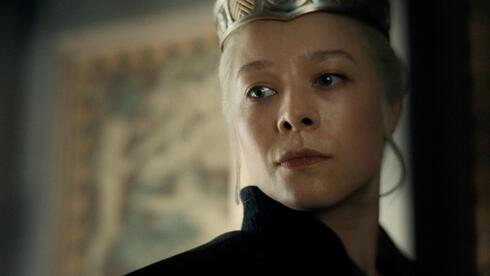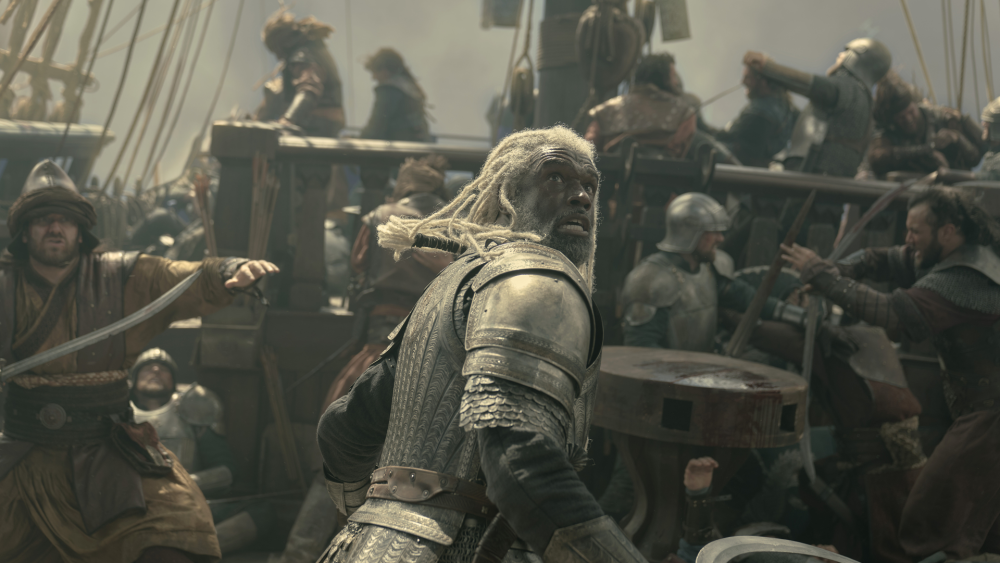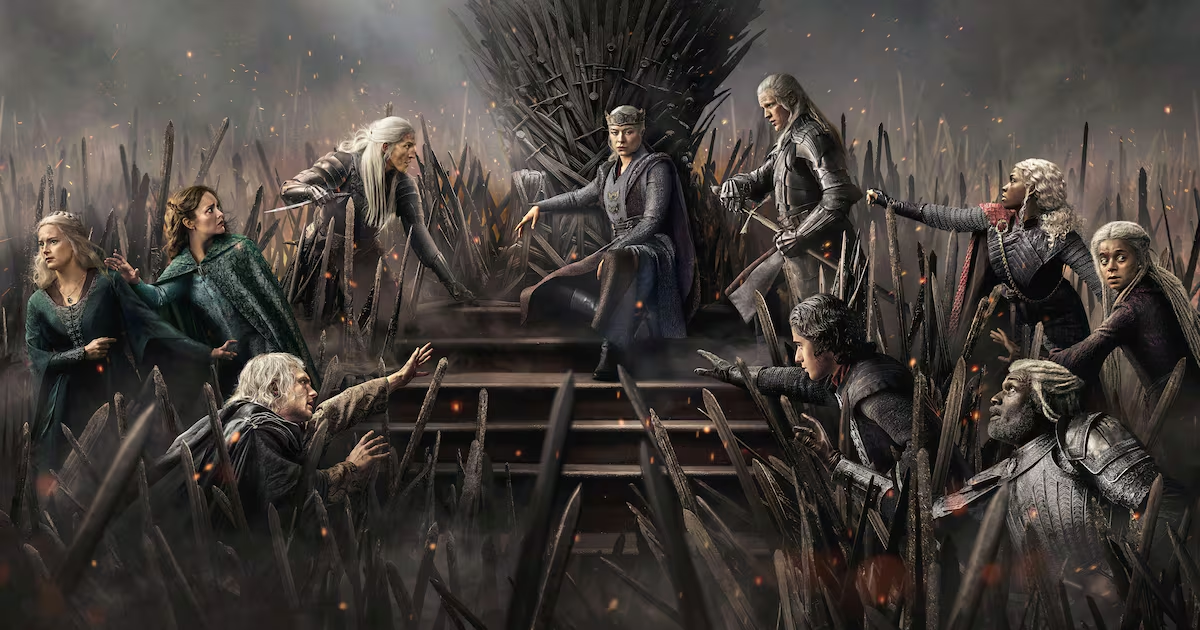
When Game of Thrones first swooped on to our screens in 2011, critics’ responses ranged from disbelief to contempt. Dragons. Swords. People in medieval costumes talking, very seriously about made-up cities and fictional alliances. The derision was deafening. Just look back at reviews from the time to witness the incredulity of tastemakers and cultural arbiters, aghast that they were being forced to watch this rubbish (as they saw it).Tunes changed as the series became the biggest thing on television and then, simply, the biggest thing ever. But the suspicion never quite abated that a show which placed so strong an emphasis on the destructive capacity of fire-breathing lizards was fundamentally a bit naff.Now, some 15 years later, similar things are being said about spin-off prequel House of the Dragon, which is being written off as stodgy, dull and lacking in sympathetic protagonists. The ding about the samey characters is not entirely unjustified. Taking place centuries before Game of Thrones, this is a universe where everyone is out for themselves and where the defining morality is a dead-eyed ruthlessness (whither chivalry, that most medieval of virtues?). But in other respects, the show is top-drawer fantasy with everything that made the original Game of Thrones so compelling – from the engagingly multifaceted plot to a vivid sense of the Seven Kingdoms of Westeros as a world as real as our own.That said, series three does begin with some unfortunate throat-clearing. For reasons that surely had more to do with accountancy than film-making, the previous season cut to black just as the rival sides in the civil war among the ruling House Targaryen were about to lock horns in a naval battle. But we were left waiting for two years for the clash to come. Which it does in a suitably epic, and presumably cash-intensive, blowout of CGI ships and dragons.Here, the major problem is keeping track of various factions and their complicated structures of allegiance. For instance, most viewers will recall Steve Toussaint’s imperious sea-dog Lord Corlys Velaryon, of Castle Driftmark, with its nice ocean views. But they may be sketchier on the sons he’s had out of wedlock. Chief among them is Addam of Hull, as played by Laytown, Co Meath actor Clinton Liberty (who will know a lot about dramatic fortresses by the sea having gone to school in Bettystown).The battle takes up almost the entirety of the first episode, which means we don’t get enough of Emma D’Arcy and Olivia Cooke as the feuding heads of the “Black” and “Green” sides in the Targaryen dynasty. Or of Matt Smith as the raffish Daemon Targaryen, with his wonky-looking dragon Caraxes of the very long neck (surely useful if Daemon ever loses something behind the couch). Or of newcomer James Norton, who makes amends for his catastrophic Dublin accent in House of Guinness to twirl his moustache as a new power-player on the side of the Greens.House of the Dragon has been adapted for television from a dry mythology of Westeros by Game of Thrones author George RR Martin. That original book, Fire and Blood, reads like a cross between the Old Testament and JRR Tolkien’s The Silmarillion. It is a conscious act of grand mythmaking, something that does not readily translate to the screen.Changes were therefore necessary if House of the Dragon was to fly for television. This has led Martin to grouse that he’s been shut out of the decision-making process and to describe his relationship with showrunner Ryan Condal as “abysmal”. It’s a shame they can’t get along. But Condal has done an effective job of taking Martin’s knotty mythology and turning it into flesh-and-blood television. That’s truer than ever this season. Once viewers are over the hump of a battle on the back burner since 2024, they will find this scorching fantasy has lost little of its sizzle.
House of the Dragon review: This scorching Game of Thrones prequel is top-drawer fantasy
Television: Like its predecessor, House of the Dragon has defied the naysayers to deliver a compelling watch
641 words~3 min read