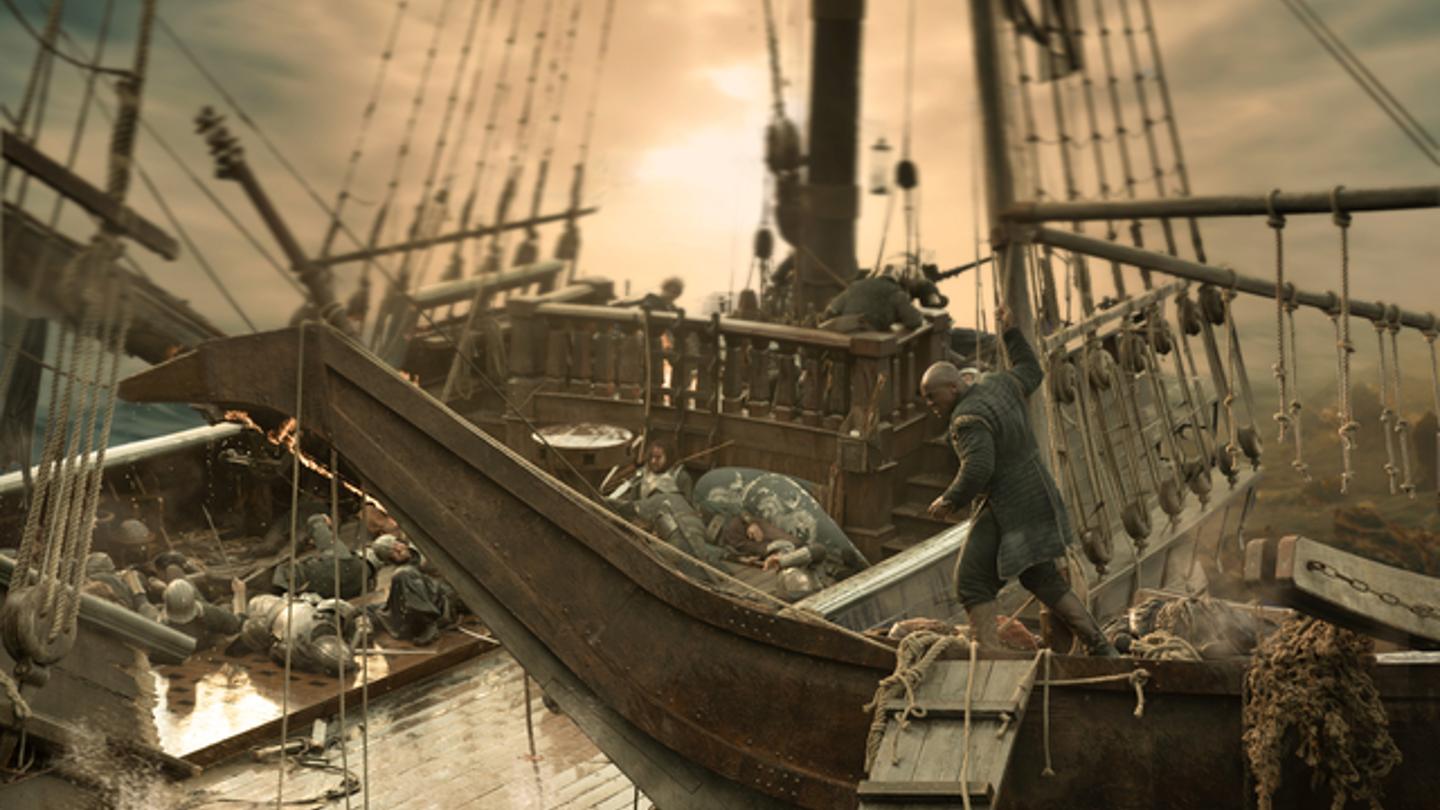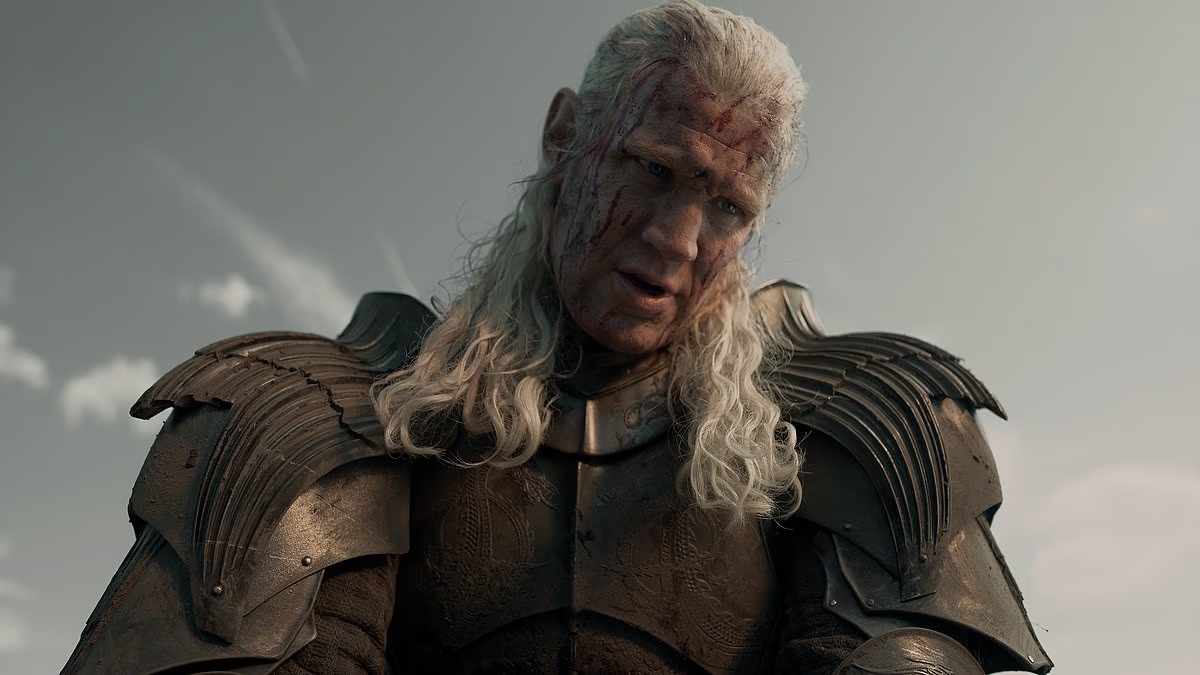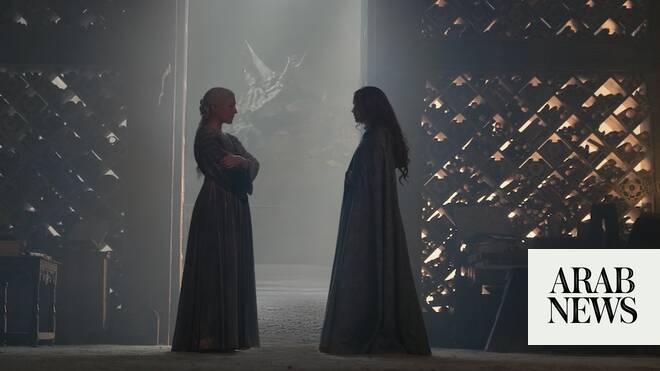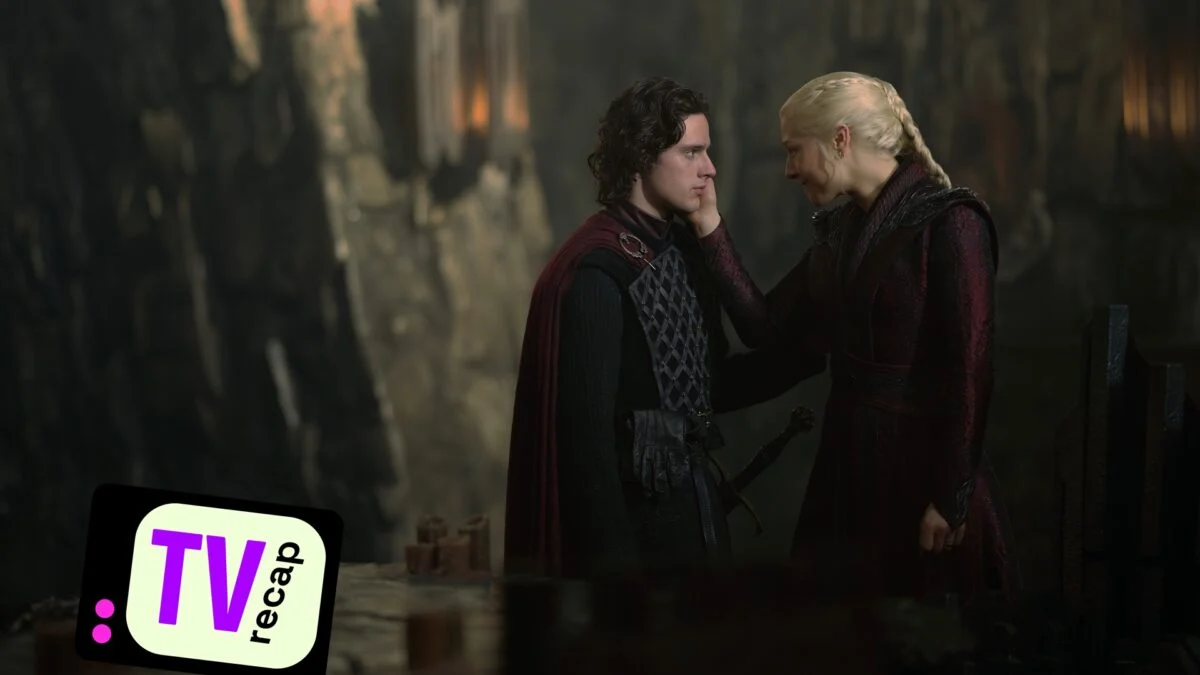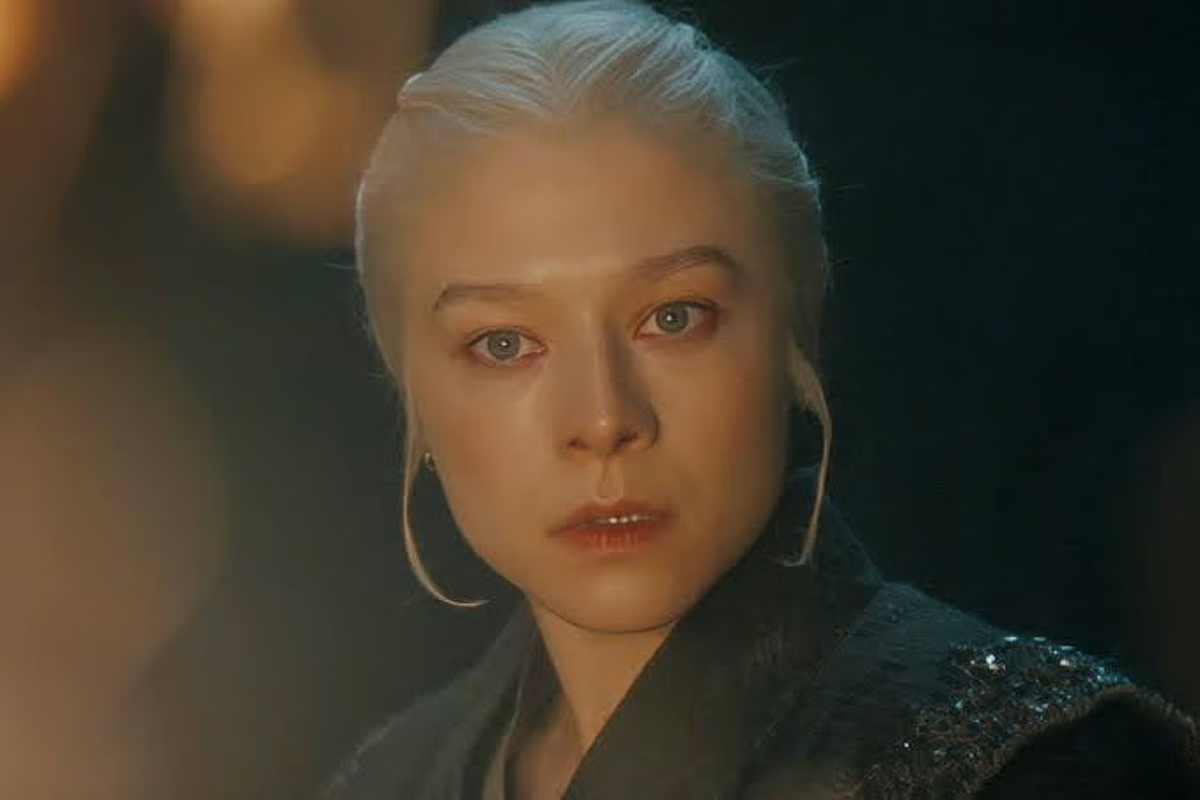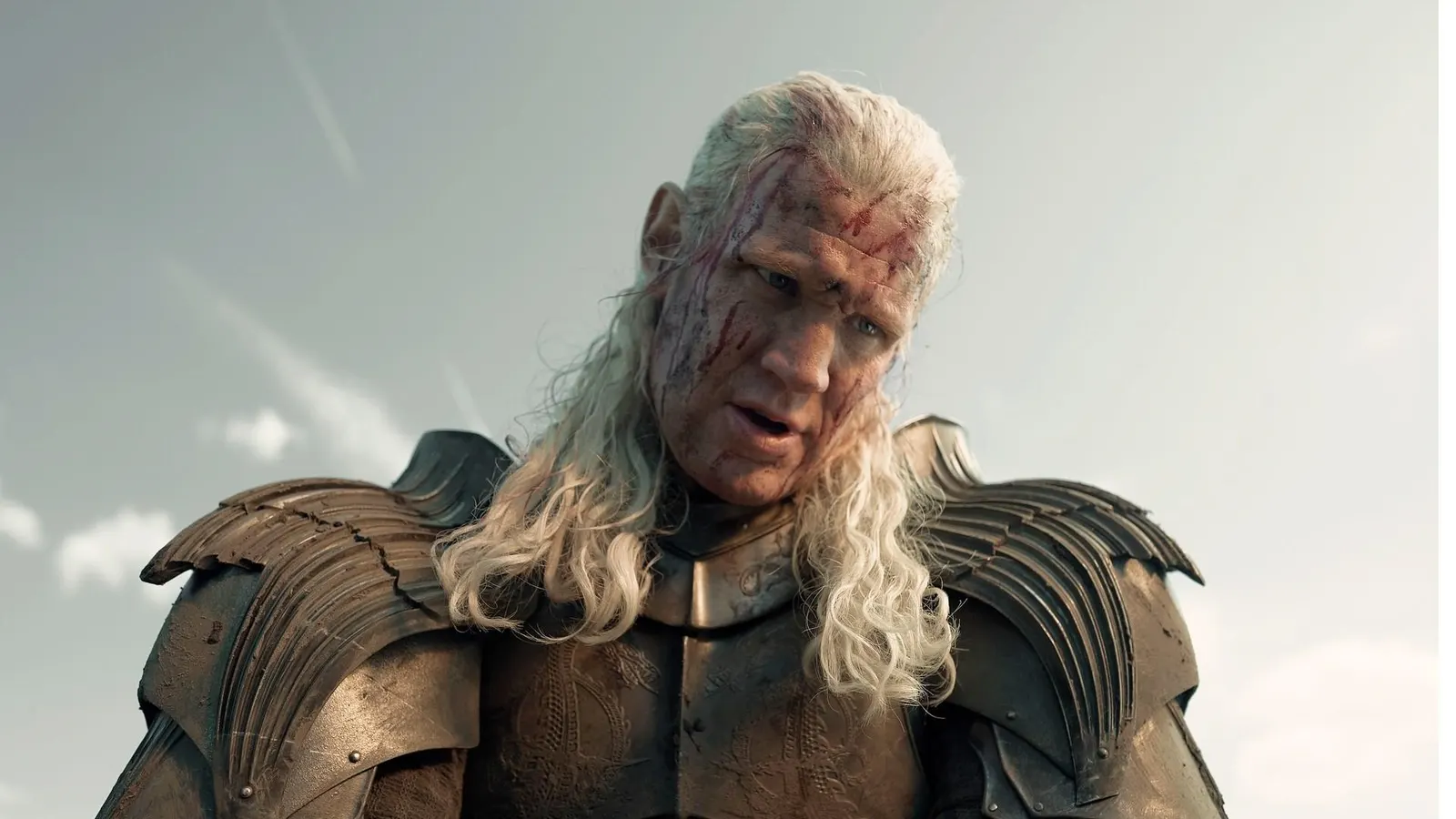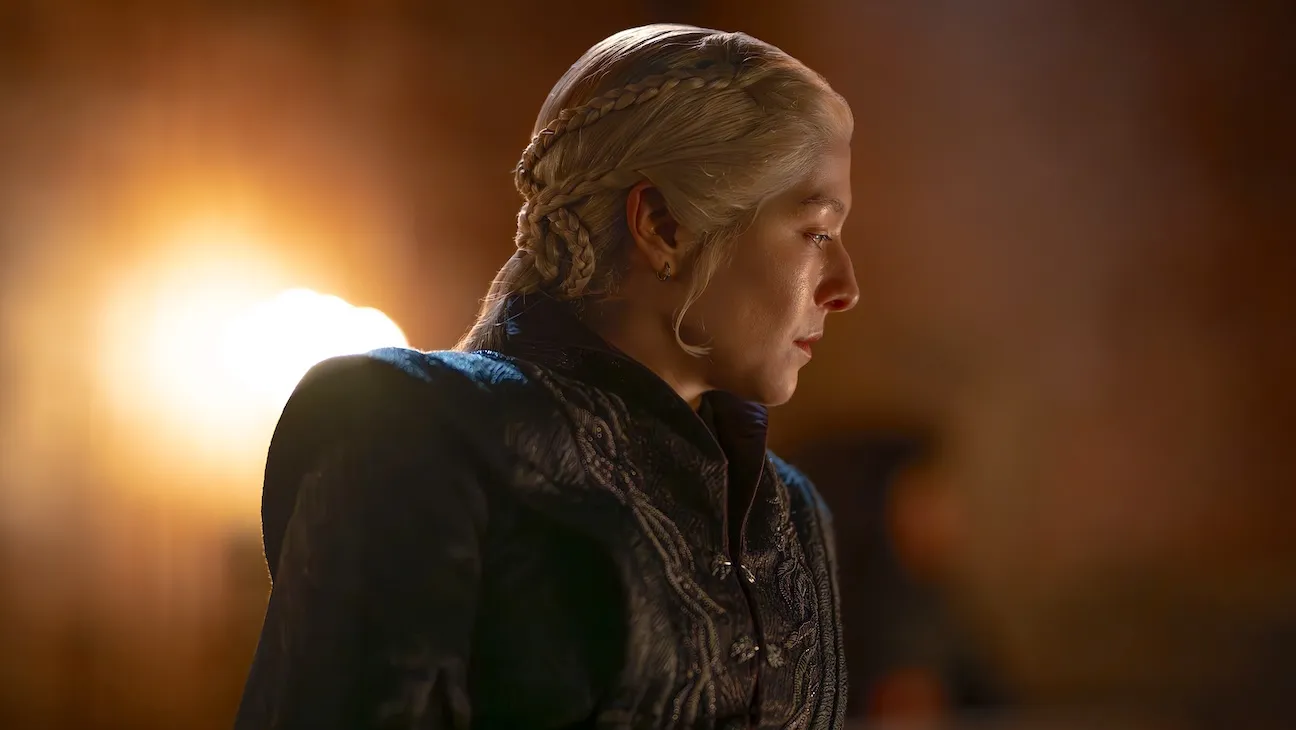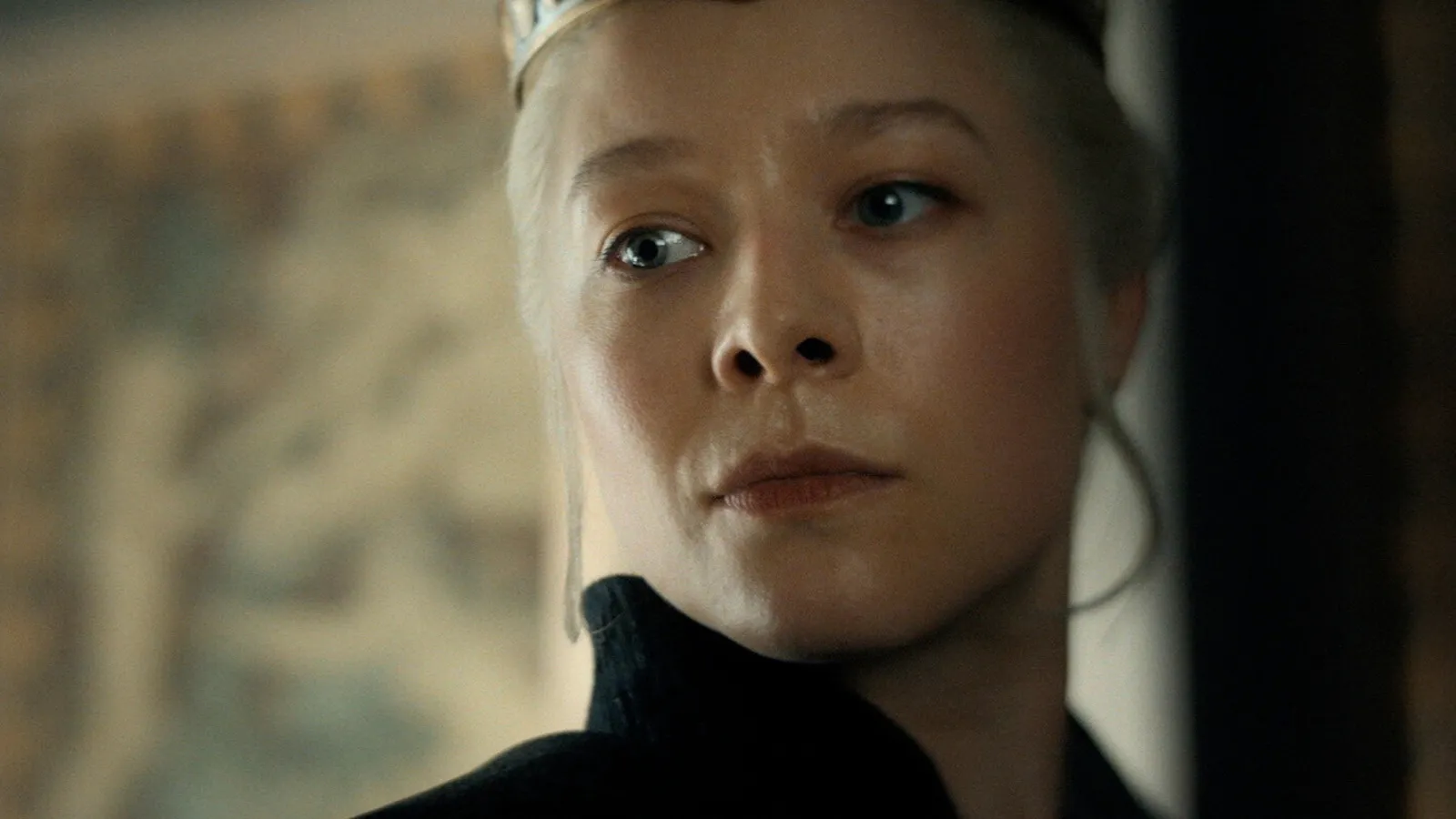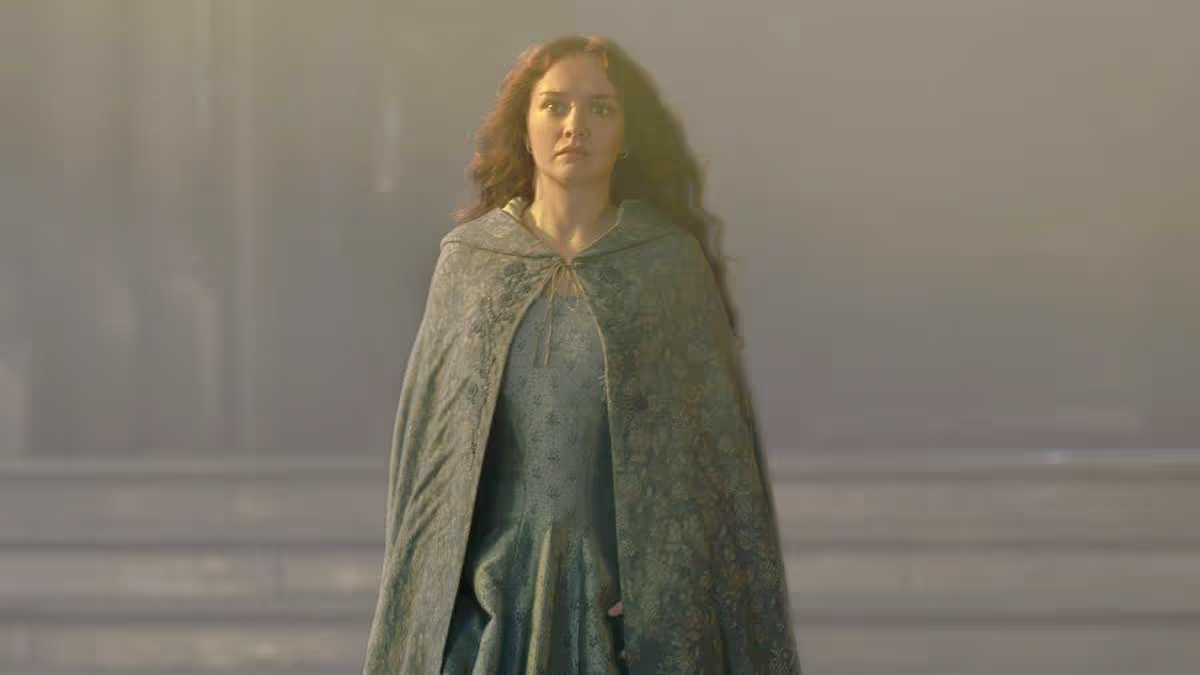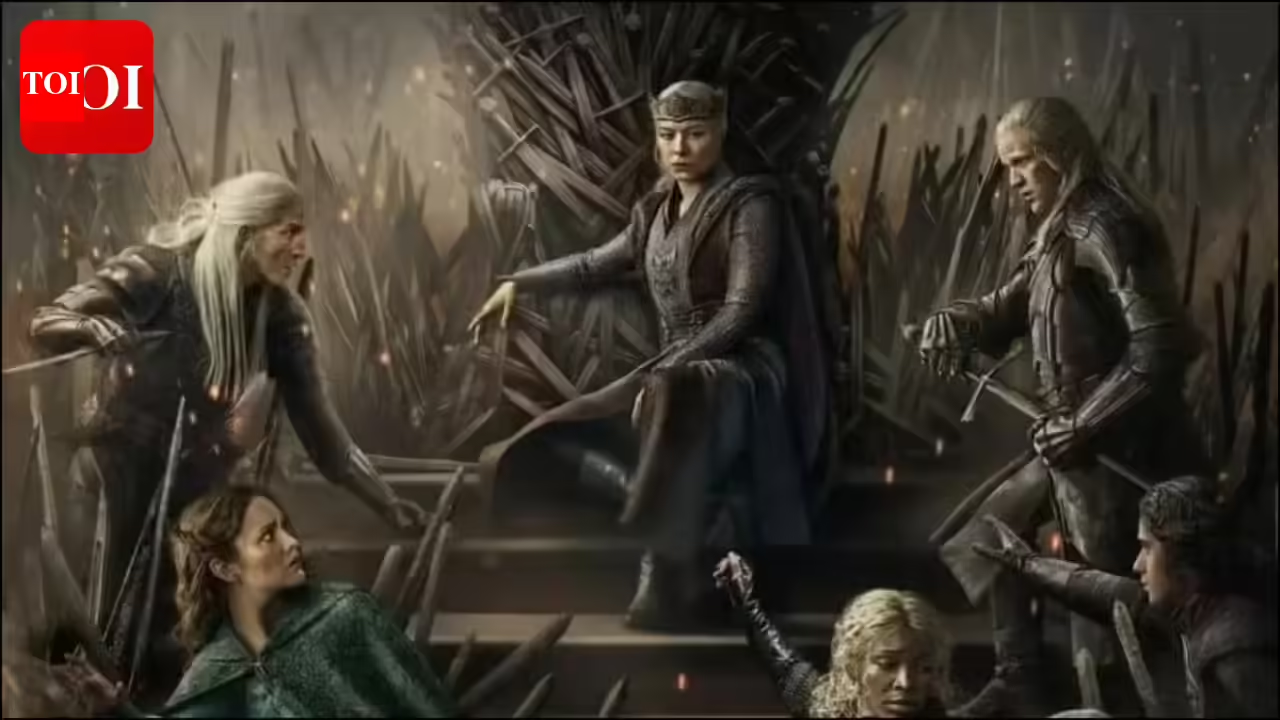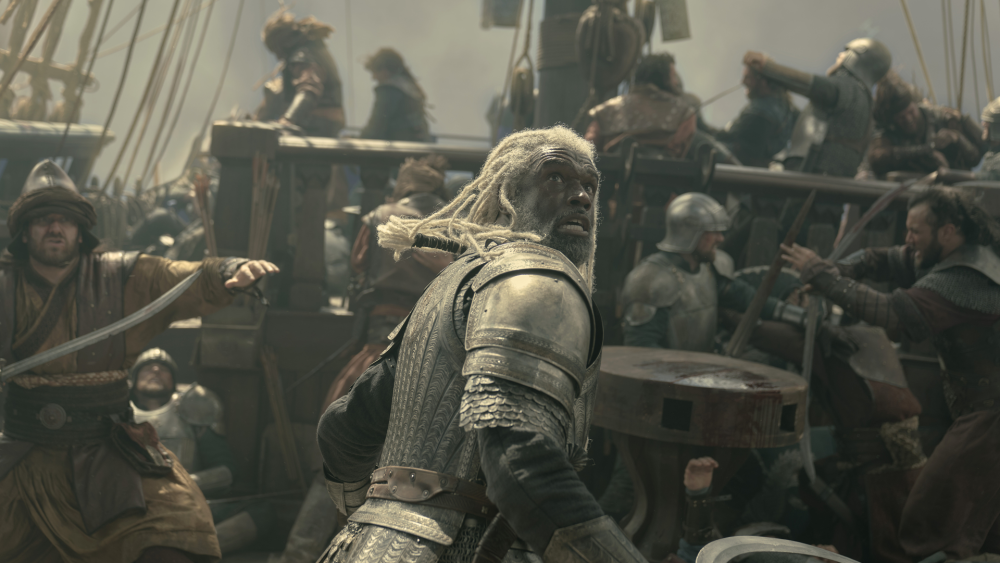
“If this be victory,” a character on “House of the Dragon” reflects while gazing out at a corpse-strewn battlefield, “I hope I never see another.”
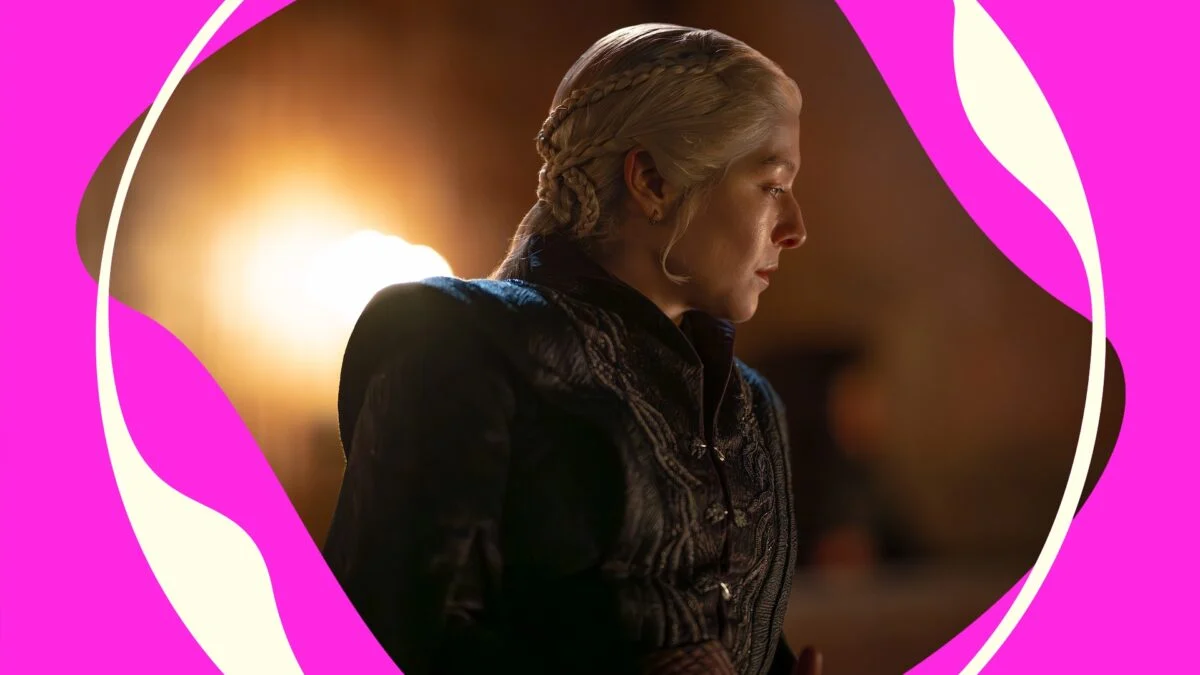
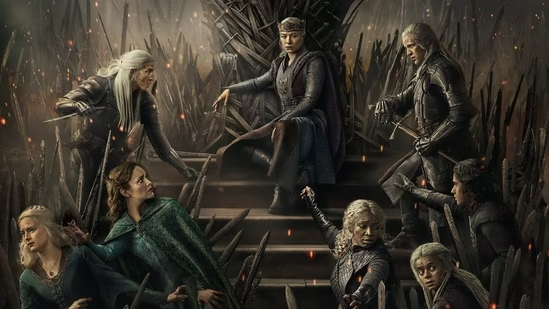
That line is essentially the thesis statement of the “Game of Thrones” prequel series, which returns on June 21 after a now-customary two-year absence. (Franchise fans could get their fix in the meantime with the lovely, much lower-key “A Knight of the Seven Kingdoms,” which aired on HBO earlier this year.) The drama follows a massive civil war that pits the royal family of Westeros against itself to the benefit of absolutely no one. Season 2, however, faced some criticism for its lack of climactic setpieces, potentially due to an episode order shortened from 10 to just eight.
Personally, I was a defender of the sophomore season’s sometimes funereal feel, apart from some true wheel-spinning like an overreliance on dream sequences. Not only did I find the major confrontations we did see, like the death of Princess Rhaenys Targaryen (Eve Best) and maiming of Iron Throne claimant Aegon (Tom Glynn-Carney) in the show’s first proper instance of dragon-on-dragon combat, plenty awesome — as in, literally awe-inspiring — in themselves; I’d also internalized the show’s previously well-established stance toward armed conflict. The quote that opens this review is simply one of the more explicit statements of what any casual “House of the Dragon” viewer already knows: war is hell, and there’s no war more hellacious than one with fire-breathing, questionably controllable weapons of mass destruction. It’s not something to look forward to, or relish when it arrives.