Of all the fantasy worlds in film, television, and literature, none are more brutal than Westeros. Life is cheap, words are wind, sons murder their fathers with no remorse, and anyone who believes something as abstract as honor tends to get killed on the business end of a sword — or a dragon.
But in its second season, HBO’s House of the Dragon dared to ask if it has to be this way. Is it possible to win the game of thrones without slaughtering your enemies wholesale? What happens when some of the biggest power players in the Seven Kingdoms try on soft power for size?
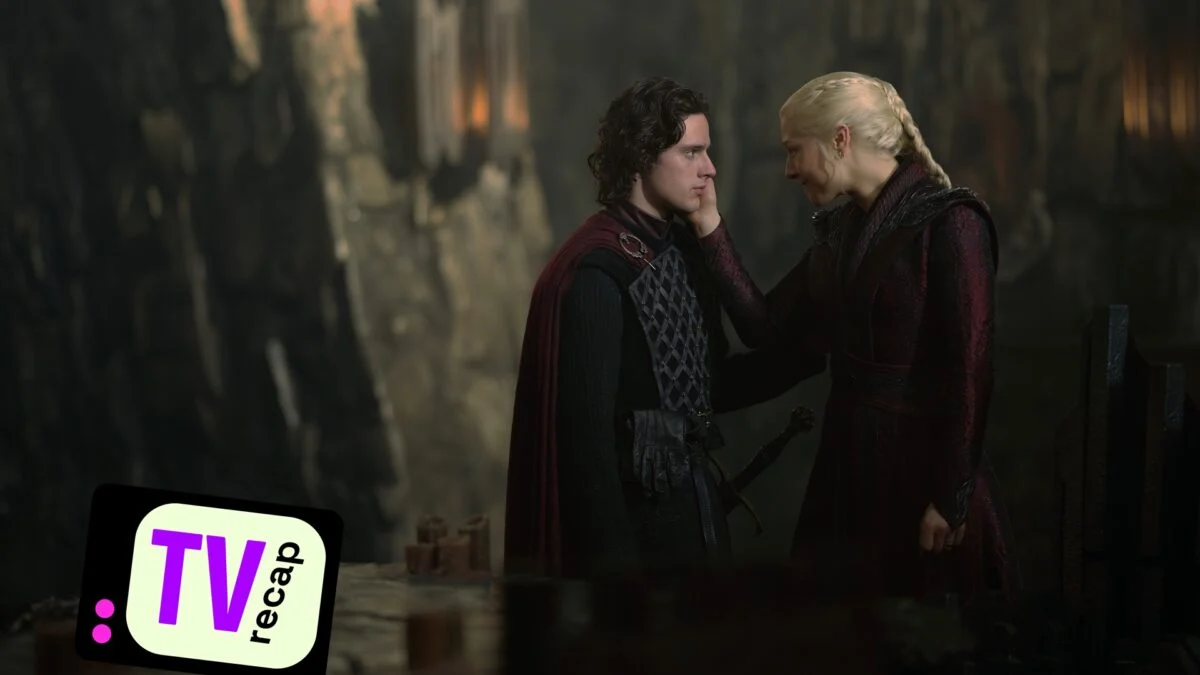
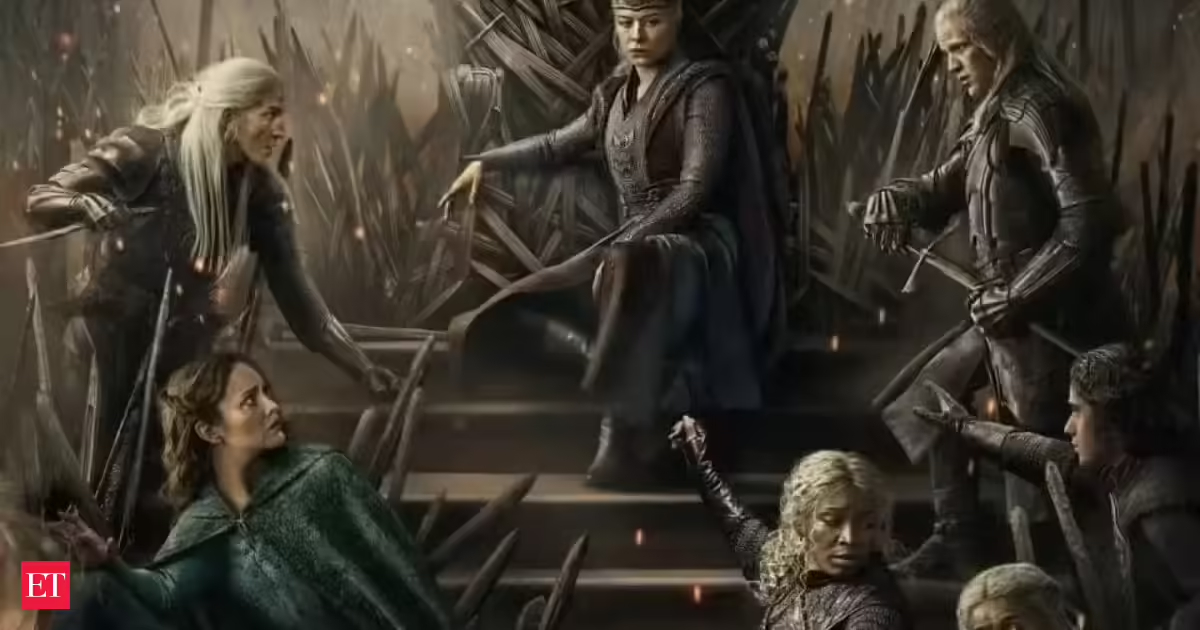
Set 200 years before the events of Game of Thrones, Season One of Ryan J. Condal and George R.R. Martin’s prequel series established a growing rift within the all-powerful, all-blond, all-incestuous Targaryen clan. Without a male heir, King Viserys I named his daughter, Rhaenyra, as his successor to the Iron Throne. But things got thorny when he and his second wife, Alicent Hightower, gave birth to a son, Aegon. Further complicating matters is the fact that Rhaenyra and Alicent were childhood besties before her marriage to Viserys.
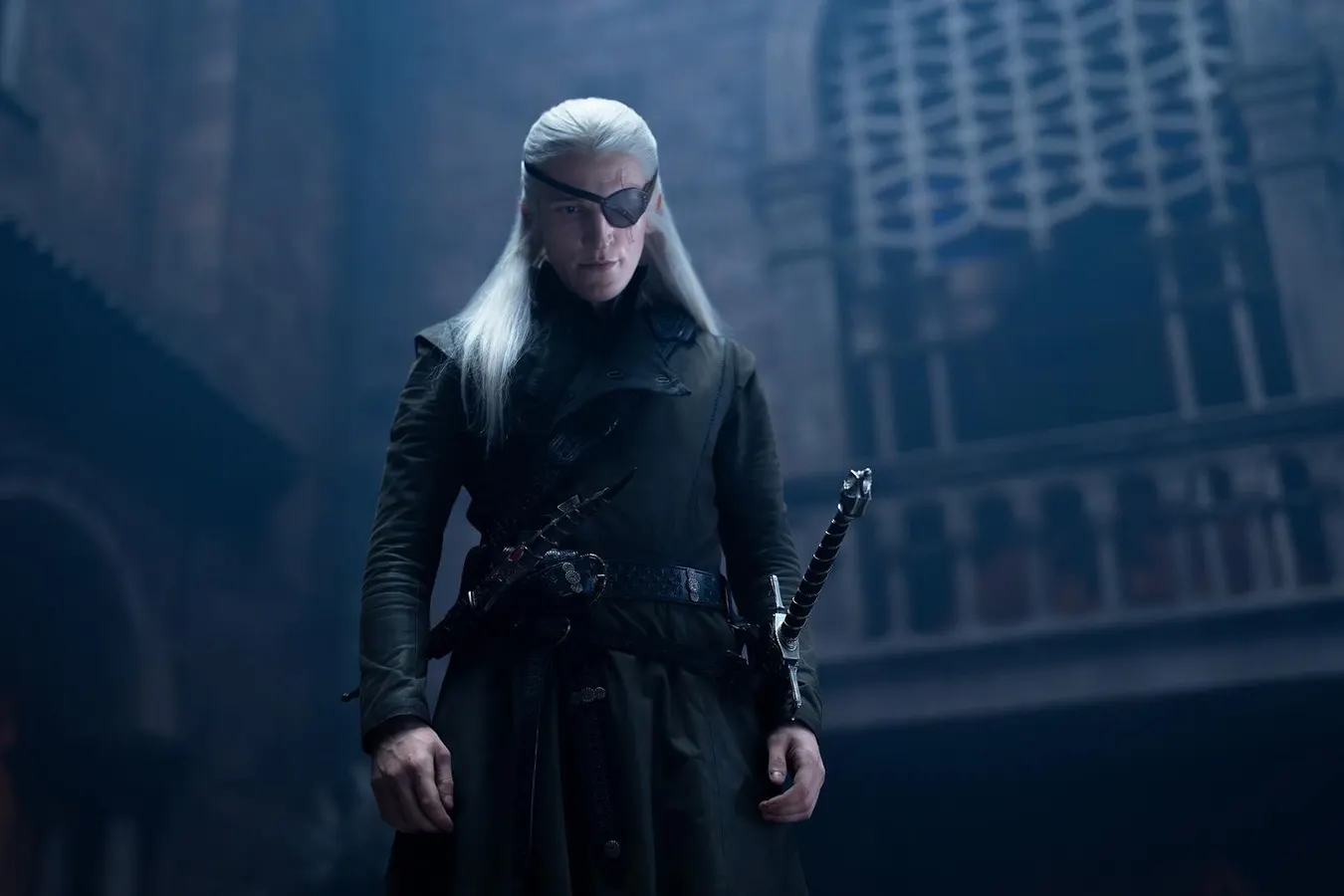
By the end of that first season, Viserys was dead and Aegon was sitting the Iron Throne thanks to a lot of scheming and a major miscommunication. With her striving uncle/husband, Daemon, and their children in tow, Rhaenyra fled to Dragonstone to plot their next move. The finale culminated in the murder of Rhaenyra’s son Lucerys at the hands and claws of Alicent’s son Aemond and his mega-dragon. With the two sides set against each other, Westeros stood poised on the brink of a brutal civil war.