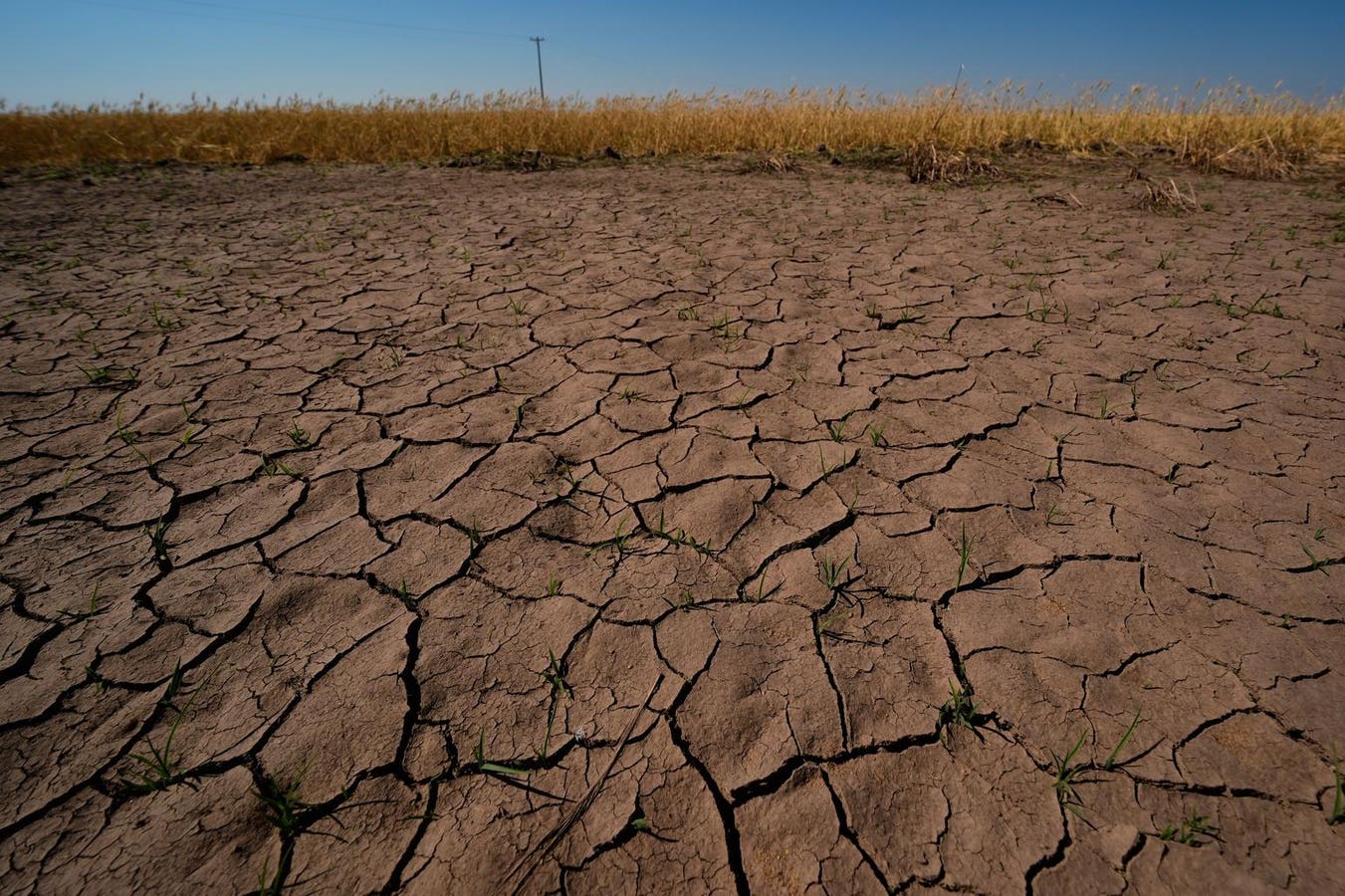
FILE - Drought-stressed wheat plants stand adjacent to parched ground in a field near Macksville, Kan., May 16, 2026. (AP Photo/Charlie Riedel, File)
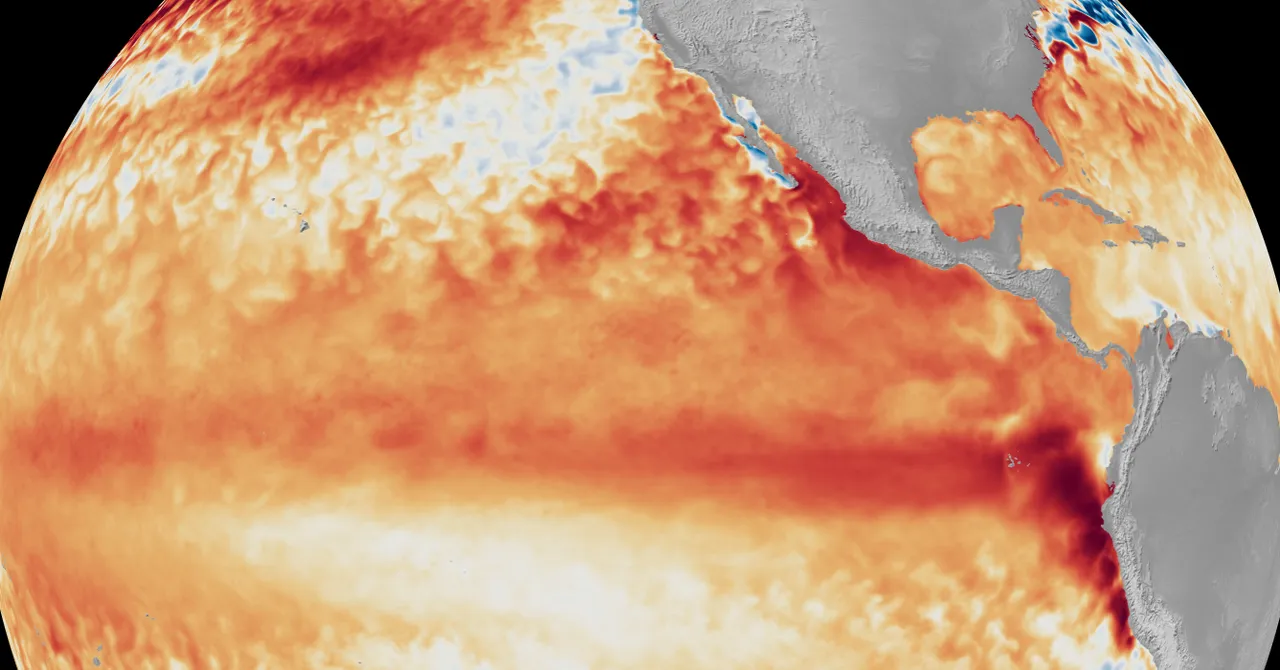
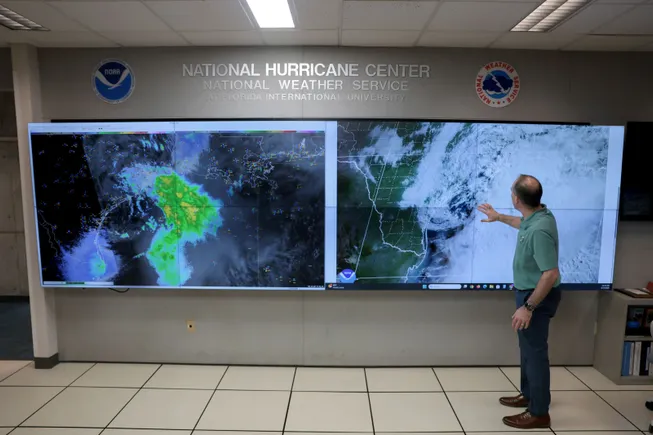
When forecasters announce the arrival of El Niño, public attention often turns to a familiar question: Will there be more storms or fewer?
That question is understandable, but it can obscure the larger risk.
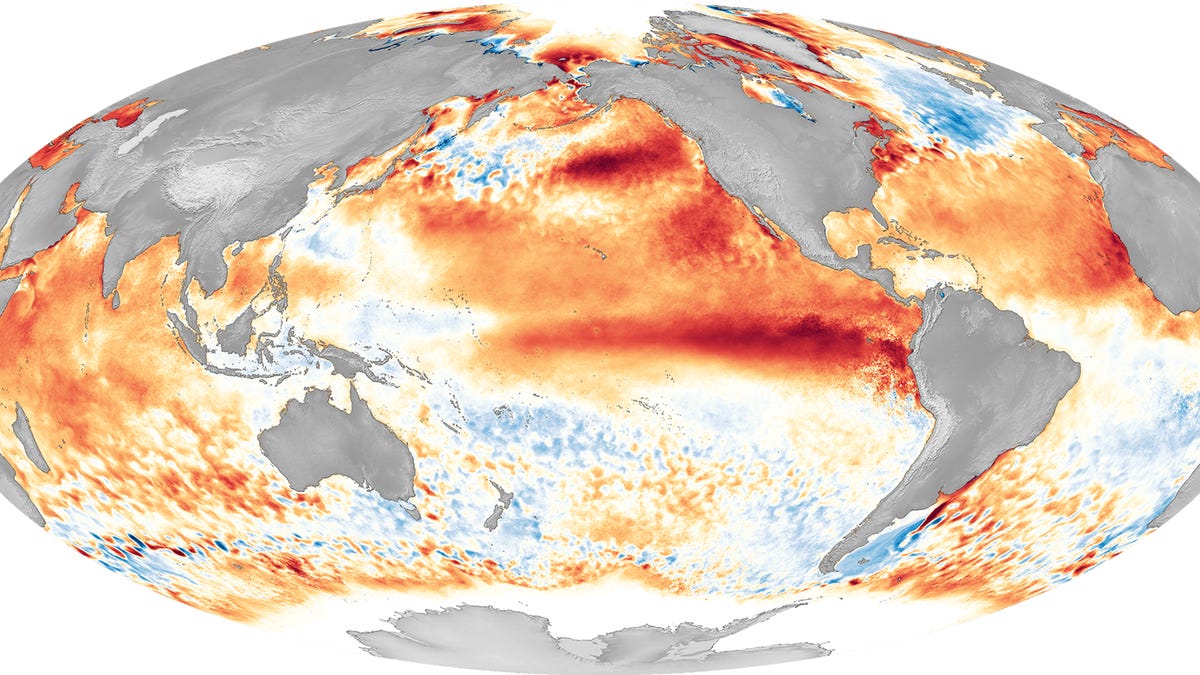
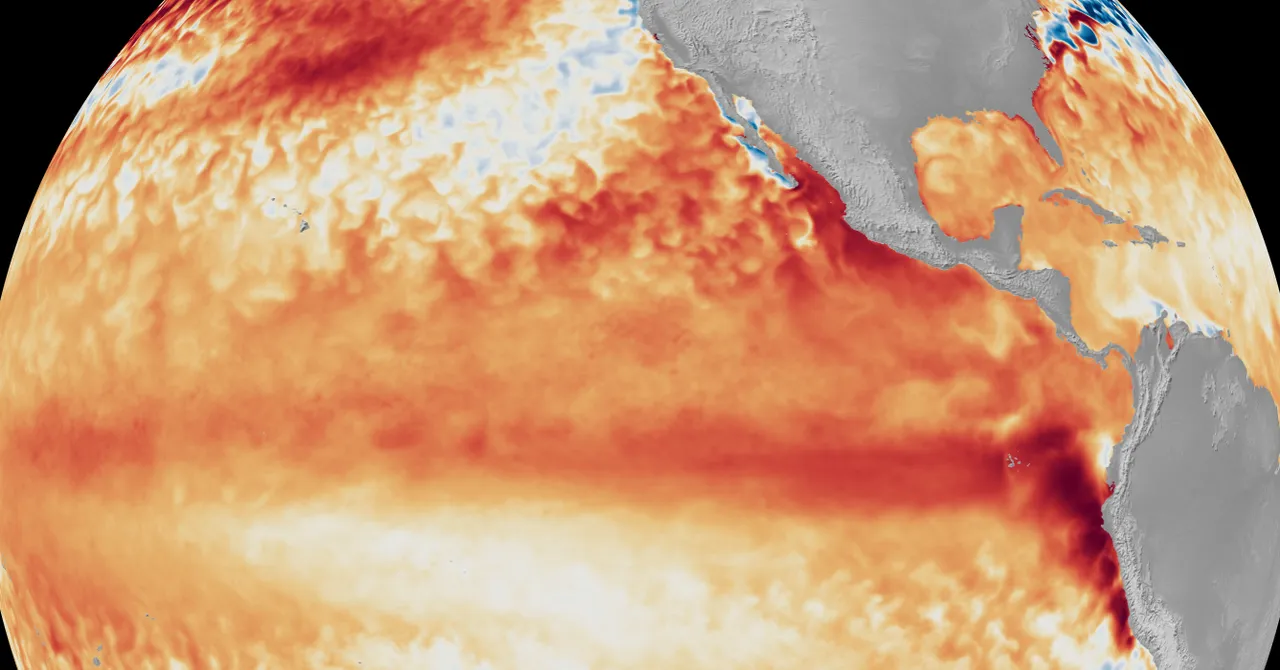
El Niño is not an isolated weather event. It is one part of an interconnected climate system involving ocean temperatures, atmospheric circulation, rainfall, drought, heat and storm formation. Understanding it matters not because it provides a perfect prediction of what will happen, but because it gives communities and businesses time to prepare for a range of possible consequences.
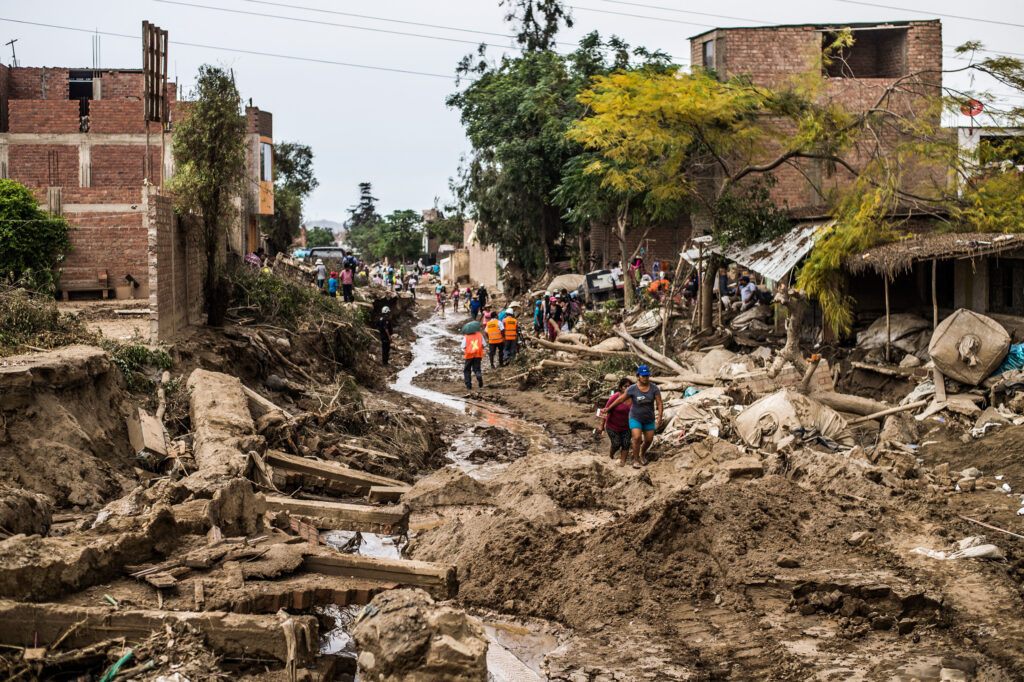
It also helps correct one of the most common misunderstandings about seasonal forecasts: fewer storms do not necessarily mean less danger. A season may produce fewer named storms overall and still result in catastrophic damage. One intense hurricane, flood or prolonged weather disruption can overwhelm a community, close businesses, damage infrastructure and interrupt supply chains for months.