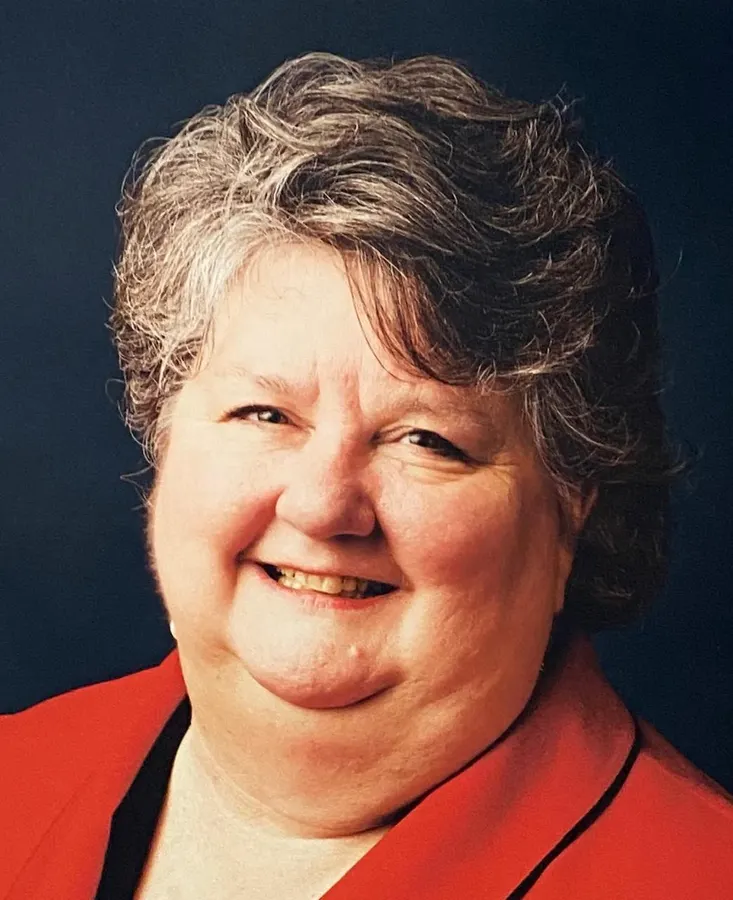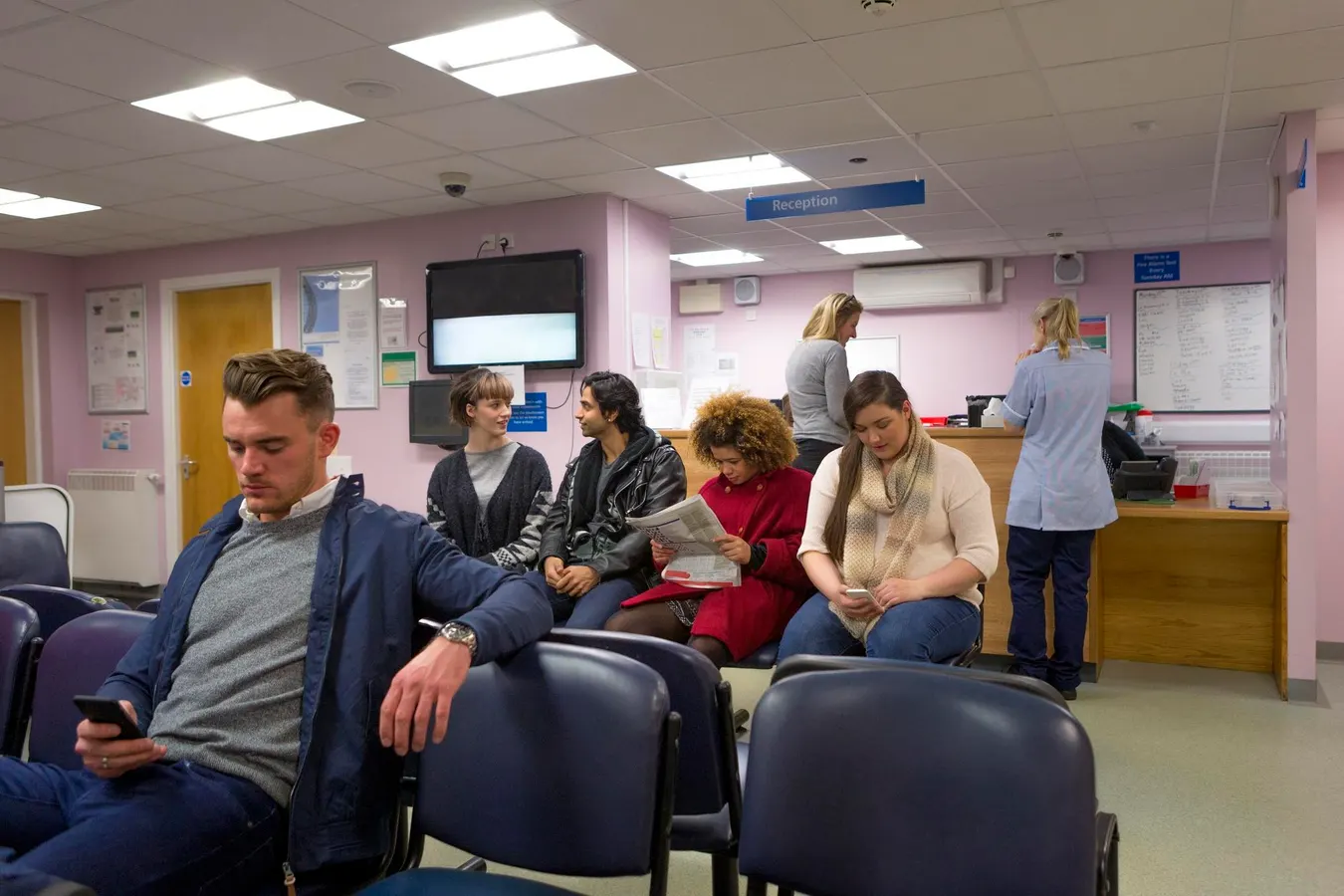
"The first thing we have to let go of is this expectation that somebody else is going to fix our health for us," says Vicki Landers.gettyTurn on the news and "healthcare" means payment models, insurance markets, and access legislation. Important conversations, all. But Vicki Landers, CEO of In Progress Coaching and a 30-year veteran of the healthcare industry as a clinician, leader, strategist, and educator, believes that framing has quietly cost us the thing the word actually names."Healthcare is what happens between the visits," she told me. "It is care of health: the choices that I make, every day, all of them. Whether I sit all day at my desk and never move, whether I get good sleep, whether I follow the recommendations made by the medical professional. It's everything that I do during the day."If that sounds simple, notice what it requires us to let go of. Landers is clear about the subtraction at the heart of her work: "The first thing we have to let go of is this expectation that somebody else is going to fix our health for us."That belief, she notes, lives on both sides of the exam table. Patients wait for clinicians to deliver health in a 12-minute annual visit. Clinicians, squeezed by documentation and administrative load, can lose sight of their real role too. And as Landers likes to remind audiences, healthcare is about taking care of people, and the providers are people too. The system has trained everyone to look somewhere else for the fix.Not Anti-System Reform. Pro-Individual Agency.To be clear, Landers isn't suggesting kale smoothies will solve prior authorizations. She describes three dimensions where healthcare has to shift: policy and payment structures, organizational leadership that cares for clinicians as well as patients, and individual agency. All three matter. But only one is available to each of us today.MORE FOR YOU"The first thing we can do is shift ourselves," she says. "When we start showing up in a way where we're managing our own experiences and expectations, we can start to see the bigger picture, and maybe influence that bigger picture. But until we, as providers and as patients, really understand our own autonomy, we're going to sit and wallow in feeling like a victim. And when we're there, we don't affect change at all."In other words: agency in the ME dimension isn't a retreat from the WORLD dimension. It's the entry point to it. Landers points to grassroots examples: neighbors organizing around food deserts, a friend building a nonprofit to support people newly diagnosed with cancer (the person, she emphasizes, not the diagnosis), clinicians bringing patient stories directly to members of Congress. Advocacy starts with people who have stopped waiting.What Subtraction Looks Like At The Kitchen CounterLanders practices what she coaches. After menopause and the pandemic's sedentary years compounded into a four-year trajectory she didn't like (she weighed more than she ever had) the shift came not from a program or a prescription but from a moment of recognition."I would walk out of my home office into my kitchen and eat something, and I kept doing that," she recalls. "And there was this moment where I thought: I don't have to do this anymore. It's a choice I can let go of. I can choose something else."What she let go of was unglamorous: pasta, the daily snacking habit. What she gained was a body that feels like her late thirties again – and, unexpectedly, a simpler life. "These are the things we eat. We eat fresh stuff. That's what we do."Her insight about how change actually happens deserves a spot on every coach's wall: "Nobody wants to change. What we want is the outcome of the change. We don't like the process, we just want to be over there." The work, she says, is envisioning the outcome vividly enough that it outweighs the friction of changing. Her discomfort became more uncomfortable than the act of making the change.And then something she didn't plan for: the ripple. Friends and family, watching her, picked exercise back up. Changed how they ate. Months later, they told her so. She had been inspired by her own sister's success; her change inspired others in turn. "When we show up in a more intentional way, we have the bigger impact," she says. One subtraction, three dimensions.One more subtraction made the whole thing sustainable: judgment. "There was a number on a scale and I didn't like it. I could have spent a lot of time judging myself for how I got there, and that's a distraction, really." Discernment over judgment, curiosity over shame. It's a coach's move, applied to the person in the mirror.The 15-Minute Visit, ReclaimedSo what does "healthcare between the visits" make of the visits themselves? Landers reframes the clinical encounter as a jumping-off point, and she offers a deceptively simple preparation framework for patients and clinicians alike:Topic. What am I actually here for specifically?Goal. What do I want from this appointment?Evidence. How will I know I've gotten it? ("If you say I want to feel better, how will I know that I feel better?")Why it matters. Not to the clinician. To you. "It matters to me because I'm in pain and I can't focus at work." Tying the encounter to what matters to us as human beings makes us far more likely to follow through.Accountability. Who does what next? The patient picks up the medication and starts tomorrow; the physician sends the referral. Both parties leave knowing what the other will do."When the patient leaves the room," Landers says, "they can go live their healthcare."Start With One SubtractionI asked Landers for the single thing readers could let go of to begin this shift. She didn't hesitate."I want people to let go of the belief that they don't have control. I want people to let go of believing that somebody else is in charge of their own lives."It's the rare health advice that costs nothing, requires no equipment, and applies whether you're a patient, a clinician, or a leader watching your people burn out. Sustainable success, in health as in work, doesn't usually come from adding the cold plunge, the supplement stack, the seventh wellness app. It comes from subtracting the belief that the fix lives somewhere outside you.What would you stop waiting for and start doing on your own?
Why Healthcare Is What Happens Between The Visits
Healthcare veteran Vicki Landers says real health starts by subtracting one belief: that someone else will fix it. Her framework for care between the visits.
1,054 words~5 min read