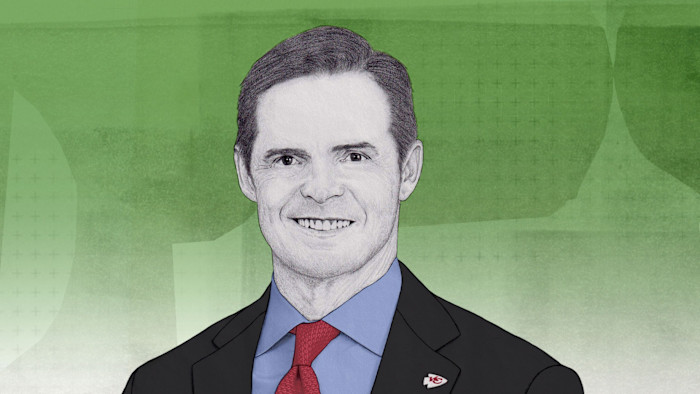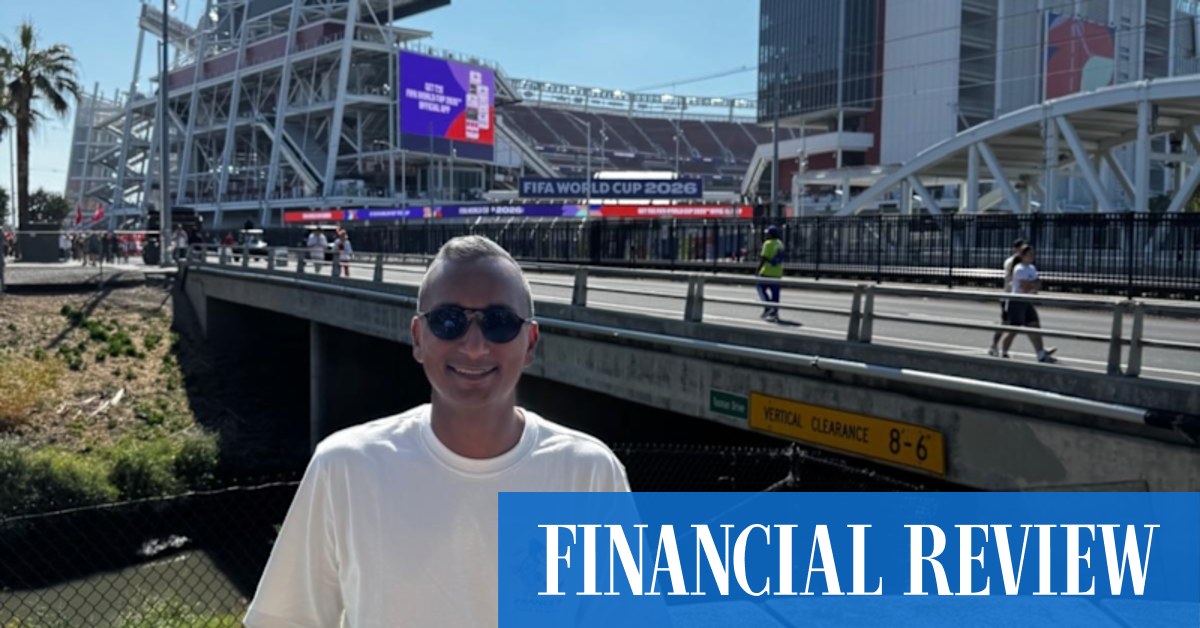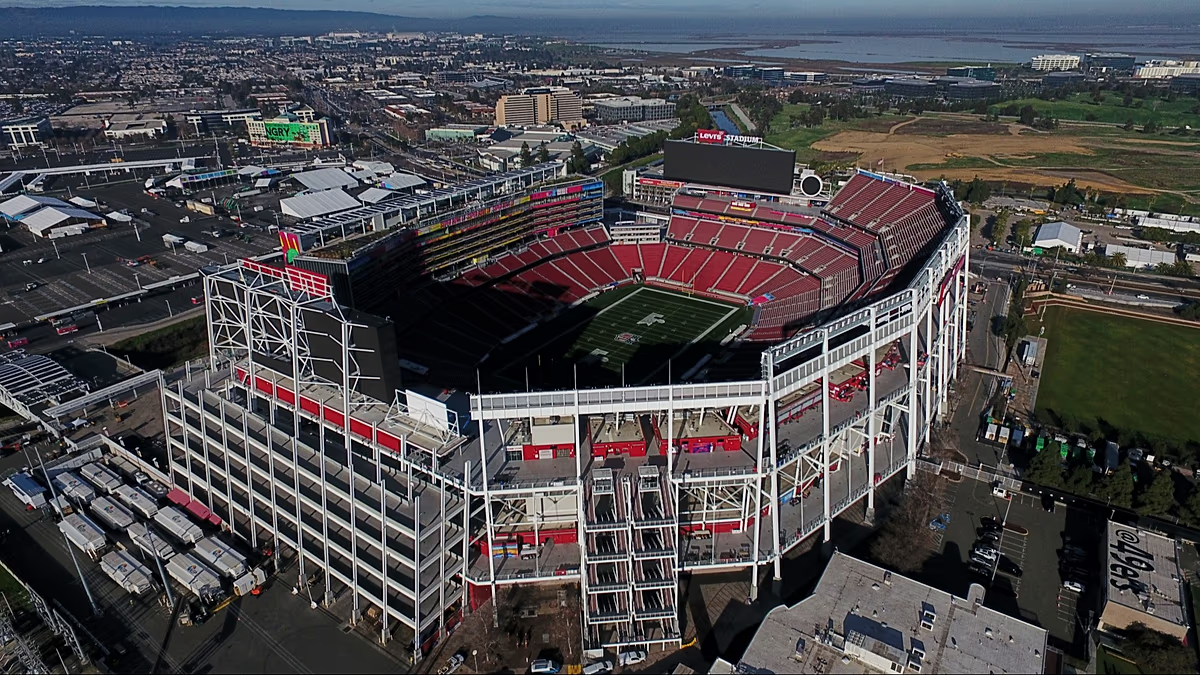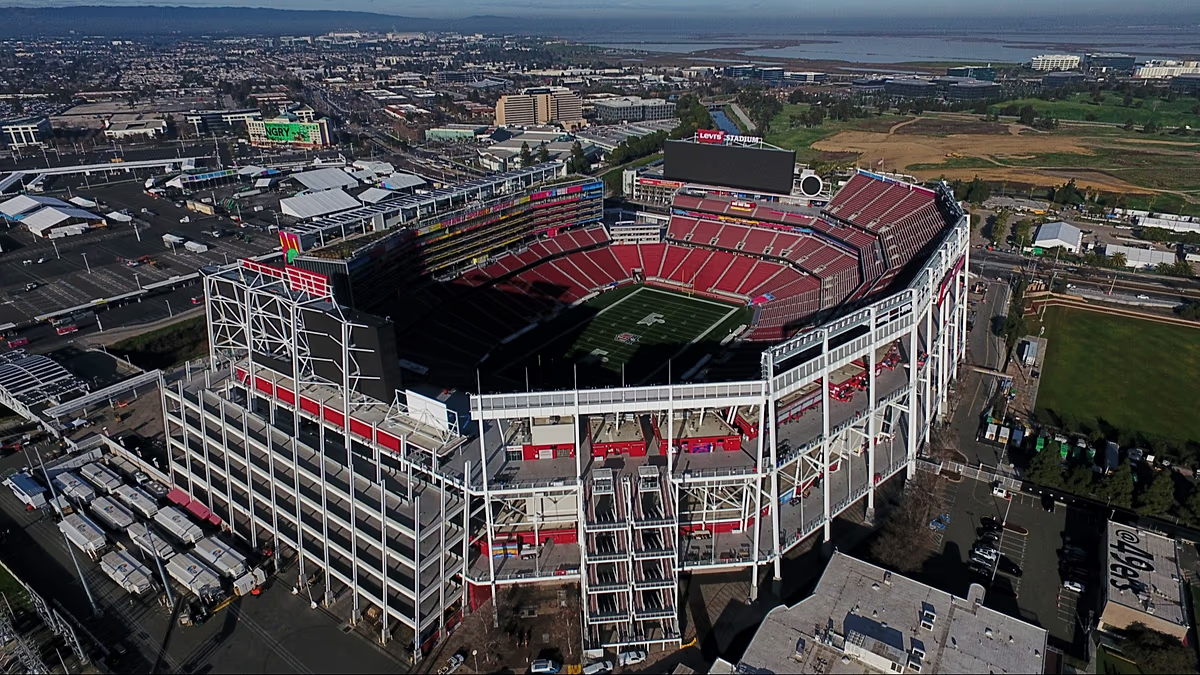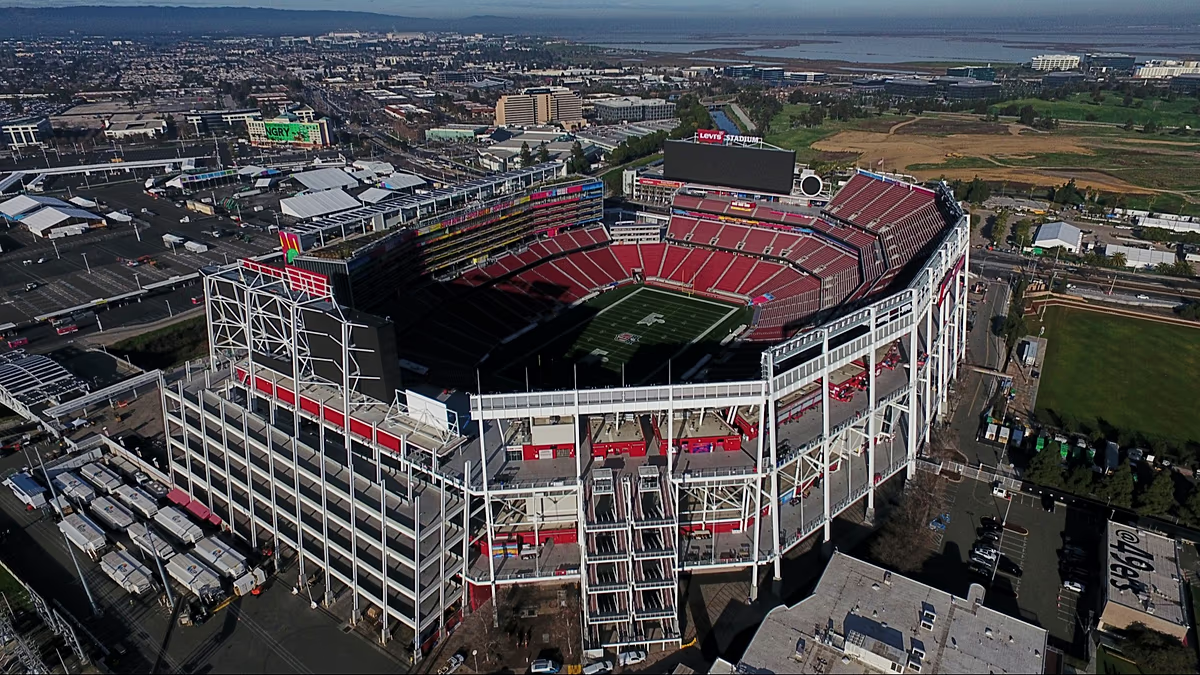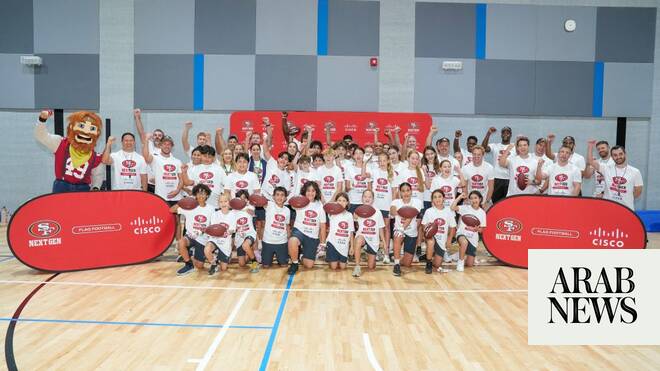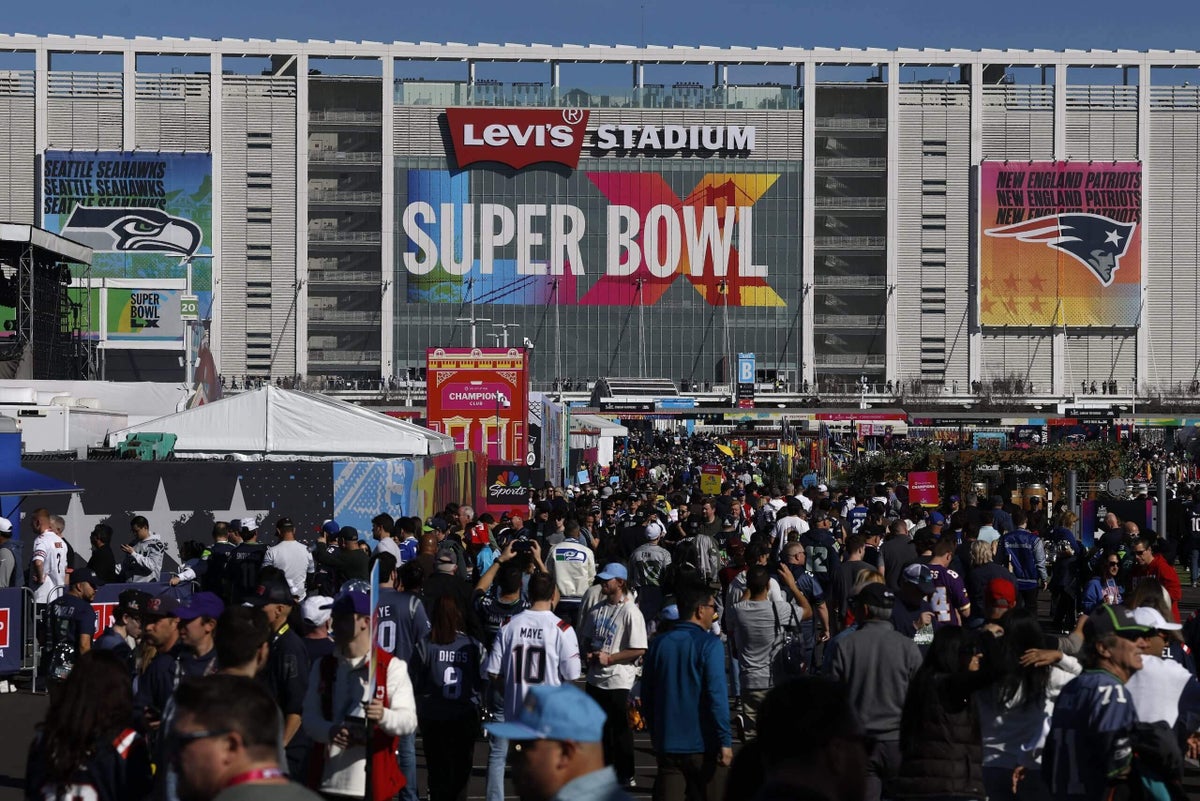
SANTA CLARA, Calif. — It’s been quite a year for new 49ers CEO Al Guido, from the job promotion to hosting the Super Bowl and World Cup — 68,527 people flooded Levi’s Stadium to watch Austria and Jordan last week — to having his passport ready for his team’s games in Australia and Mexico this season.It’s not too surprising, though, considering …“I believe we are the globe’s team,” Guido said. “I can show you a ton of different data and metrics that prove that. That we are the most popular franchise in the NFL across the globe.”The 49ers have 5 million to 6 million fans internationally, according to the NFL, and are a top-five NFL team in nine countries — No. 1 in Mexico and the United Arab Emirates and No. 2 in Australia. The team app has been downloaded in close to 200 countries.It’s why, while he has some concerns, Guido understands the league’s push and the importance of the team’s international footprint.“The league has embarked on an international strategy to grow the game of football,” he said. “And there’s no doubt about it from a data perspective — it’s working. There’s more kids playing the game — tackle and flag — than has ever been done before.”The 46-year-old Guido has helped establish Levi’s Stadium as a premier global sports destination, and despite being named CEO in February, his role hasn’t changed much after a decade as the team president.“Al’s vision, partnership and steady leadership have positioned the 49ers for success today and well into the future,” 49ers owner Jed York said.Guido was also on the Bay Area Host Committee for Super Bowl LX, which had an estimated $720 million in total economic activity across the Bay Area region, according to the BAHC. That tripled the impact of Super Bowl 50 in Santa Clara in 2016.While some complained about the distance between events in San Francisco and the activities and game in Santa Clara, Guido expects the Bay Area to be in the regular rotation of hosting Super Bowls.While Al Guido, left, has some concerns, he understands the NFL’s push for more international exposure.“By multiple standards, it’s the most successful Super Bowl in history,” Guido said. “I think what defined a really good Super Bowl city, say in 2014, versus what defines it now is drastically different.”The Super Bowl’s gotten bigger, meaning more hotel rooms, more convention centers, more events — there were over 200 private parties — and a million people descending upon the region between the airports in San Francisco and San Jose.Accessibility beats walkability these days.“We have to make sure the stadium continues to be upgraded,” Guido said, “but since NFL partners, specifically their media partners, reside in this region — YouTube and Netflix and Apple — I think it’s fair to say that we should be hosting multiple Super Bowls after Super Bowl 60.”
New 49ers CEO Al Guido on running ‘the globe’s team’ and hosting more Super Bowls
Guido has helped establish Levi’s Stadium as a premier global sports destination.
1,296 words~6 min read