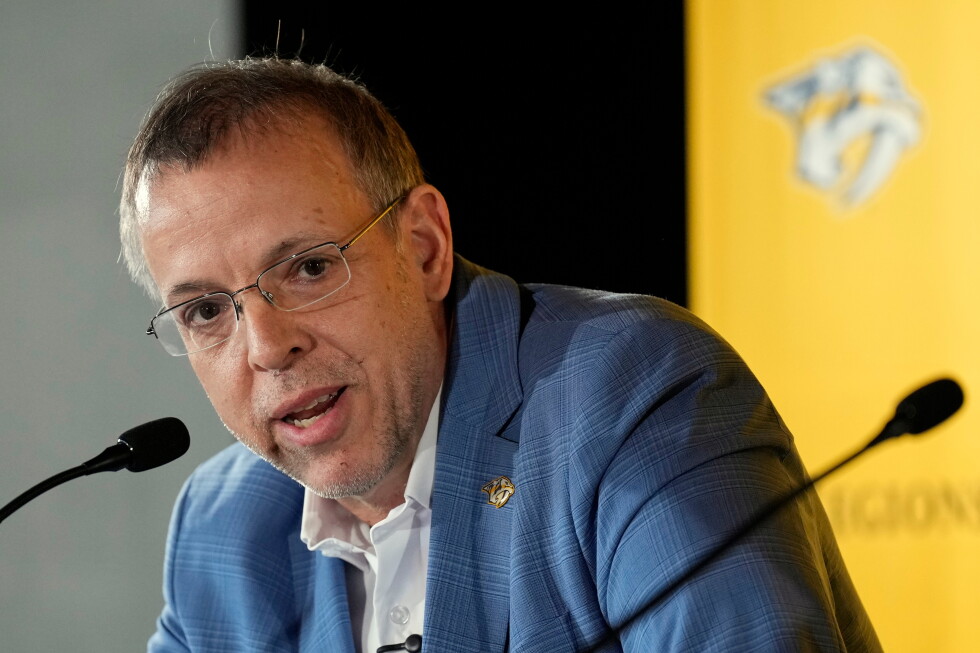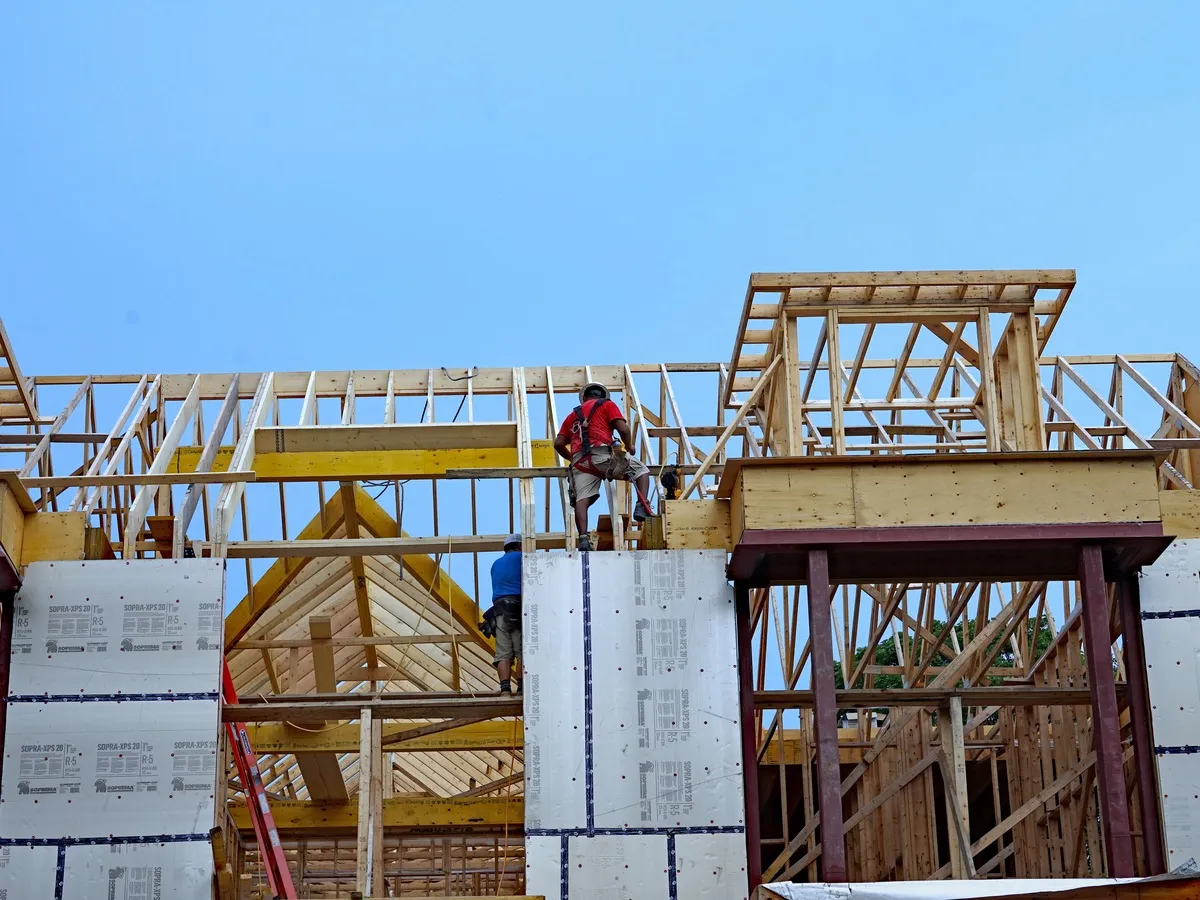
The first step in rebuilding is generally demolition.Existing, vestigial structures must be safely dismantled. The construction site must be cleared.What new Vancouver Canucks management, headlined by co-presidents Henrik and Daniel Sedin and general manager Ryan Johnson, will manage to build atop the ruins of the derelict Quinn Hughes and Elias Pettersson era remains to be seen. To this point, Johnson and the twins have moved swiftly to fire Adam Foote and replace him with Manny Malhotra, and they’ve staffed the front office with a pair of savvy but inexperienced hires with local ties in director of player personnel Daren Hermiston and assistant general manager Richard Seeley.If past behaviour is the best predictor of future behaviour, we still have very little to go on in gauging what to expect from Canucks management this summer.We know, effectively, that the club’s decision-makers are preaching patience whenever they get the opportunity to do so in public. We know that the Canucks intend to accumulate draft capital, build through the draft and focus on player development.How to win a Stanley Cup without superstarsHarman DayalBeyond that, as the Canucks enter this critical first rebuilding summer, significant questions still hover around them and their new regime.What sort of budget does the club actually have to work with? It’s a significant question, one that’s gained a sense of pertinence with how few changes Johnson has made to the front-office staff he inherited, and how clearly affordable Vancouver’s external hires have been across the board.How patient will the organization really be? History tells us that no matter how carefully and cautiously Johnson and the Sedins intend to proceed with this rebuild, internal pressure from ownership to begin to show real progress is always lurking around the next corner.Finally, perhaps the most important question of all: Who will stay and who will go as this rebuilding process gets underway?To some extent, Vancouver’s rebuild began this past fall, with a memo circulated to the 31 other NHL clubs in which the Canucks declared that they were prepared to begin the process of dismantling the existing, perpetually underperforming roster that was originally assembled under Jim Benning and augmented, unsuccessfully despite a stirring blip during the 2023-24 campaign, by Jim Rutherford and general manager Patrik Allvin.Then came the Quinn Hughes trade, which returned a first-round pick, Zeev Buium, Marco Rossi and Liam Öhgren. Then Kiefer Sherwood was sent to San Jose for a pair of second-round selections. Then the Conor Garland and Tyler Myers trades, both veterans heading out in return for a pair of mid-round draft picks.Finally, on trade deadline day, the Canucks were able to recoup some of the capital spent in the fall to bring in Lukas Reichel and monetize David Kämpf, both depth players returning a late-round pick.That series of seller deals represented something of a start for this rebuild. It was the first time that the Canucks had gone about offloading veterans with any discipline for draft picks since the early days of Brian Burke’s tenure as Canucks general manager a generation ago.Those deals, however, were executed by Johnson’s predecessors. As the trade market has begun to heat up with the likes of Darren Raddysh and Brady Tkachuk moving in high-profile trades, Johnson and the Canucks have remained on the sidelines to this point.
Why Canucks GM Ryan Johnson’s first offseason hinges on what he can subtract
The time has come for the much-needed demolition of this Canucks roster to commence.
1,609 words~7 min read