Learning a new language or recovering the ability to speak may rely less on the brain's movement centers than scientists once believed. New research suggests that regions involved in processing sound and physical sensations play a much larger role in speech learning and memory.
The study, conducted by researchers at McGill University and the Yale School of Medicine, could reshape scientific understanding of how speech is learned and influence the design of future speech recognition and brain-based communication technologies.
Sensory Brain Regions Take Center Stage
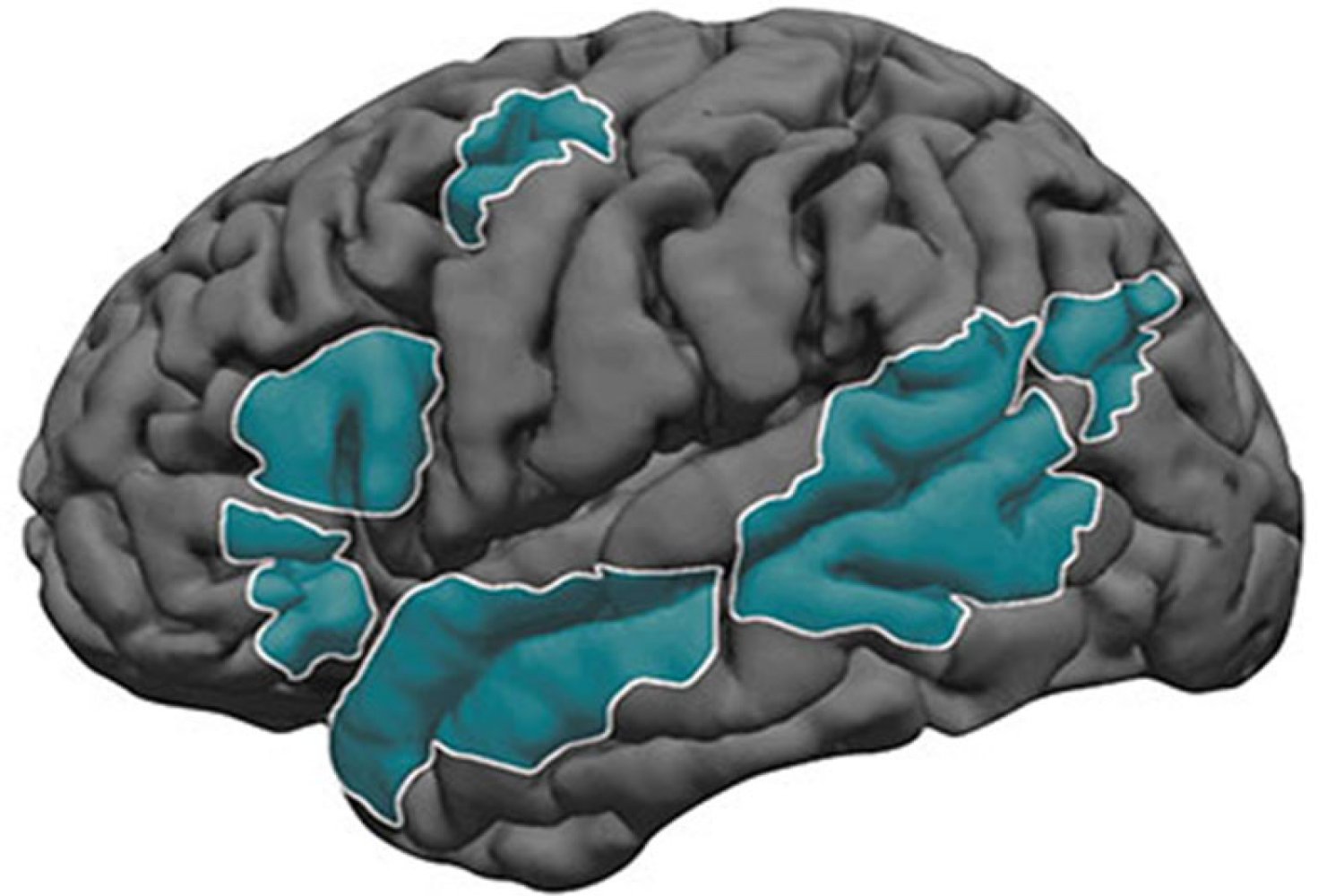
For years, researchers have generally assumed that learning and remembering the complex movements required for speech depended primarily on motor areas of the brain. Those regions control the movements of the face, mouth, and vocal tract that make speaking possible.
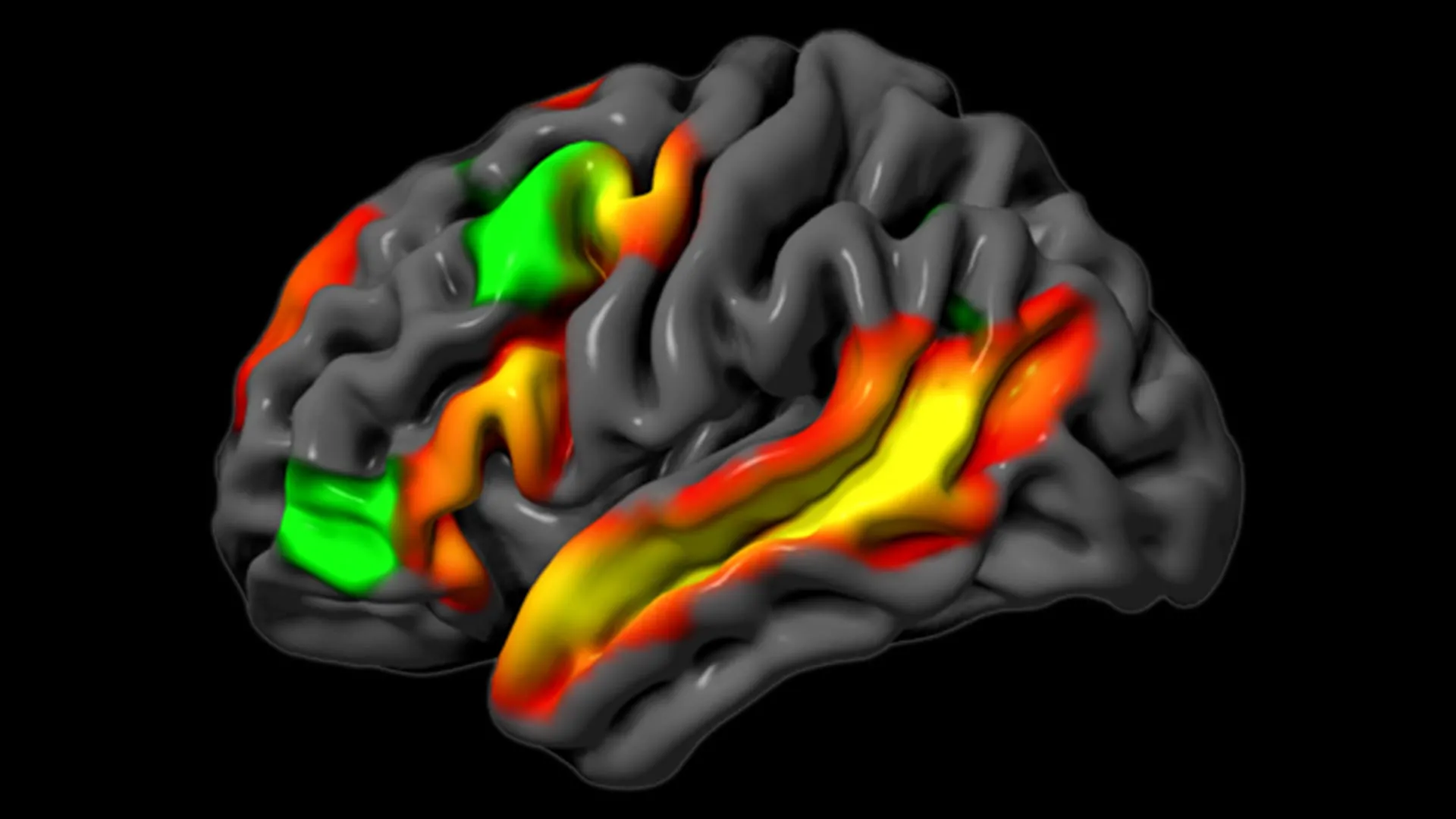
The new findings point in a different direction. Instead of highlighting motor regions as the main driver of speech learning, the research suggests that auditory and somatosensory systems are critical for acquiring and retaining new speech patterns.