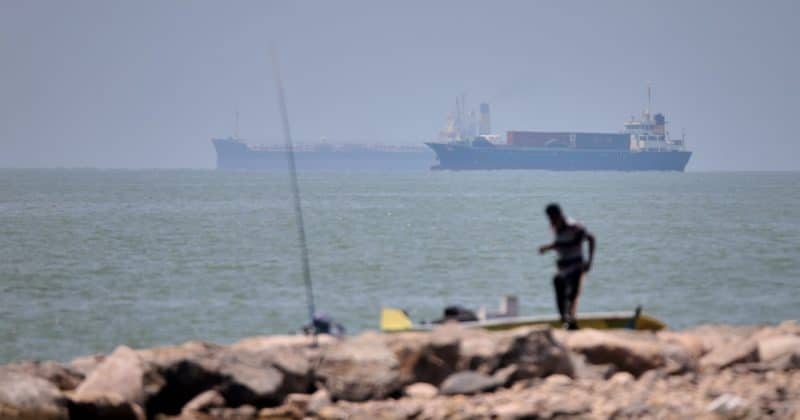
The US and Iran signed a preliminary memorandum of understanding on June 15, 2026, setting off a 60-day clock on one of the most consequential diplomatic agreements in recent memory. Iran has committed to long-term nuclear inspections supervised by the International Atomic Energy Agency, agreed to the destruction of its highly enriched uranium stockpile, and watched the US lift its threat of a naval blockade on the Strait of Hormuz. In exchange, Washington is preparing a conditional sanctions waiver covering Iranian oil exports.
The numbers behind the deal are significant. Full compliance could unlock between $24 billion and $25 billion in sanctions relief and asset releases, money currently sitting frozen or heavily restricted by US Treasury controls.
What the deal actually says
The core mechanics work like this: the US issues a 60-day waiver on sanctions restricting Iranian oil exports, Iran submits to IAEA-supervised destruction of its highly enriched uranium, and both sides use the window to negotiate the longer-term framework. The Strait of Hormuz, a narrow chokepoint responsible for roughly 20% of the world’s oil shipments, stays open.
Funds released through the US Treasury go into escrow rather than directly to Iran, a structural safeguard designed to prevent immediate deployment of cash while negotiations continue.