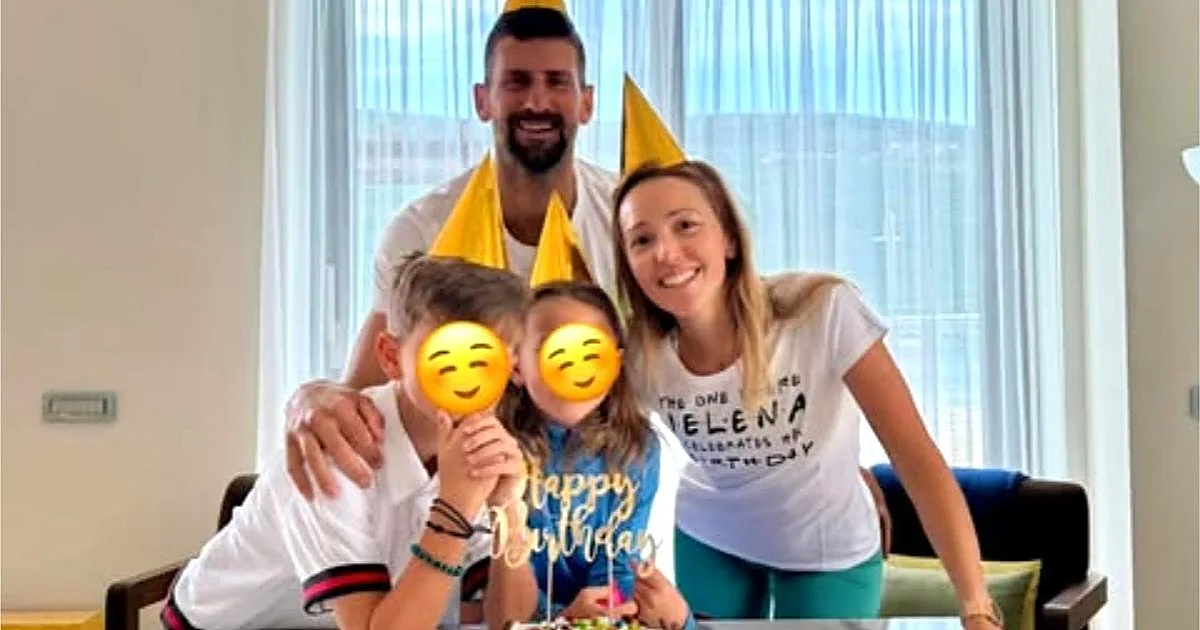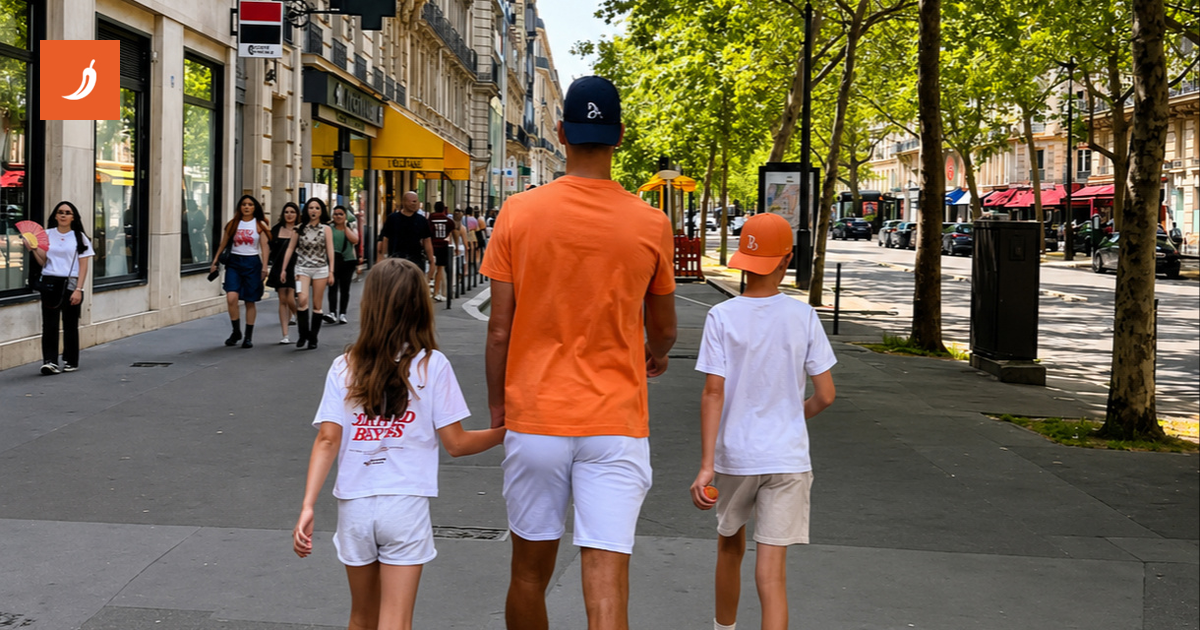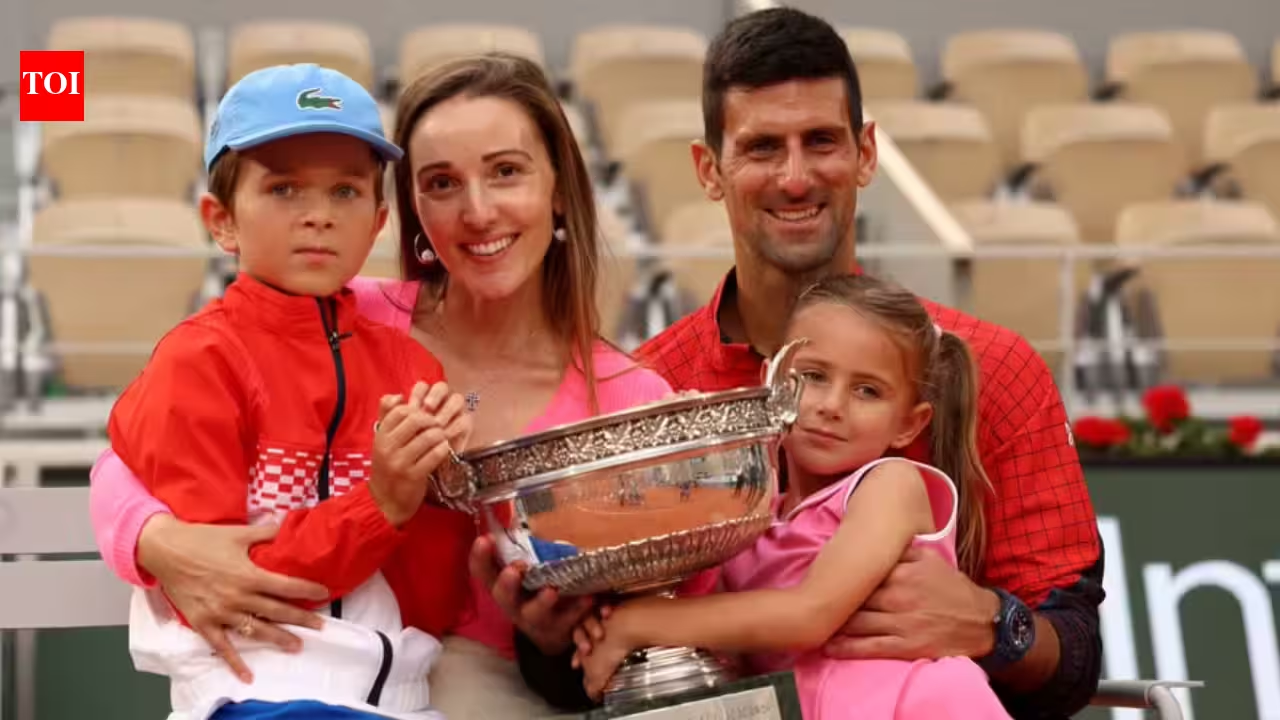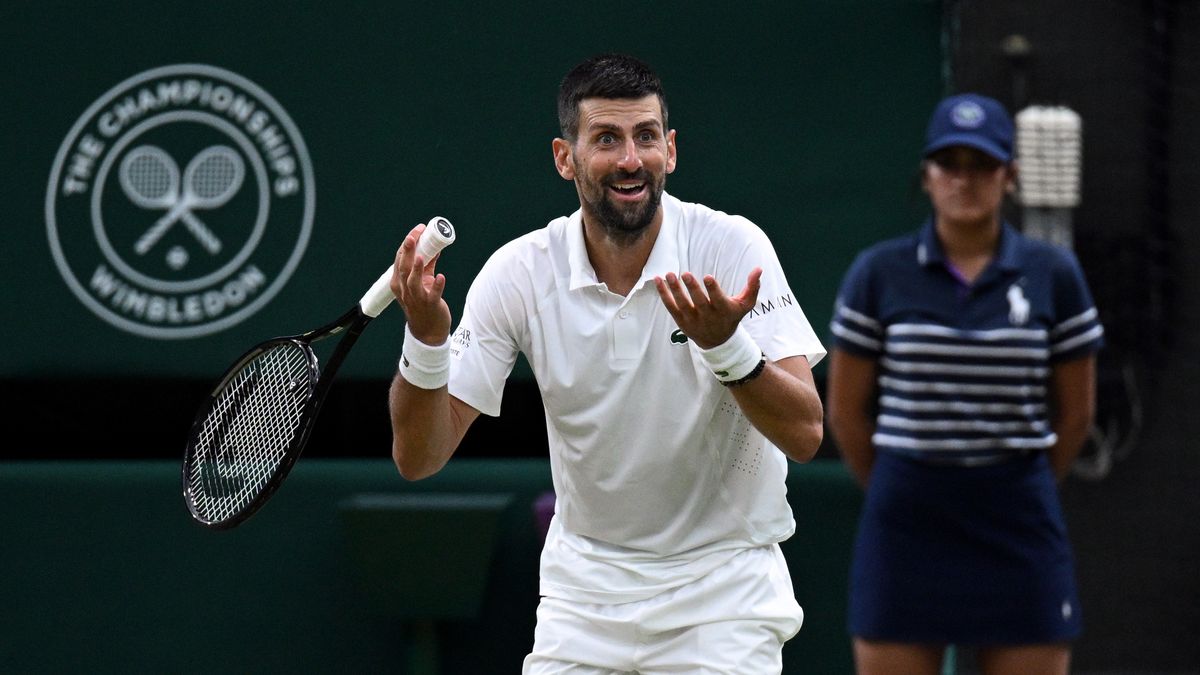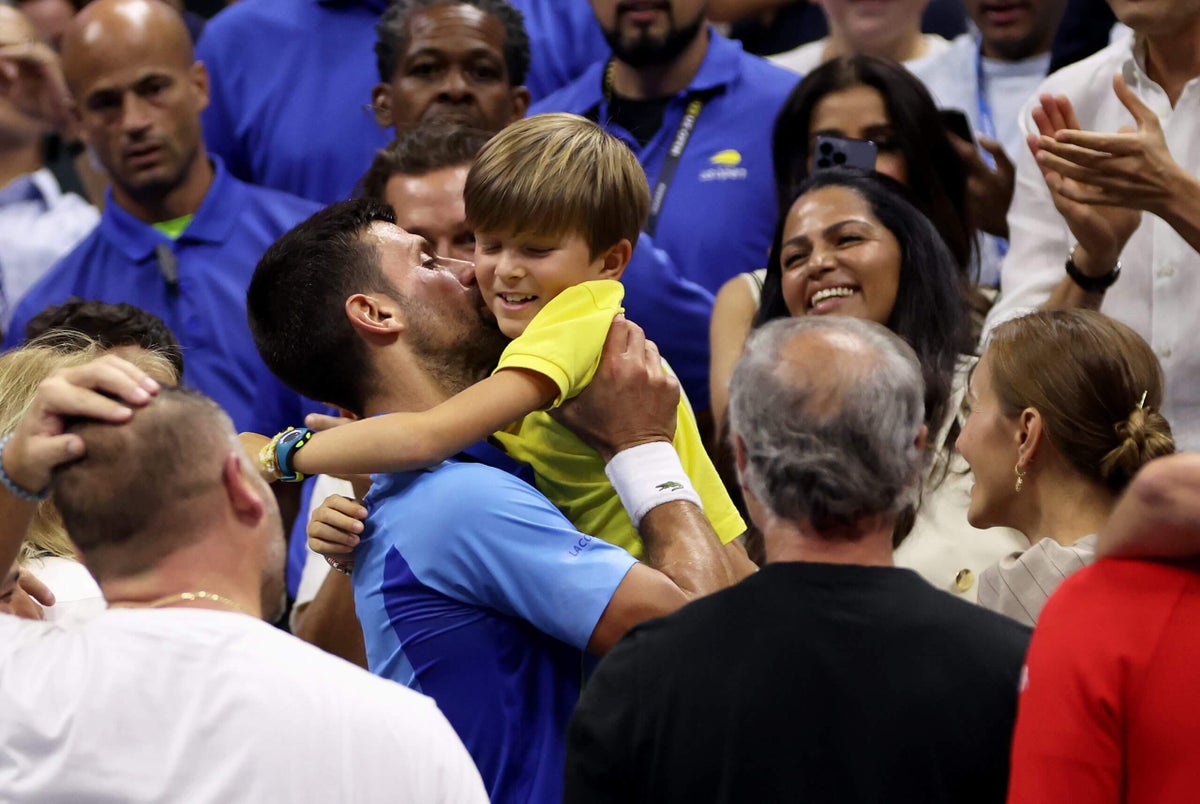
Novak Djokovic has won 24 Grand Slam titles, but in his latest appearance on Jay Shetty's podcast, the conversation wasn't about backhands or Grand Slam strategy, it was about raising his two children, Stefan, 10, and Tara, 7, in a world where boredom has become almost a forbidden state.Djokovic recounted a moment that many parents will instantly recognise. After a packed morning of ping pong, kayaking, and soccer, his son turned to him and said the four words every parent dreads: "I'm bored, what now?"Most parents, Djokovic admitted, would have reflexively handed over a phone, suggested a book, or scrambled to plan the next activity. He did the opposite. He sat his son down for what he called a conversation most parents avoid entirely.— ProjectGokuu (@ProjectGokuu) "It's okay to be bored sometimes," Djokovic told him. "When you're bored, it doesn't mean that you have to instantly take a book or a screen. You need to also learn how to be with your thoughts."Boredom isn't the enemy, it's where creativity shows upAccording to Djokovic, the instinct to instantly entertain a bored child is, in his view, doing more harm than good. He believes boredom is actually the doorway to creativity, the mental space where a child's imagination is finally allowed to wander without direction or distraction.Also Read: MrBeast, world’s richest YouTuber, ranks tip to a pizza man as the best moment of his life, 'better than giving someone million dollars'He went a step further, suggesting that boredom also brings to the surface everything a child has been quietly suppressing by staying constantly plugged into a screen. In other words, the discomfort kids feel in those unstructured, "nothing to do" moments isn't a problem to be solved, it's information. It's the mind processing what it hasn't had the stillness to process before.His larger point lands as a quiet but pointed critique of modern parenting: many parents, without realising it, are protecting their children from the one state that actually helps them grow.Why this is a big learning for parentsDjokovic has long spoken about discipline, mental resilience, and inner stillness as central to his own success, qualities he's credited as much to his mindset work as to his physical training. It's not surprising that this same philosophy shows up in how he's raising his own kids.His comments also tap into a much broader, ongoing conversation among psychologists and child development experts, many of whom have argued for years that constant stimulation , from screens, structured activities, and packed schedules — can quietly erode a child's ability to self-regulate, imagine, and sit with their own thoughts.The takeaway for parentsDjokovic's advice boils down to a simple but uncomfortable truth: the urge to instantly entertain a bored child often comes from the parent's discomfort, not the child's need. The next time a child declares "I'm bored," his message suggests, the best response might not be a solution, it might be silence, and the patience to let that boredom run its course.
Novak Djokovic's Parenting Advice: Tennis legend says parents should not rush to entertain kids when they are bored
Tennis icon Novak Djokovic says the one thing parents try hardest to avoid for their kids, boredom, might actually be the most important thing they need. He shared a personal anecdote where his son's declaration of boredom led to a conversation about the value of unstructured thought, rather than immediate entertainment. Djokovic believes modern parenting often shields kids from this essential state, hindering their imagination and ability to process thoughts.
495 words~2 min read