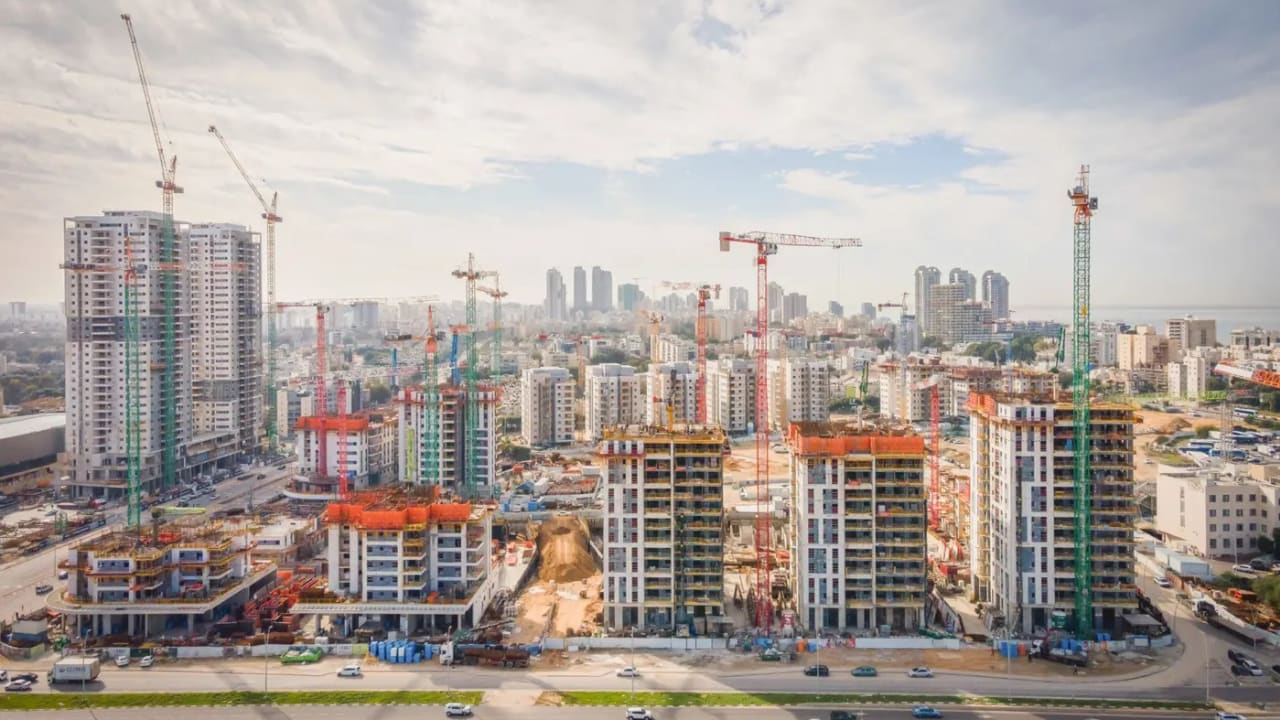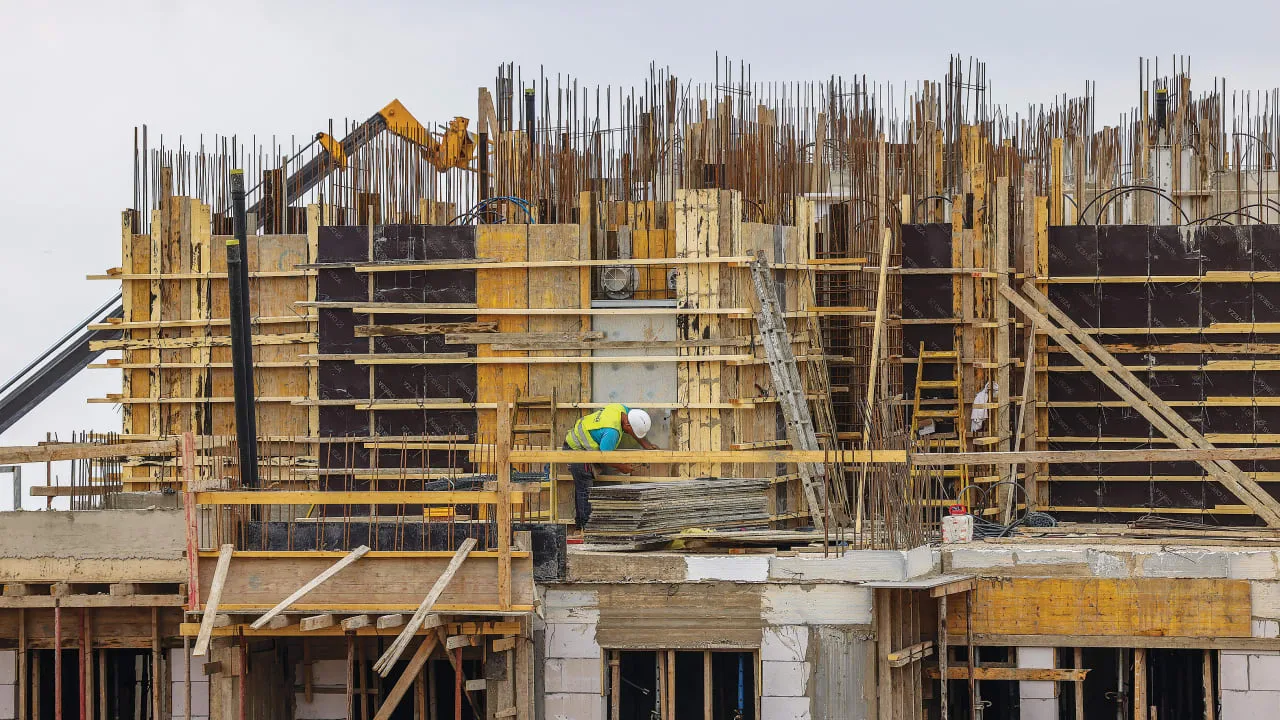
ByELAD KALIMIJUNE 23, 2026 13:55About 35,000 housing units are slated for construction across the Negev and the Galilee. The approvals are already in place, and new buildings will soon rise in Netivot, Sderot, and Acre. Yet the real question is not what will be built in concrete and scaffolding, but what will exist within those walls, and how we can turn these structures into true homes.The numbers circulating in recent weeks are undeniably impressive. Marketing tens of thousands of housing units in Sderot, Ofakim, Netivot, and Kiryat Gat is significant news. But as someone who lives in this reality on the ground, I would suggest pausing the real estate celebrations for a moment and examining this move from another perspective.The most common mistake in Israel’s public discourse is treating a house as a finished product. If we built it, we succeeded. A house is merely physical infrastructure. A home is the product of relationships, and a community is the system that sustains it over time. The gap between "house" and "home" is exactly where national projects either succeed or fail, and we have seen this before.The major construction waves of the 1950s and 1990s often produced neighborhoods that became "bedroom communities": spaces with functioning sidewalks and infrastructure but lacking social cohesion. The result was high turnover and a persistent sense of alienation, leaving us with rotating addresses rather than homes.Housing and construction in IsraelToday, we have two advantages: data and, more importantly, hard-earned experience. The events of October 7 demonstrated in the clearest and most painful way that what sustains a city in times of crisis is not only the thickness of reinforced concrete shelters, but the "soft infrastructure" of informal networks, the embracing community, neighbors who know one another, and local actors who know exactly which elderly resident needs help on the third floor. This is community resilience under real conditions.Construction. (credit: SHUTTERSTOCK)It is time for a conceptual shift in urban planning in Israel. In the past, the focus was primarily on density and transportation infrastructure. Today, we must incorporate “community infrastructure” as an integral planning component, which means working with measurable models in practice. In Sderot, we are already implementing this approach through a “community index” that evaluates levels of belonging, familiarity among neighbors, and participation in local activity. Just as an engineer measures traffic loads, we measure the strength of social connections. This is not a "nice-to-have" idea but a strategic methodology.When new residential complexes are built, there is a very limited window to create that sense of community. The character of a neighborhood is largely determined within the first one to two years of occupancy. This is when norms are shaped and local identity is formed. If we do not act intentionally to foster connections, encourage interaction in public spaces, and strengthen community institutions, the default outcome will be alienation.When done correctly, the benefits go far beyond quality of life. There is a clear economic payoff. Populations remain stable instead of constantly turning over, property values rise, crime declines, and overall resilience strengthen.As I look at the major development plans in the South and the North, my question is not how many keys will be handed out at ceremonial events, but what kind of life will be built between those walls. Will government ministries and local authorities treat this as a purely engineering project, or as a broader social-national mission?Thirty-five thousand housing units are impressive statistics. But 35,000 homes are within a living, breathing community. That is a strategy that can secure the country’s future.The author is Elad Kalimi, vice mayor of Sderot and holder of the city’s education portfolio.Follow us on Google
A house is not a home: The real test of new homes North and South | The Jerusalem Post
Will government ministries and local authorities treat this as a purely engineering project, or as a broader social-national mission?
607 words~3 min read