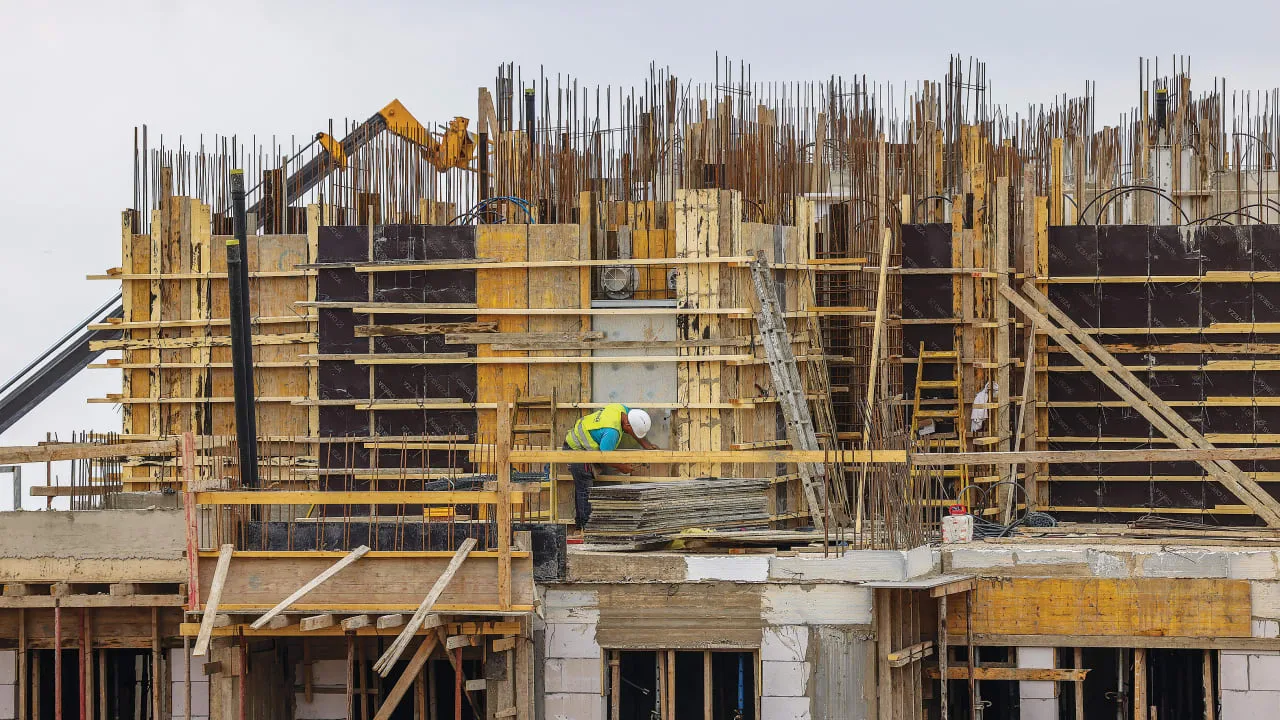
ByILAN LEIBOVITCHJUNE 23, 2026 11:51Israel’s housing crisis doesn’t need more headlines or declarations; it needs sustainable solutions. The recent decision to extend the mandate of the Committee for Preferential Housing Sites by another year brings us right back to a fundamental question that has loomed over the planning sector for more than a decade: Are fast-tracked “green tracks” still the right way to manage Israel’s land resources?More importantly, do they actually drive construction in the very places where the public truly wants and needs to live?Re-examining planning and quality of urban developmentRight now, we need to re-examine the balance between the pace of planning and the quality of urban development. Planning is important, and you can plan just about anywhere – but the real issue isn’t just how many housing units get approved on paper; it’s where they are being approved.Massive planning in areas with no real demand won’t solve the housing crisis. If people don’t move there, don’t want to live there, and don’t see it as the center of their lives, the plan will never become a real solution.A massive construction site off Jaffa Road, not far from the entrance to Jerusalem, seen in 2022. (credit: MARC ISRAEL SELLEM)On the flip side, in central Israel and high-demand cities, planning procedures remain long, arduous, and incredibly expensive for developers. These costs don’t stop with the developer. They ultimately get rolled into the final price of the apartment, impacting the public.One of the core pillars of the real estate industry is creating certainty for everyone involved – from developers and local authorities to the residents themselves. Top-tier planning isn’t just measured by the sheer volume of approved housing units, but by its ability to meet actual demand in high-interest areas, alongside the necessary transportation infrastructure, public and educational institutions, commercial zones, and municipal services essential for daily life.Therefore, if the state truly wants to ease the market’s burden, it must focus its main efforts on simplifying planning processes in central Israel and sought-after cities, instead of just churning out plan after plan in places where the demand simply isn’t there.Planning certainty in high-demand zones is a matter of public interest: it cuts down timelines, lowers costs, and helps boost the housing supply exactly where the shortage hurts the most.In light of today’s development and rehabilitation challenges, our professional goal should be to strengthen standard planning mechanisms while genuinely slashing bureaucratic red tape. The goal isn’t to bypass local authorities, but to empower them with the tools, responsibility, and incentives to move faster.Pathways like the “Shaked Project” can allow municipalities to drive urban renewal more efficiently – provided the state encourages them to take an active role rather than just trailing behind.Netanya is a prime example of this. When a municipality drags its feet on planning because it doesn’t want high-rises in the city center, the result isn’t the preservation of the urban fabric; it’s sheer stagnation. Aging buildings on major thoroughfares are left exactly as they are without structural reinforcement, rocket shelters, or any adaptation to the needs of a modern city.If we don’t demolish, upgrade, or replace them with safer, newer structures, the downtown core will keep deteriorating, turning these dilapidated apartments from a mere planning failure into an absolute safety hazard.Ultimately, as we face new development and rehabilitation challenges, we must strive to shift the center of gravity back to an efficient, focused, and responsible planning system.Our shared goal is fast and efficient construction, but the path there doesn’t lie in creating yet another temporary committee or another far-flung master plan – it requires genuine simplification of planning in high-demand areas, empowering local authorities, driving urban renewal in city centers, and building real collaboration between the government, municipalities, and developers. Only then can we boost supply where people actually want to live, cut out unnecessary costs, and transform the planning system from a bottleneck that holds the market back into an engine that propels it forward.The author is a former MK and member of the Economic Affairs Committee, and an expert in global real estate investments.Follow us on Google
Israel’s housing crisis requires faster planning in high-demand cities | The Jerusalem Post
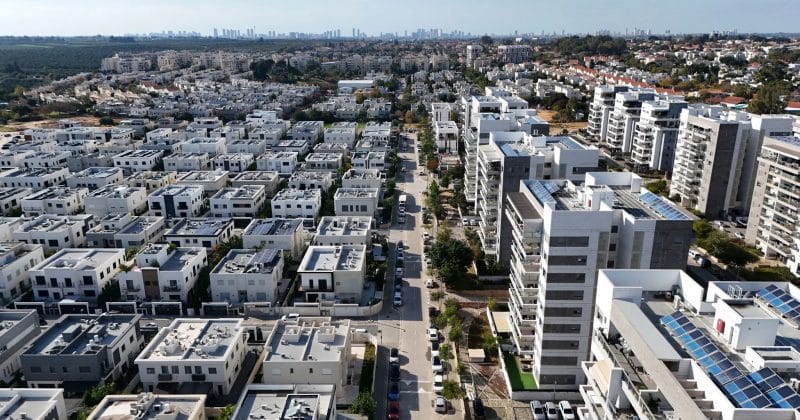
Top-tier planning isn’t just measured by the sheer volume of approved housing units, but by its ability to meet actual demand in high-interest areas, alongside the necessary needs for daily life.
681 words~3 min read