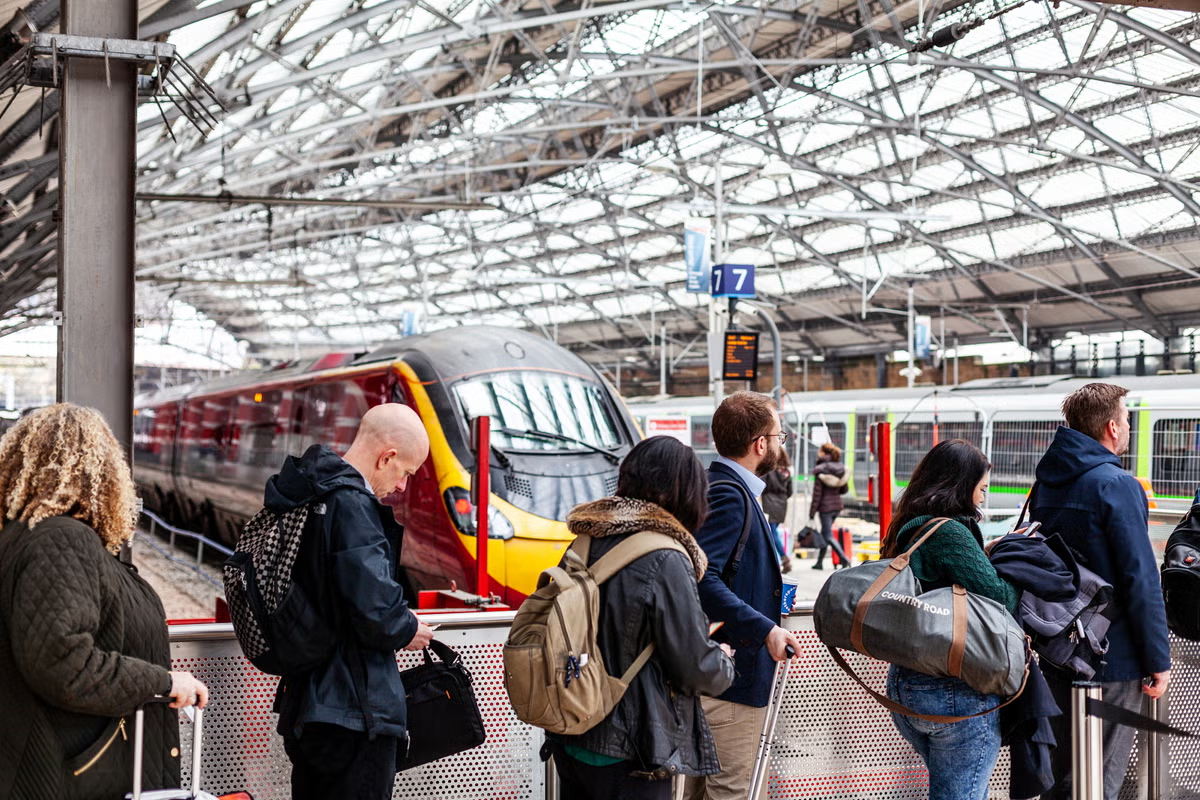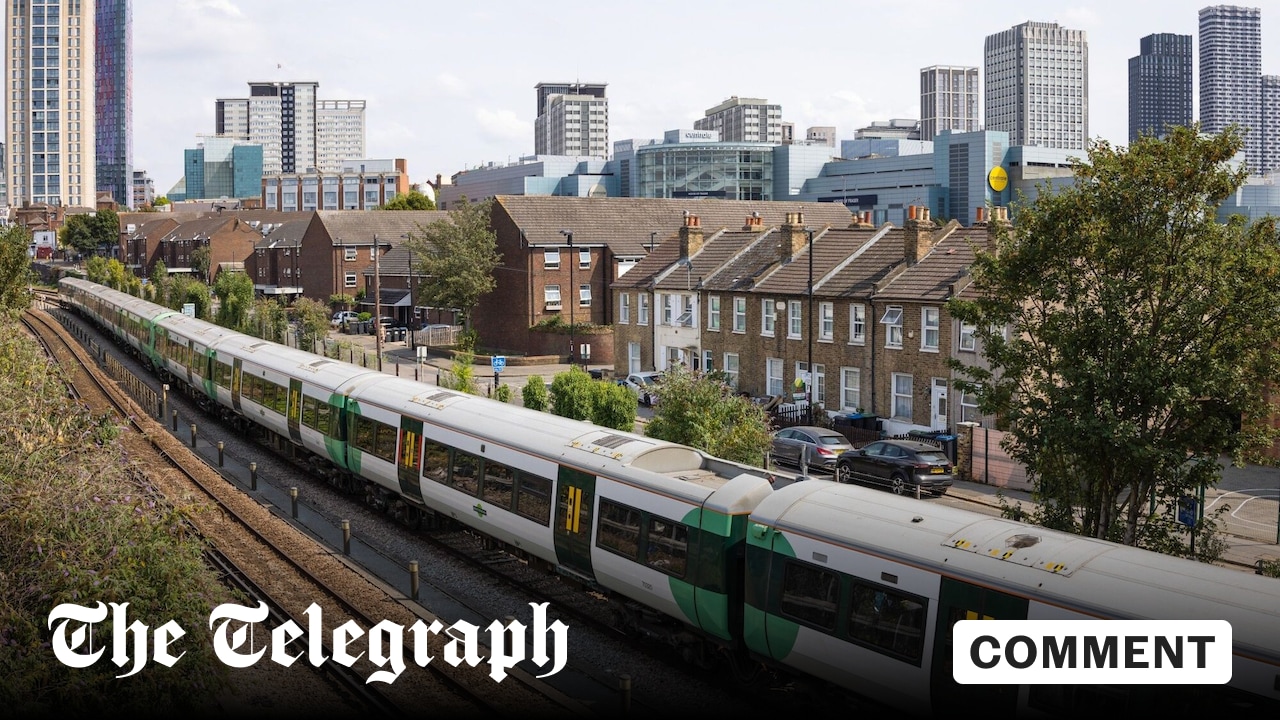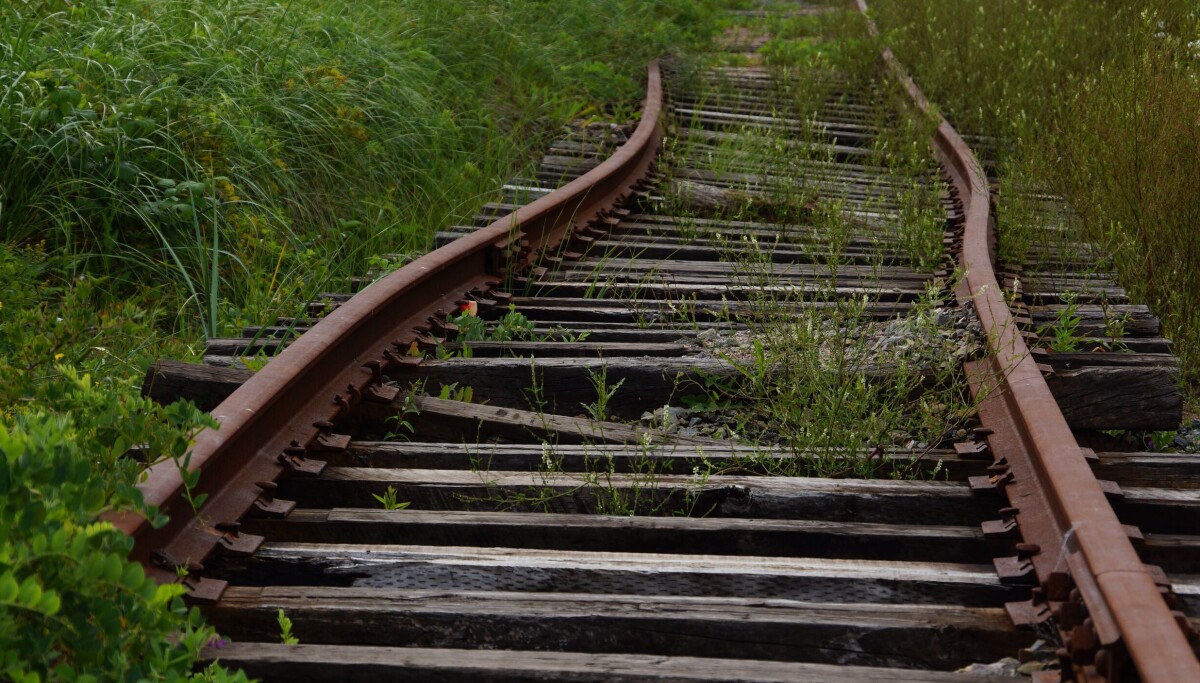
Most trains on the departure board are late, some by more than an hour. Agitated people rush from platform to platform, trying to plan new routes on their phones. Six lines are closed for lack of rolling stock and staff. England? No: Cologne, in Germany, whose creaking nationalised network shows that state ownership is not a magic pill for a railway’s problems.
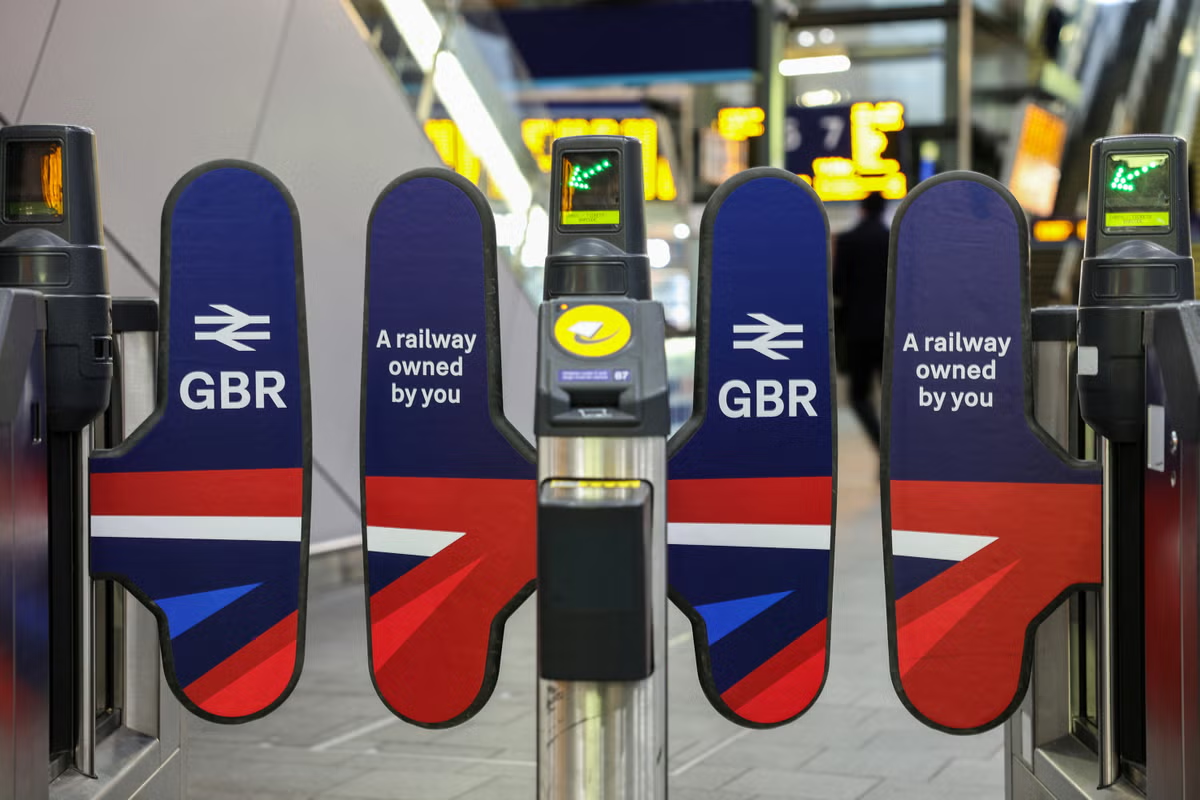
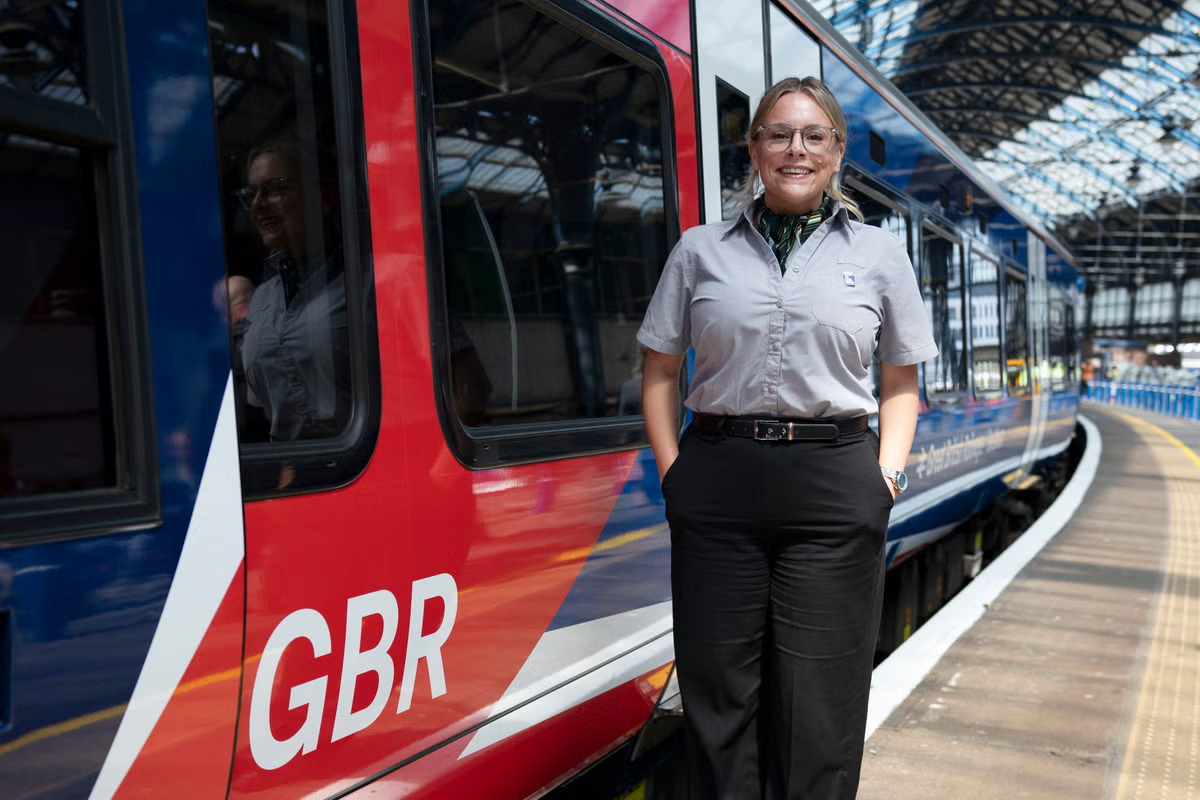
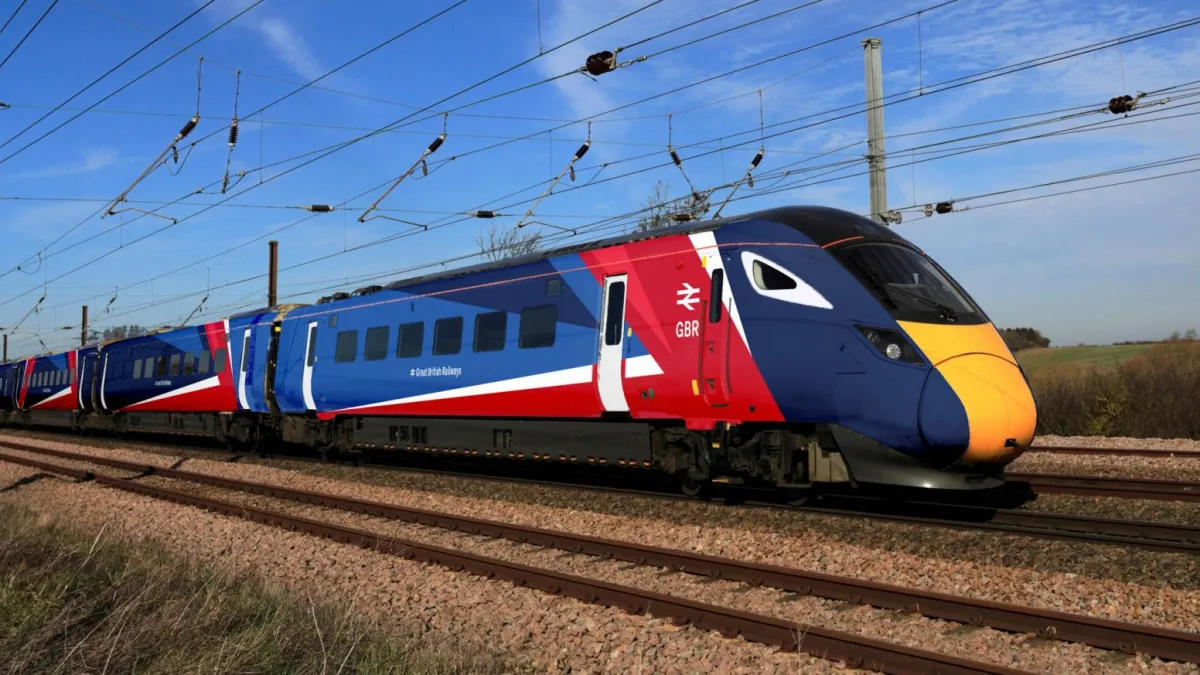
In Britain, too, things aren’t always on schedule. Later this month, Cambridge South, the first station fully branded for the new Great British Railways, will open – about six months late. Punctuality at South Western Railway, the first operator nationalised under Labour, has fallen since its last year in private hands, as it has at most of the six operators nationalised under previous governments. At Brighton Station, where the first GBR-liveried train was unveiled in May, there was palpable relief among the gathered dignitaries when it rolled in exactly on time. But it only had to come from a nearby siding: the task ahead is harder.
Opening the third reading of her bill to nationalise the railways this month, the Transport Secretary, Heidi Alexander, pledged that GBR would “sweep away decades of inefficiency and waste,” and passengers would “most definitely… soon see the difference in ticketing and reliability”.