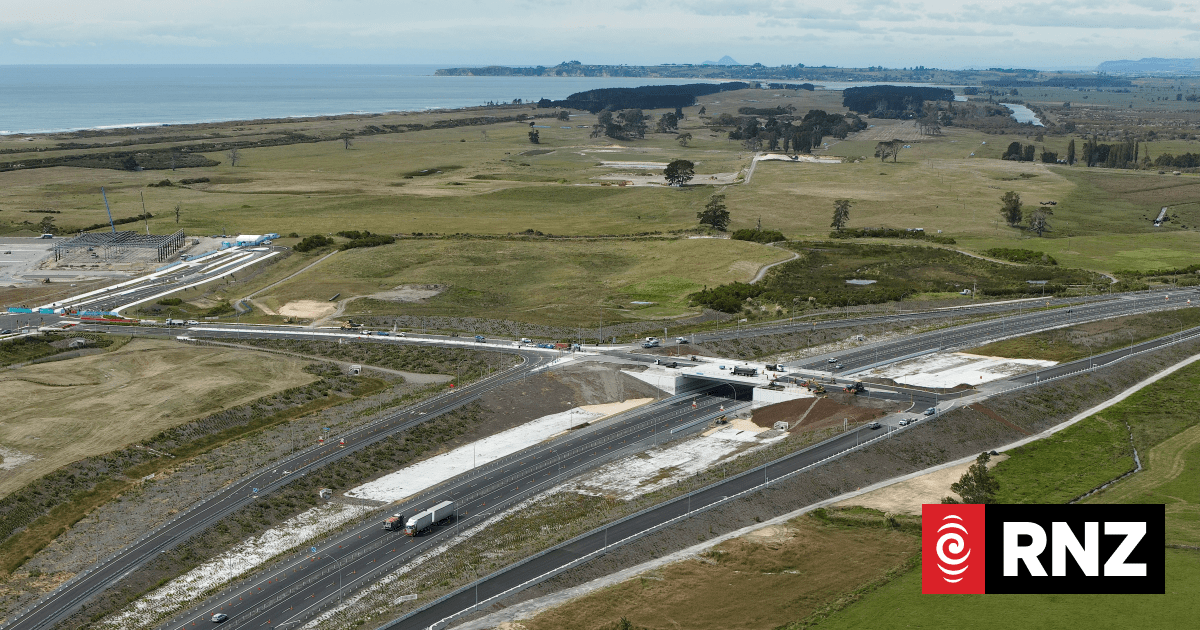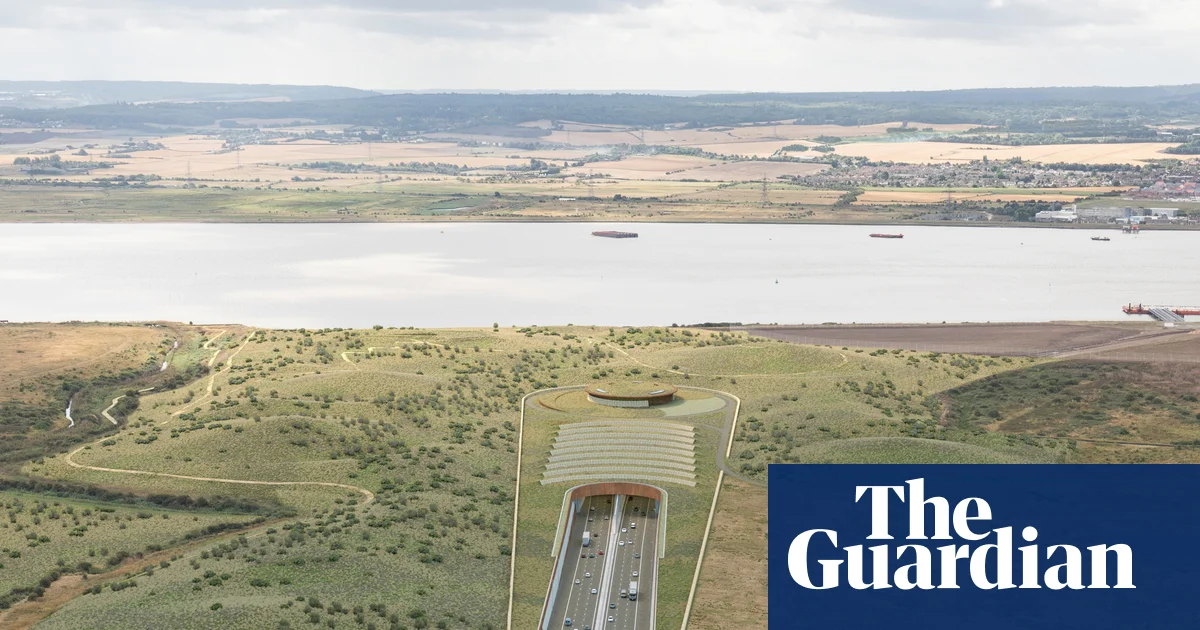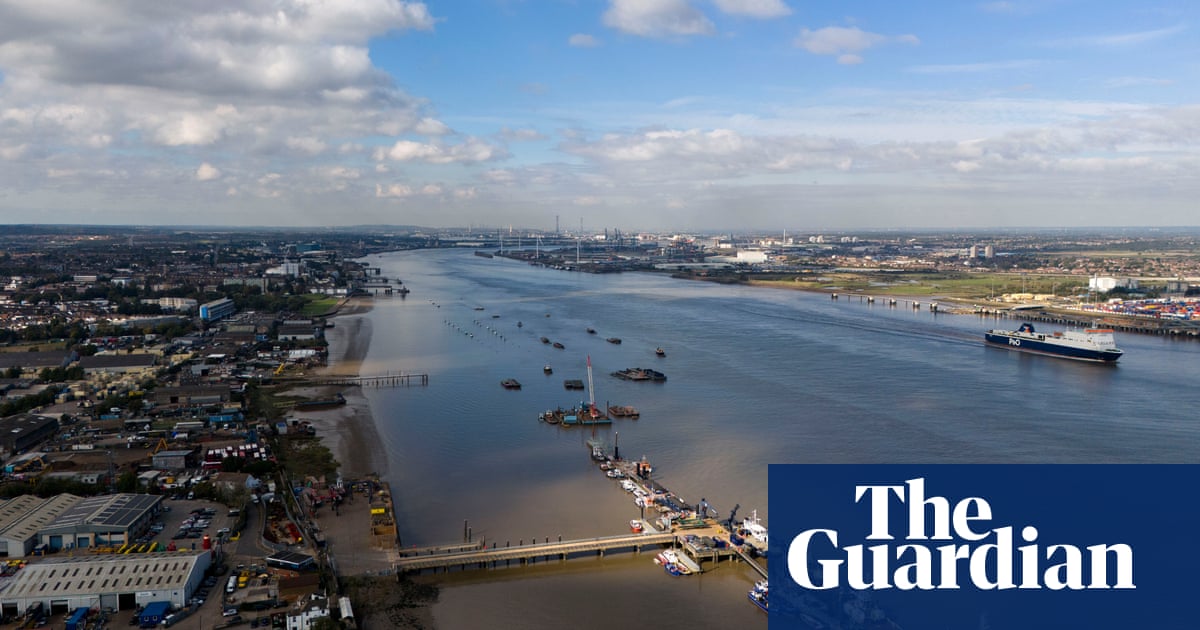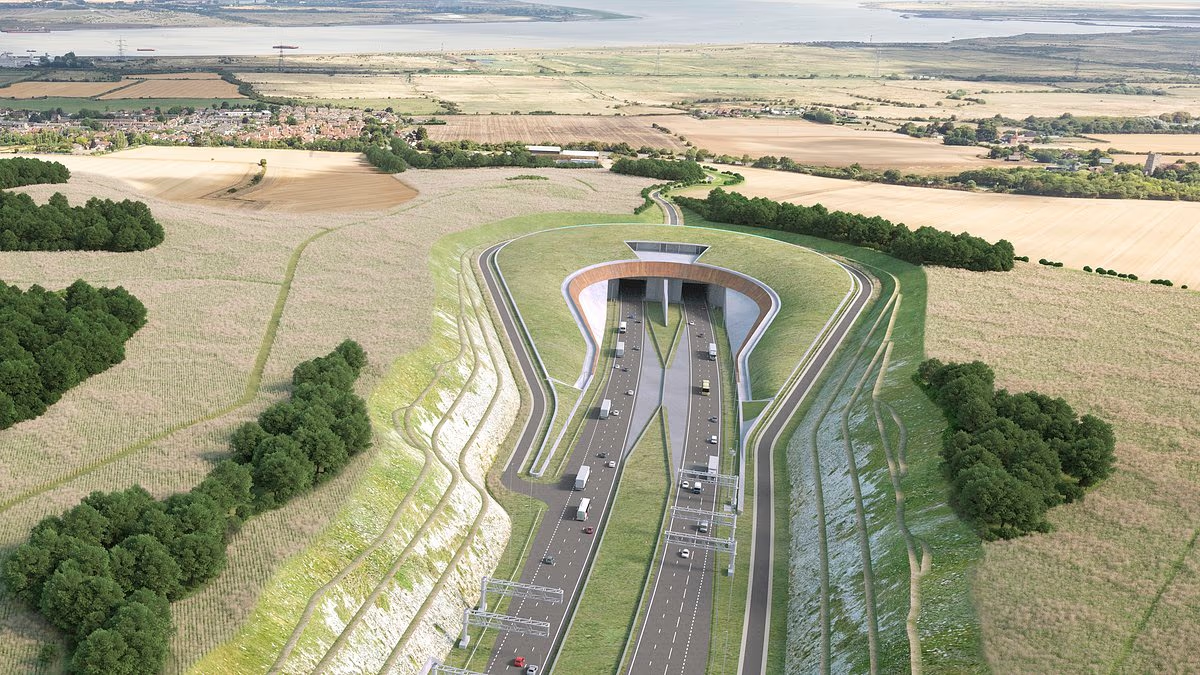
The government is wasting £8 billion a year by overpaying on transport infrastructure projects funded by the taxpayer, a new report has concluded.A study found that new road, railway and tram projects cost 65 per cent more than equivalent schemes in France, Germany, Italy, Spain, Canada or South Korea.The report said that ministers could have saved £42 billion if costs had stayed similar to comparable countries.If ministers had been able to keep costs low, it could have reached the NATO target for spending three per cent of GDP on defence, without raising taxes.It also found that Hinkley Point C, the first nuclear plant built in Britain in three decades, is on course to be the most expensive ever built.The report, made by think tanks Britain Remade and the Centre for British Progress, analysed 345 transport projects across 21 countries, including 121 road schemes and 224 rail and tram projects.It found that contrary to perception, Britain spends more on average on infrastructure projects than most European counterparts, but gets far less back for it. Developers spent £100 million on a bat tunnel to protect the mammals from high-speed trains as part of HS2 The southern tunnel entrance of the new Lower Thames Crossing linking Kent with EssexResearch found that ministers spent £11.5 million a mile to electrify the Great Western mainline from London to Wales whereas Germany's electrification cost £2.1 million a mile.And more than £100 million was invested per mile of track for a new tram link for Manchester - double the cost per mile of similar projects in Paris and Madrid The report argues that the waste of money does present 'good news' for Britain.It implies that, without spending an extra penny, Britain could vastly improve its public infrastructure by adopting the same processes as those of France, Germany or Spain. The report said that Britain's planning and regulatory scheme is time consuming, complex and expensive, with public money wasted on lawyers, consultants and unique design specifications rather than the infrastructure itself. It cited the Lower Thames Crossing, a planned road tunnel linking Essex and Kent. The planning application for which ran to 359,070 pages, involved around 150 staff, and cost almost £300 million to write.Even the environmental statement ran more than 12,000 pages.The full project, 14 miles of road including a 2.6-mile tunnel, is estimated to cost between £9 and £10.6 billion. By comparison, Norway's Lærdal Tunnel, the longest road tunnel in the world, cost around £140 millionThe think tanks also argued that a lack of devolution in the UK has left regions unable to build infrastructure without consulting the Department of Transport and The Treasury.Other European countries have handed more local power to regions, allowing them to build infrastructure on their own initiative. The report also highlighted the stop-start nature of UK infrastructure, pointing out that skills learnt and developed through projects such as the Crossrail link in London were often lost because there was no development following it.The UK has upgraded its rail intermittently, rather than consistently at a steady pace, like Germany. The report found that, between 2015 and 2023, Britain invested, on average, £308 per person per year on road and rail infrastructure.This was £37 more than France and £57 more than Germany. However, Britain paid a 65 per cent cost premium for that infrastructure, meaning that for every £1 million spent on infrastructure in European countries Britain needs to spend £1.65 million to get the same amount of rail or road.Sam Richards, chief executive of campaign group Britain Remade, said although ministers had made some progress in trying to speed up the planning process, there were still significant bureaucratic issues that made it hard to reduce costs. Hinkley Point C, the first nuclear plant built in Britain in three decades, is on course to be the most expensive ever builtHe said organisations such as Natural England still have too much power over planning regulations, adding that developers 'have still not solved the HS2 bat tunnel problem'.The tunnel, which cost £100 million, was built as part of HS2 to protect bats from being hit by high speed trains.Mr Richards warned that it was still too easy for campaigners to use the legal system to tie up projects in endless delays.He told The Times: 'We are pouring billions into infrastructure and getting a fraction of what other countries deliver for the same money. This isn't a funding problem; it's a failure of the system. Bloated planning rules, endless legal challenges and a culture of delay mean projects take longer, cost more and deliver less. The result is a hidden £42 billion hole where investment goes in but infrastructure never comes out.'Richard Holden, the shadow transport secretary, said the government was continuing to follow outdated EU rules which meant it was impossible to do things differently.He said: 'The last Conservative government passed legislation in 2023 to scrap the EU environmental assessments driving these costs. Two years on Labour has not lifted a finger to implement it and their pursuit of EU alignment will make reform even harder to deliver.'The Treasury and Department of Transport have been contacted for comment.
UK 'wastes' £8bn on transport and infrastructure schemes, report says
A study found that new road, railway and tram projects cost 65 per cent more than equivalent schemes in France, Germany, Italy, Spain, Canada or South Korea.
853 words~4 min read