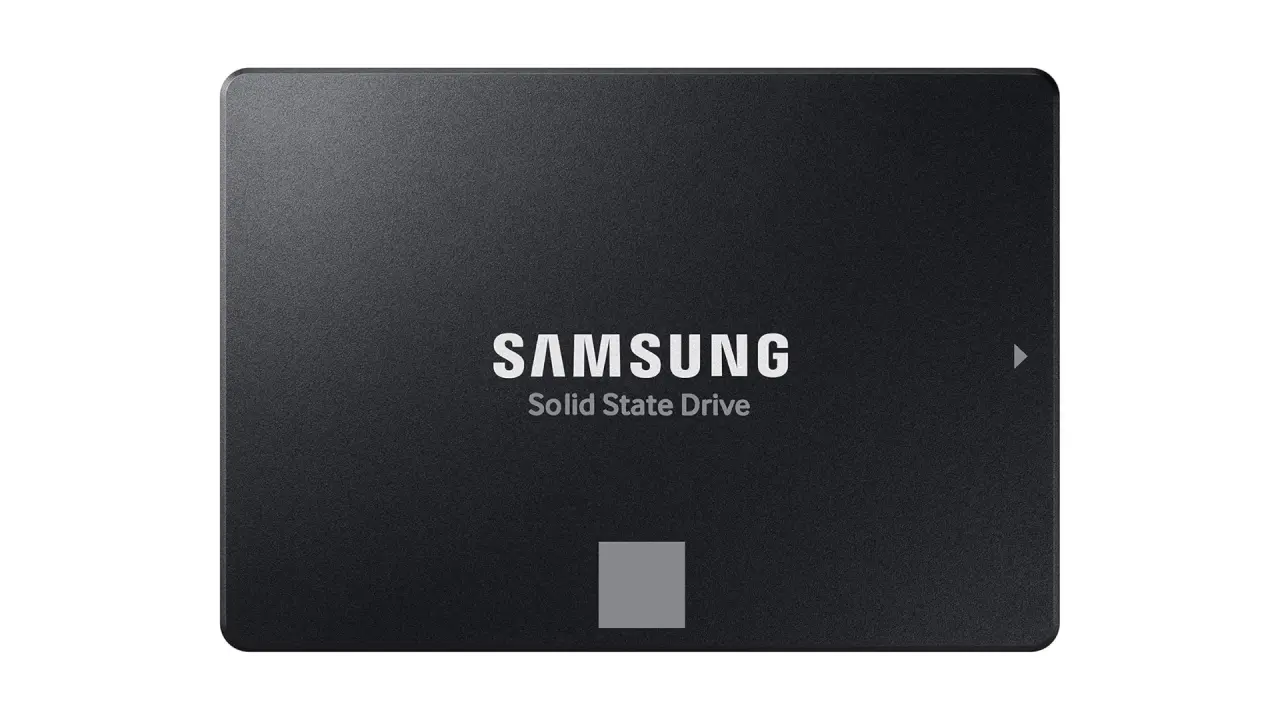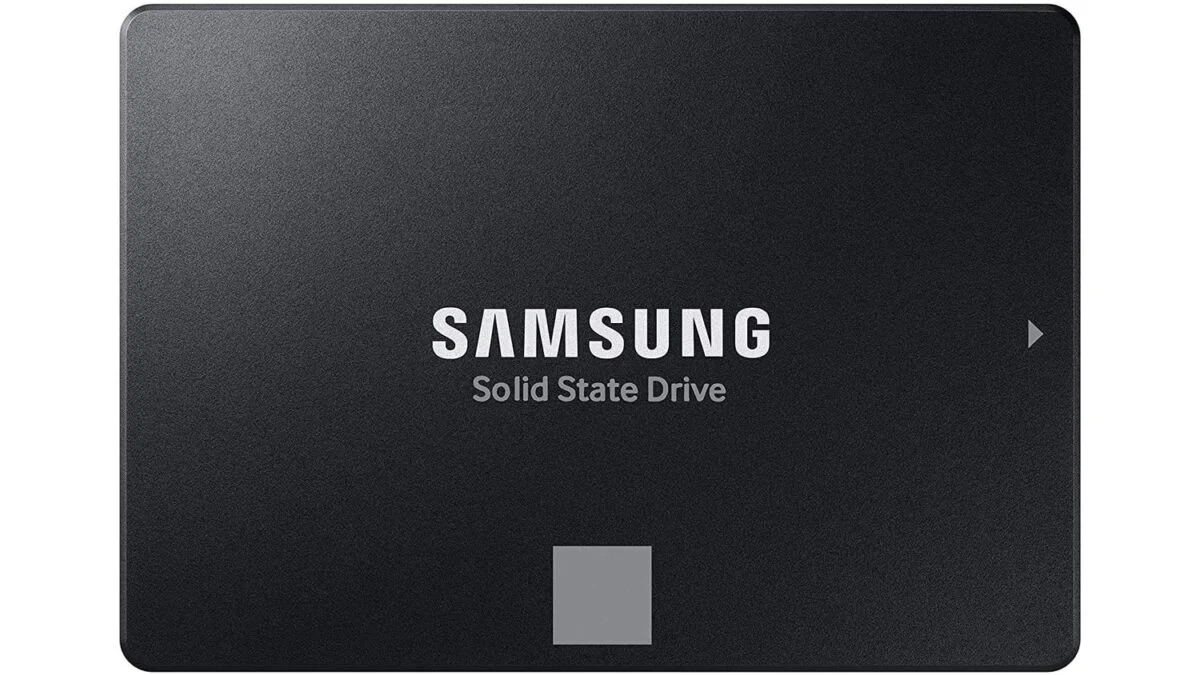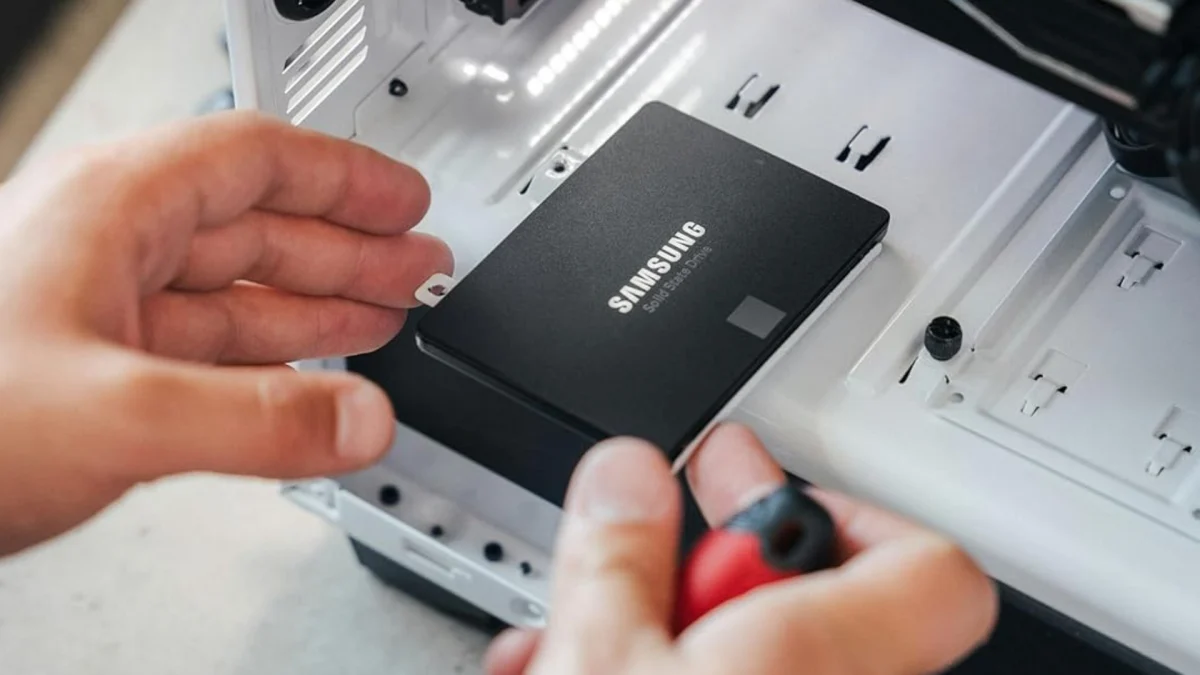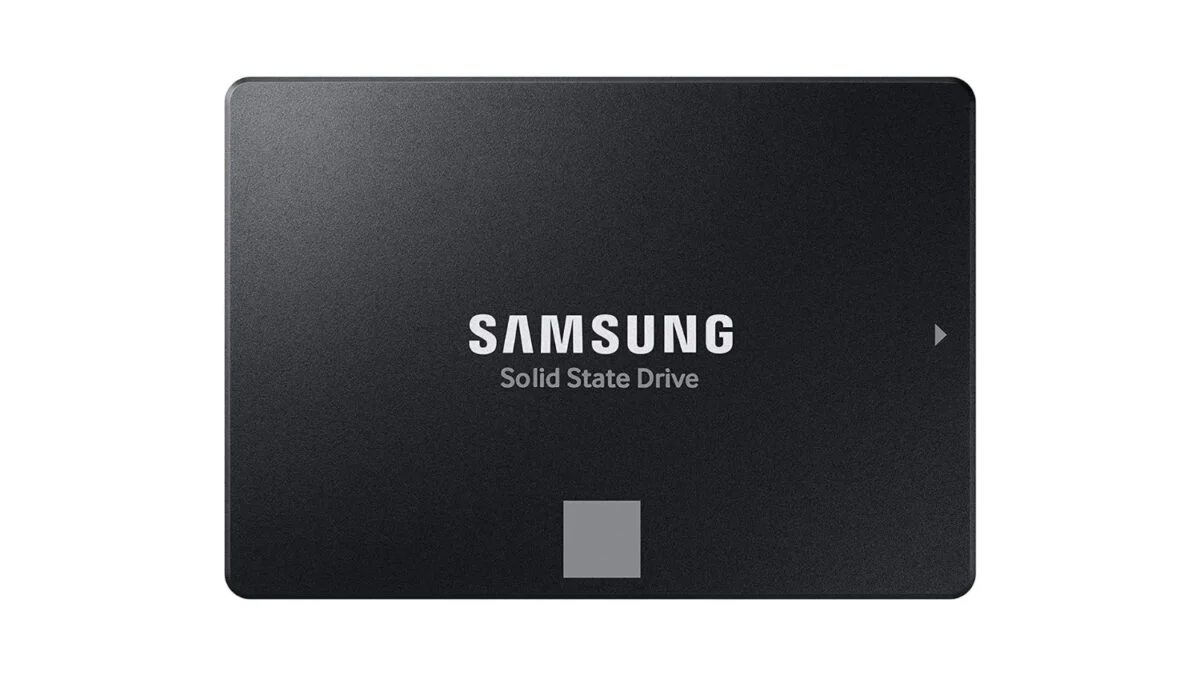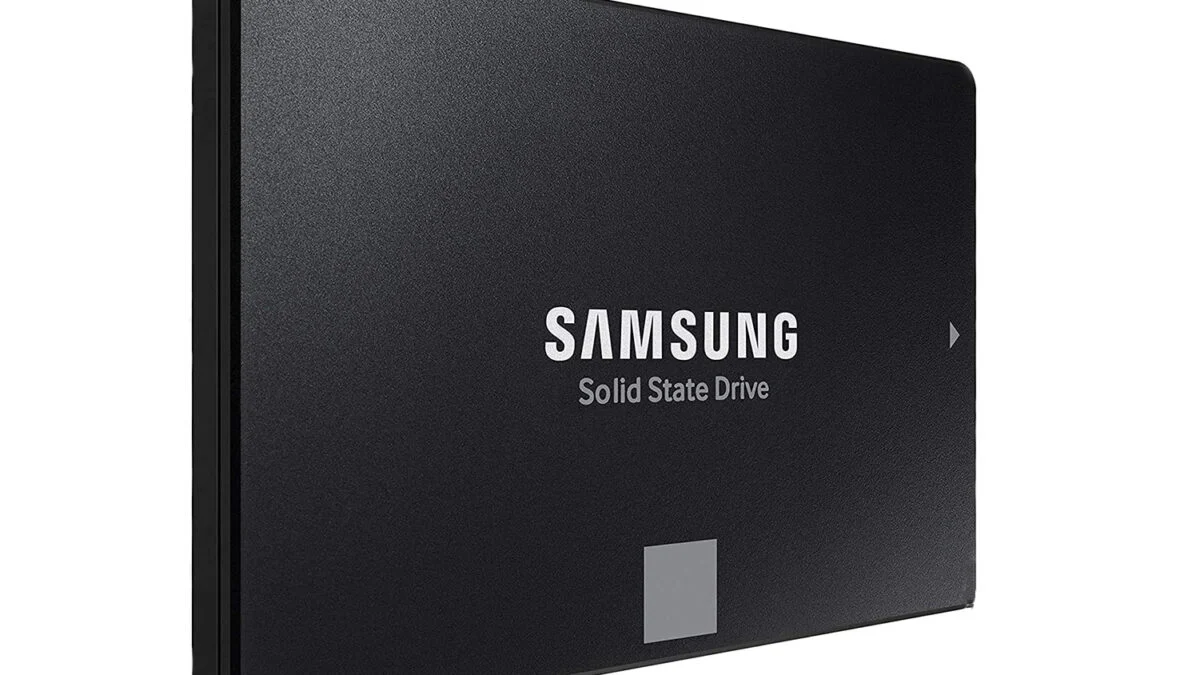
The 870 is a SATA drive that’s built for the kind of sustained, heavy workloads that consumer NVMe drives aren’t always the right answer for. It won’e beat a PCIe NVMe drive in a race, but it’s far more broadly compatible across laptops, desktops, and other devices, and it earns the advantage in terms of reliability. If the NVMe is a sprinter, the SATA is a workhorse.
See at Amazon
Ready for Heavy Work
The 870 EVO runs at up to 560 MB/s sequential read and 530 MB/s sequential write. It also maintains a more predictable sustained write performance profile under heavy continuous workloads. For anyone upgrading an older laptop, populating a NAS, or building a secondary storage drive where SATA is the available interface, the 870 EVO is the standard-setter.
The 2TB capacity is the configuration where the 870 EVO’s endurance spec becomes relevant. Samsung rates this drive at up to 2,400 TBW — terabytes written — which is the durability benchmark that matters for drives handling large file volumes, video editing scratch disks, or database workloads. That endurance figure reflects Samsung’s MLC V-NAND cell technology, which stores two bits per cell rather than the three-bit TLC NAND used in most consumer drives.