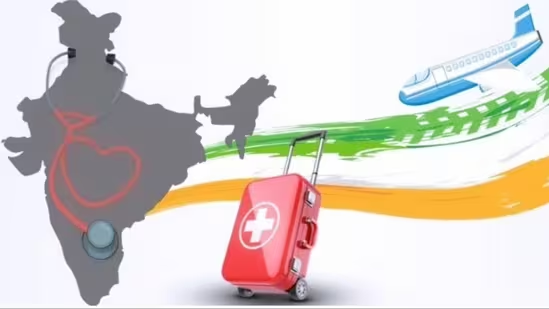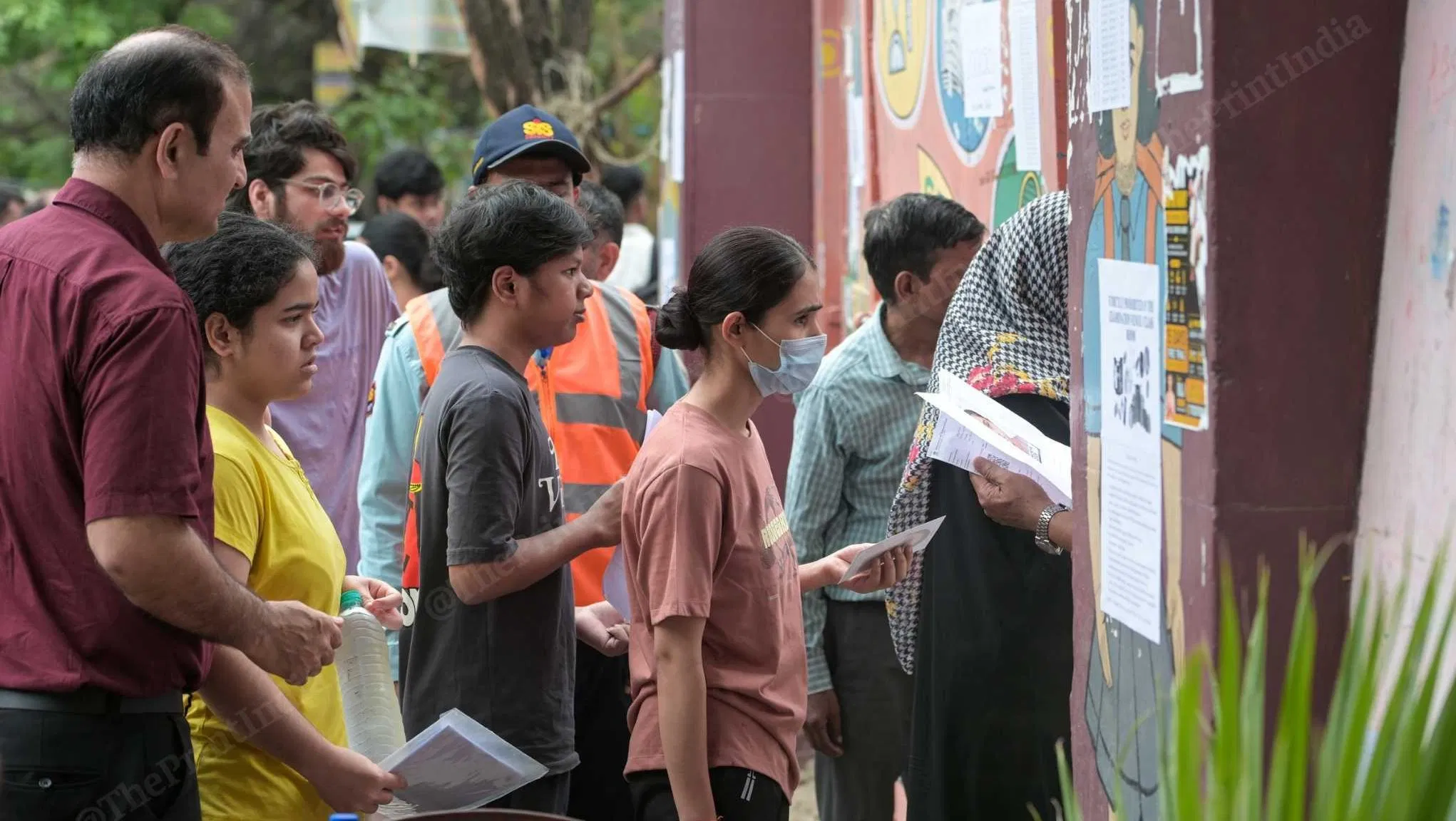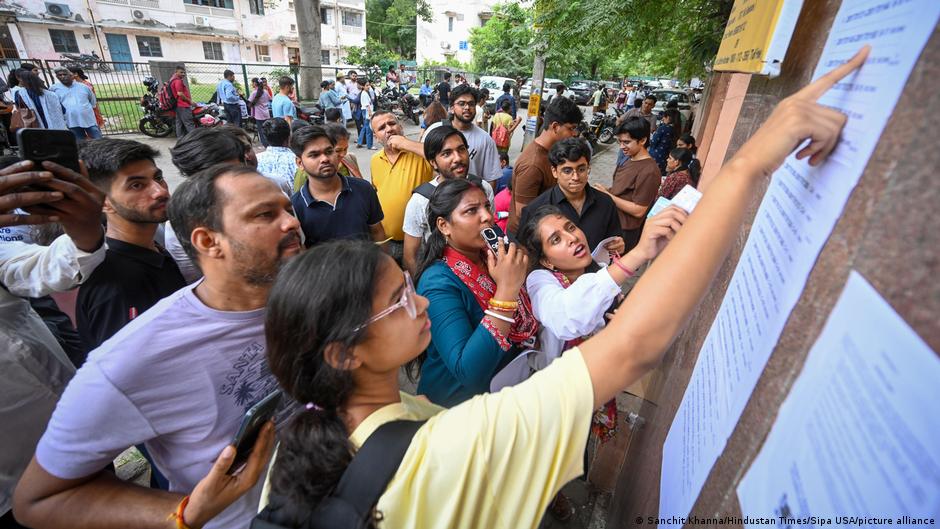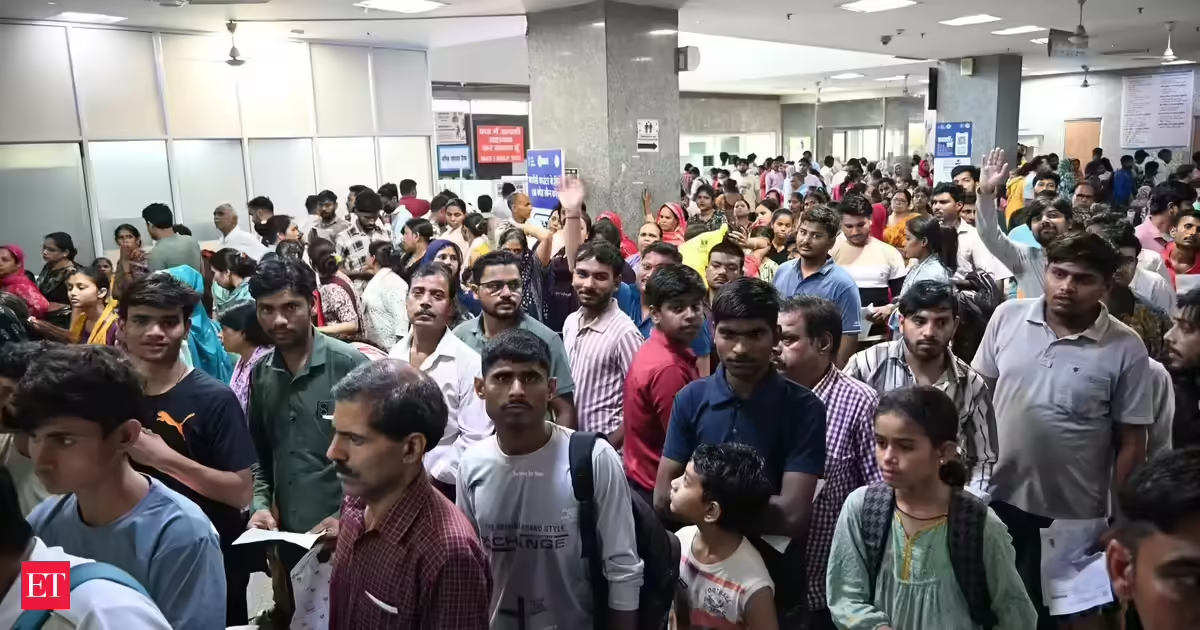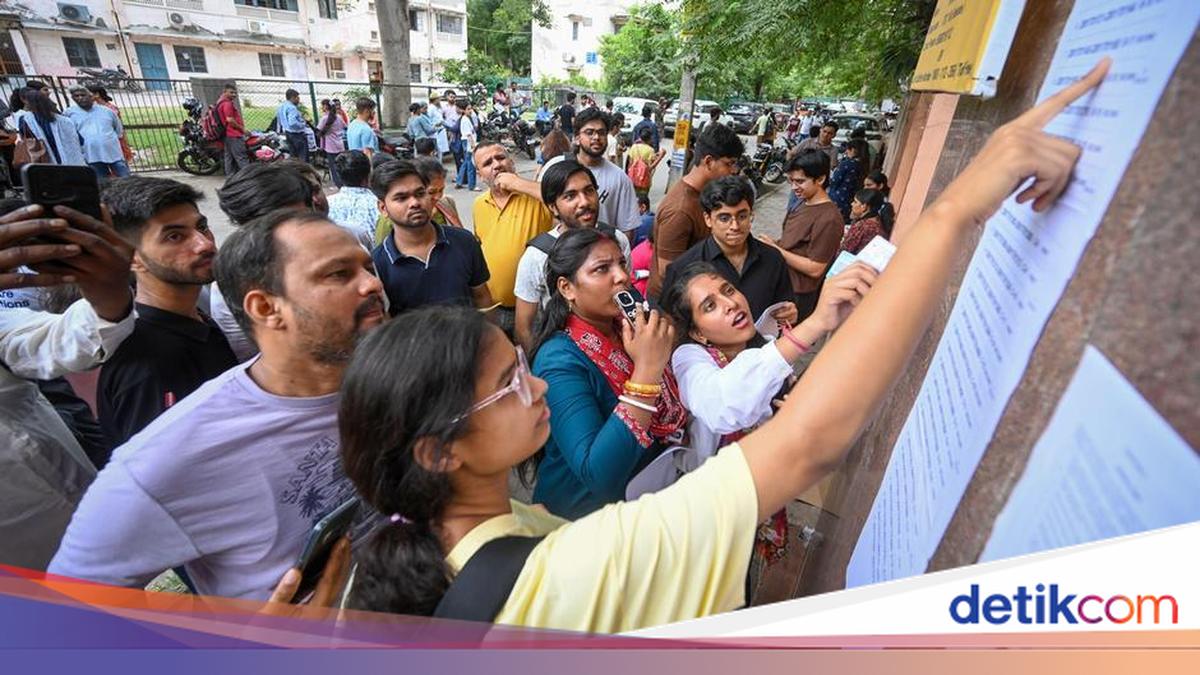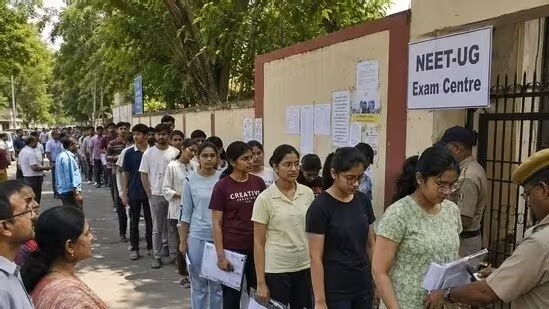
India’s ambition to become a global health care hub rests on a foundation that gets far less attention than hospital beds or visa rules: The integrity of the National Eligibility-cum-Entrance Test (NEET), the exam that decides who becomes a doctor. Medical tourism refers to the practice of travelling to another country to seek medical treatment. Escalating health care expenses, prolonged waiting periods, and the increasing prevalence of lifestyle-related diseases are prompting patients worldwide to seek medical care beyond their national borders. This trend has fuelled the rapid growth of the Medical Value Travel (MVT) industry, transforming it into a multi-billion-dollar global market. This expansion reflects its growing importance in the global health care economy. Valued at approximately $ 115.6 billion in 2022, the market is projected to more than double to nearly $ 286.1 billion by 2030, registering a robust compound annual growth rate of 10.8%.NEET examIndia has emerged as a key player in the rapidly expanding MVT industry. According to industry estimates, the country's medical tourism market is expected to reach $ 8.7 billion in 2025 and nearly double to $ 16.2 billion by 2030. MVT can broadly be divided into two categories. The first is medical tourism, which focuses on curative care and includes complex surgeries, organ transplants, specialised treatments, and advanced diagnostic services offered by hospitals and health care institutions. The second is wellness tourism, which emphasises preventive and holistic well-being through traditional health care systems such as AYUSH, along with mental, spiritual, and lifestyle-based therapies. According to the Medical Tourism Index 2020–21, India ranks 10th among the world's 46 leading medical tourism destinations, 12th among the top 20 global wellness tourism markets, and 5th among the leading wellness destinations in the Asia-Pacific region. According to estimates by the ministry of tourism, the travel and tourism sector contributed 5.22% to India's GDP in FY24, and supported approximately 84.6 million direct and indirect jobs, accounting for 13.3% of total employment. The sector's continued momentum is reflected in 2025 data, which recorded 9.15 million foreign tourist arrivals, including 5,07,244 visitors who travelled specifically for medical treatment. Notably, medical tourism now accounts for nearly 5.5% of India's total foreign tourist arrivals. During the same period (2025), the top source countries for medical tourists include Bangladesh (3,25,127), followed by Iraq (30,989), Uzbekistan (13,699), Somalia (11,506), Turkmenistan (10,231), Oman (9,738), and Kenya (9,357). India's medical tourism appeal is driven by its ability to offer high-quality health care at significantly lower costs than many developed countries, without compromising clinical standards. India has approximately 69,003 hospitals (43,486 private hospitals, and 25,778 public hospitals) with 1.2 million registered doctors, achieving WHO recommended doctor population ratio. To ensure the quality of medical facilities, the government continuously makes several efforts like establishment of National Accreditation Board for Hospitals and Healthcare Providers (NABH). NABH establishes rigorous benchmarks for patient safety and quality of care at International Society for Quality in Healthcare (ISQua). These all are attracting foreign medical tourists.None of this growth is possible without a steady supply of competent doctors. The quality of health care facilities depends on a strong foundation of both robust infrastructure and skilled human resources. Modern hospitals require advanced physical infrastructure, sophisticated medical equipment, digital technologies, and efficient support systems. Equally important are qualified health care professionals including doctors, nurses, technicians, pharmacists, and support staff who collectively ensure safe and effective patient care. Among these stakeholders, doctors play a pivotal role in determining the quality of health care services. Becoming a doctor is a rigorous process that spans five-and-a-half years, including academic training and mandatory clinical internship. This journey begins with the National Eligibility-cum-Entrance Test (NEET), the gateway to undergraduate medical education in India. In 2025, nearly 22 lakh candidates appeared for NEET, competing for approximately 2.2 lakh seats across MBBS, BDS, and various AYUSH programmes. Given the scale and significance of this examination, maintaining its integrity is essential. Any compromise in the admission process risks undermining the quality of medical education and, consequently, the competence of future health care professionals. If irregularities in the entrance system become recurrent, they could erode public trust, weaken the quality of health care delivery, and diminish India's reputation as a preferred destination for medical tourism. Such a decline would extend beyond the health care sector, adversely affecting foreign exchange earnings, employment generation, and broader economic growth. For a country aspiring to become a global health care hub, safeguarding the credibility of medical education and ensuring merit-based admissions are not merely administrative imperatives they are strategic necessities.NEET’s integrity, then, is not a peripheral administrative concern but a foundation of the medical-tourism story itself. As India aspires to become the pharmacy and health care provider of the world, it must protect the credibility of NEET as carefully as it builds hospitals and courts foreign patients, balancing commercial ambitions with social and political responsibility. Only then can the nation transform medical tourism into a sustainable engine of growth and a symbol of health care excellence.(The views expressed are personal)This article is authored by Manik Tiwary, assistant professor and Ankit Mishra, ICSSR Fellow, Govind Ballabh Pant Social Science Institute, Prayagraj.
India’s medical tourism boom rests on NEET’s integrity
This article is authored by Manik Tiwary, assistant professor and Ankit Mishra, ICSSR Fellow, Govind Ballabh Pant Social Science Institute, Prayagraj.
850 words~4 min read