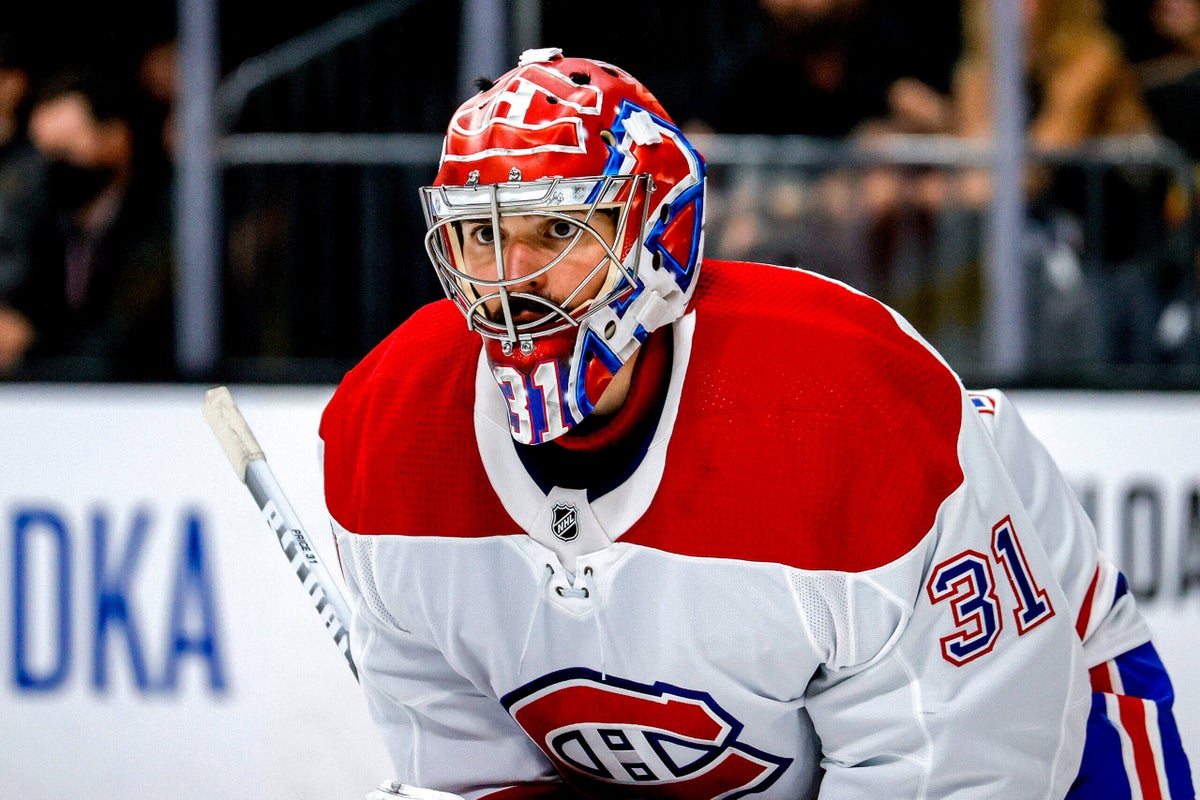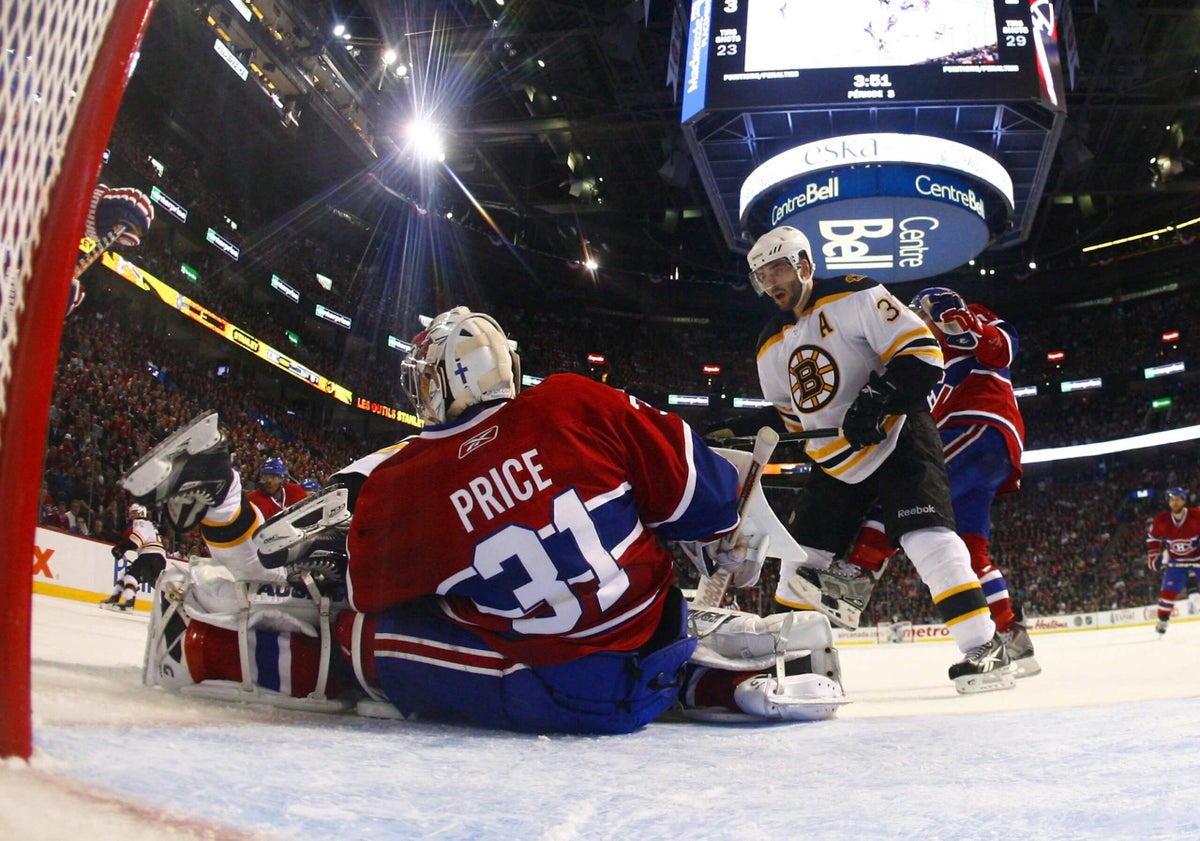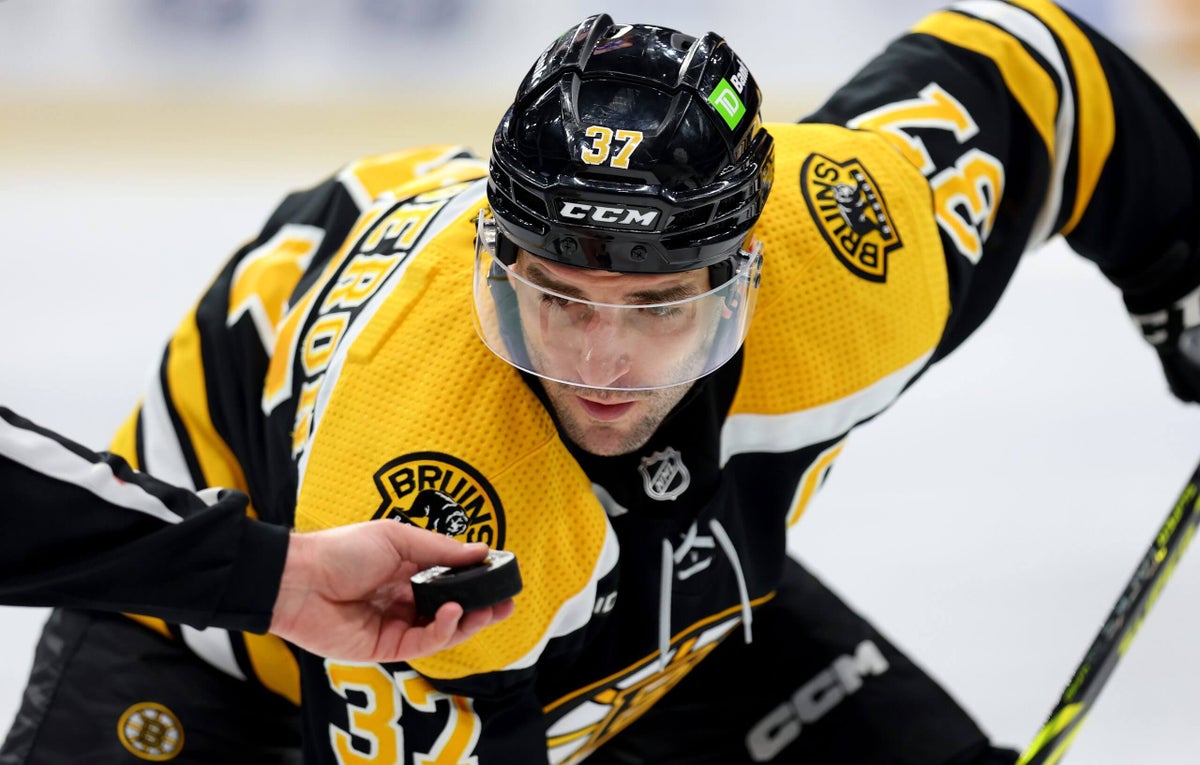
Patrice Bergeron’s election to the Hockey Hall of Fame is news all fans can celebrate, whatever the city, whatever the merch. This isn’t just a Boston Bruins moment; it’s also a hockey moment. So exemplary was Bergeron’s career, on the ice and off, there are no lingering grudges in this or that city, no bills to pay, no scores to settle. He’s the goods. Good for him.In joining Carey Price, Pekka Rinne, Keith Tkachuk, Cindy Curley and Brian Burke as members of the Hall’s Class of 2026, Bergeron is being honored for a 19-year NHL career in which he amassed 427 goals, 1,040 points and was a six-time Selke Trophy winner, presented to the NHL’s top defensive forward. He was a member of the Bruins’ 2010-11 squad that took out the Vancouver Canucks in the Stanley Cup final, and he owns gold medals from playing on Team Canada at the 2010 and 2014 Olympics. He brought leadership skills to the Boston dressing room, and he built a reputation throughout the circuit as a player to be treated with respect.But there’s an educational aspect to Bergeron’s Hall of Fame election that’s worthy of discussion. For what we have here is the latest reminder, and a vivid one at that, of how a promising athlete’s career can be cruelly derailed by injury, illness or bad choices. Bergeron, of course, was one of the lucky ones: He was able to make a comeback from the crushing hit from behind and into the boards by the Philadelphia Flyers’ Randy Jones during the first period of a game in Boston on Oct. 27, 2007.The hit left Bergeron flat on the ice, unconscious, leading to anxious moments during which it was only natural to assume the worst. It wasn’t until later in the day, after the game, that it was learned that although Bergeron had suffered a concussion and a broken nose, he had what then-Boston Globe (and now The Athletic) writer Fluto Shinzawa described as “full feeling and motion in his extremities.”I wasn’t at the Garden that day. I did attend a Bergeron news conference a few weeks later, also at the Garden. The Bruins asked the media to limit the session to 10 minutes, during which Bergeron would answer questions for five minutes in English and five minutes in French.
How Patrice Bergeron went from an uncertain future to a Hall of Fame lock
Bergeron's career reminds us that the road to the Hall often includes heartache, self-doubt and stops at hospitals. He overcame them all.
1,108 words~5 min read